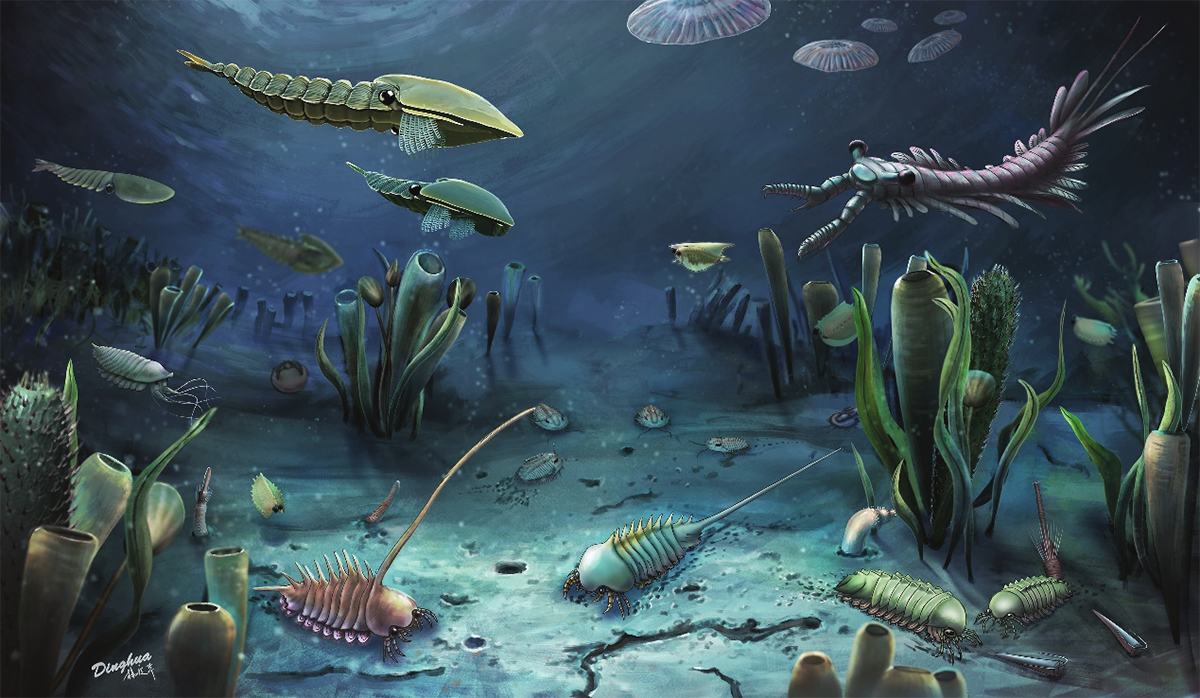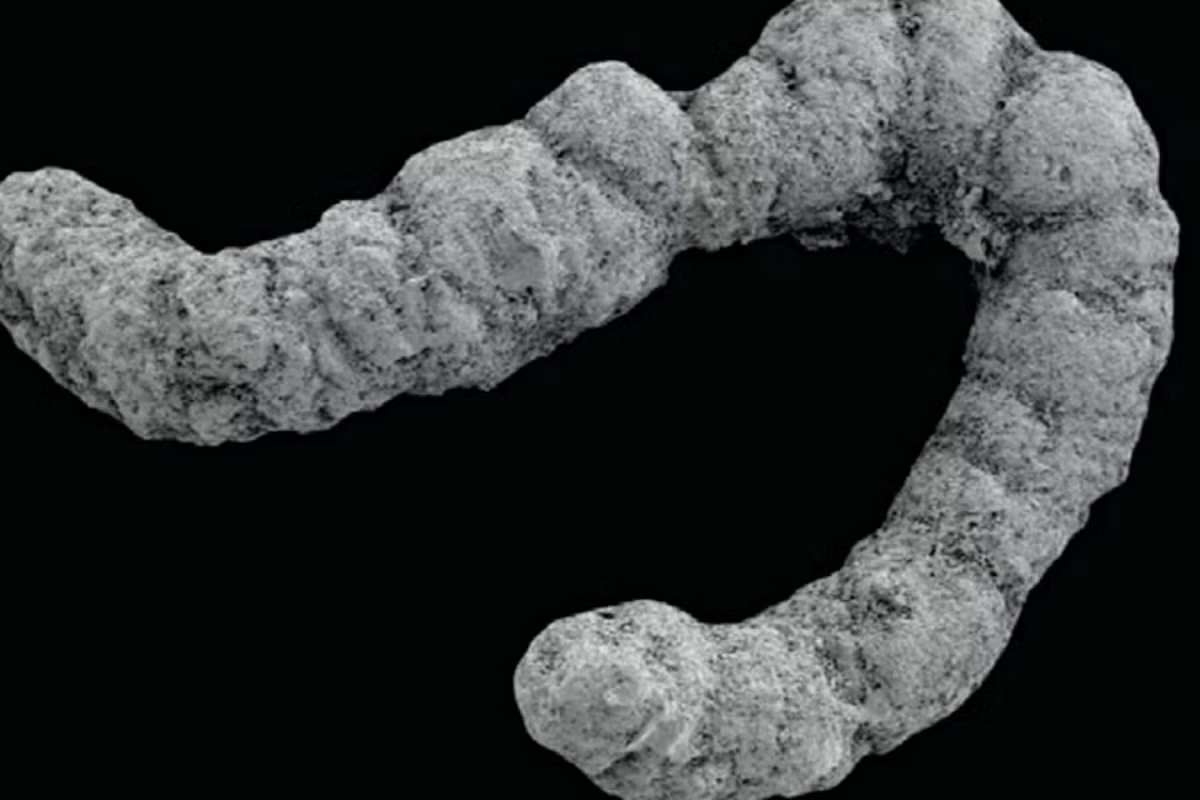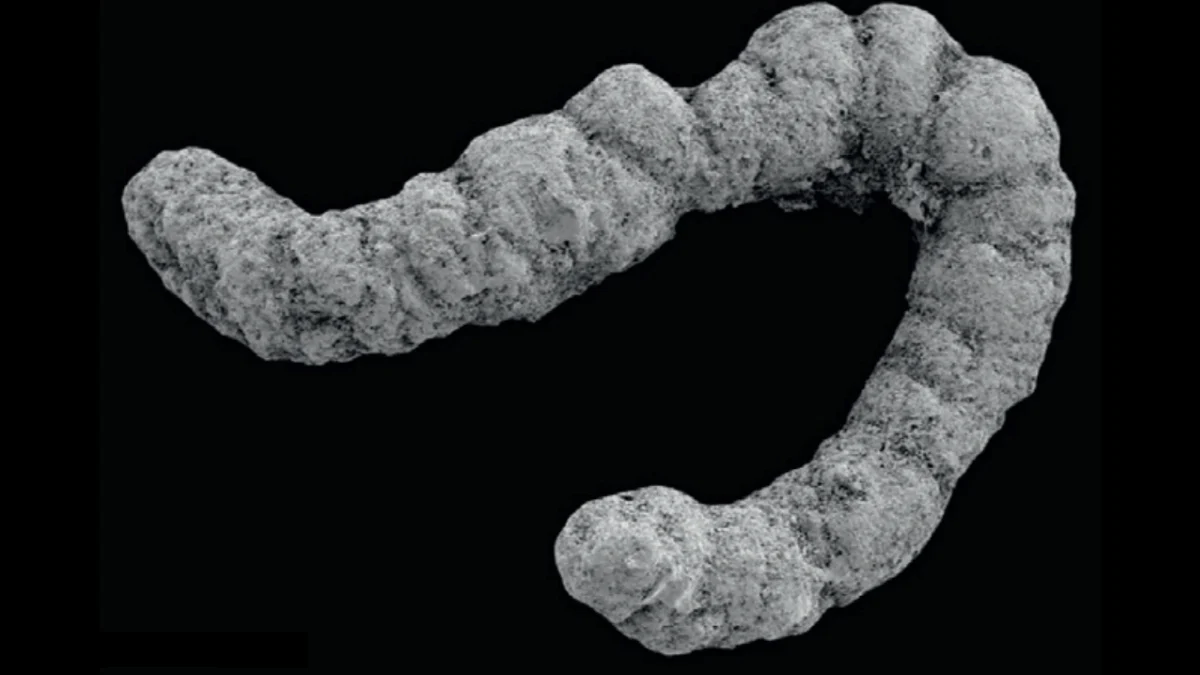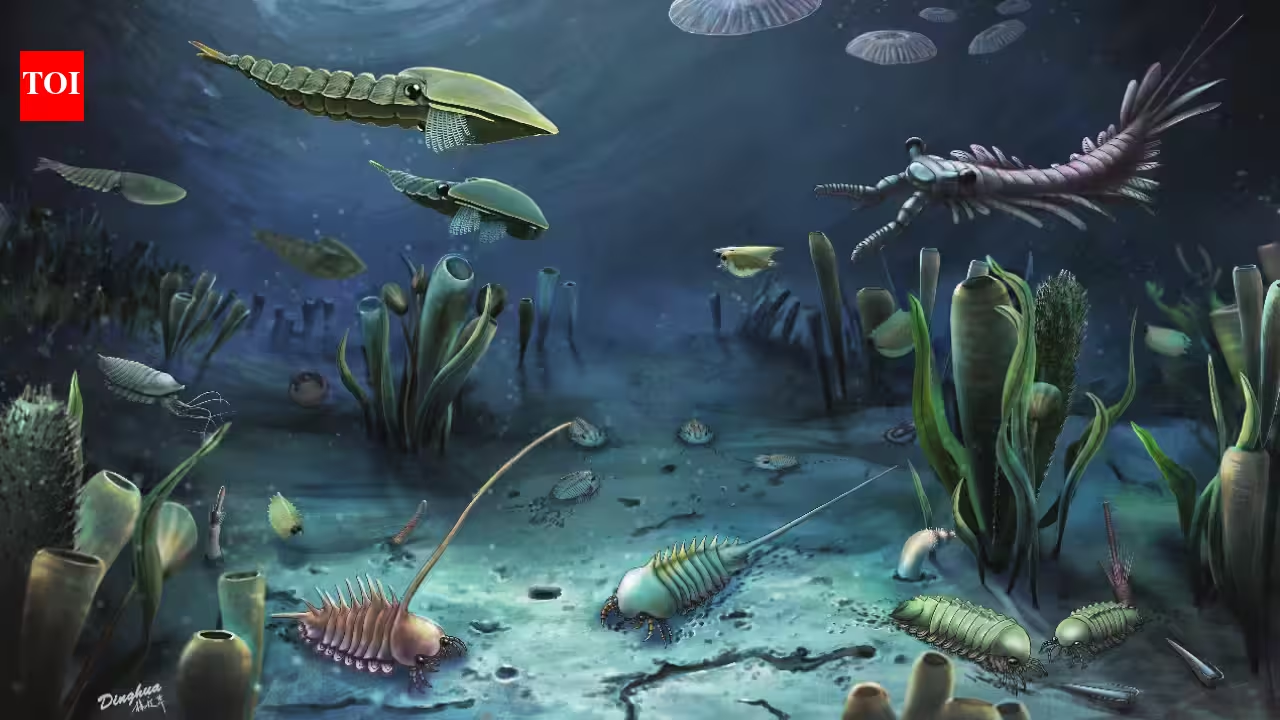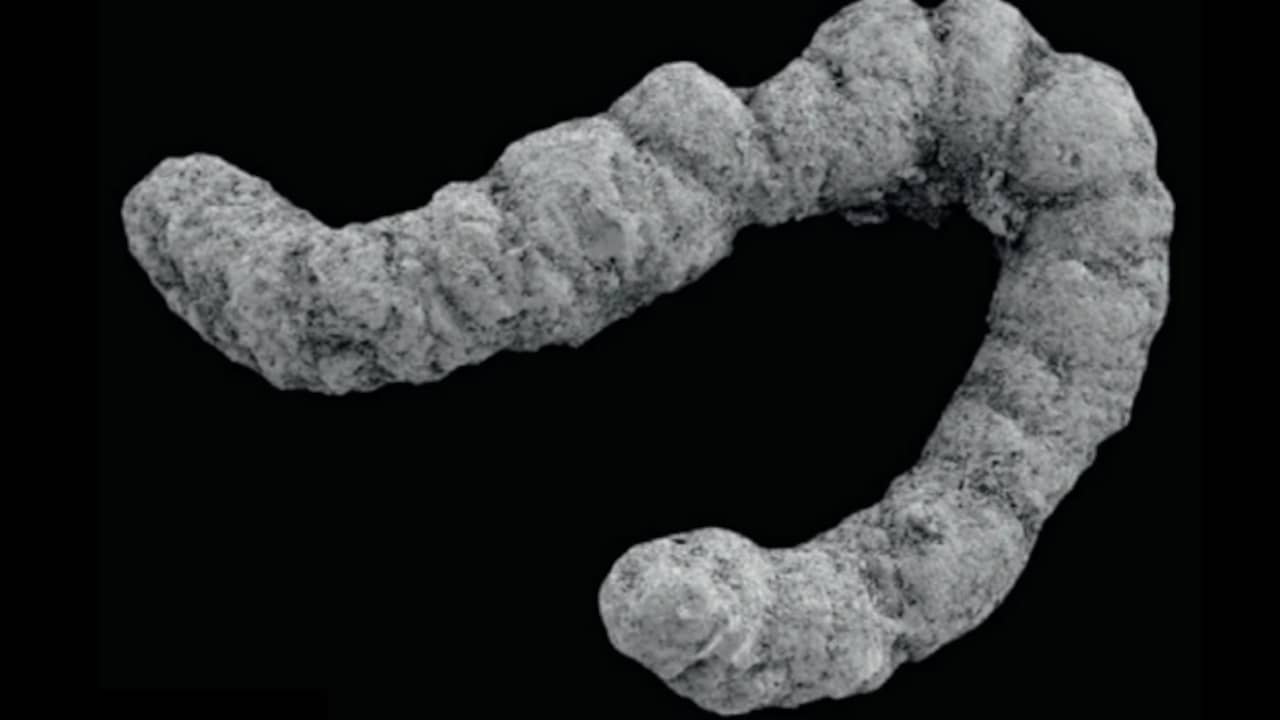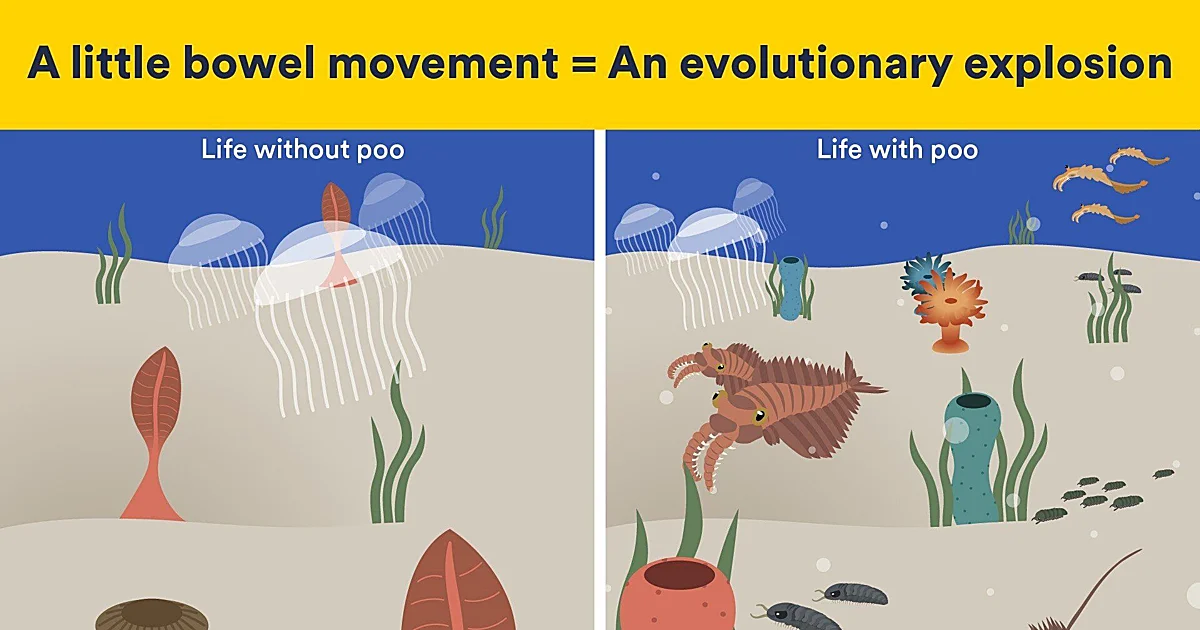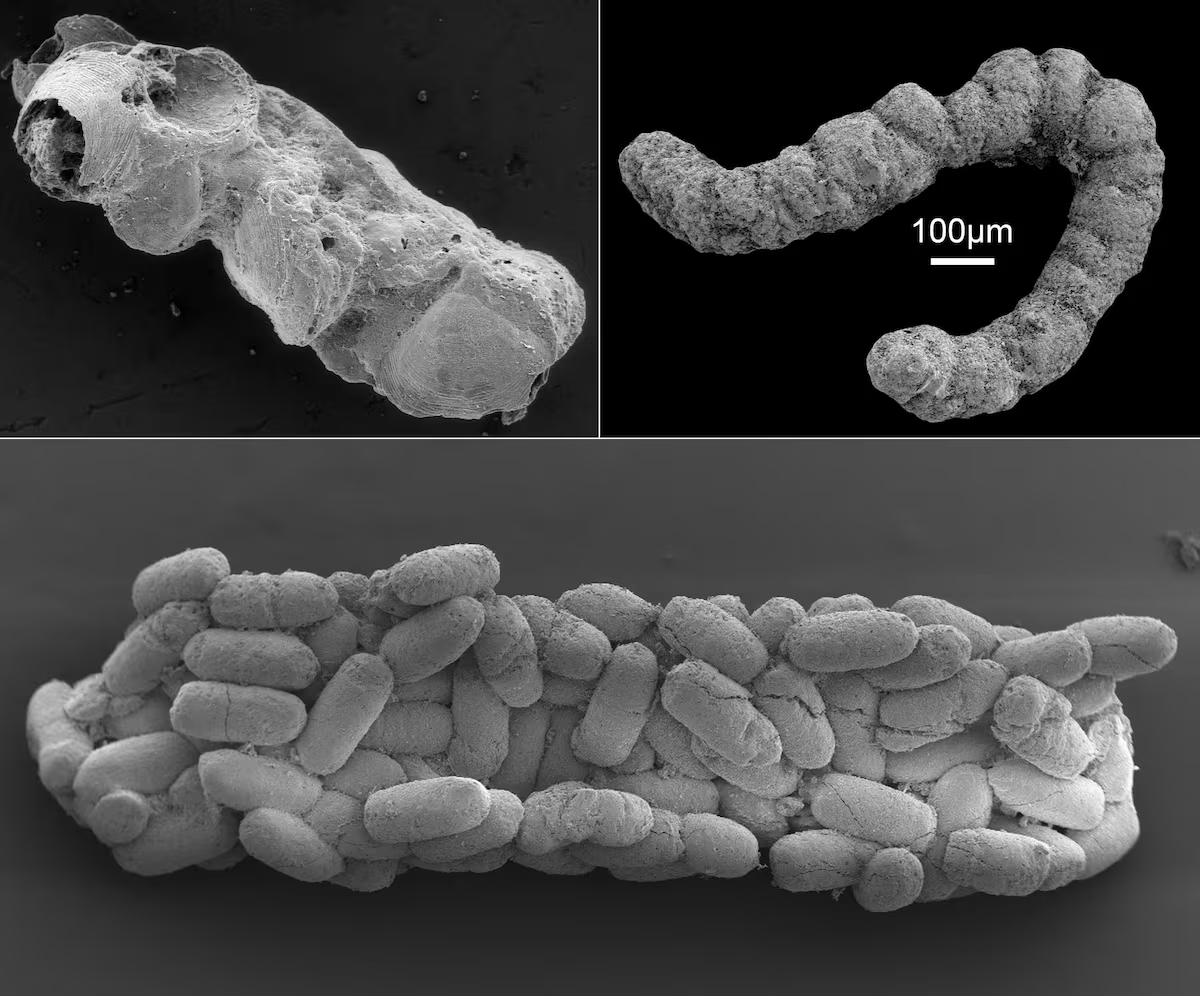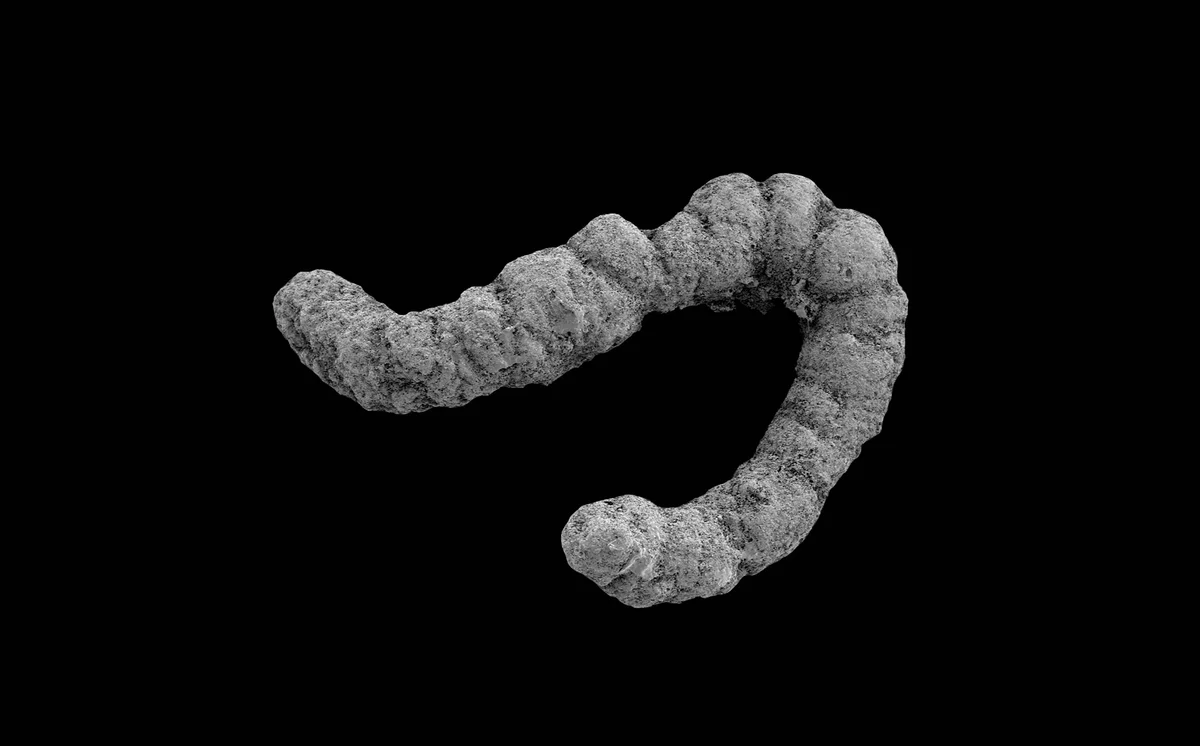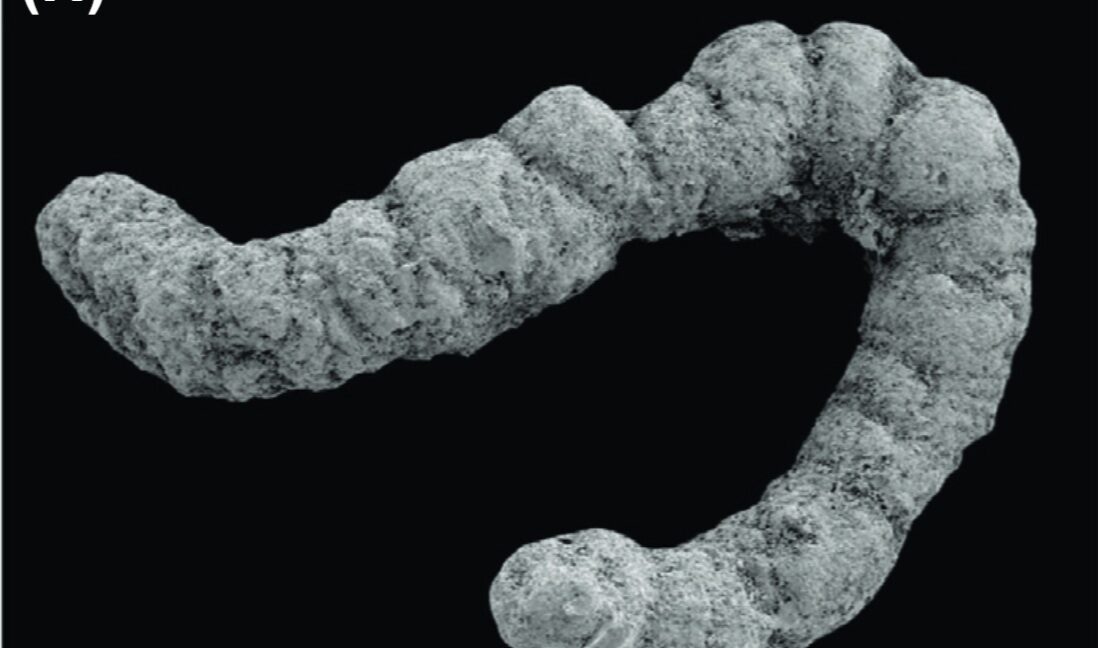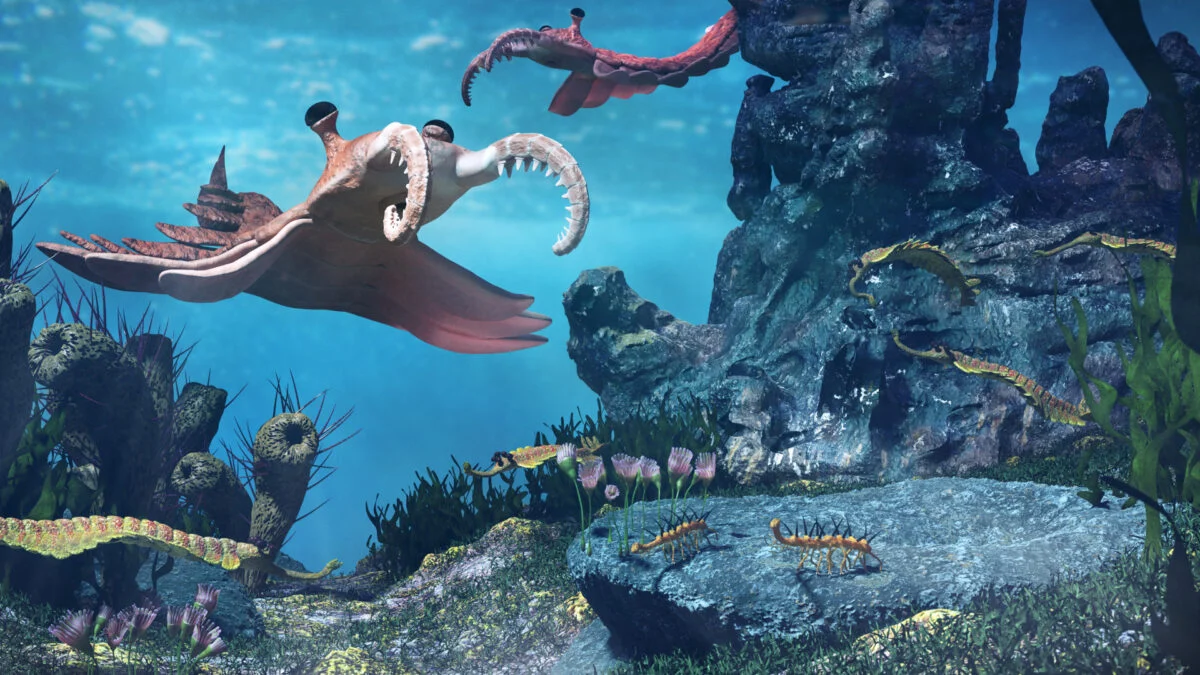
In the first 20 million years of the Cambrian period, Earth experienced an explosion of life—a great evolutionary era dubbed the Cambrian Explosion. Scientists have differing views on what drove this phenomenon, but this one may be the strangest one yet: poop. Literally. Just a sh*t ton of poop. Specifically, a slow accumulation of fecal matter—poop—helped allocate organic material and nutrients throughout the ocean, which in turn made marine environments ripe for the birth and evolution of life. The findings, published yesterday in Trends in Ecology & Evolution, suggest a key connection between the distribution of fossilized feces and the emergence of animals with complex digestive systems. An infographic depicting the role of poop in the Cambrian explosion. Credit: Flinders University “Next to rising oxygen levels and other contributing factors, the importance of feces in ancient ecosystems is often overlooked,” Russell Bicknell, the study’s co-author and a paleontologist at Flinders University in Australia, said in a statement.
The ‘Great Birth’ The Cambrian period took place around 539 million to 485 million years ago. It was during this time that nearly all major animal groups we know today emerged, according to an explainer by the U.K. Natural History Museum. Now, more recent findings have suggested that complex animals emerged slightly earlier. However, as of now, the Cambrian explosion is still a benchmark for scientists probing the evolution of early life on Earth.