Experts warn export e-commerce ease could open door to wider foreign retail demands
| Photo Credit:
Tevarak
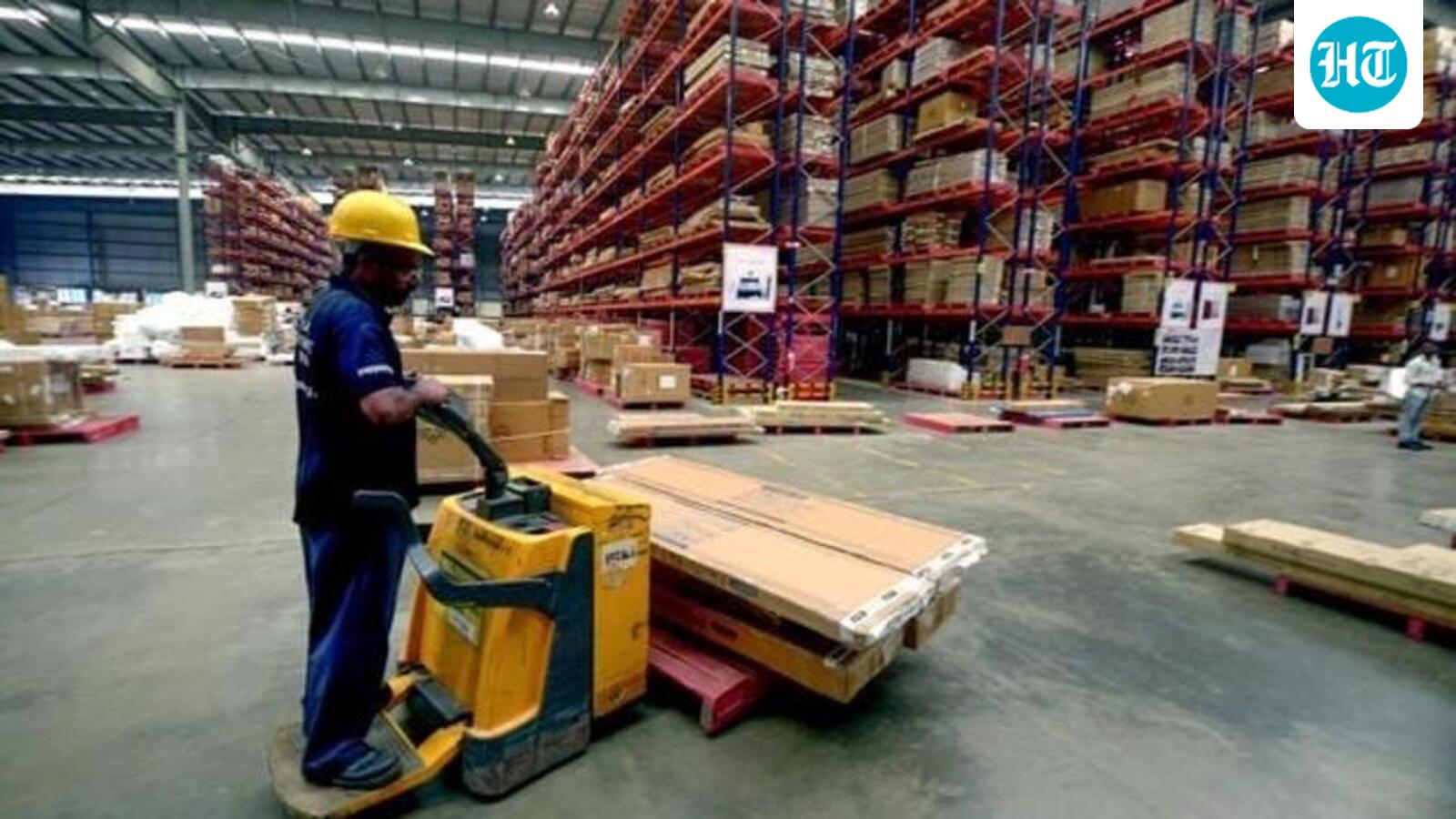
The Directorate General of Foreign Trade (DGFT) has notified procedures for foreign-funded e-commerce companies to undertake inventory-based operations allowing them to hold stocks of Indian-made goods exclusively for exports.The notification, issued on Wednesday, puts into force the Department for Promotion of Industry and Internal Trade’s (DPIIT) July 23 decision to relax FDI rules by allowing e-commerce firms with foreign investments to hold Indian-made goods for exports.While the relaxation is limited to exports, some experts cautioned that it could eventually lead to demands for allowing foreign-funded e-commerce firms to own inventory for domestic sales as well.“An e-commerce entity, other than a marketplace e-commerce entity, as defined under the consolidated FDI policy, may undertake export-only inventory operations through an exporter-on-record (EoR) registered under this framework. Such EoR may hold inventory of goods exclusively for export through e-commerce and undertake all export-related activities, subject to this framework and the consolidated FDI Policy, as in force from time to time,” the DGFT notification highlighted.Indian manufacturers, primarily MSMEs, will continue to act as sellers-on-record (SoRs), supplying goods domestically and receiving payments in rupees, while the exporter-on-record (EoR) will procure the goods against confirmed export orders, own the inventory and handle exports.“By leveraging a registered EoR, Indian sellers can access overseas markets while delegating export documentation, customs formalities, destination-country regulatory compliance, product testing and certification, packaging, labelling, fulfilment, logistics and reverse logistics to the EoR,” per a DPIIT release.Some concernThe new FDI relaxation raises a larger concern, trade policy think-tank GTRI said in a report. “Although currently limited to exports, it establishes the principle that foreign-funded e-commerce companies (read American) may own inventory. Soon, this could create pressure to extend the same model to domestic sales, opening the door to inventory-based e-commerce across all transactions,” it said.There are several safeguards within the framework to ensure that the benefits of e-commerce exports accrue to Indian manufacturers and MSMEs, the DPIIT release highlighted. “Export inventory may be procured only against confirmed export orders, and speculative inventory build-up for export purposes is not permitted. The export inventory must be distinctly identified, segregated and maintained through a digital repository to ensure complete traceability. Further, export inventory cannot be diverted for sale in the domestic market,” it stated.It also provides for timely payments to Indian sellers within the prescribed timeline, irrespective of the receipt of payment from overseas buyers. Export rebates and refunds are required to be apportioned and passed through to the Sellers-on-Record in proportion to the FOB value attributable to their goods. Sellers are also provided visibility regarding the final sale price, order status and shipment tracking of their products.Published on August 5, 2026