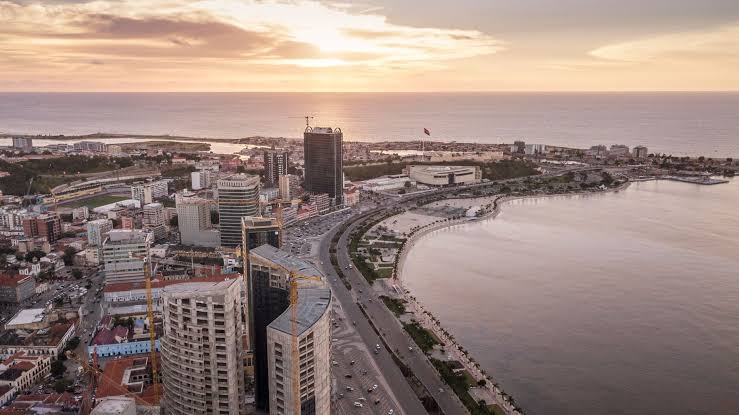
Africa’s second-biggest oil producer has long been known for its crude exports rather than its capital markets. But Angola is now attracting attention for a different reason after its biggest-ever Initial Public Offering (IPO) drew stronger investor demand than shares available, offering the clearest sign yet that one of the continent’s youngest stock exchanges may be coming of age.
The sale of a 15 percent government stake in telecom giant Unitel raised 300.3 billion kwanzas ($329 million) after attracting orders worth 362.1 billion kwanzas ($397 million), making the offer 120.7 percent oversubscribed. The shares were priced at the top of the indicative range, highlighting investors’ appetite for one of Angola’s largest companies.
While the figures are impressive, the transaction’s significance extends well beyond the $329 million raised. It marks a pivotal moment for Bolsa de Dívida e Valores de Angola (BODIVA), a stock exchange that has spent years trying to establish itself as a credible destination for investors in one of Africa’s biggest oil economies.
For years, the Southern African nation’s financial system has been dominated by banks and oil revenues, with capital markets playing only a marginal role in financing businesses. Although BODIVA was established in 2014, equity trading only began in 2022. Before Unitel’s listing, the exchange had only five listed companies—all financial institutions—highlighting how shallow the country’s equity market remained despite the country’s economic size.