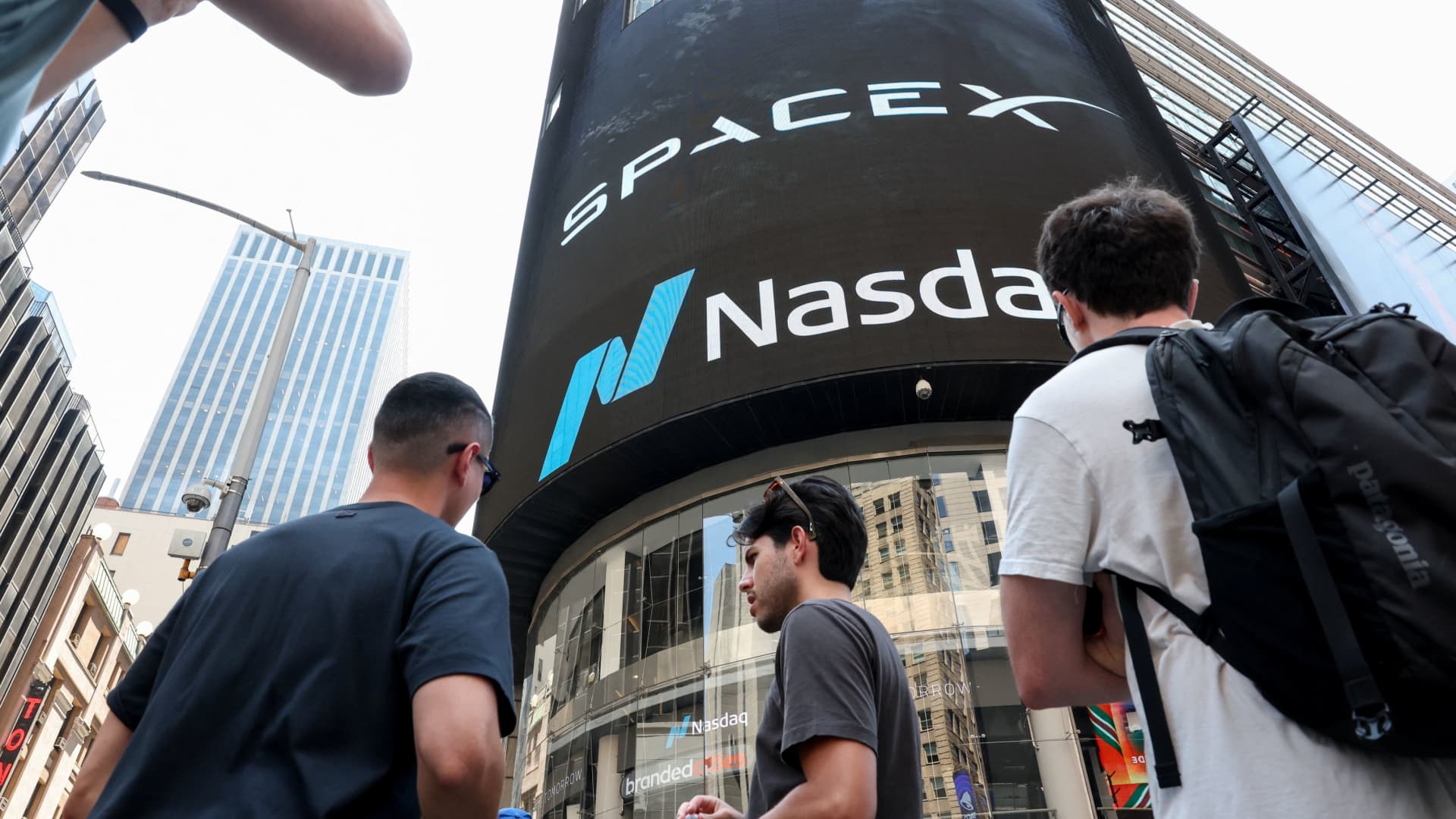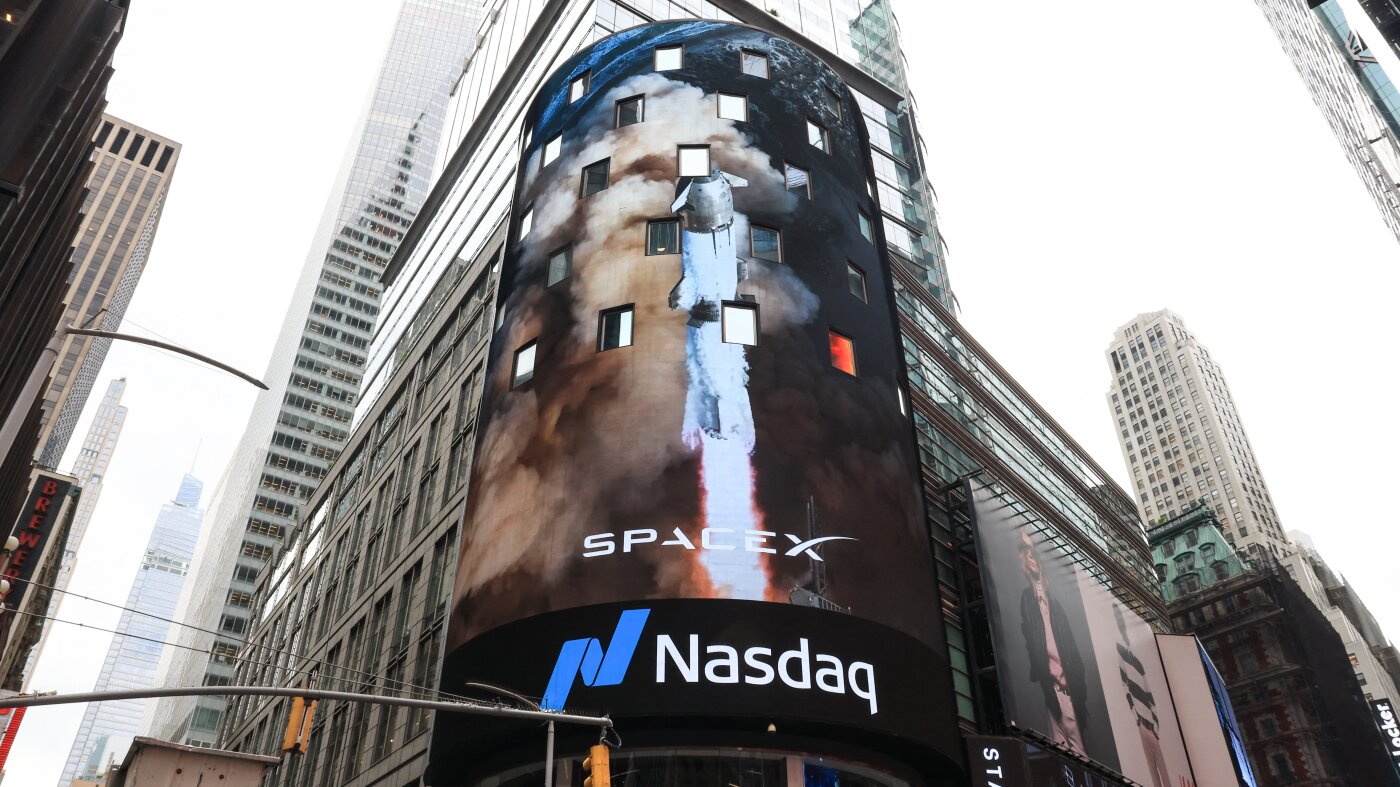
SpaceX grew revenue 92% to $7.8 billion, but shares slid more than 5% after the results were released and kept dipping. SpaceX has been on that slide since hitting a $2 trillion valuation in its June IPO, losing close to $500 billion in market cap. Despite narrowing its losses, investors continue to worry about capital expenditures and slow return on spending.
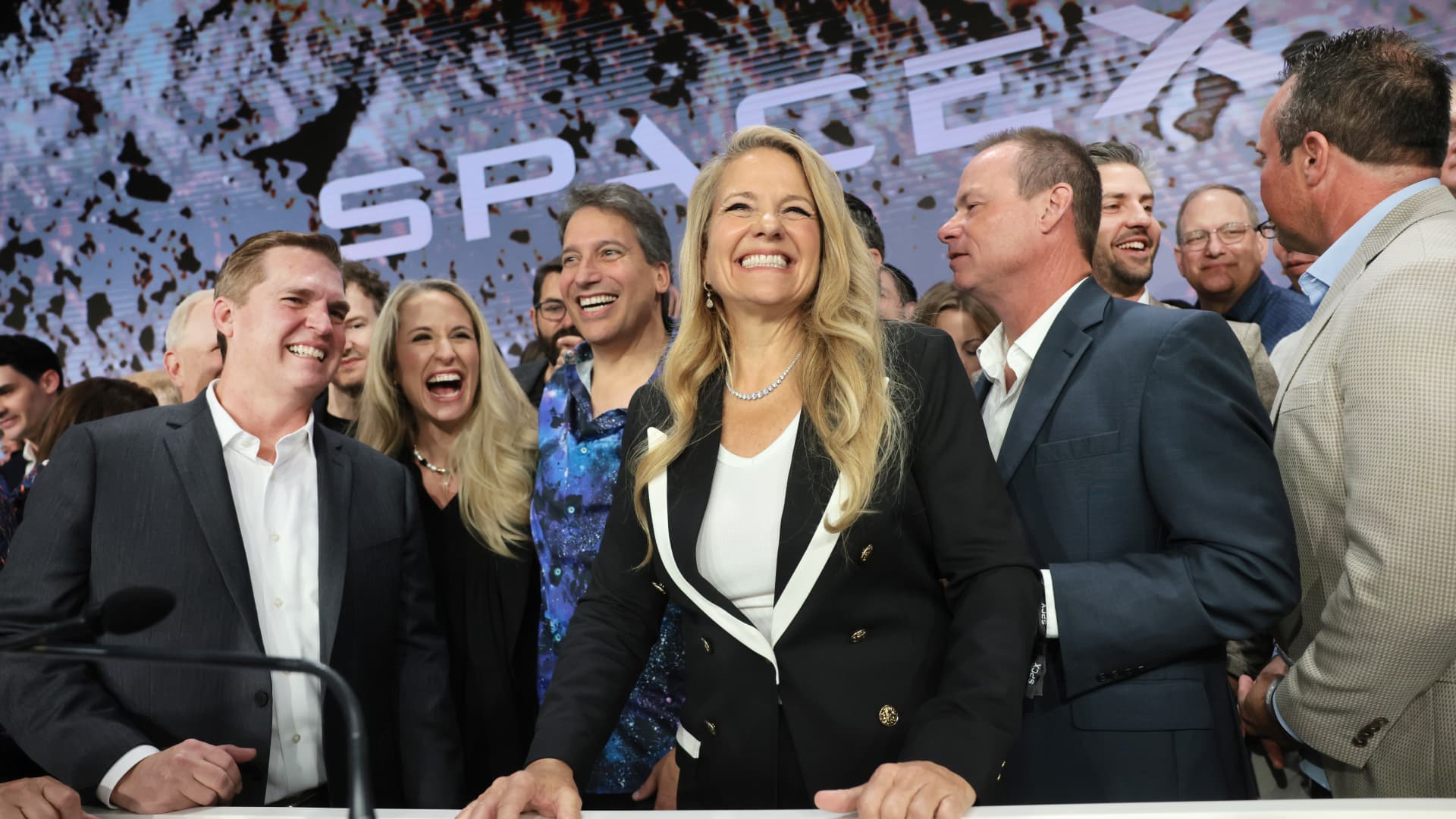
But more than market results, we got a peek into the dynamic between Elon Musk and SpaceX president and COO Gwynne Shotwell during yesterday’s earnings call. While Musk is SpaceX’s CEO, Shotwell has been known as the exec running SpaceX’s day-to-day while the world’s richest man splits his attention across his businesses (and, for a time, politics). Shotwell was No. 32 on the 2026 Most Powerful Women list.
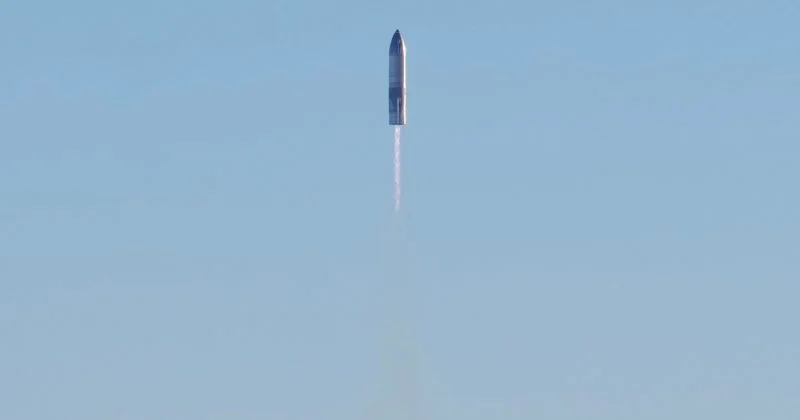
Indeed, Musk spoke first on yesterday’s earnings call and mainly set the long-term vision for SpaceX. He argued that SpaceX (which in addition to its rocket/space business, includes the merged AI company xAI) is “building AI compute capacity at scale faster than anyone else.” He recounted some Starship flight milestones, before arguing for the “magnitude of the impact Starship will have on the future of civilization.” He called out competitors again—arguing that SpaceX would be too far off the chart on a basic bar graph to depict its payload mass in orbit alongside any other businesses. Then he turned to SpaceX’s satellite internet service Starlink. “It’s kind of hard for people to wrap their minds around this, but it’s not out of the question that at some point Starlink will deliver a majority of the world’s internet,” he said. He emphasized that this was not a possibility in some distant “infinity future,” but something SpaceX could achieve in less than 10 years.