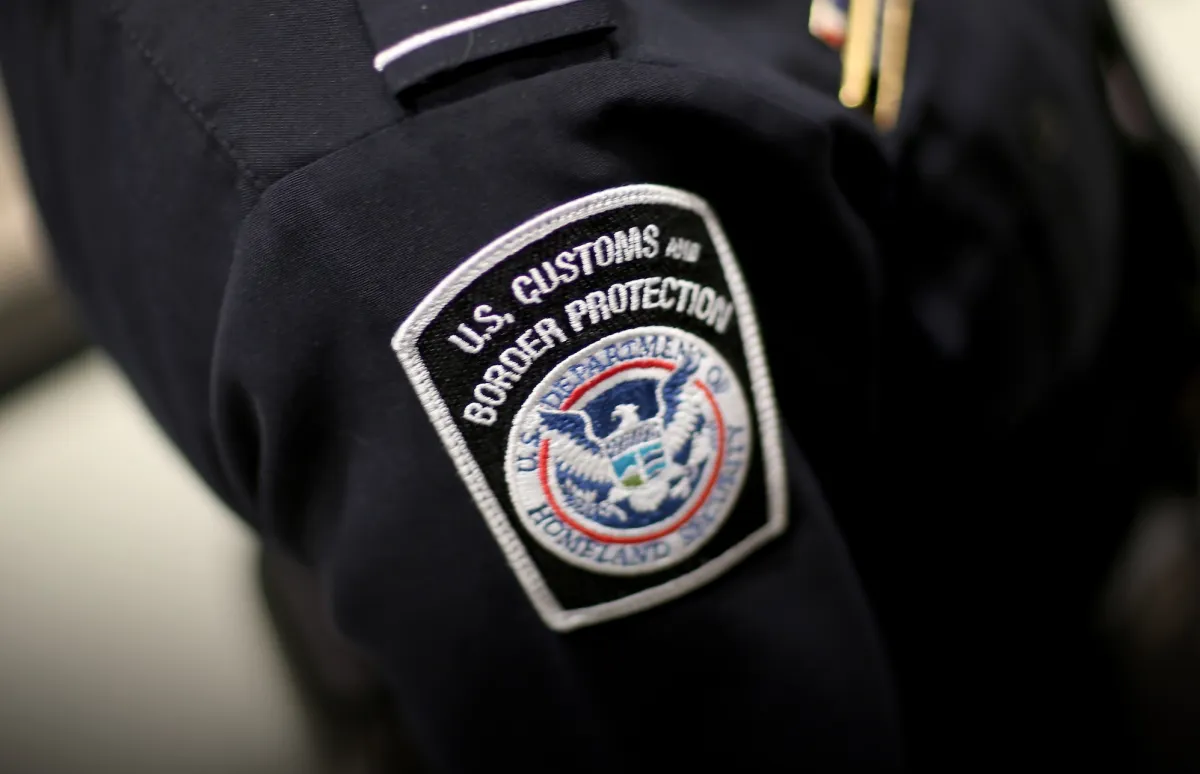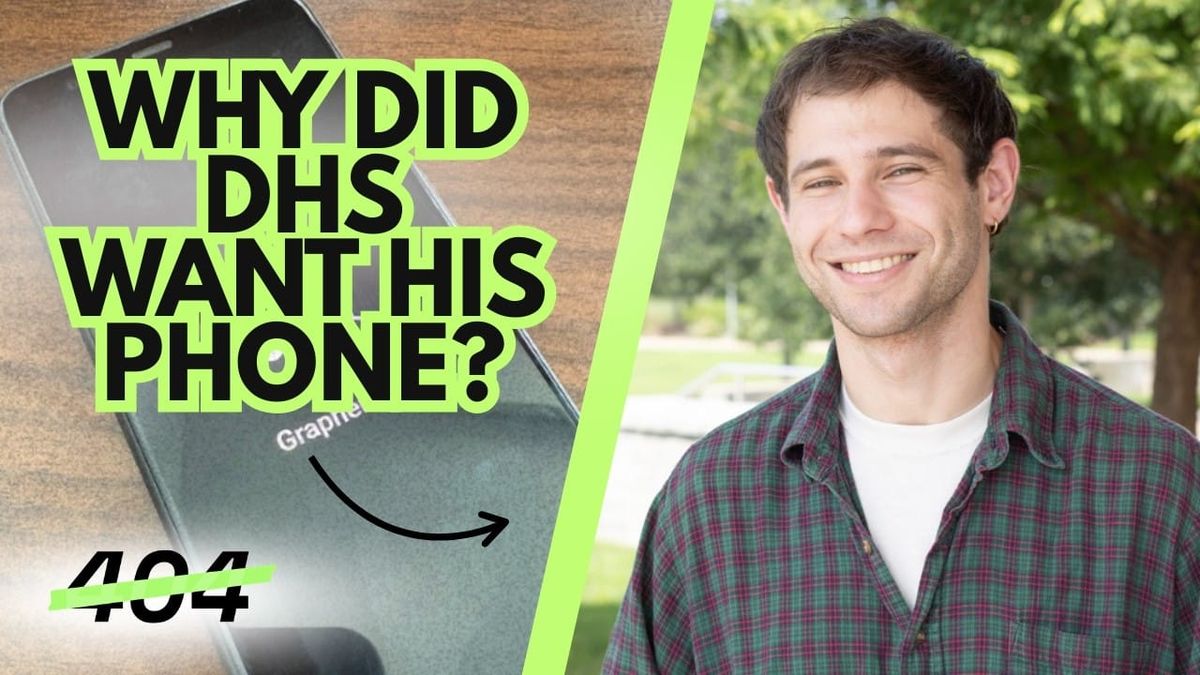
Customs and Border Protection personnel searched more than 55,000 phones, laptops, and tablets at the border last year, a number that has climbed sixfold since 2015, even though it still touches only a small fraction of the more than 400 million travelers the agency processed. Most of those searches turn up nothing more interesting than vacation photos. Samuel Tunick’s did not go that smoothly.A federal grand jury in Atlanta indicted him in November 2025 for a crime most people didn’t know existed: erasing his own phone. Border agents pulled him into secondary inspection at Hartsfield-Jackson Atlanta International Airport in January 2025, as he came home from vacation, and asked for his passcode. He gave them one. The screen went blank, flashed, and restarted. He’d entered a duress code built into his phone’s privacy software, and it wiped the device clean. Prosecutors say that’s a federal crime, destroying property to prevent its lawful seizure, and it carries up to five years in prison.Tunick is an activist tied to the Stop Cop City movement, and I doubt we’d agree on much. But the Fourth Amendment doesn’t come with a partisan filter, and what happened to him at that airport should trouble conservatives who believe in property rights and a government that answers to a judge before it rummages through your life, as much as it troubles the American Civil Liberties Union.
Wiping your own phone is now a federal crime — if you do it at the airport
The border search exception strips away Fourth Amendment privacy, allowing federal agents to search cellphones without a warrant.
763 words~3 min read