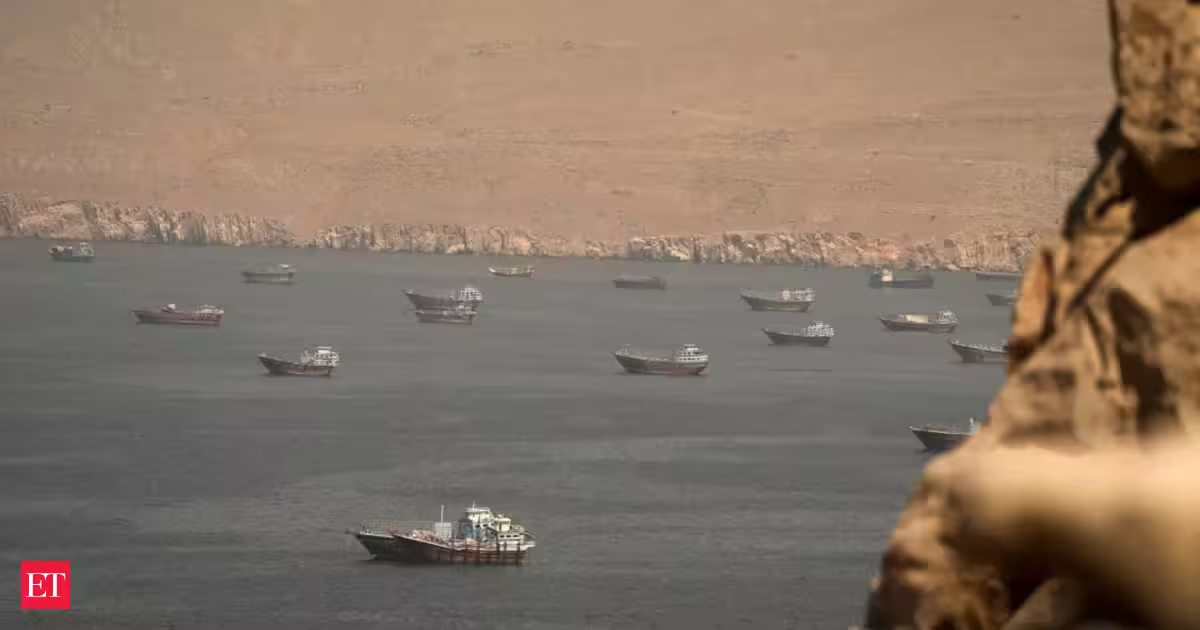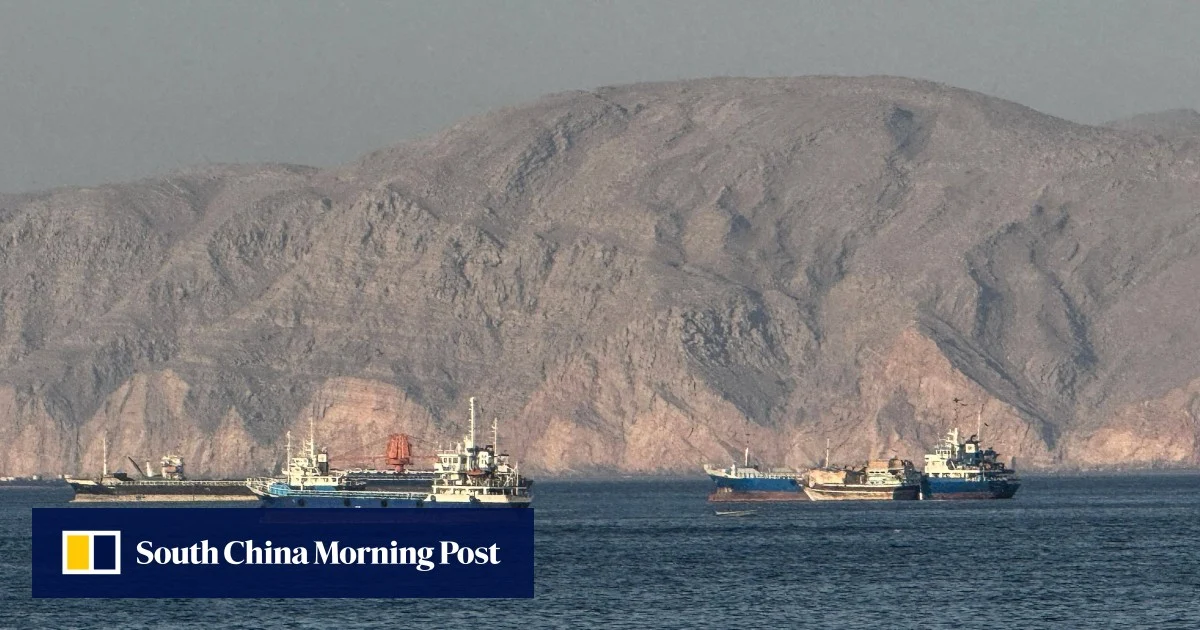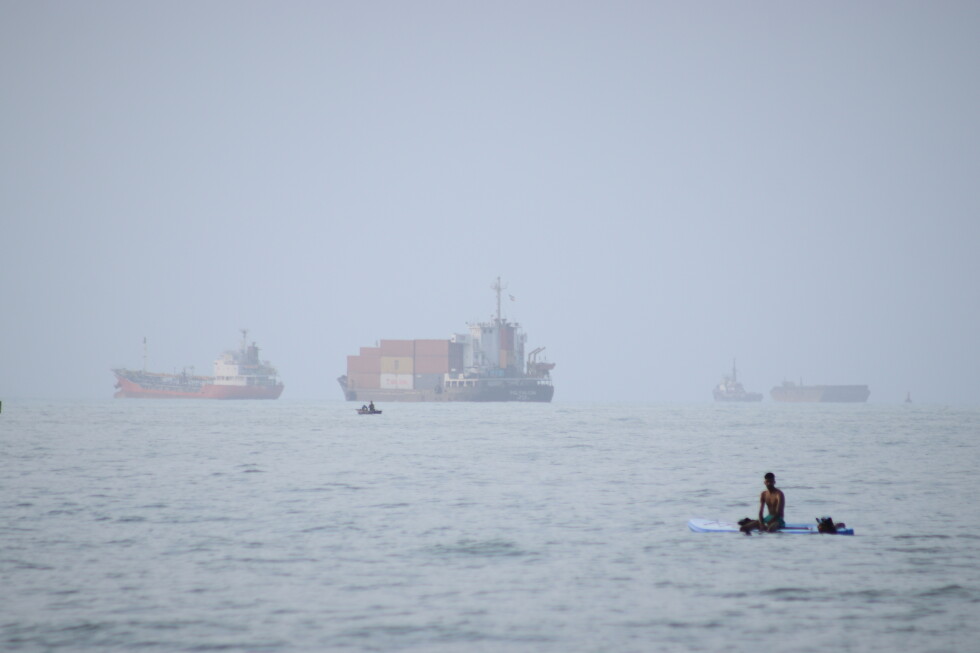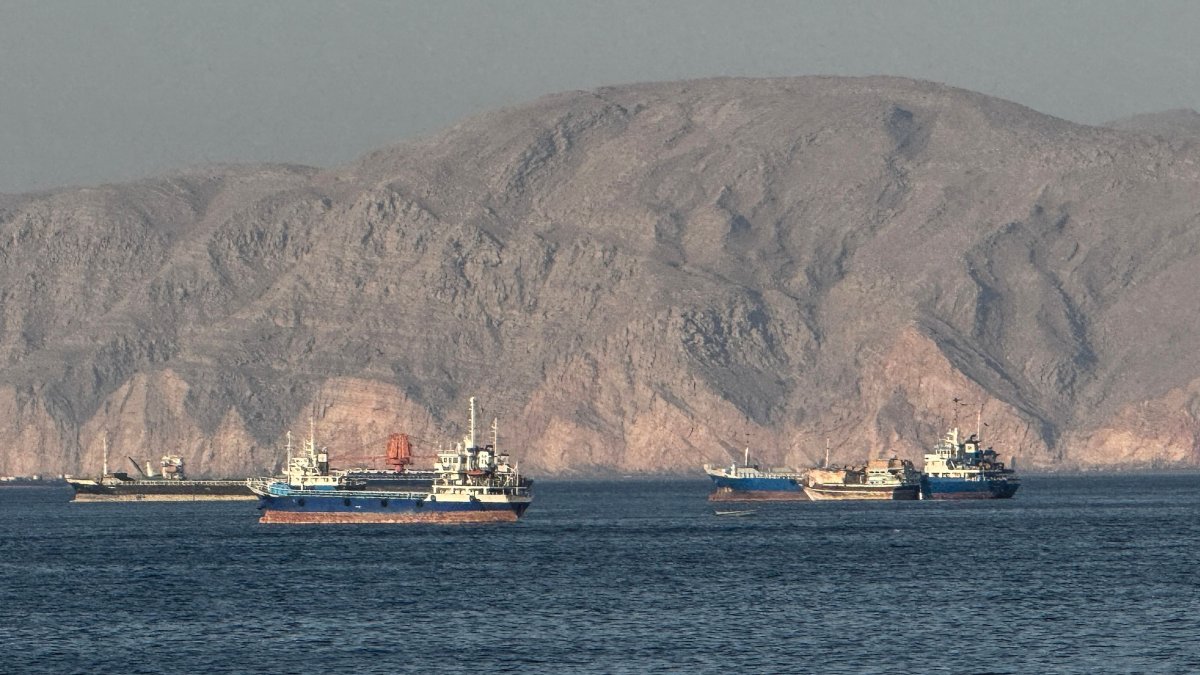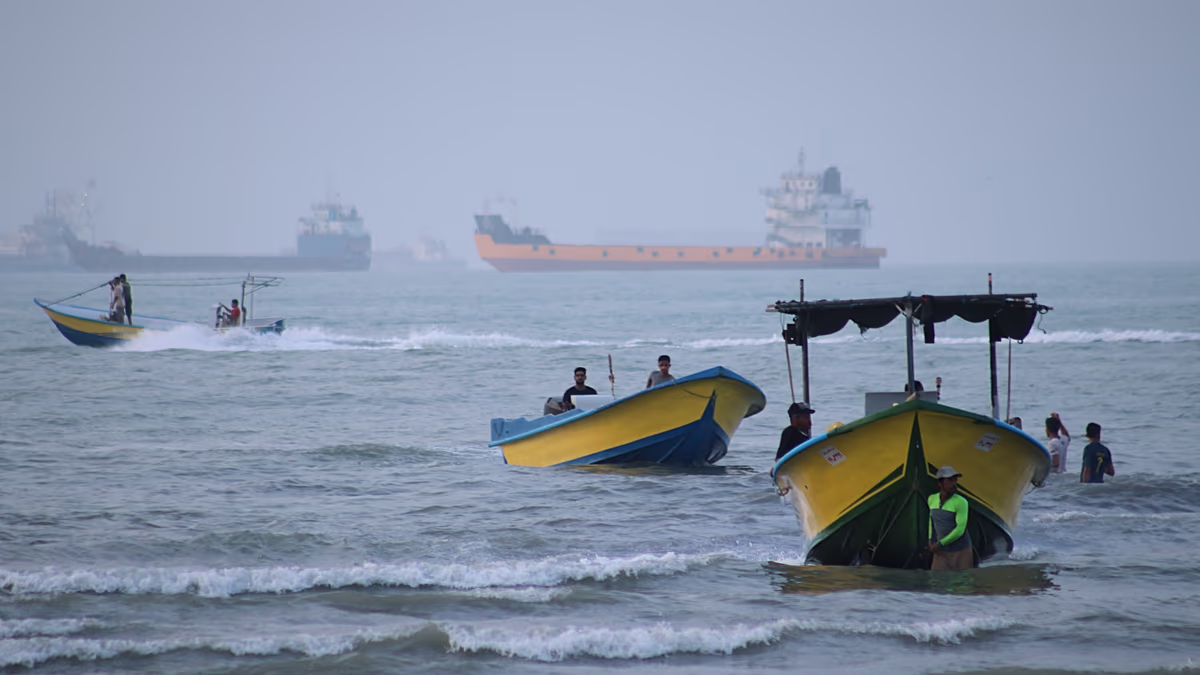
Since the US and Israel mounted their war on Iran on February 28th, the Strait of Hormuz has been blocked and hundreds of ships have been stranded in the Gulf.Recently, Iran and the Gulf state of Oman have made progress in their negotiations to reopen the strategic passageway. What is likely to change in the Strait of Hormuz?Under a potential deal, ships would enter the Gulf through an Iranian-held route and exit via a route controlled by Oman.The deal under discussion sets up a 60-day temporary arrangement between Oman and Iran in the strait. Under the draft terms of the deal, all inbound traffic of ships through the strait and into the Gulf would travel in a northern lane through Iranian waters.All outbound traffic through the strait and into the Arabian Sea would travel via a southern lane through Omani waters in co-ordination with Iran, according to Axios, a US-based news website that has provided informed updates on the talks to date.So, Iran would have control of maritime traffic through Hormuz? The emerging deal would appear to meet some of Iran’s demands for greater control over traffic in the Strait of Hormuz, which it did not have before the war.A concession has already been made regarding some form of control over Hormuz, a regional source told Reuters.Another regional source said there were still details to be determined about how “control” would be defined, with Gulf negotiators insisting regional countries supervise inspections of ships, and that any payment of fees be voluntary.What is the US response? US officials have repeatedly insisted that they would never accept any arrangement that lets Iran control access to the world’s most important trade route for energy supplies. There has been no official comment yet. Any control over the strait would be a big concession to IranWill there be fees for vessels passing through the strait?No tolls or fees would be charged during an initial 60-day period.Work on clearing naval mines from the median lane of the strait would begin soon. Once cleared, the lane would be used for inbound and outbound traffic under the terms of a permanent arrangement to be negotiated between Oman and Iran. “Service fees” for preserving the maritime environment may form part of this.How likely is it that a deal will be reached?While the US has been aiming for an announcement on Wednesday, Reuters reports that Iranian and regional sources have pushed back against assertions by US president Donald Trump that a deal reopening the strait is imminent, saying important details still had to be agreed.Why is Hormuz so important?Hormuz commands the sole sea route for oil exports from the Gulf to the open sea and has become one of the world’s chokepoints at times of trouble. About 20 per cent of global oil and liquefied natural gas passes through Hormuz.
Strait of Hormuz deal could give Iran control over ships
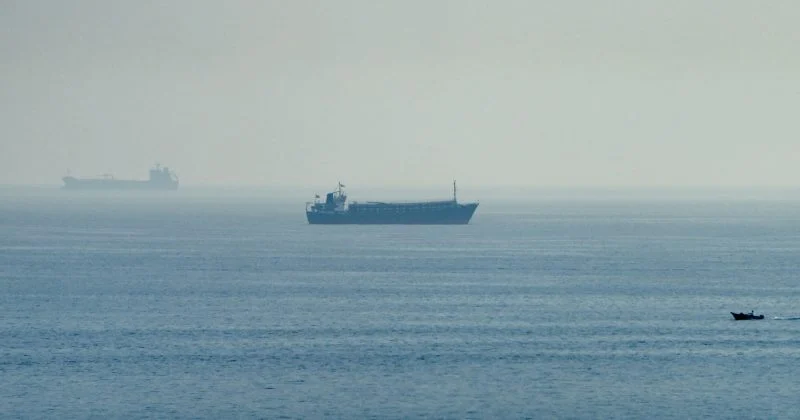
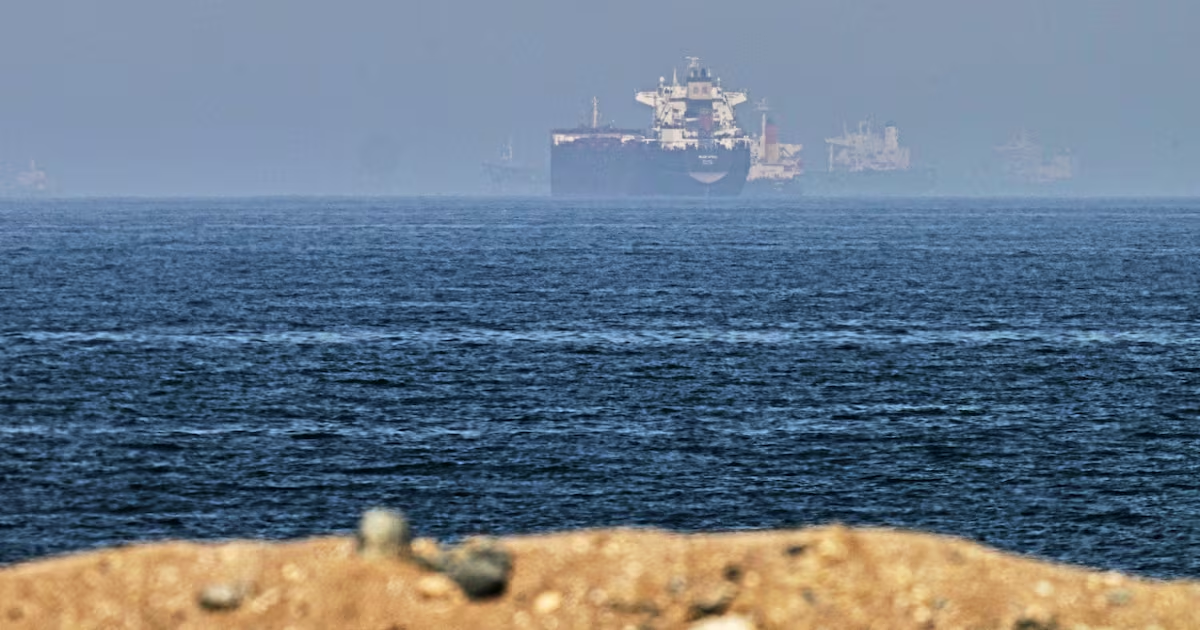
Ships would enter the Gulf through an Iranian-held route and exit via a route controlled by Oman
470 words~2 min read