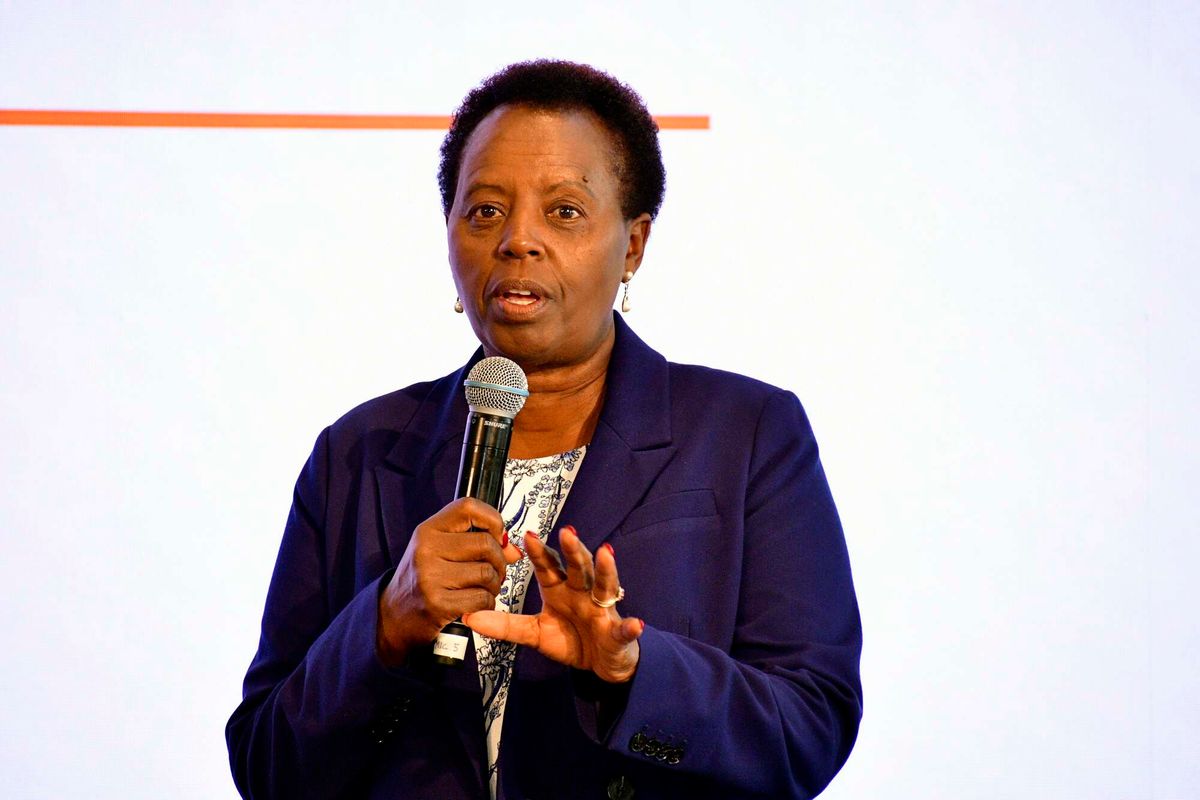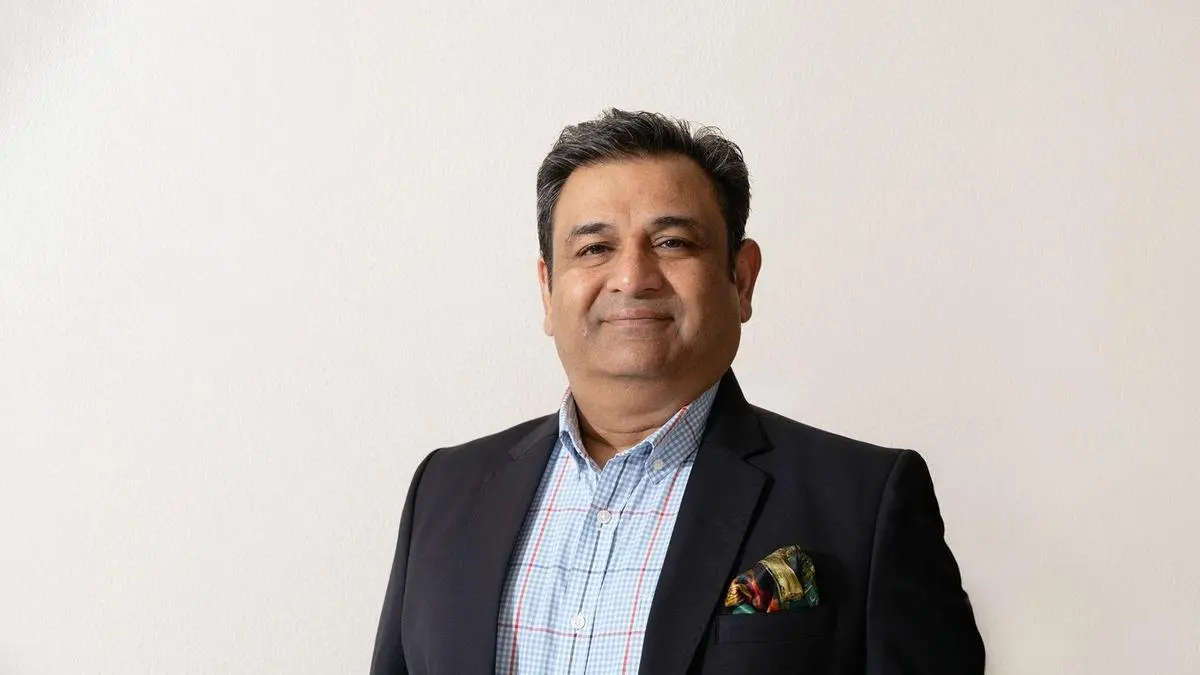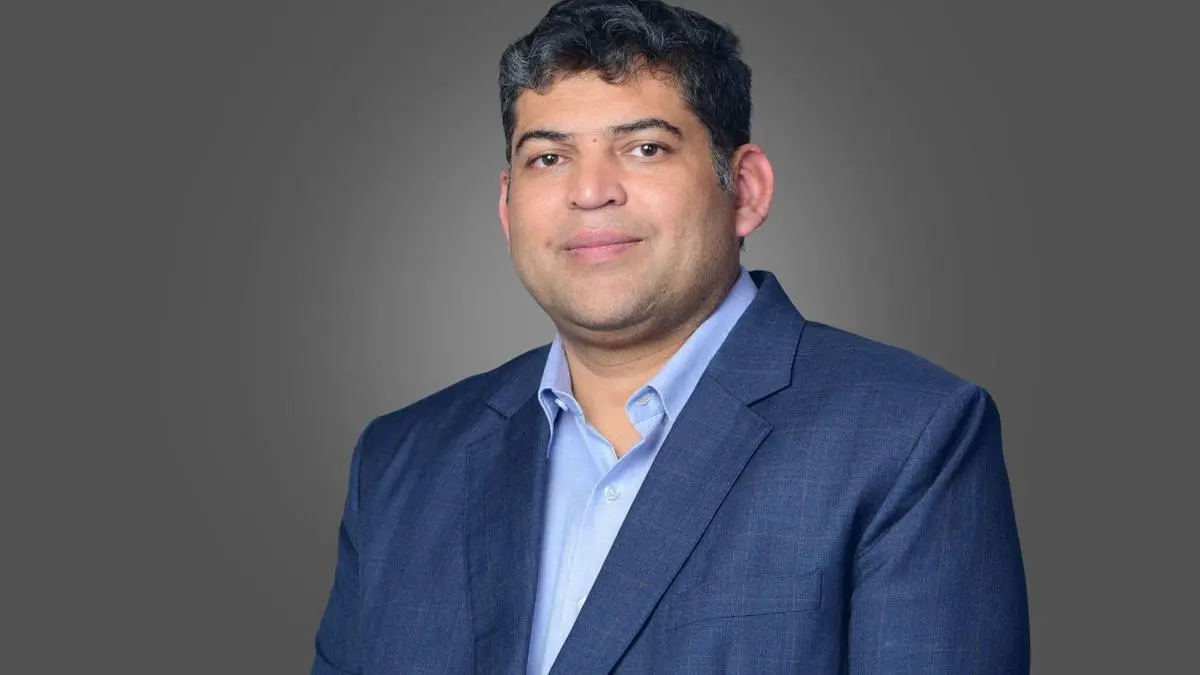
Vivek Gupta, Managing Director and CEO of United Brewerie
United Breweries Ltd (UBL) reported a mixed set of Q1FY27 results. Revenue from operations rose 10 per cent year-on-year to ₹5,919.44 crore from ₹5,380.78 crore, while net sales increased 7 per cent to ₹3,065 crore. However, profit after tax declined 9 per cent to ₹166 crore from ₹184 crore in the year-ago quarter and EBIT margin contracted 96 basis points to 8.1 per cent. Following the results, UBL shares were trading at ₹1,400, down 2.32 per cent on Wednesday.In an interaction with businessline, Vivek Gupta, Managing Director and CEO of United Breweries, spoke about pricing actions due to West Asia conflict, the impact of state policy reforms, capacity expansion plans and category growth.Any key developments during the quarter?We are excited about the continued momentum in category growth. This is the second quarter in a row where the category grew double-digit. For UBL, our sell-through volumes were up 13 per cent, and our sell-in volumes were up 9 per cent.The second highlight is that the premiumization strategy continues to work. Other than the two states where we make conscious calls, our premium business again grew 17 per cent in one of the most important quarters for the category.Last quarter, we had mentioned a significant impact of ₹400-500 crore due to the West Asia conflict. In reality, bottle and cartel prices went up; the Indian rupee went to 95. All this impacted 300 bps of gross margins, and we took significant actions in pricing, mix, and cost initiatives to mitigate half of the impact. However, the impact will continue. We are already seeing it in the current quarter since the war has not ended yet. The prices have not come down, and the rupee is still hovering around 95. We just hope this doesn’t escalate.We have taken pricing actions in almost 22 states, many of whom have been understanding. We still need to take actions in the core states of Telangana, Andhra and Tamil Nadu. We have been in touch with the governments and have given representation that, for the viability of the industry, the right pricing is extremely important.We continue to become disciplined on our cash and cost. This quarter, we reduced our inventories by 20 per cent. Our free operating cash flow increased by 38 per cent. We are doing what is in our control to manage the impact, which will continue into the coming quarters as well.Has the recent policy change in Karnataka started translating into any business tailwinds?This is the third month of the policy change and we are seeing a positive category momentum. This is not only in Karnataka, but even behind the privatisation of retail in Jharkhand. We continue to see category growth in Maharashtra as well. These stories show that when the policy intervention is right, there could be explosive growth in the category and revenue for the states.With premium volumes now contributing meaningfully to margins, how do you see the premium-to-mass mix evolving? Do you expect premium to overtake the mass segment?I don’t see the premium overtaking the mass segment, despite the category growth rate being ahead of mass. India is a diverse country. We need to ensure that beer is affordable in the economy and mainstream categories. If we expect the whole category to grow in high single-digit to double-digit, the premium category will grow at more than 20 per cent. Economy and mainstream would grow at low single digits. That mix will continue. However, premium is only 20 per cent of the category and we don’t see that materially changing.Are there any greenfield or brownfield projects planned?We announced the construction of a new brewery in UP, which will be ready by next year. Last week, we produced our first can in Telangana. The new can line, which is a brownfield project in Maharashtra, will be completed by the end of this quarter. We are also working on a new brewery in West Bengal by early next year, which will have local can production as well.How much of the quarter’s growth was driven by volume versus pricing? What is your outlook for the rest of FY27?Most of the growth is volume-driven. Sell-through is 13 per cent. Net sales are lower because most of the pricing actions are not yet in the market. It came on the front end of the quarter. So it’s mostly volume-led growth versus pricing-led growth. The category momentum will continue in the coming quarters because some of it is behind structural reforms.Published on August 5, 2026