Once upon a time, telephones were primarily point-to-point communications systems. There were options for three-way and conference calls out there, but by and large the plain old telephone system was about connecting one handset to another for a direct conversation. For this reason, the telephone was seldom used for mass emergency communications, because it was simply not fit for broadcasting a message to a wide number of people.
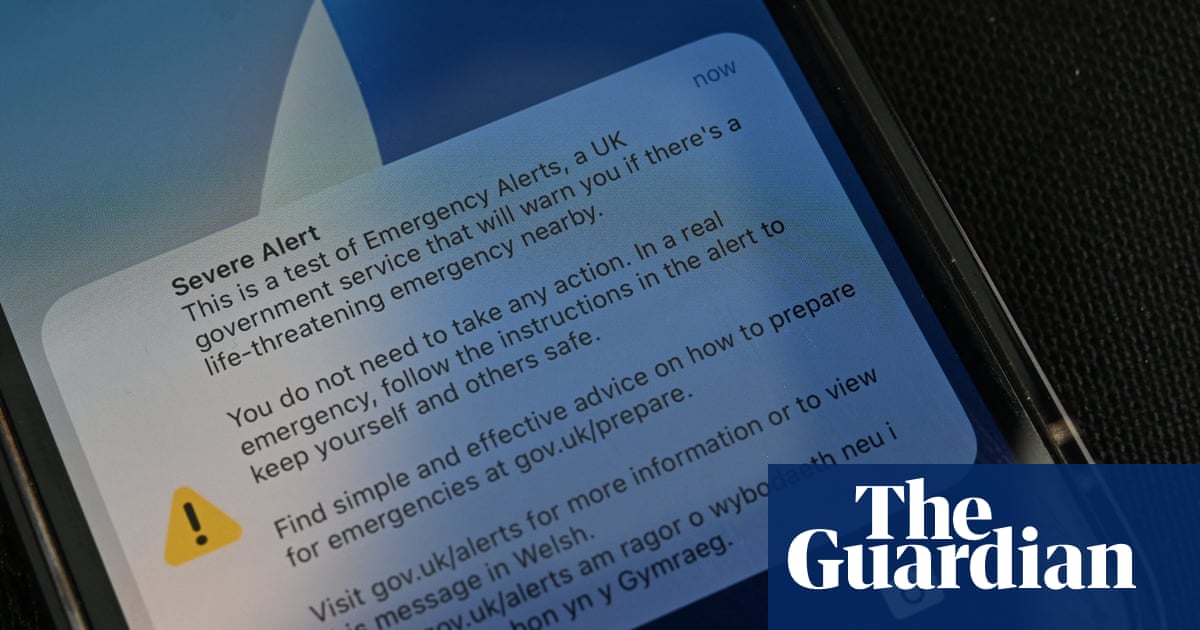
However, technology has since changed. Our modern phones are all connected to a big digital over-the-air network, and large swathes of them can be addressed all at once if so needed. This has led to the development of emergency warning systems that use the cellular network, with Cell Broadcast being the most notable iteration.
Notification
Cell Broadcast technology has been a part of mobile network infrastructure for some decades now, having been included in various forms in 2G, 3G, 4G, and 5G mobile standards. The system was first demonstrated in 1997 in Paris, with the concept being straightforward enough—a way for cell networks and authorities to send rapid notifications in a one-to-many broadcast. The technology is sometimes referred to as Short Message Service-Cell Broadcast (SMS-CB), differentiating it from the more familiar Short Message Service-Point to Point (SMS-PP) that individual subscribers use. A Cell Broadcast message can be fired off to select cells of a cellular network, with the notification in turn popping up on the handsets of all subscribers connected to that cell. This allows for easy geofencing of emergency alerts and information, such that only individuals in the relevant area receive the Cell Broadcast message.