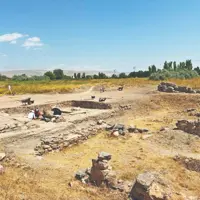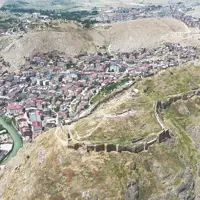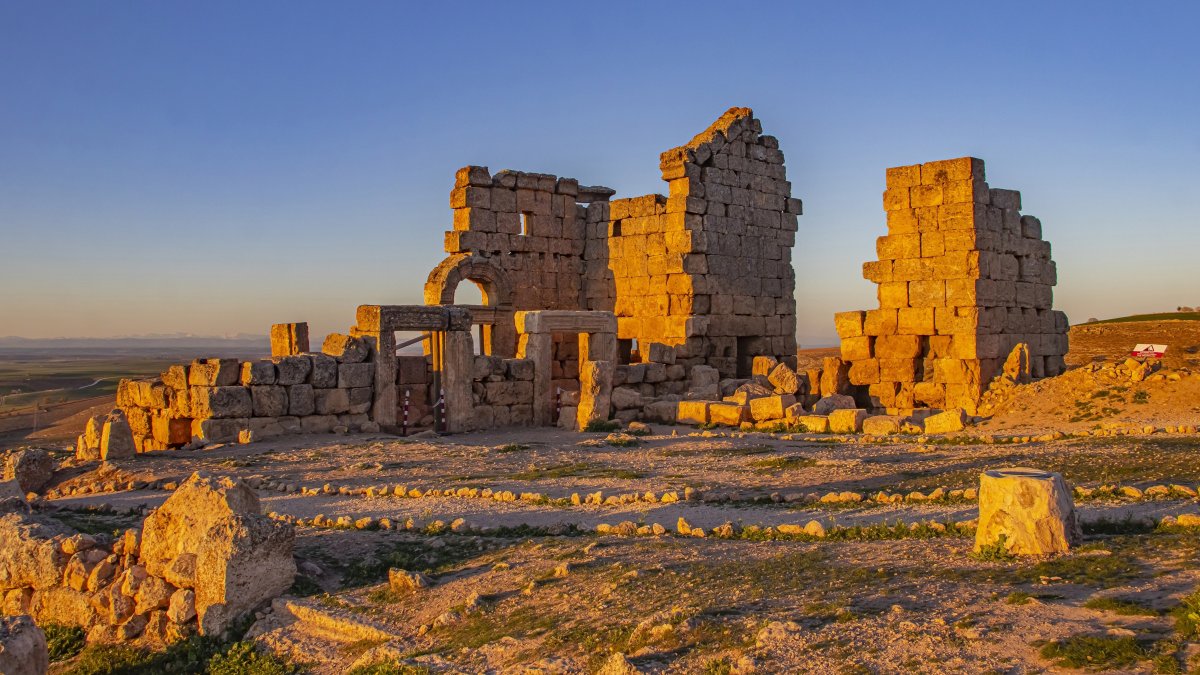
Archaeological excavations at Kef Castle, a 2,300-meter-high (7,546-foot) Urartian stronghold overlooking Lake Van in eastern Türkiye, are uncovering architectural remains and artifacts that are providing fresh insights into the region's ancient past and suggesting the site served not only military and administrative purposes but also religious ceremonies.
The castle, located in Bitlis' Adilcevaz district on the slopes of Mount Süphan, was commissioned by Urartian King Rusa II on a strategic hill overlooking Adilcevaz, the Malazgirt Plain and Lake Van. Excavations are being carried out with the permission and support of the Culture and Tourism Ministry.
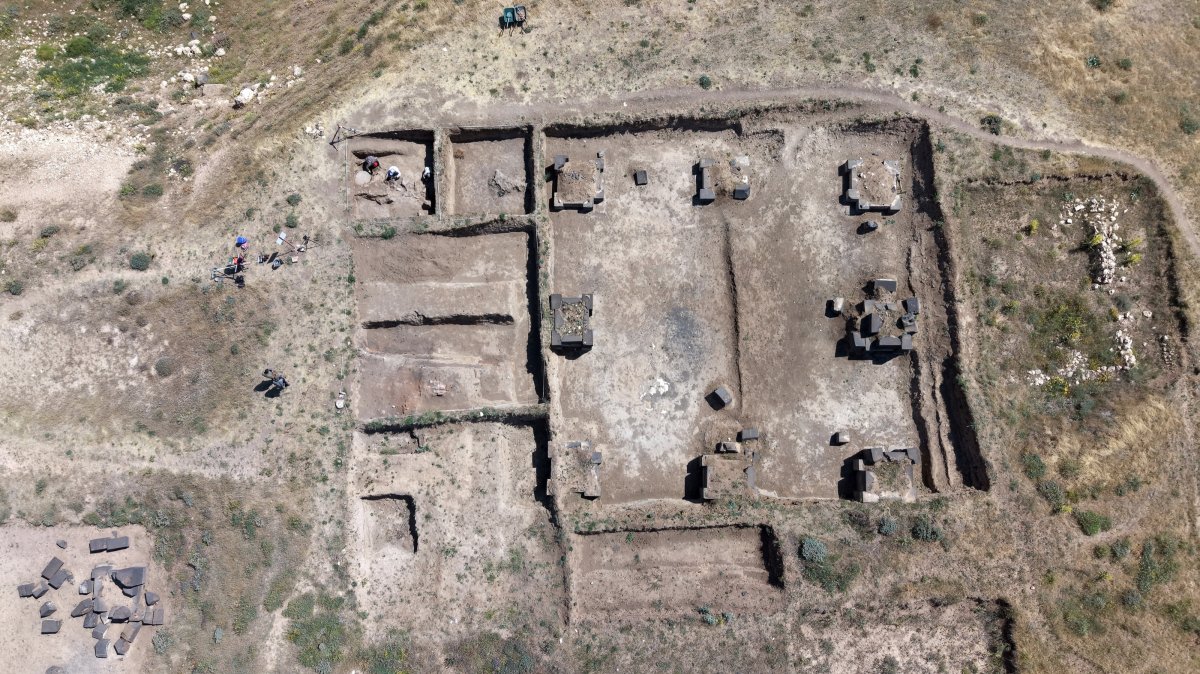
Led by İsmail Coşkun of Van Yüzüncü Yıl University's Department of Archaeology, the excavation team is working to uncover the architectural layout of the fortress, much of which was destroyed by a powerful earthquake followed by a fire.
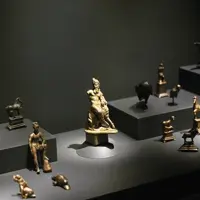
This season, archaeologists have focused on an upper hall where eight massive stone column bases were uncovered last year, along with adjoining rooms believed to have functioned as a storage area and a kitchen. Excavations have revealed architectural remains, pottery fragments, beads, ash layers and other artifacts.