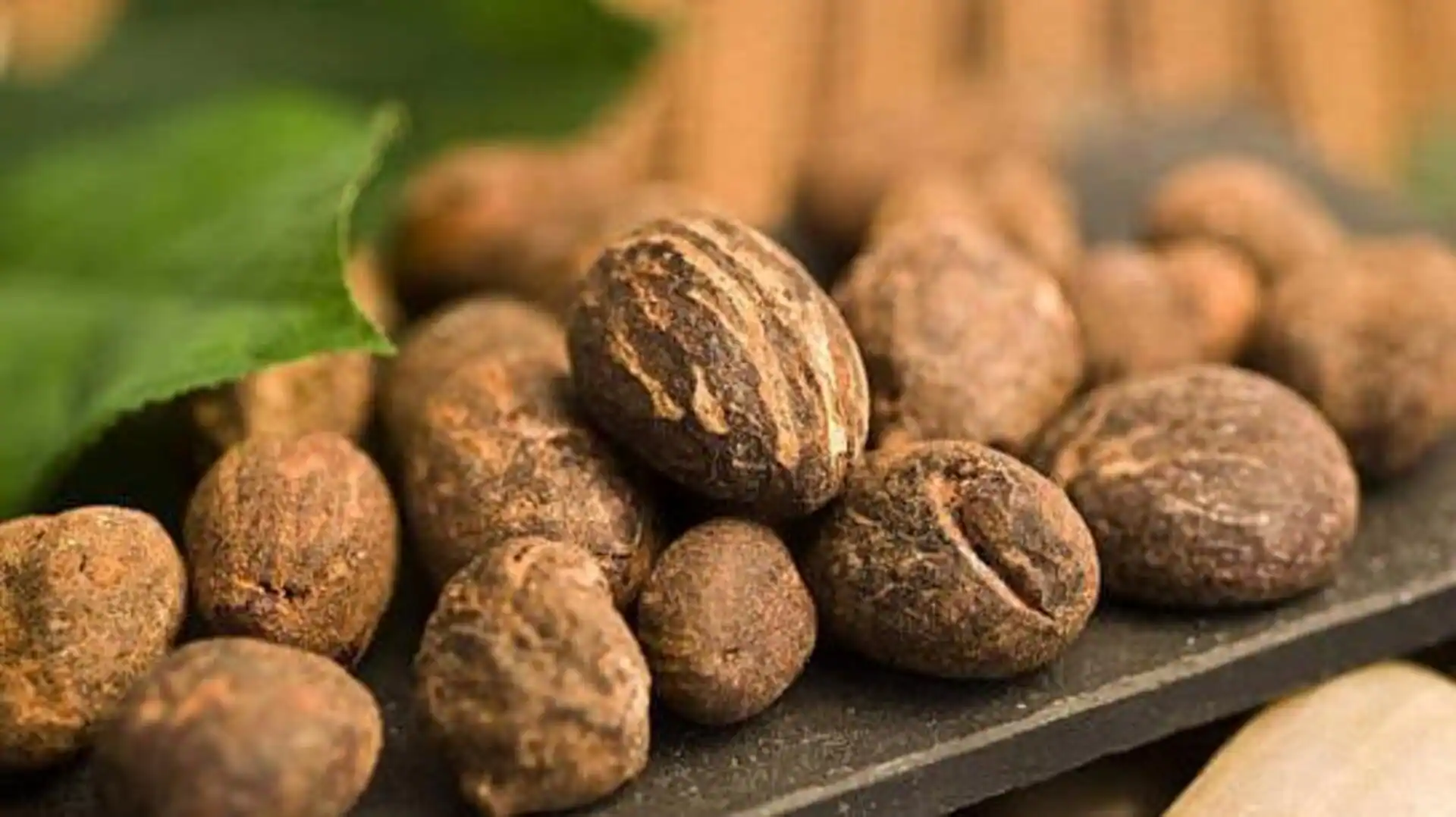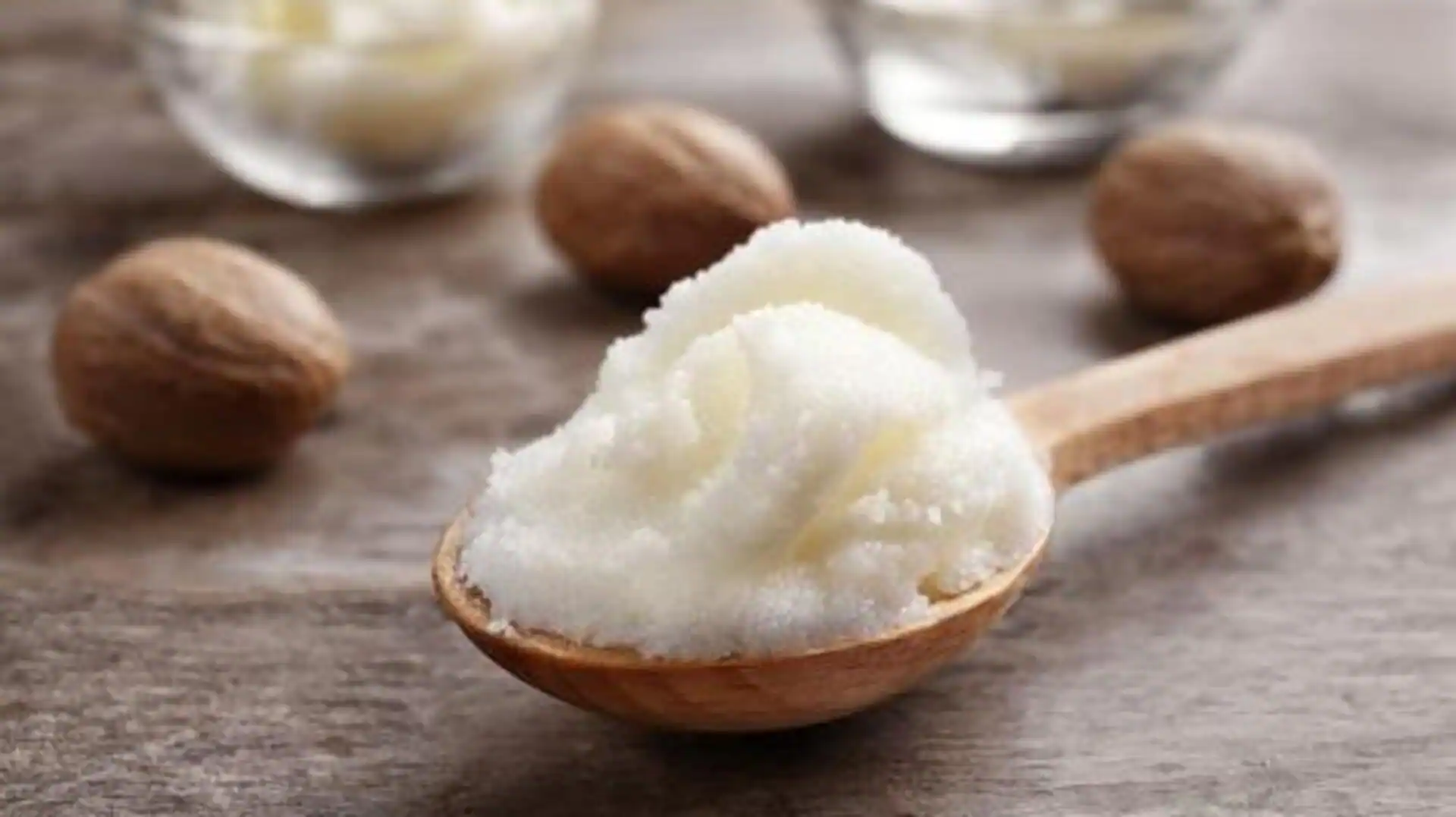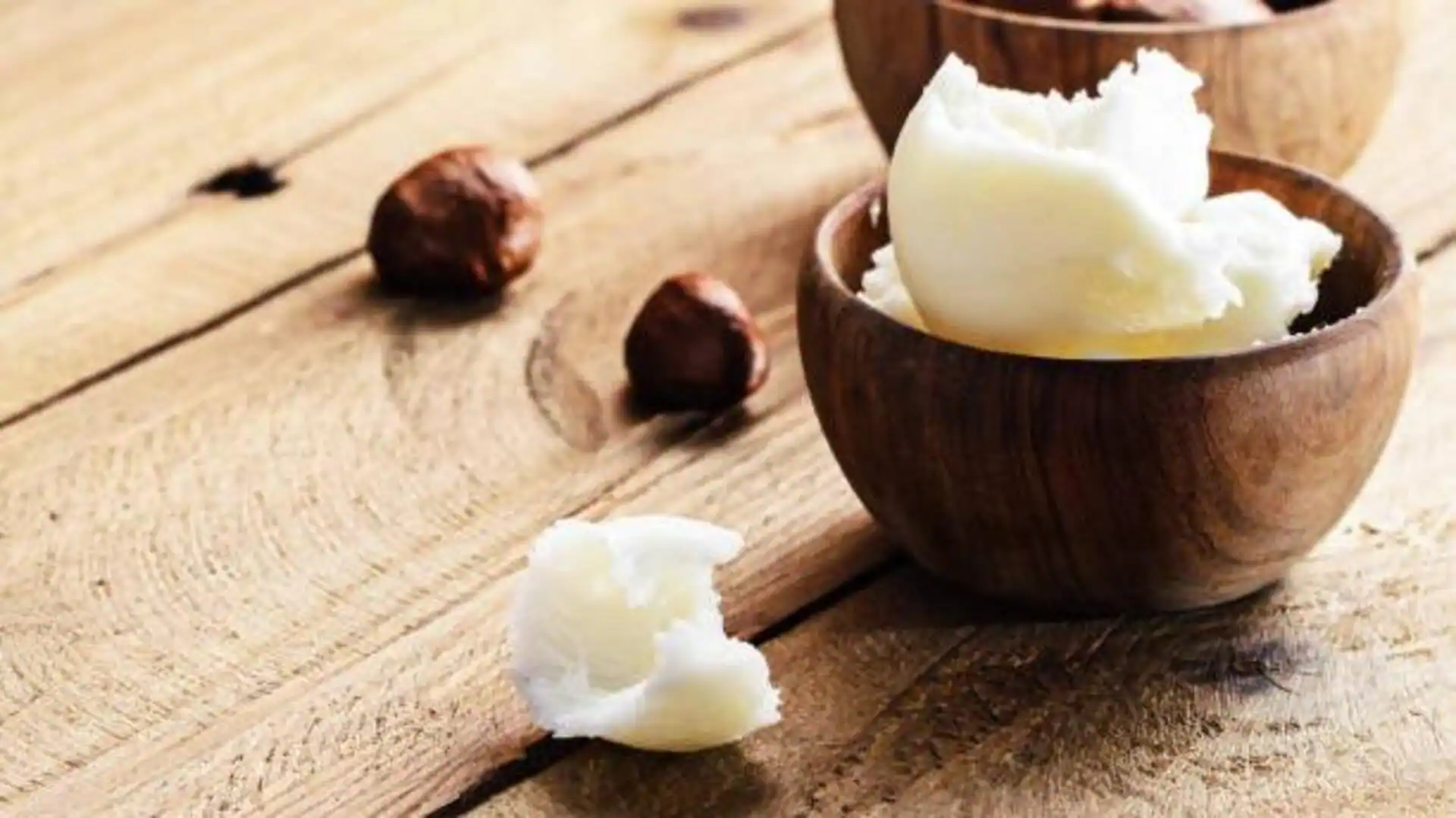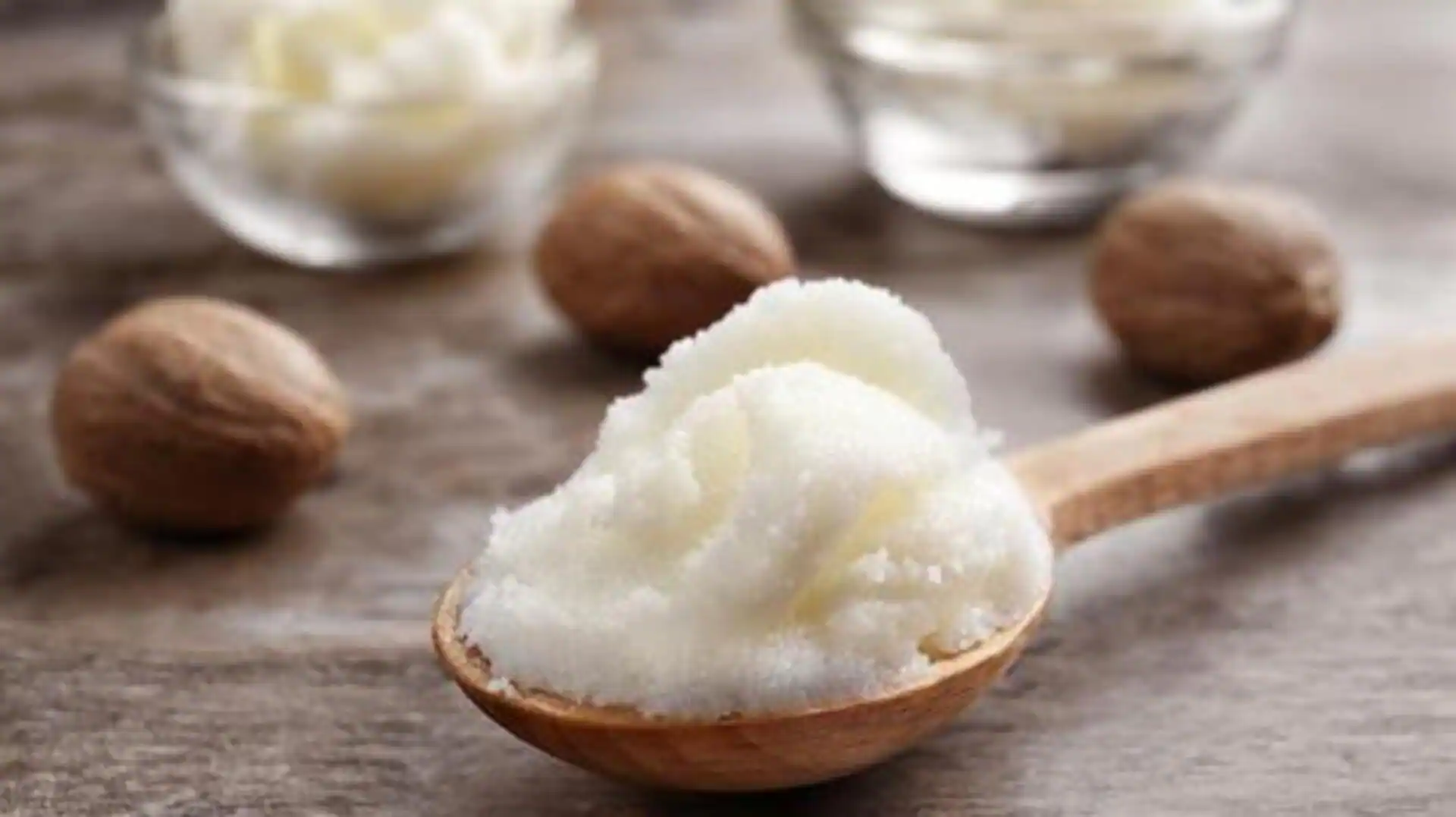
Made from the nuts of the shea tree, shea butter is found in stores around the world, in everything from chocolate and candy to lip balms and hair conditioners.
But across West Africa, shea butter is a household staple. The fat has long been used in cooking and as a moisturizer thanks to its emollient and anti-inflammatory properties.
Africa is the only place in the world where shea trees naturally grow, and according to the Global Shea Alliance, a nonprofit organization representing members of the industry, approximately 800,000 tons of shea nuts are collected across the continent each year.
So, when Valerie Obaze gave birth to her first child in Nigeria — which produces nearly 40% of the world’s annual shea crop — and went to the local shops to buy a moisturizer for her baby, she expected to find an African-made product.
“I know that we come from the continent of natural products like cocoa butter and shea, and I couldn’t see any (African) brand on the shelf offering that in a refined way,” said Obaze. “All I could see were imported brands, and nothing was purely natural.”