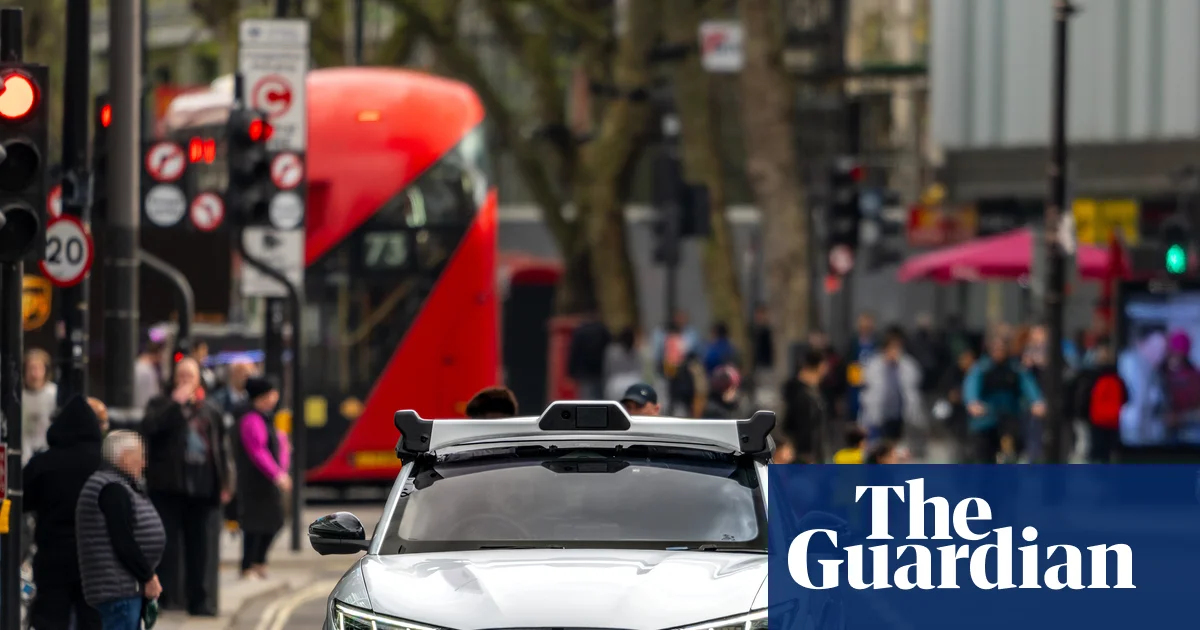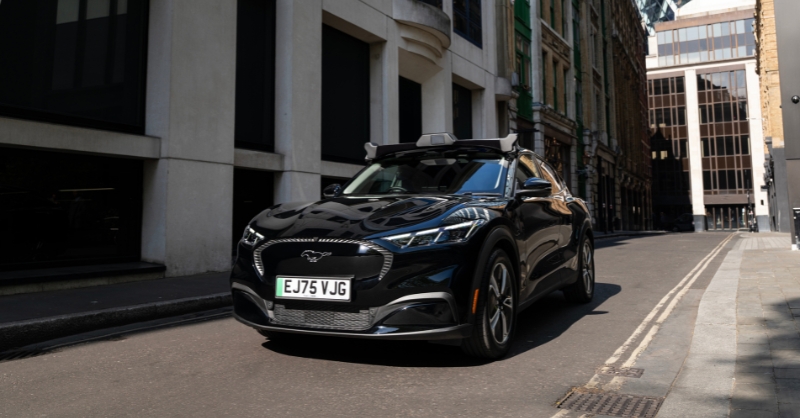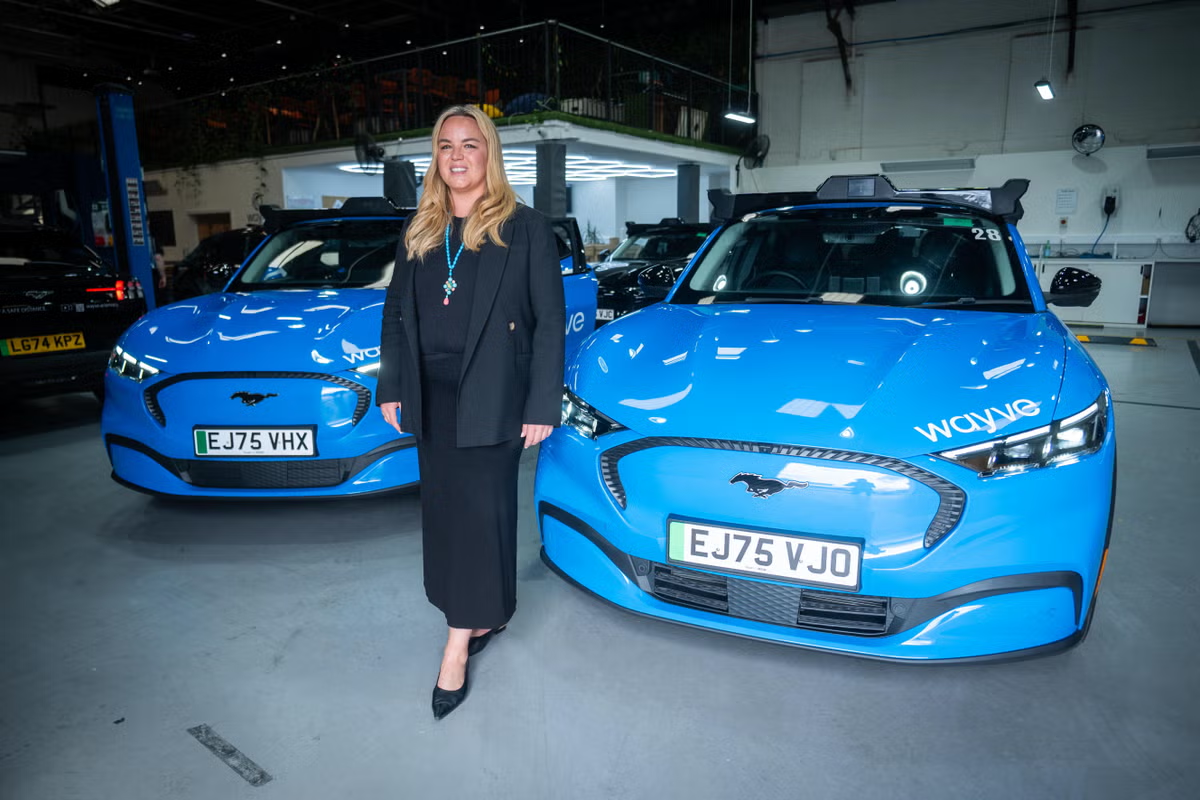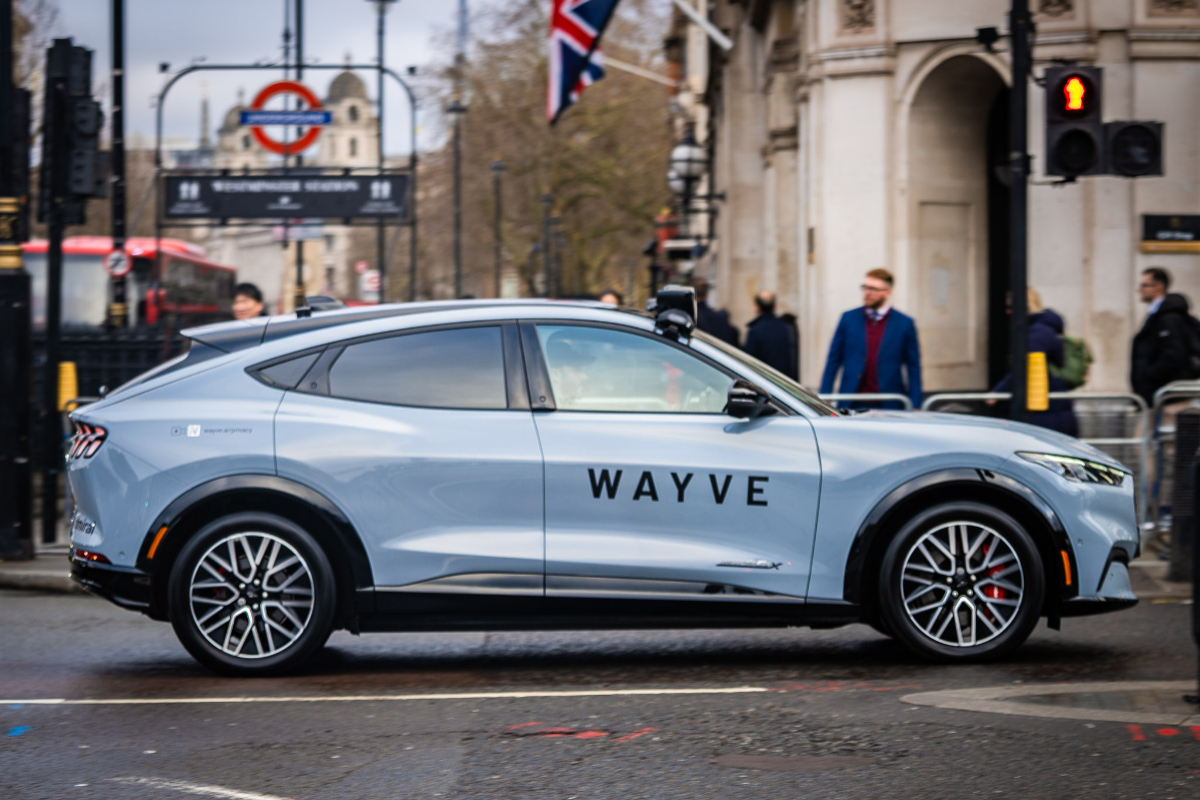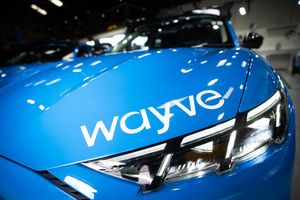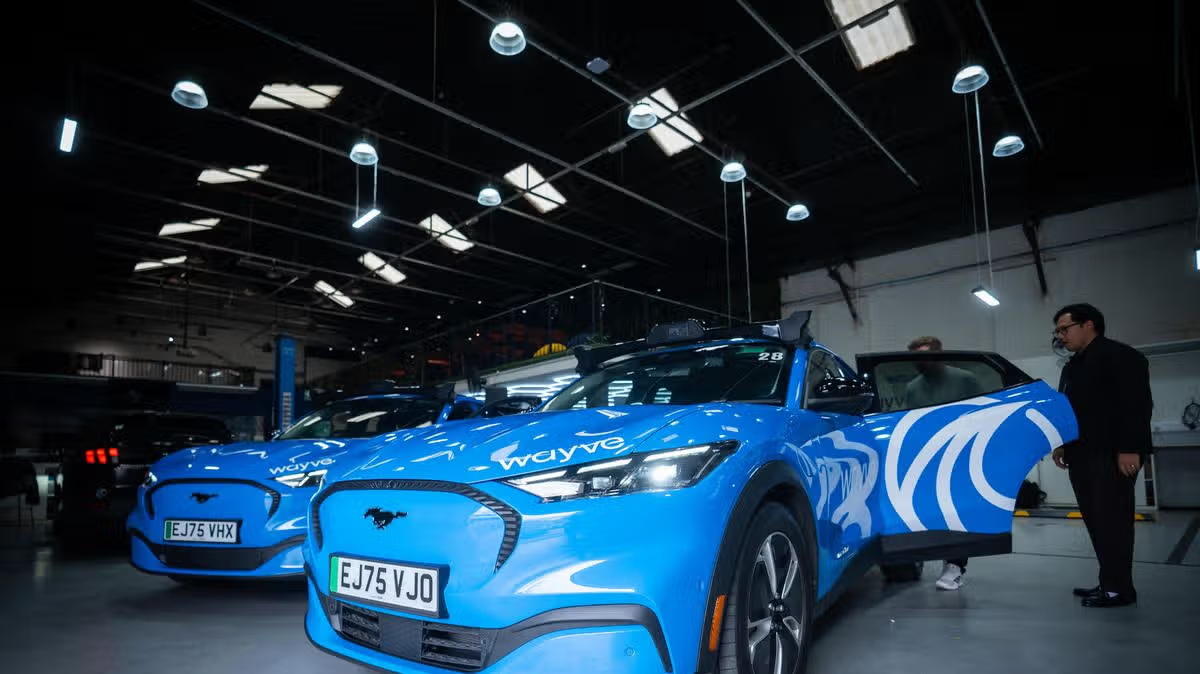
Wayve said its vehicles “are designed to operate autonomously, and will do the driving,” though under TfL’s rules, a licensed PHV driver must be present and responsible for the vehicle at all times.
“Safety is our top priority,“ a TfL spokesperson said. “Any new vehicle licensed to carry passengers on London’s roads must align with our Vision Zero goal of eliminating all deaths and serious injuries from collisions on London’s streets by 2041.”
Successive U.K. governments have sought to make the country a European pioneer in self-driving technology.
The Department for Transport opened a permitting scheme for companies to operate commercial robotaxi services without a human driver in May. Applications for that scheme — which is separate from TfL’s PHV regime — continue to be assessed by central government with input from local transport authorities including TfL.
Getting licenses isn't the only obstacle facing robotaxi services. A survey by the London Assembly’s Transport Committee this month identified widespread opposition to autonomous passenger vehicles among the capital’s inhabitants, with just 29 percent of Londoners saying they support the roll out.