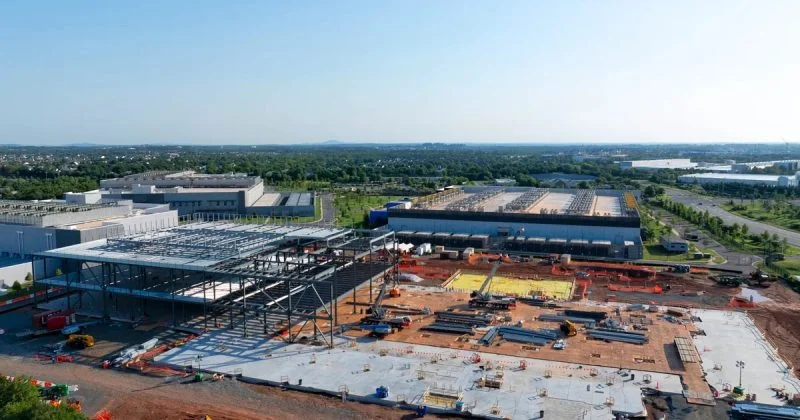
America is entering a new infrastructure race. In the 19th century, railroads determined which cities prospered. In the 20th century, airports and interstate highways reshaped the economic map of the country. Now, in the age of artificial intelligence, the defining infrastructure of the 21st century is digital. Data centers are critical to this transformation.
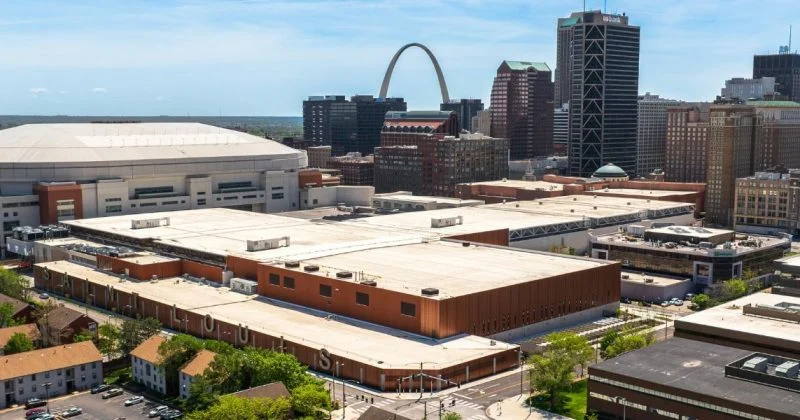
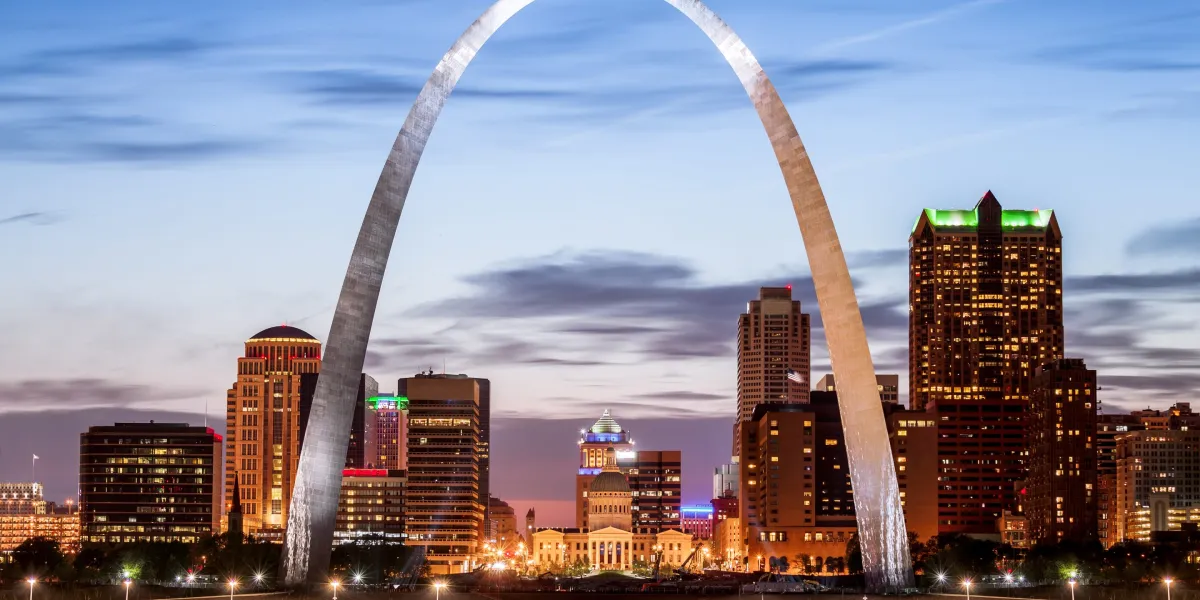
Across the country, communities are deciding whether to compete for the industries powering the future economy. While some cities such as Minneapolis and states like New York are pumping the brakes to allow time for officials to develop regulations and processes for managing fast-moving projects, the St. Louis region has decided to compete now.
We are not approaching this era recklessly or without accountability, but with a clear understanding that the future economy will require enormous computing capacity and that regions unwilling to embrace digital infrastructure are likely to fall behind.
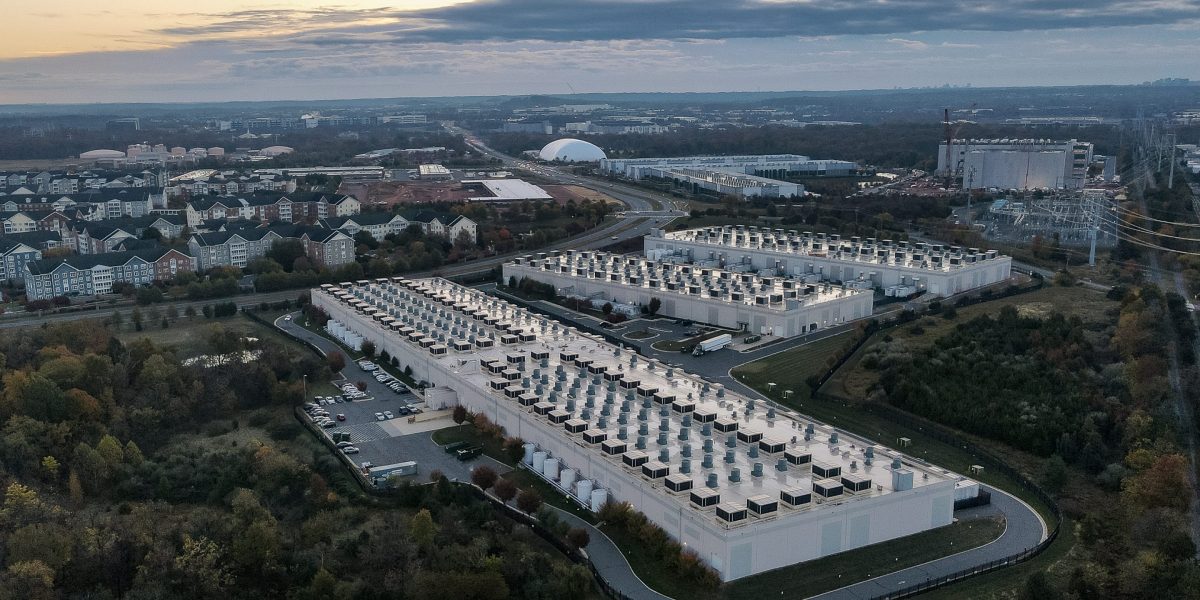
Data center facilities are no longer simply warehouses full of servers. They are the operational backbone of artificial intelligence systems, research institutions, cybersecurity networks, healthcare platforms, defense technology, logistics systems, and advanced manufacturing.