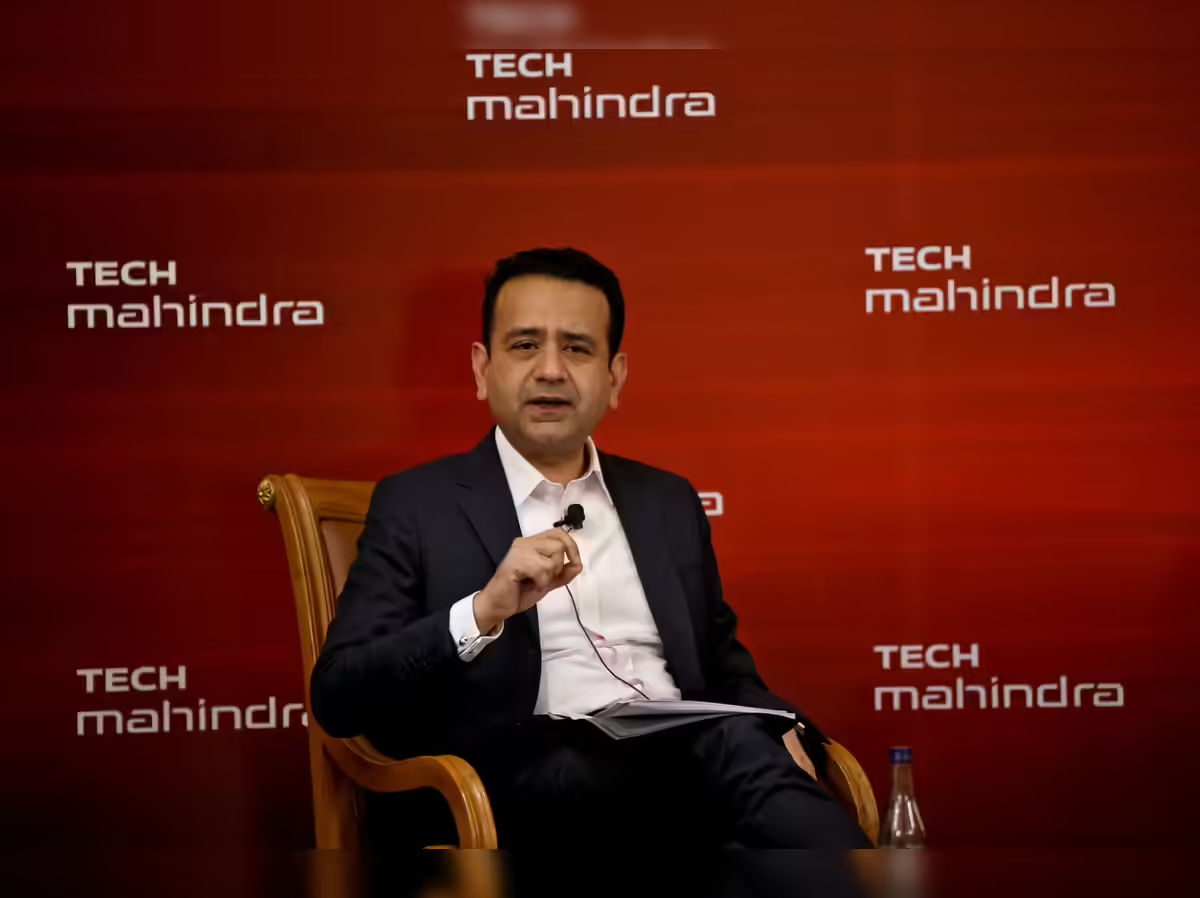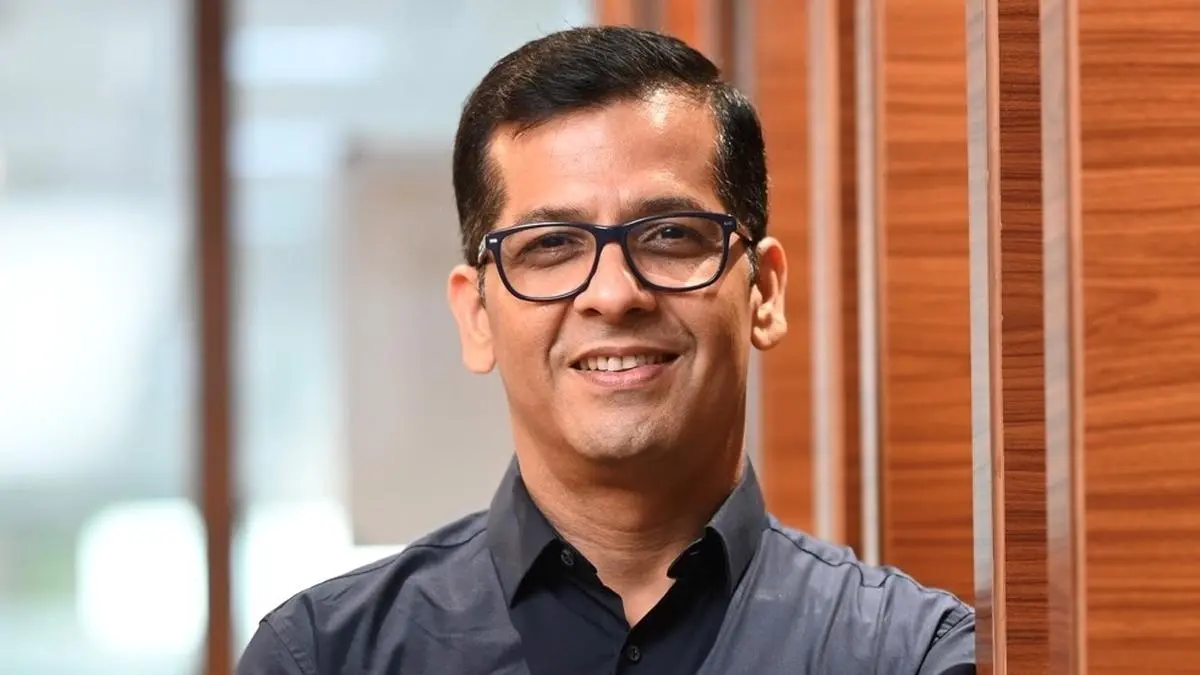
IT-services clients remain vary in their transition from building AI pilots to seeing their actual adoption, discouraged by the macroeconomic pressures and legacy tech debt in earlier years. As it leads customers to question the assurance of AI models, Atul Soneja, Chief Operating Officer, Tech Mahindra, talks about how the company’s research and development (R&D) wing is working on reducing tech debt for its clients, the company’s approach to solve for token costs, and its resolve to remain price-competitive within reason.
You mentioned the reduction of debt for a particular healthcare client during your earnings call. Is that a one-off or is it a trend across the client portfolio?For this client, there was a 30-35 per cent reduction in tech debt, but from a broader industry perspective, customers expect the technology to provide a 30-35 per cent improvement in productivity over a three to five-year period. That is the basic expectation which is proven as part of our R&D where we evaluate different models across different lifecycle stages of our projects.If a client goes for a typical agentic model, there can be a 10-15 per cent improvement. In testing, it could be significantly higher. It depends on the nature of engagement. More mature clients have the confidence to say “how” rather than just “what”.