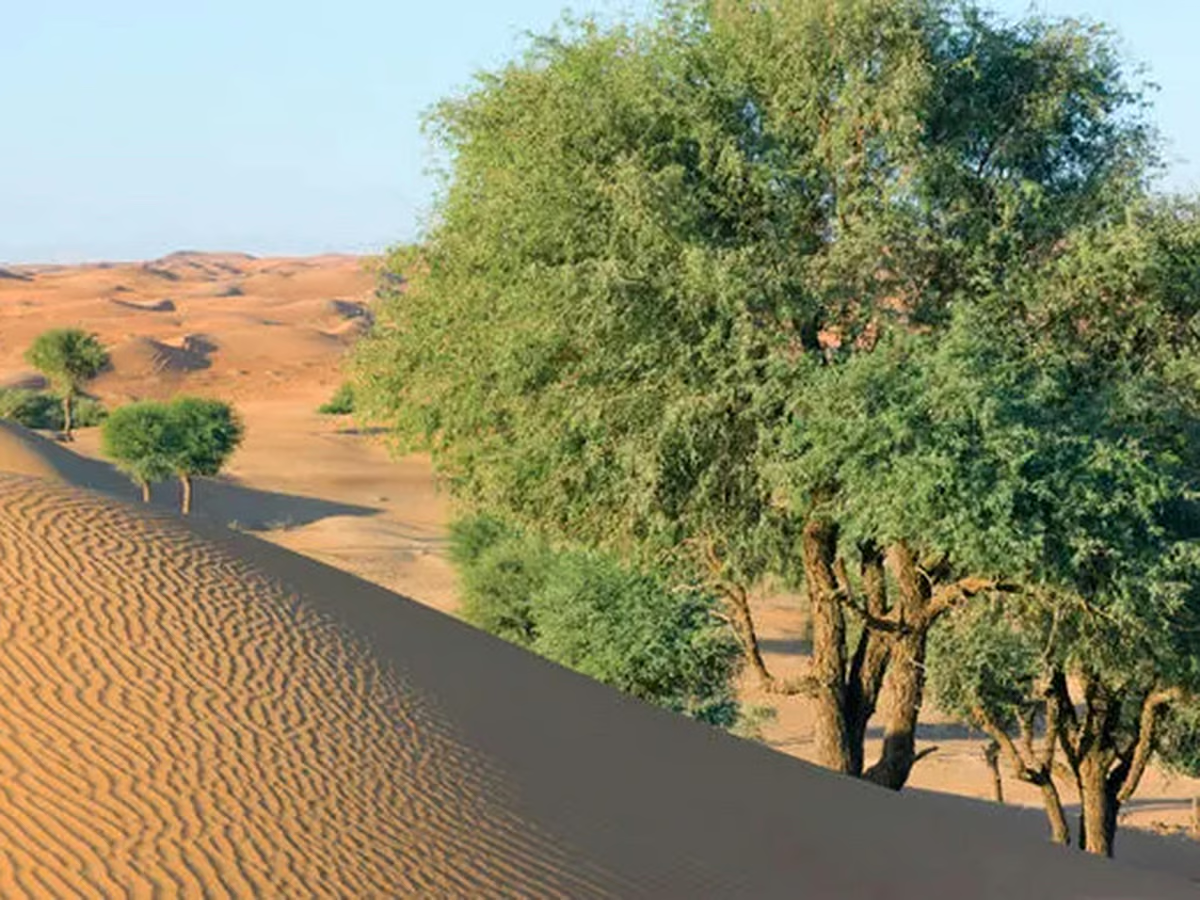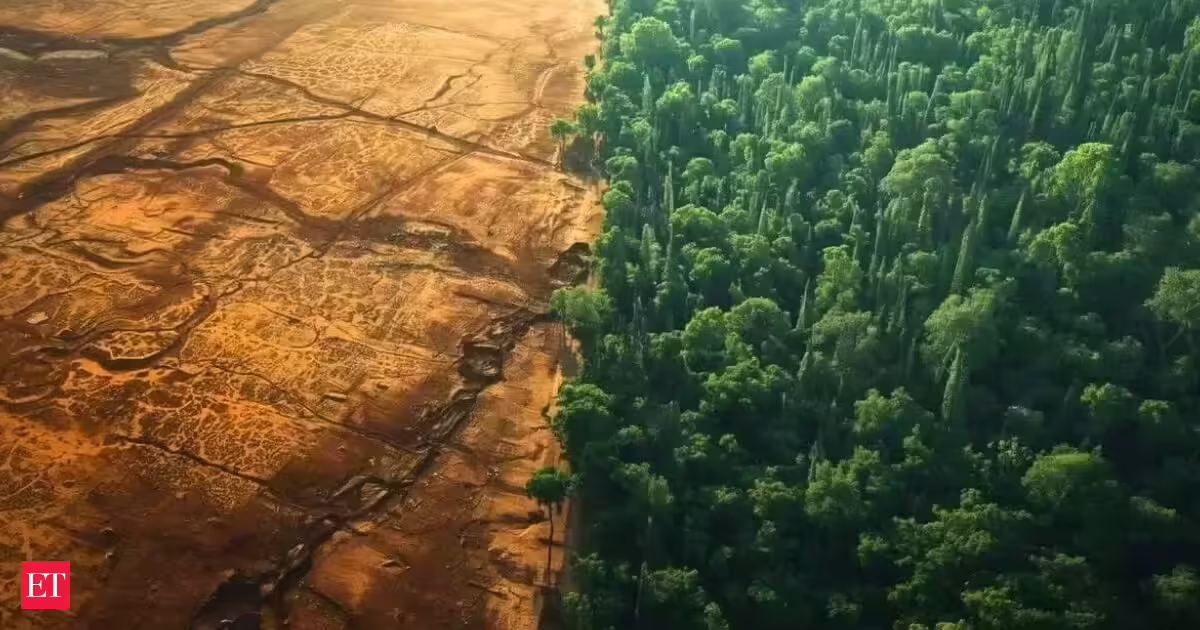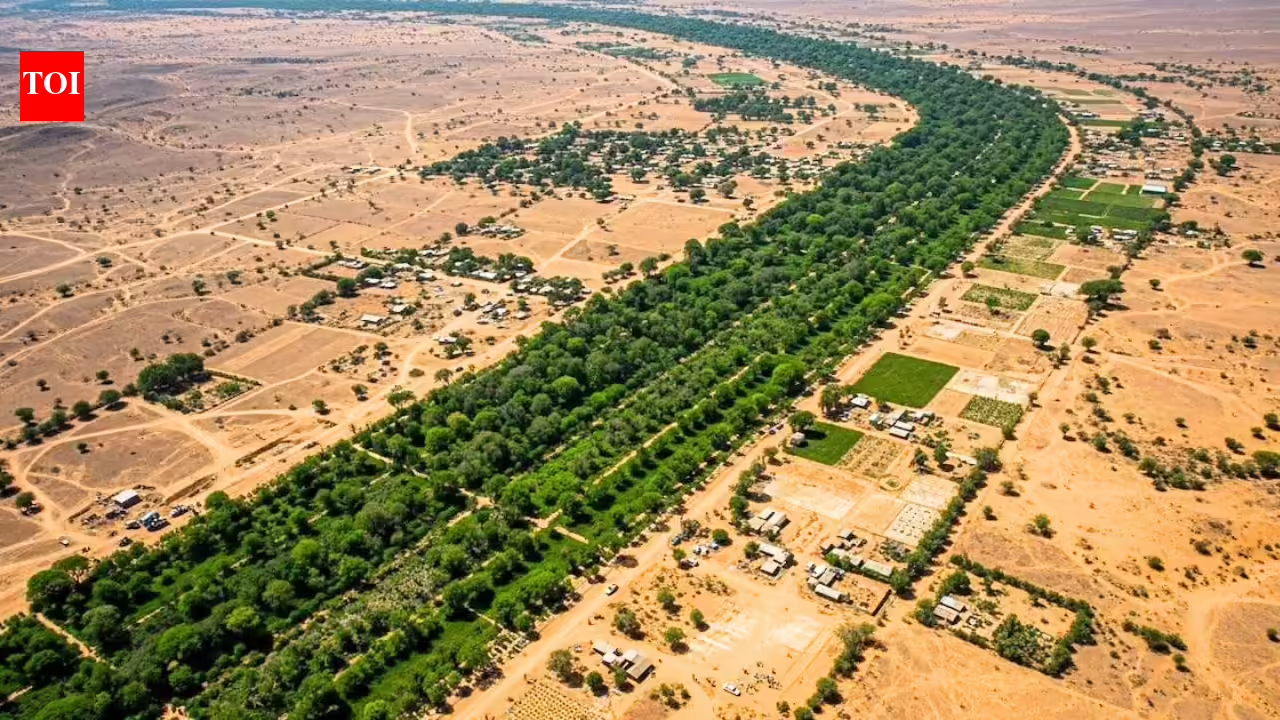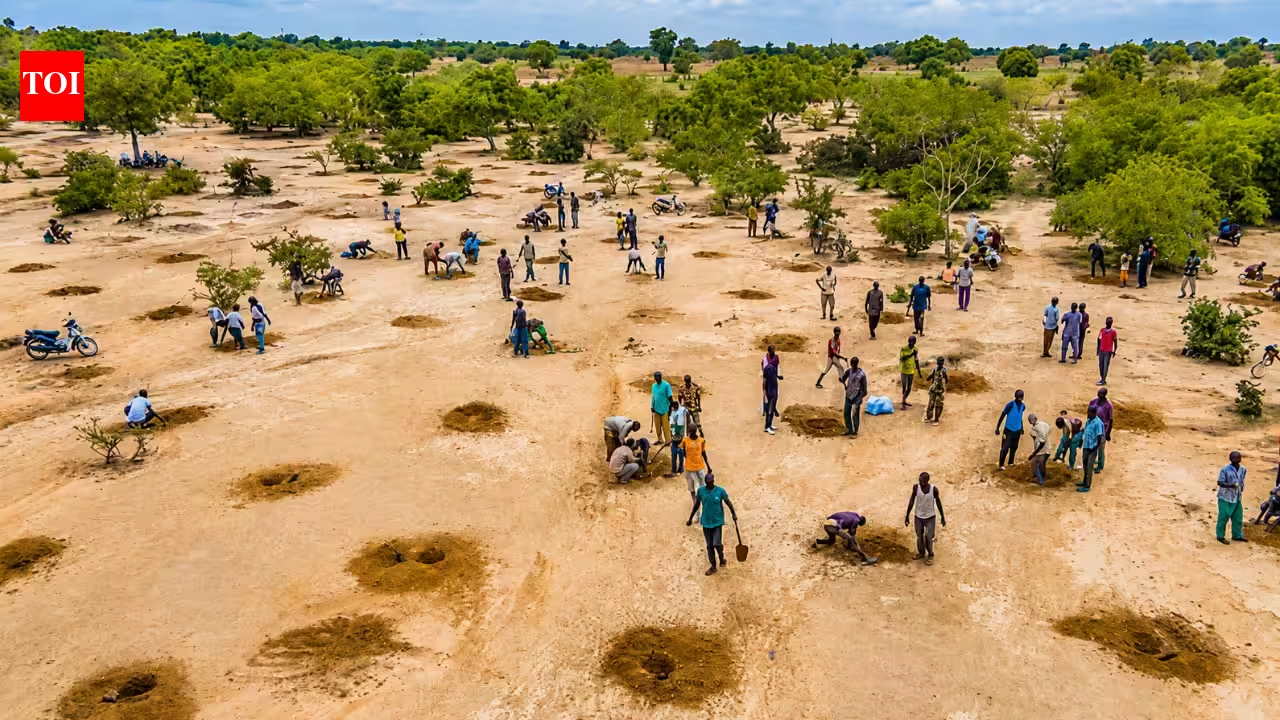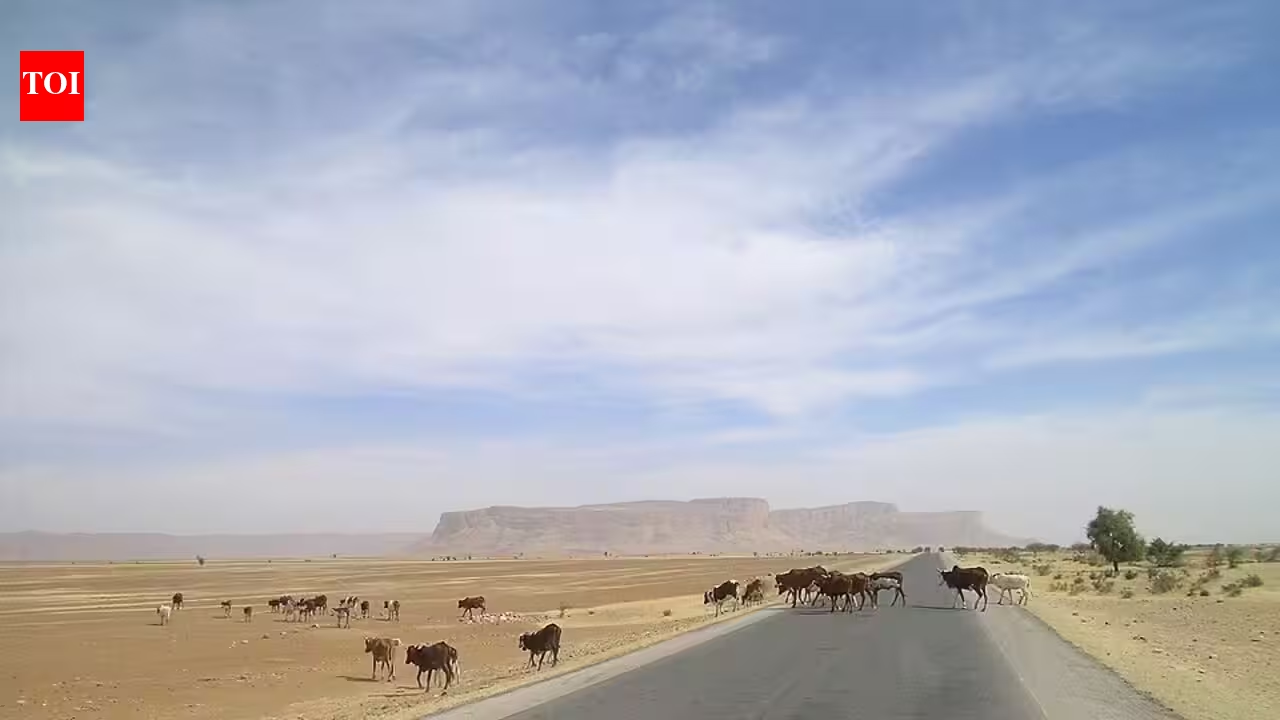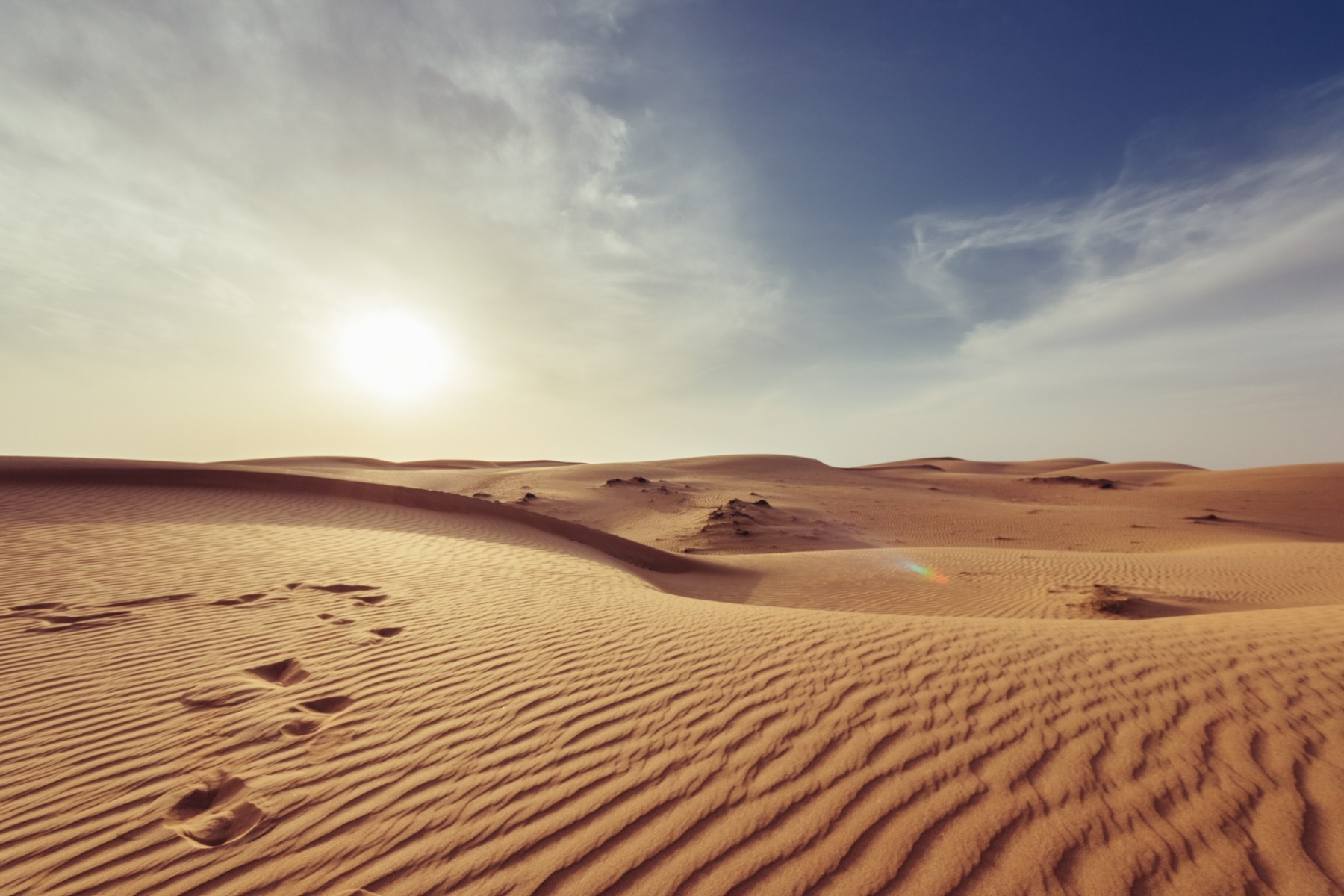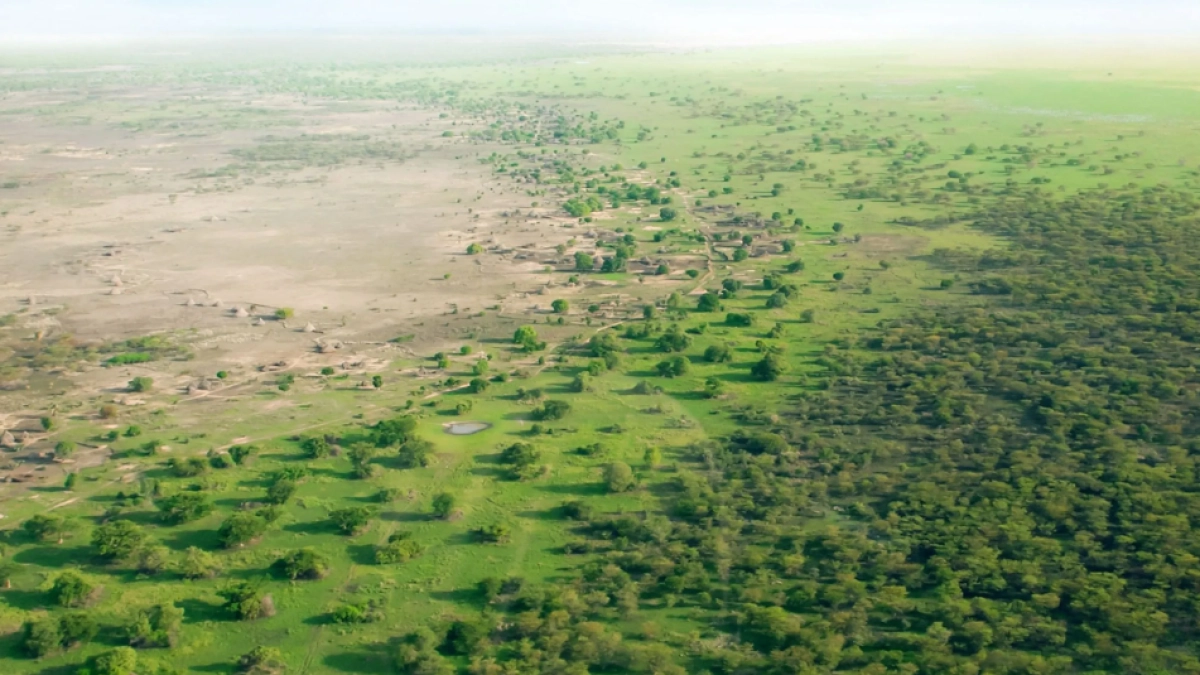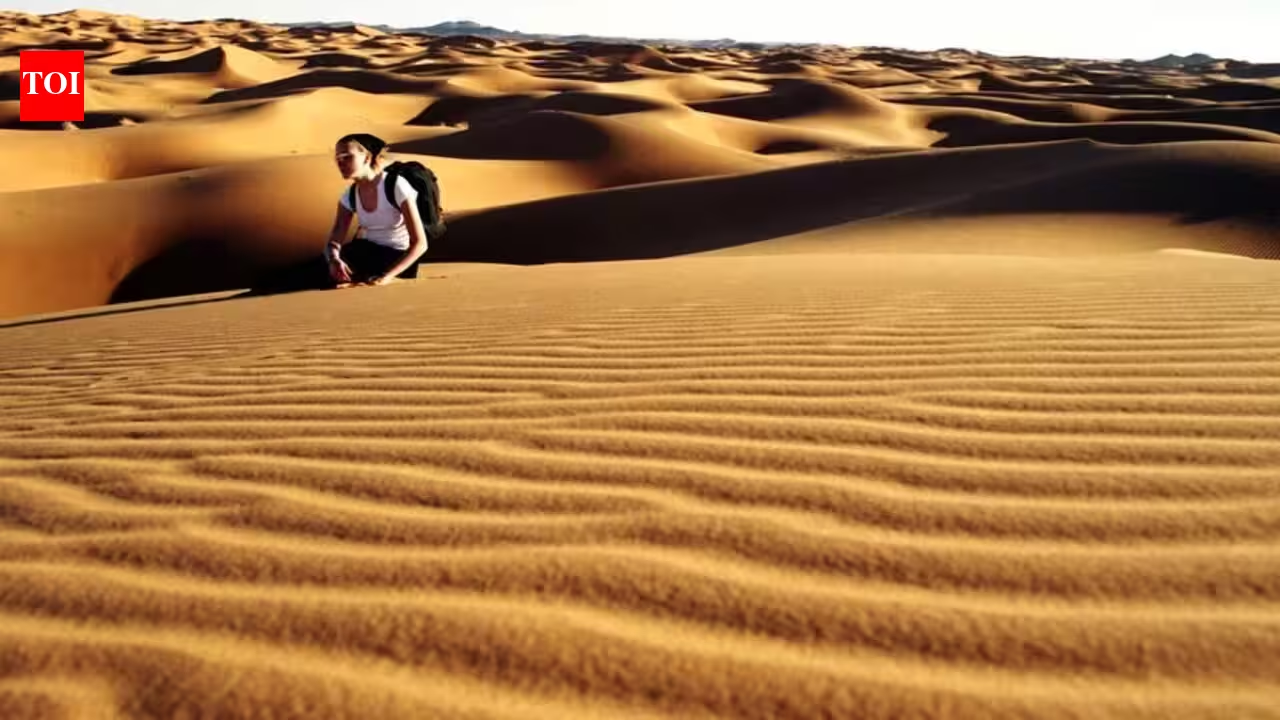
Sand dunes in the Sahara Desert on the border of Algeria and Morocco, Africa. Image Credits: Wikimedia Commons.In the early 1970s, Algeria launched a forestry experiment on an unusually large scale. Across Algeria’s semi-arid high plateaus, authorities began establishing what became known as the Green Dam, a vast belt of trees and vegetation designed to slow desertification and protect land between the Mediterranean north and the Sahara to the south. Rather than a wall in the conventional sense, it was conceived as a living barrier, stretching across the country from east to west.The project emerged as Algeria tried to restore a heavily degraded landscape. Forest cover had fallen sharply over the previous century, while soil erosion, drought, grazing pressure and desertification threatened agricultural and pastoral land. The Green Dam was intended to address several of these problems at once through reforestation, soil conservation and land management.A forest belt across the dry highlandsAccording to research on Reforesta, the project was established in 1971 as a large-scale effort to combat desertification, extending about 1,500 kilometres from east to west and 20 kilometres from north to south across 13 provinces. It was developed in the country’s semi-arid steppe zone, where land degradation and desertification posed significant environmental challenges.The location mattered because the project occupied the steppe and pre-Saharan region, where rainfall was limited, and vegetation was already under pressure. The aim was not simply to create a continuous forest but to establish vegetation capable of protecting soil and reducing the effects of desertification.The original approach focused on planting Aleppo pine, a species already used in Algerian reforestation. Trees were expected to help stabilise soils, reduce erosion and limit the movement of sand while creating a more protected environment for other vegetation. But the Green Dam quickly became more than a tree-planting project. Its objectives expanded to include protecting existing forests, restoring degraded woodland, developing agricultural and pastoral areas, fixing dunes, improving water resources and making desertification-prone areas more accessible.Why planting millions of trees was difficultThe project’s scale was also one of its greatest challenges. Establishing trees across a dry landscape requires seedlings to survive conditions that are very different from those in a nursery. Limited rainfall, drought, grazing and unsuitable planting conditions could reduce survival.Algeria’s broader history of reforestation helps explain why the Green Dam was considered necessary. Reforesta also notes that Algeria had about 5 million hectares of forest in 1830, but this had fallen to around 2.4 million hectares by independence in 1962. After independence, the government introduced a series of programmes to rebuild forest cover and protect degraded land. The Green Dam became one part of that broader national effort.Algeria’s efforts to restore degraded land and expand vegetation under the broader Green Dam programme. Image Credits: Wikimedia Commons.From a tree barrier to a broader restoration strategyBy the 1990s, the Green Dam had become part of broader efforts to preserve forests, manage watersheds and combat desertification. The programme also expanded beyond tree planting, giving greater attention to agriculture, pastoral activities, local communities and land-management practices.The experience showed that the Green Dam could contribute to restoring degraded land when planting was combined with appropriate land management. Protecting existing vegetation, managing grazing and selecting species suited to local conditions helped strengthen the restoration effort and improve the resilience of vulnerable landscapes.More than five decades after it began, the Green Dam stands as a long-term example of how large-scale reforestation can support land rehabilitation in a semi-arid region. What began as an ambitious attempt to establish a protective belt of vegetation has evolved into a broader restoration effort, with its success measured not only by the trees planted but by the landscapes they have helped protect and recover.
In 1971, Algeria began planting a 1,500-kilometre, 20-kilometre-wide “Green Dam” to help combat desertification across its semi-arid high plateaus
In the early 1970s, Algeria launched a forestry experiment on an unusually large scale. Across Algeria’s semi-arid high plateaus, authorities began establishing what became known as the Green Dam, a vast belt of trees and vegetation designed to slow desertification and protect land between the Mediterranean north and the Sahara to the south.
614 words~3 min read