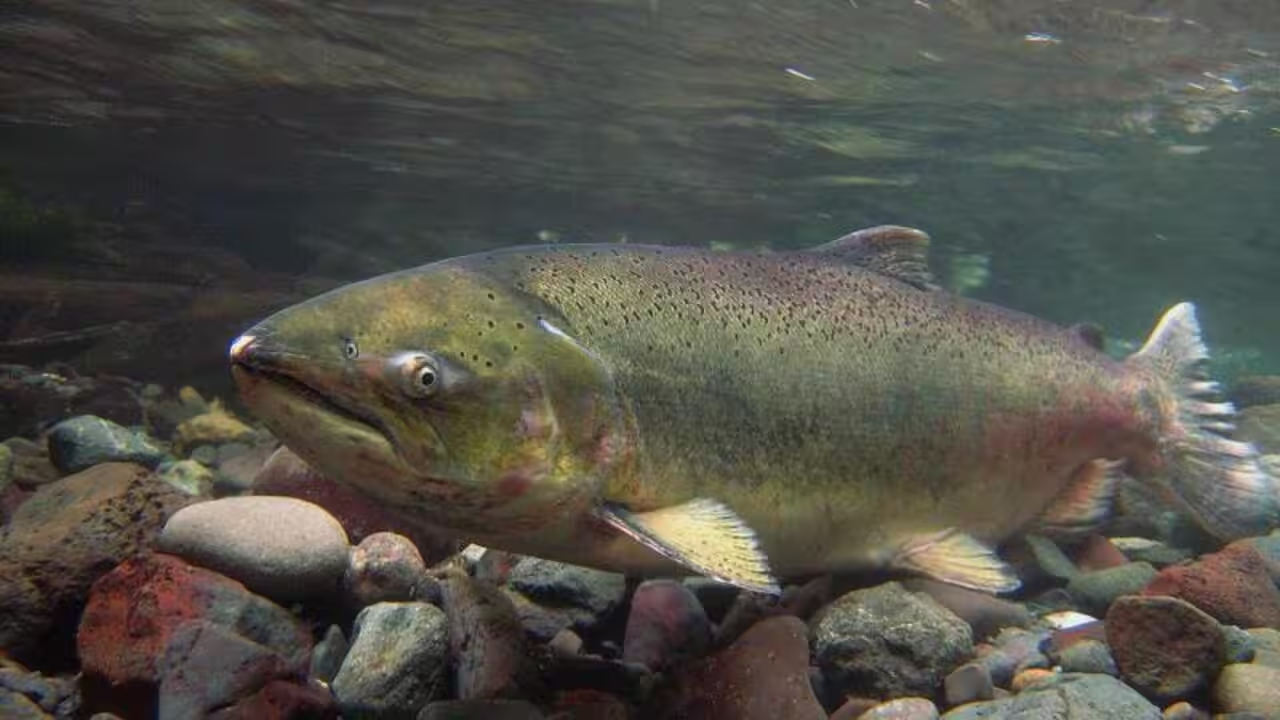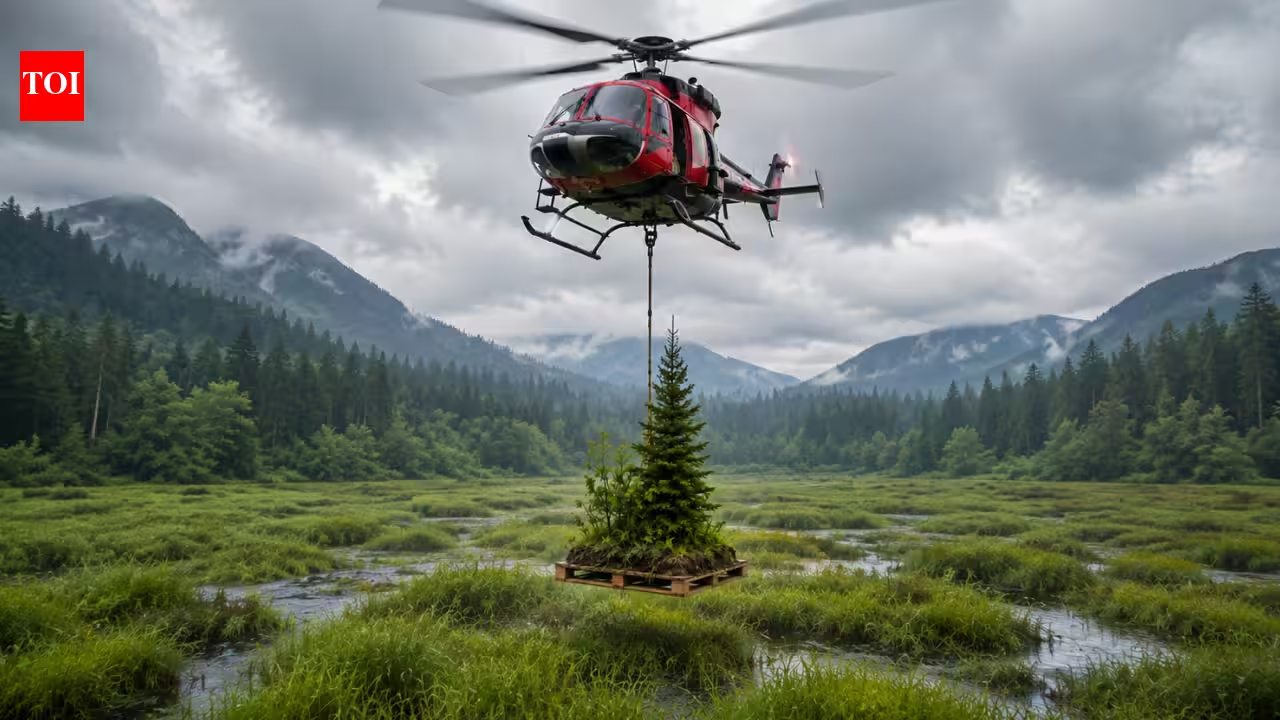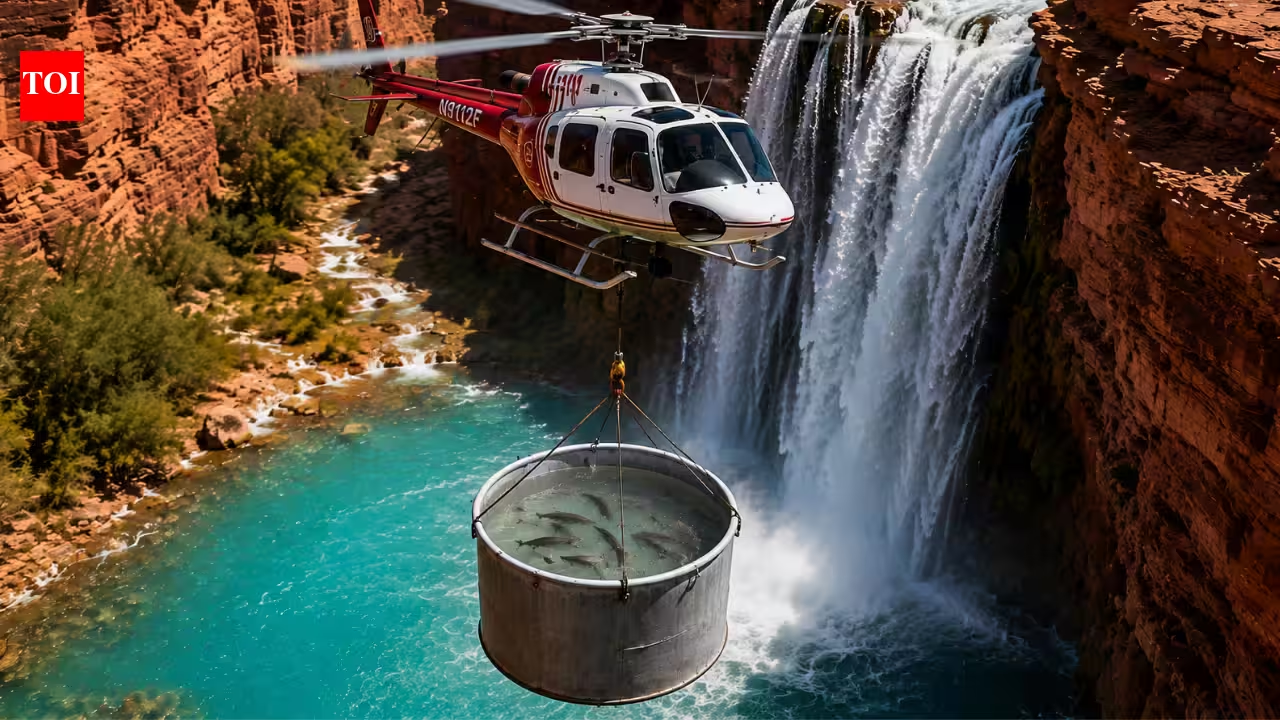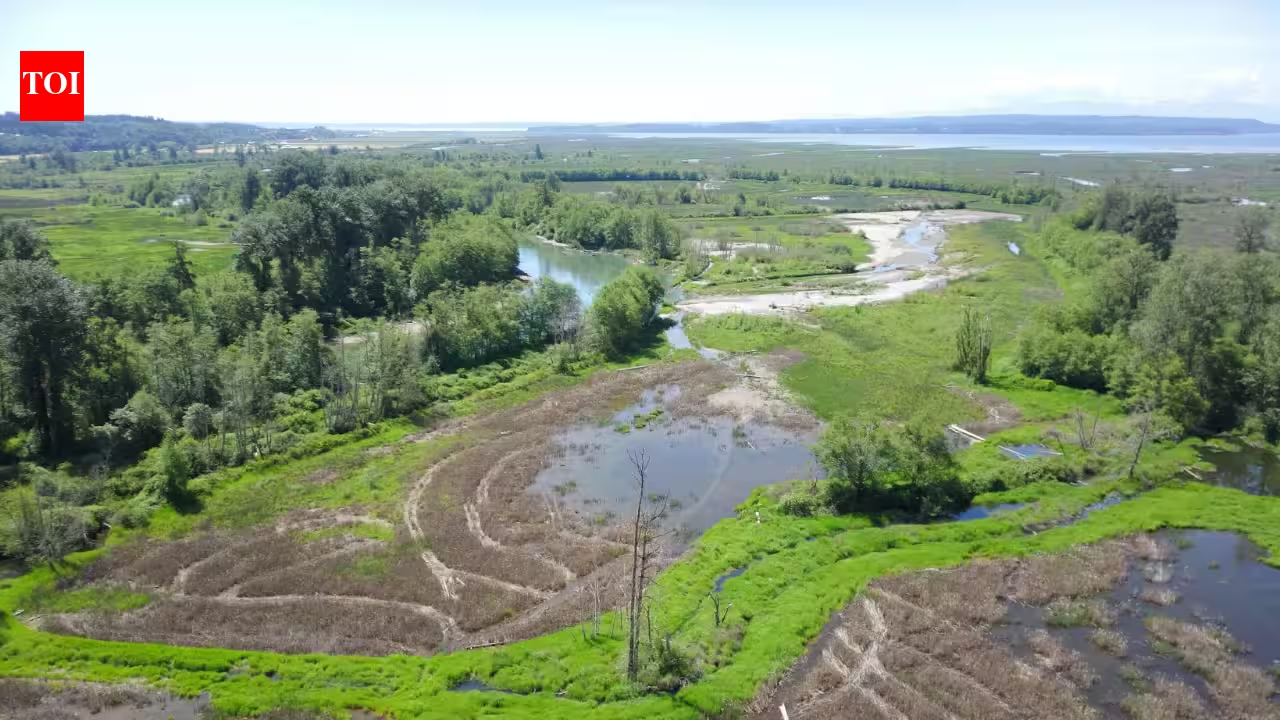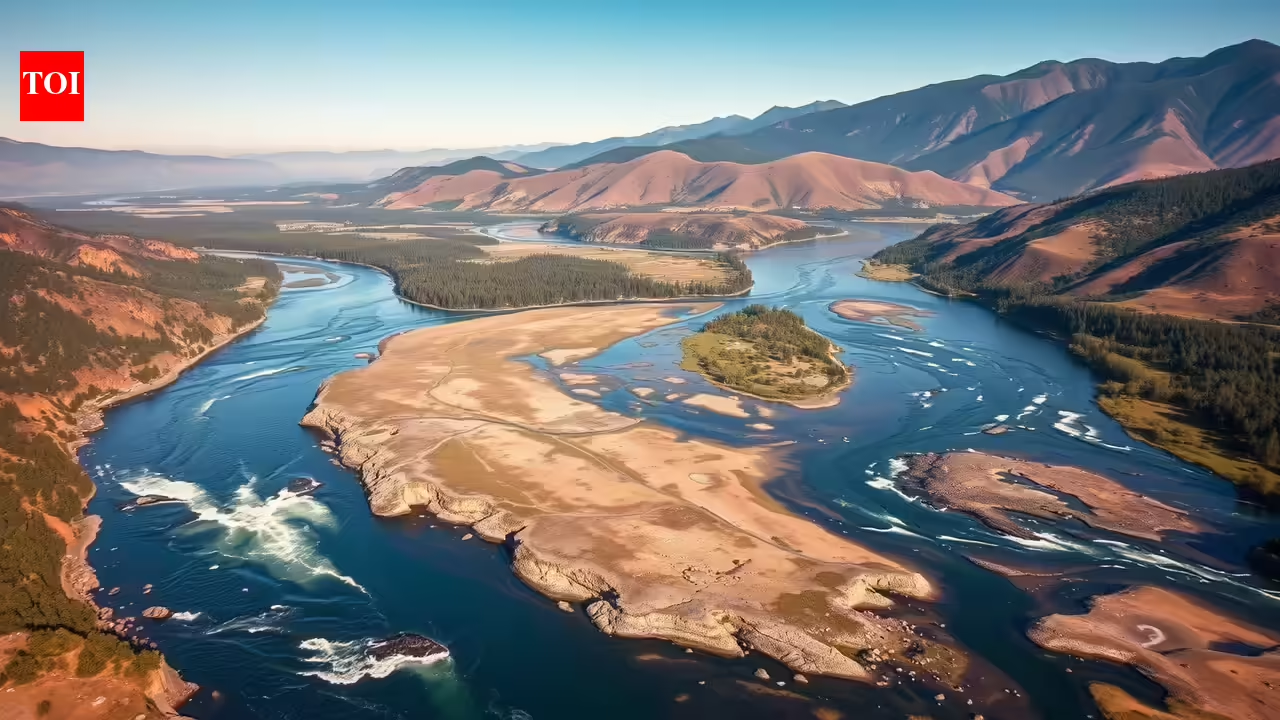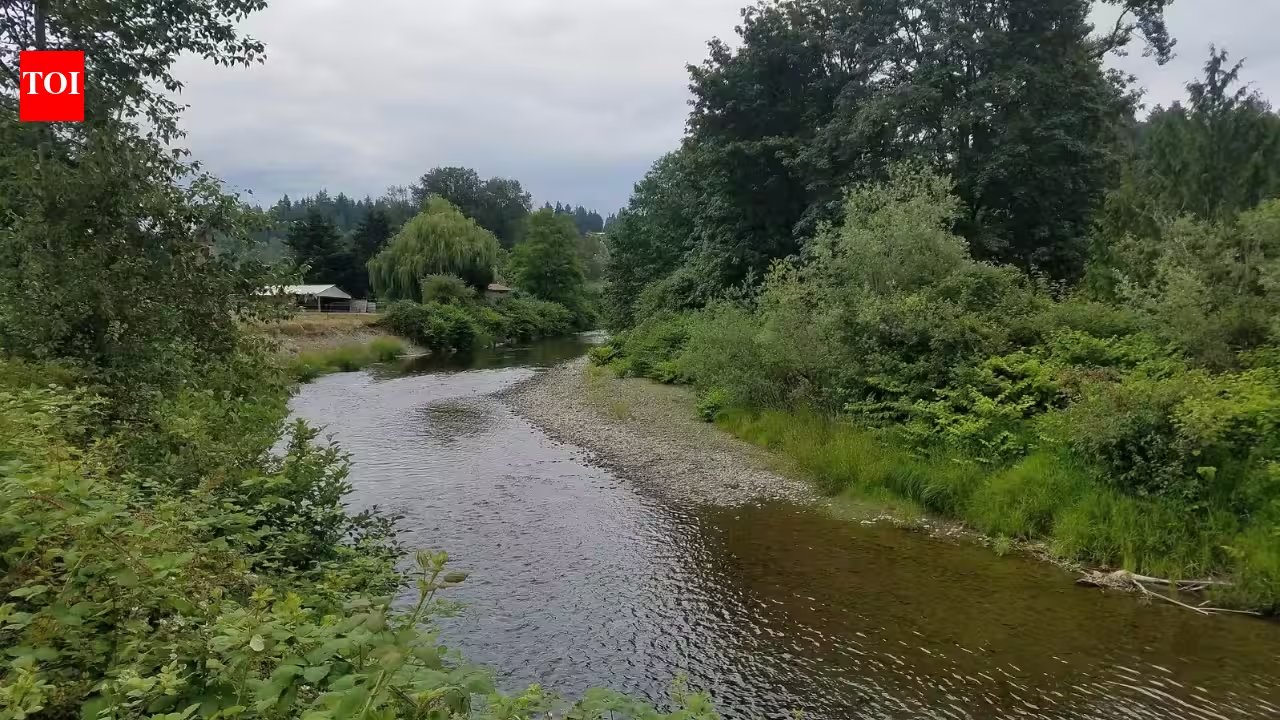
Washington’s Pilchuck River | Wikimedia CommonsThe roar of twin-rotor Chinook helicopters was heard all around Washington’s Pilchuck River valley in June 2025 as one massive log after another swung beneath cables toward the river below. It looked like an enormous logging operation from the air, while on the ground, crews were doing the opposite. Instead of clearing wood from the river, they were putting it back. Over several days, helicopters flew roughly 400 large logs into an eight-mile stretch of the Upper Pilchuck River, where they were assembled into 28 engineered logjams that were designed to recreate the tangled woody structures that once created Pacific Northwest rivers before decades of logging and flood-control work removed them. According to The Daily Herald, the effort is led by the Tulalip Tribes and the Washington State Department of Natural Resources as part of a long-term plan to restore habitat for threatened Chinook salmon while also trying to reduce erosion and slow floodwaters.Washington’s Pilchuck River | Wikimedia CommonsRivers once depended on fallen trees to stay healthyA logjam might look like debris that should be removed to many people, but river scientists see something very different. Before widespread timber harvesting came into existence, large trees regularly toppled into rivers, where they redirected currents, trapped gravel, carved deep pools and created sheltered side channels. Those slow-moving pockets of water became nurseries for juvenile salmon, and offered protection from predators and strong winter flows. Many rivers were simplified into faster, straighter channels that carried water efficiently but left young fish with far fewer places to feed and grow. On the Pilchuck, the newly installed logjams are intended to reverse that process. The structures create a more complex river that benefits both fish and nearby communities by forcing water to spread across the floodplain and reconnect with historic side channels. Snohomish County states that engineered logjams also help reduce local erosion, increase floodplain connectivity, restore off-channel habitat and improve the river’s resilience during high-water events.Why helicopters were the only practical solutionMoving hundreds of logs into a remote river valley isn’t something conventional construction equipment can easily accomplish, since many restoration sites lie beyond existing roads or within sensitive habitats where heavy machinery would damage wetlands and riverbanks. Chinook helicopters solved that problem since each log could be lifted directly from staging areas and placed with remarkable precision, which allowed crews on the ground to anchor the wood into engineered structures without building new access routes. This approach also shortened construction time and reduced disturbance to surrounding forests. Seeing helicopters carry giant logs may appear unusual, but conservation agencies across the Pacific Northwest increasingly use aircraft when restoring rivers that are difficult to reach or environmentally sensitive. The Pilchuck project represents one of the region’s largest recent examples of aerial large-wood placement for salmon recovery.A U.S. Army CH-47F | Wikimedia CommonsRestoring what rivers once built on their ownThe Pilchuck River supports every species of Pacific salmon found in Washington, but populations have struggled as rivers have become warmer and disconnected from their floodplains. A watershed cannot be restored by simply reintroducing large wood, yet decades of restoration work have shown that engineered logjams can recreate many of the physical processes that healthy rivers once produced naturally. According to NOAA Fisheries, large woody structures slow water, create deeper pools, provide cover for juvenile salmon, and encourage rivers to develop the complex habitats that fish depend on throughout their life cycle. On the Pilchuck, the helicopters have already finished their work, but what remains is the slower process that cannot be rushed: allowing the river itself to reshape the logs, build new channels and, over time, become a place where young salmon have a better chance of surviving their journey to the Pacific Ocean.
In 2025, helicopters dropped 400 logs into Washington’s Pilchuck River: 28 engineered logjams now slow floodwaters and rebuild lost salmon habitat
The roar of twin-rotor Chinook helicopters was heard all around Washington’s Pilchuck River valley in June 2025 as one massive log after another swung beneath cables toward the river below. It looked like an enormous logging operation from the air, while on the ground, crews were doing the opposite.
623 words~3 min read