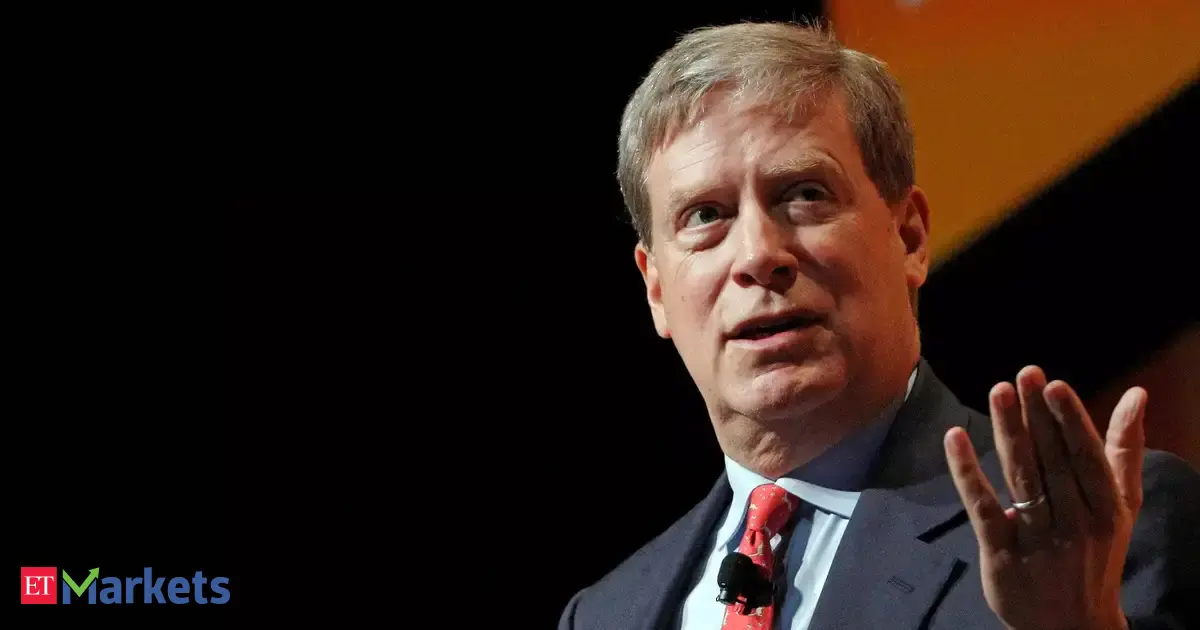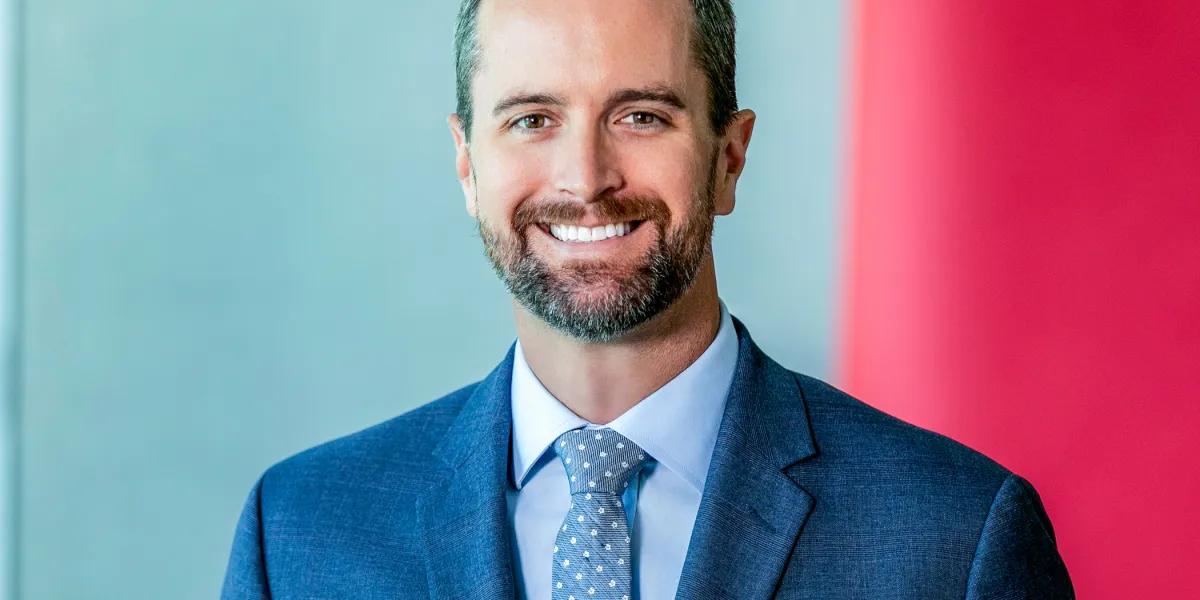
Myron Scholes, the Nobel Prize-winning economist renowned for his work on financial risk and options pricing, highlighted the importance of liquidity in investing with his quote: “At times of shock, converting illiquid assets to cash to build flexibility is very expensive. Finding an umbrella in a rain storm might be impossible or very costly.”The quote underscores a key principle of risk management: liquidity is most valuable when markets are under stress. During financial crises or sudden market shocks, investors holding illiquid assets such as real estate, private equity or thinly traded securities often struggle to sell them quickly without accepting steep discounts. Waiting until a crisis to raise cash can prove extremely costly, as buyers become scarce and prices fall sharply.The 'umbrella in a rainstorm' analogyBy comparing liquidity to an umbrella in a rainstorm, Scholes illustrates that protection is easiest and cheapest to secure before trouble strikes. Once uncertainty grips markets, demand for cash rises dramatically while the ability to generate it from illiquid investments diminishes.The analogy emphasizes the importance of preparing for adverse scenarios in advance rather than reacting after markets have already turned volatile.Key takeaway for investorsThe observation serves as a reminder for investors to maintain adequate liquidity and diversify portfolios rather than relying solely on higher-return but illiquid assets. Holding sufficient cash or liquid investments provides flexibility to meet financial obligations, capitalize on market opportunities and avoid forced asset sales during periods of volatility.Scholes' insight remains particularly relevant during episodes of financial turmoil, when liquidity conditions can deteriorate rapidly and access to cash becomes a critical determinant of investment resilience.
Quote of the day by Myron Scholes: "At times of shock, converting illiquid assets to cash to build flexibility is very expensive. Finding an umbrella in a rain storm might be impossible or very costly."
Nobel laureate Myron Scholes emphasizes liquidity's value during market shocks. Illiquid assets become difficult to sell without significant price reductions. Finding cash during a crisis is often impossible or extremely costly. Investors should maintain adequate liquidity and diversify their portfolios. This preparation ensures flexibility and avoids forced sales during volatility.
263 words~1 min read