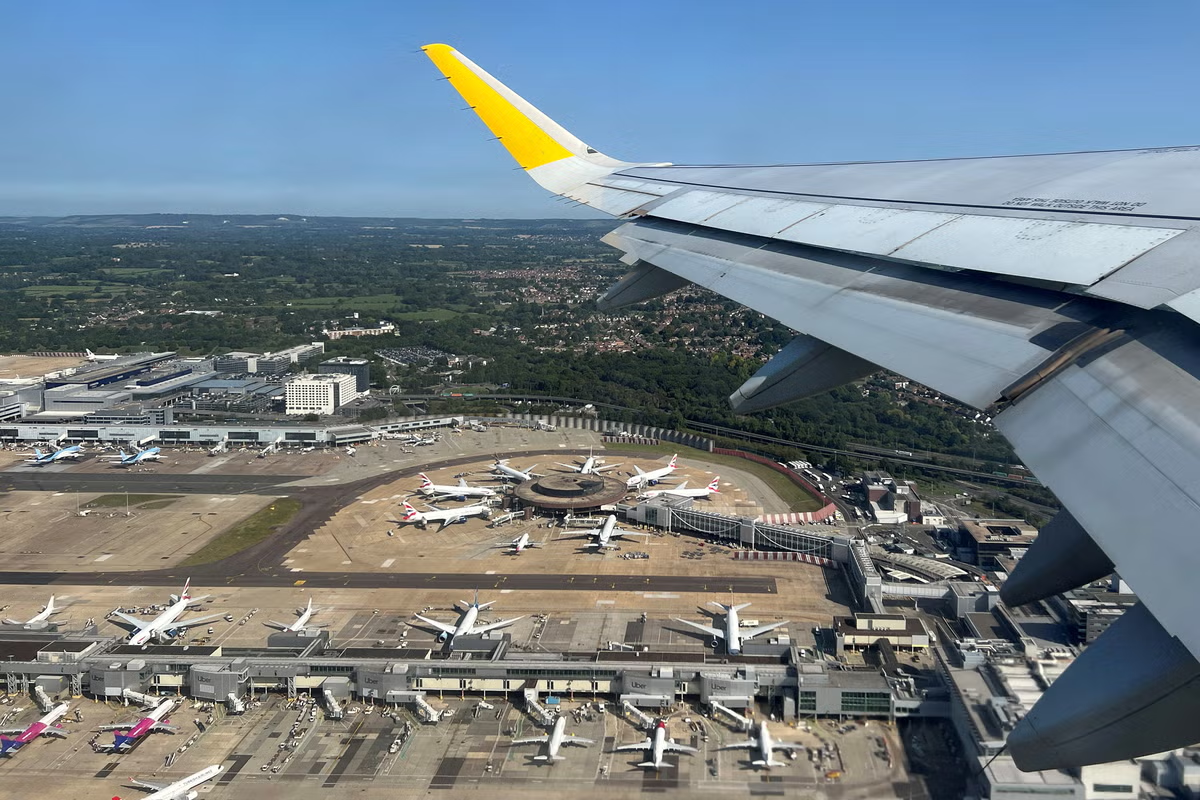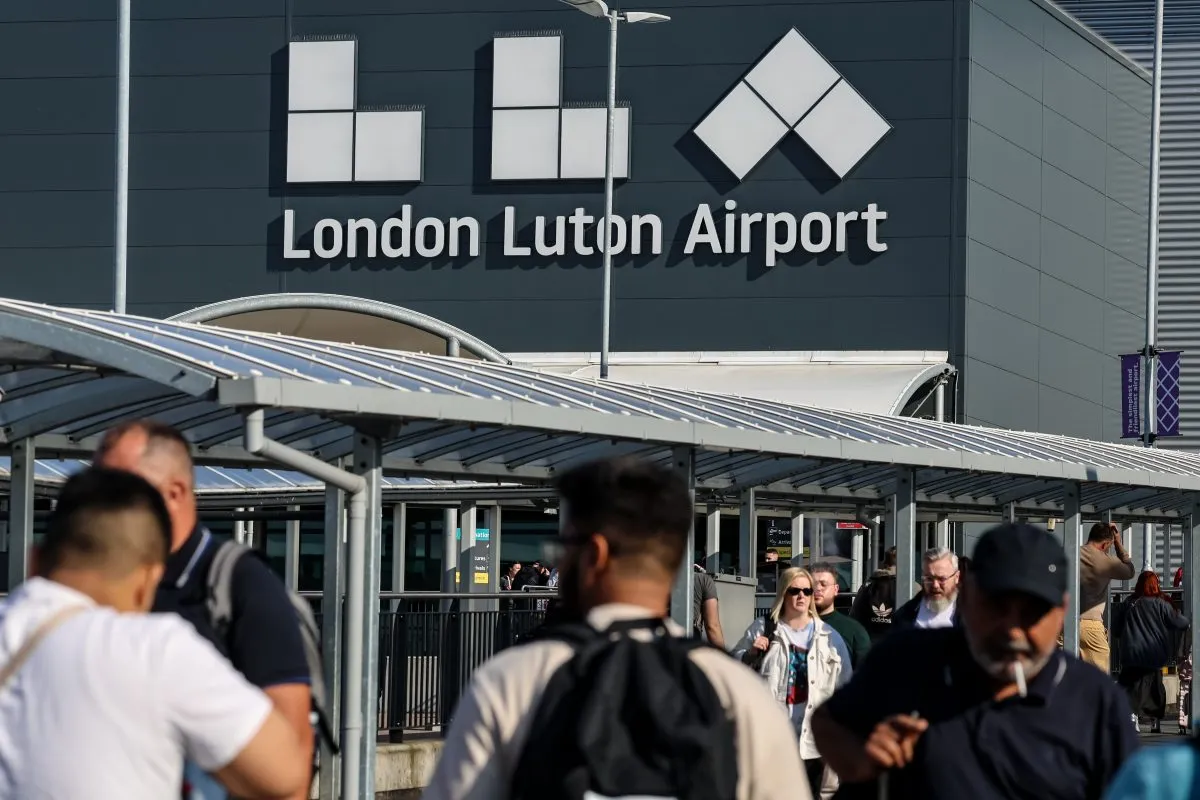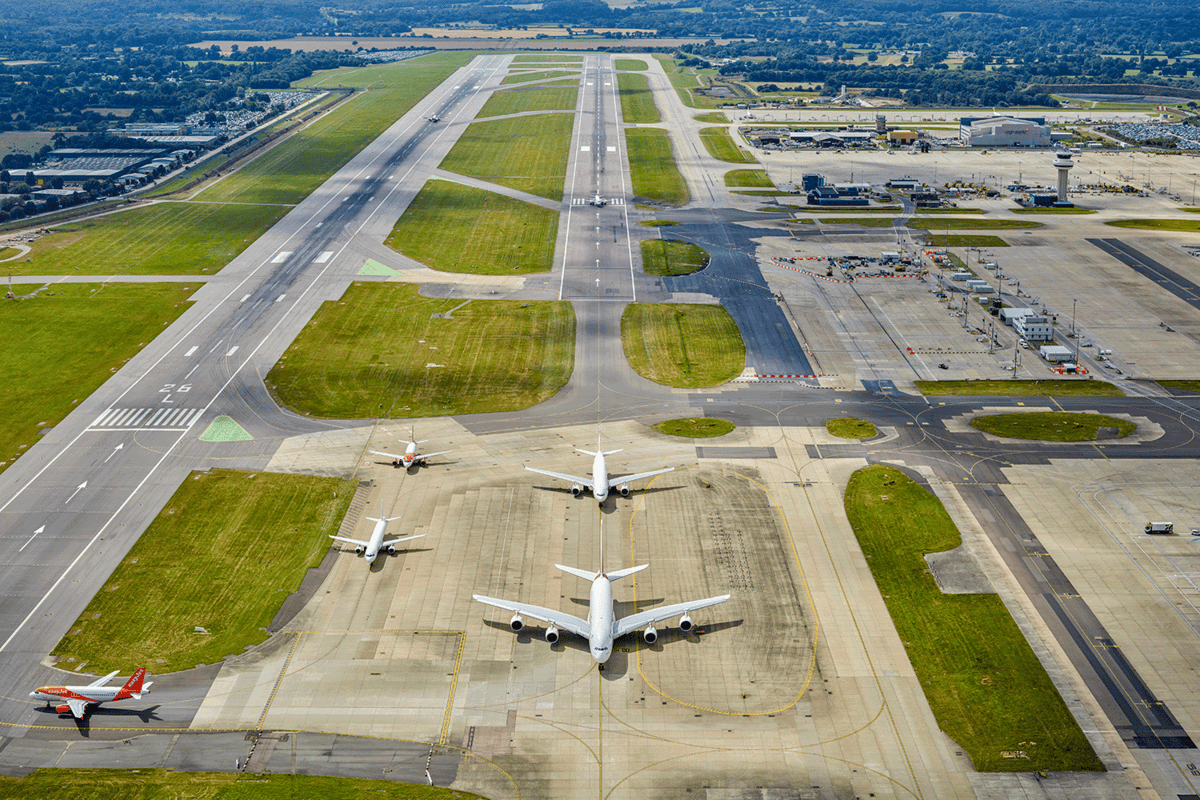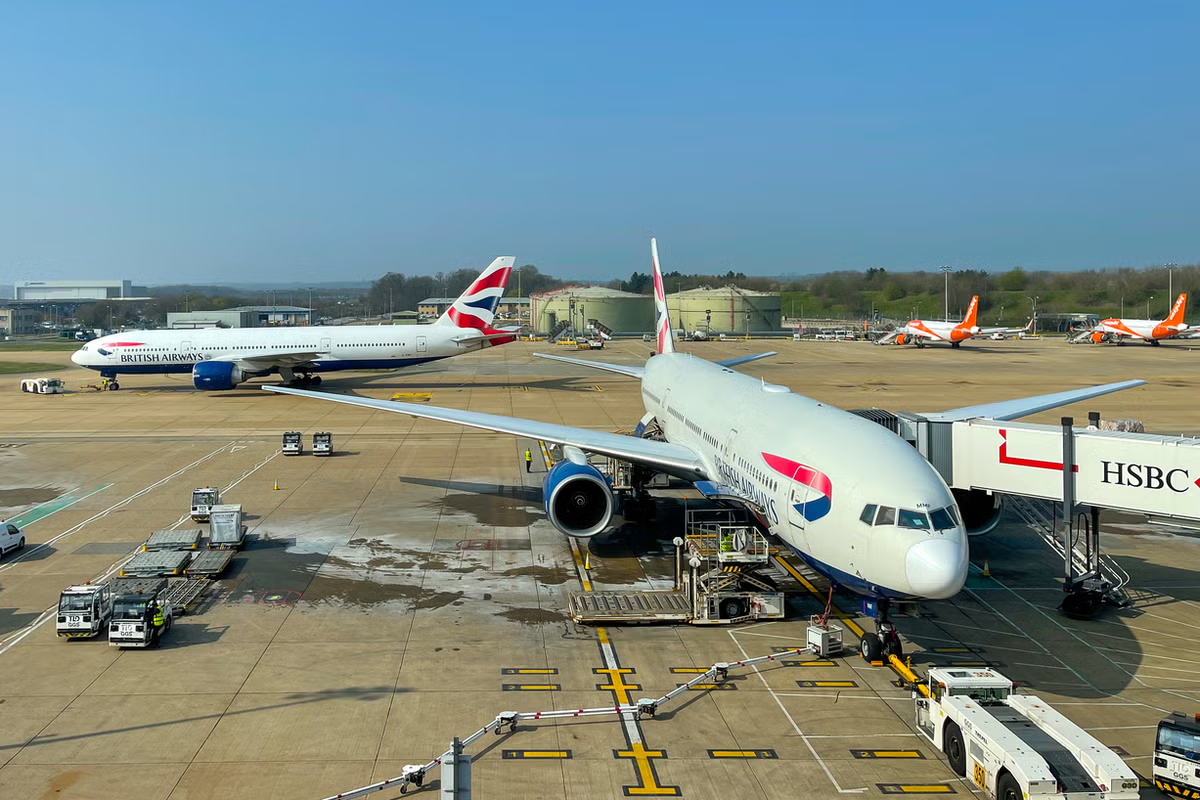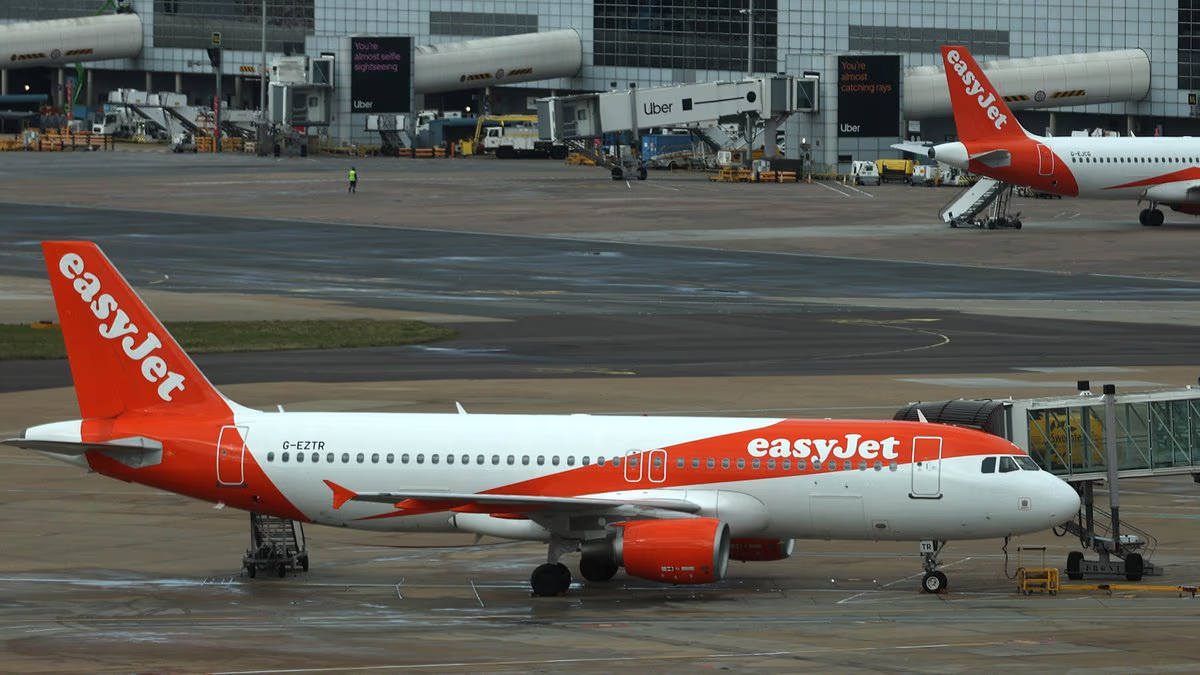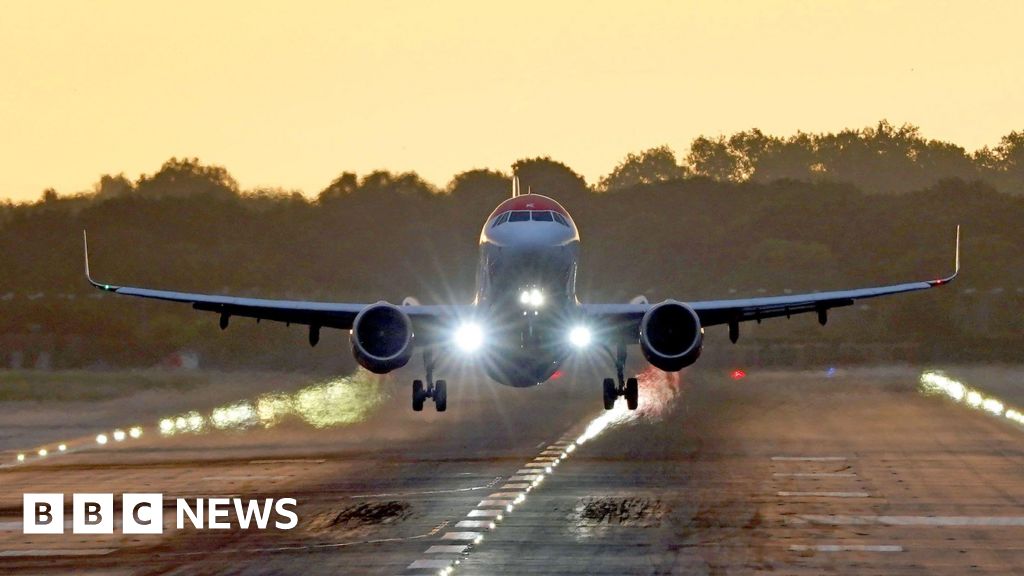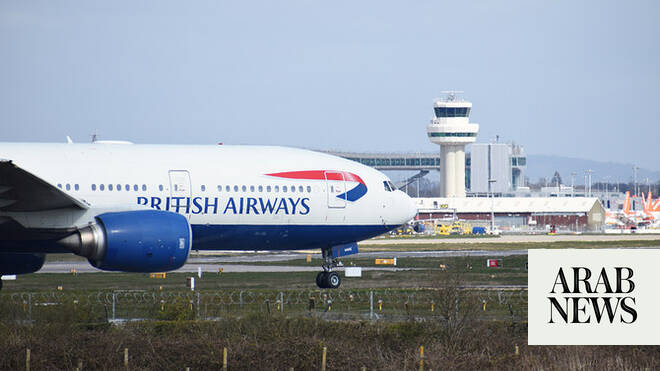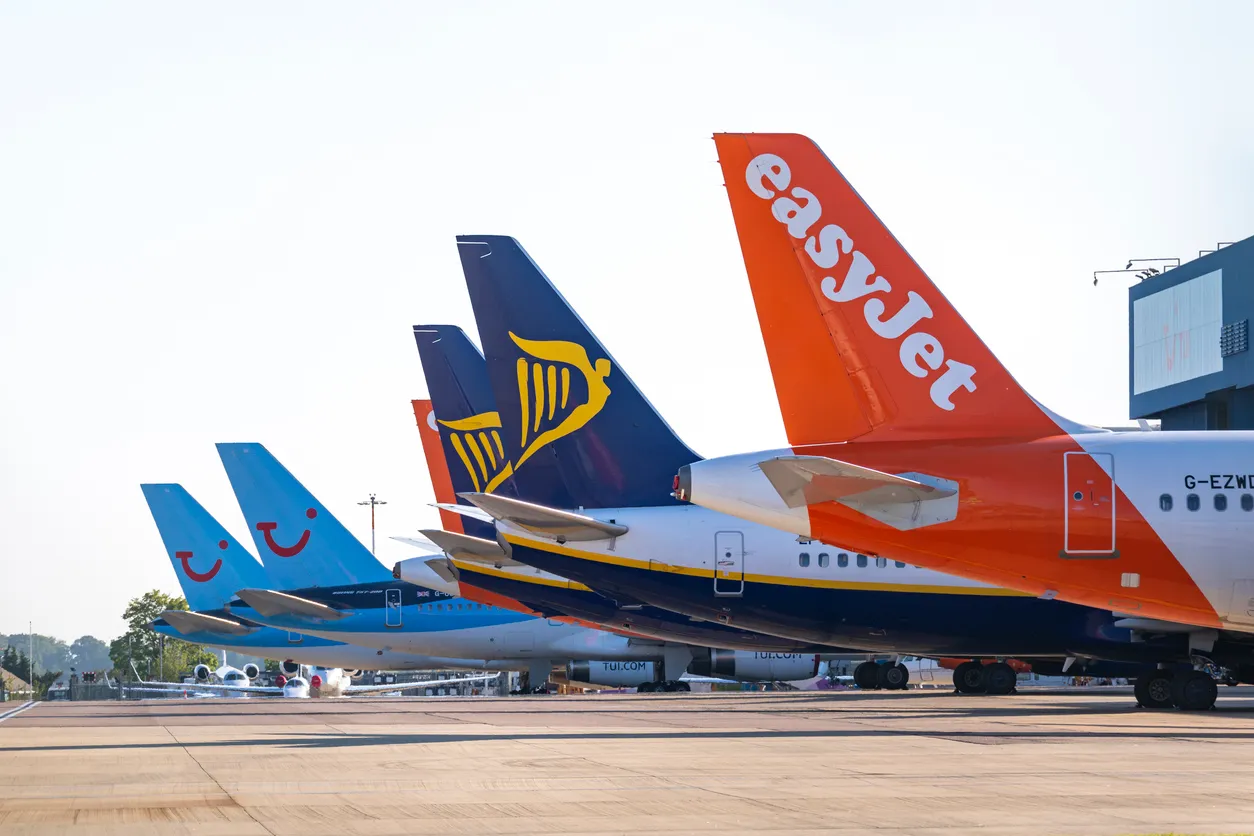
For anti-airport campaigners it is a double setback. In the space of 24 hours, legal challenges against the expansion of Gatwick and Luton have failed. As a result, Gatwick’s emergency runway will be moved 12 metres away from its main runway, to allow it to be used for routine take-offs and landings, enabling an extra 100,000 flights a year. Luton will gain a second terminal, allowing it nearly to double the number of passengers it can handle.
So long as the 2050 net zero target remains, airline travel will ultimately be doomed
The rulings reverse an assumption on the part of campaigners that airport expansion can be blocked on the basis of Britain’s legally-binding 2050 net zero target. Tellingly, carbon emissions were the crux of the case against Gatwick, even though the campaign group which brought the case is called Communities Against Gatwick Noise Emissions. That somewhat gives the game away: it is really an association of Nimbys who are objecting about the impact of planes on the local environment. That is their right, of course, but it doesn’t look entirely convincing when they start to state their case on the basis of carbon emissions instead.
That these two airport expansions will now go ahead is credit in part to the Labour government’s general direction on planning, which is to remove barriers to development and limit the ability of objectors to block infrastructure projects. It also suggests that Ed Miliband’s climate fundamentalism is not as engrained in the cabinet as some might have supposed. Transport secretary Heidi Alexander has proved herself to be far more pragmatic on the subject of airport expansion than might have been expected, and indeed more pro-airport development than the Conservative government.