This story is part of Peak, The Athletic’s desk covering the mental side of sports. Sign up for Peak’s newsletter here.When Raul Ibañez joined the Kansas City Royals a few weeks before the 2014 trade deadline, nobody graded the move or broke it down.Why would they? The Angels had released Ibañez nine days earlier after he posted a .157 batting average. His power was fading. He was 42 years old.Even in Kansas City, Ibañez’s addition didn’t crack the front page of the sports section.In 33 games with the Royals that season, Ibañez hit .188 and did not make a single appearance in the playoffs.And yet this is what Danny Duffy, a young pitcher on that team, had to say about him recently: “I think Ibañez played a massive part for a lot of people.”Every baseball season, dozens of players move teams at the deadline, arriving in new clubhouses and fortifying contenders for the stretch run. For good reason, we spend most of the time thinking about the stars — the ace starters, the stud closers, the rental bats who can flip a playoff series with one swing.But there are still aspects of winning that remain elusive, an alchemy of leadership, culture and chemistry that cannot be quantified.The veteran who infuses a clubhouse with presence and confidence. The pinch hitter who brings energy to the room. The utility player who provides leadership by doing nothing more than showing up and fitting in.This is not an argument that one of those types of acquisitions, such as Ibañez, will mean more than pure talent. Just that it could mean something.Full disclosure: This story wasn’t planned. Recently, we were interviewing Duffy for another story on the mentality of winning teams. Unprompted, he brought up Ibañez’s role on the 2014 Royals.
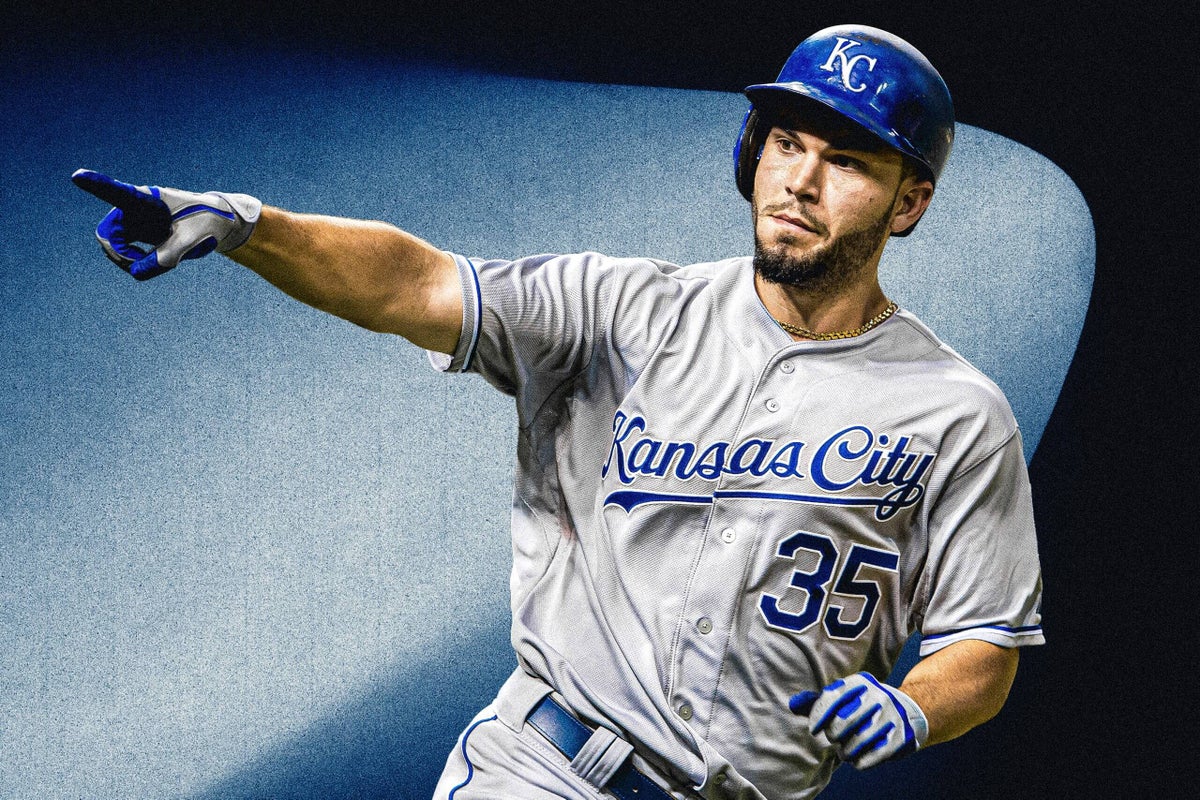
He never played in a playoff game. He helped his team reach the World Series
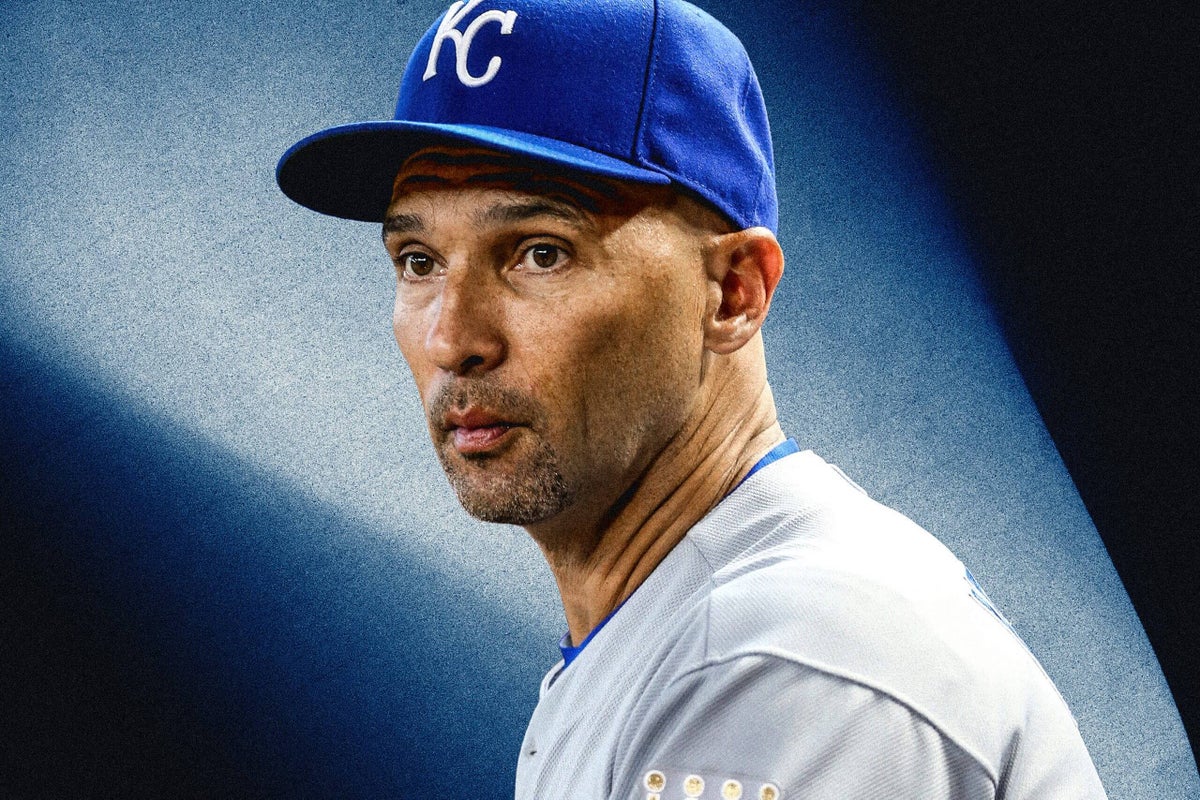
In 2014, Raul Ibanez hit .188 for the Kansas City Royals and did not appear in the playoffs. Yet teammates said he played a massive role.
828 words~4 min read