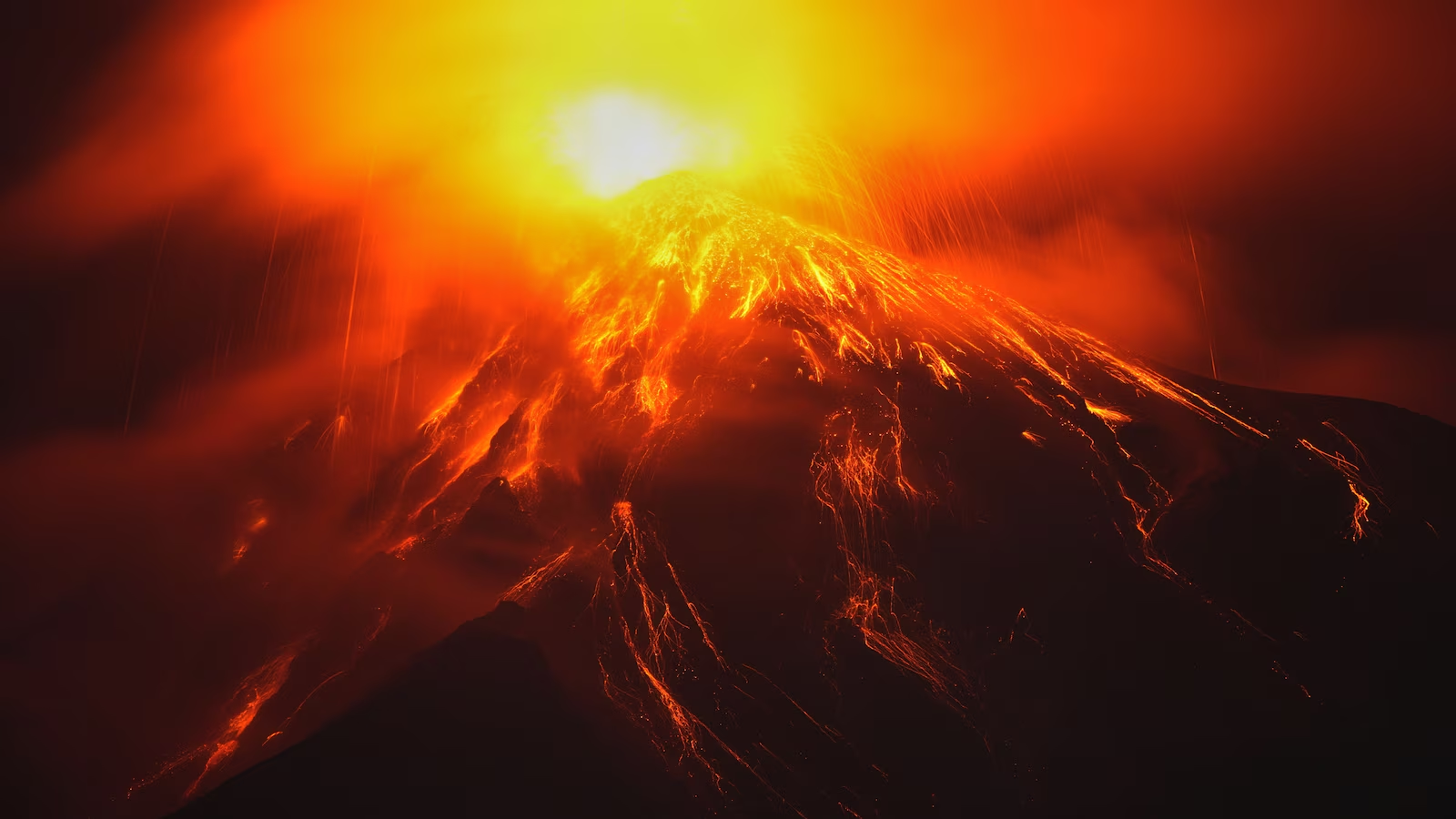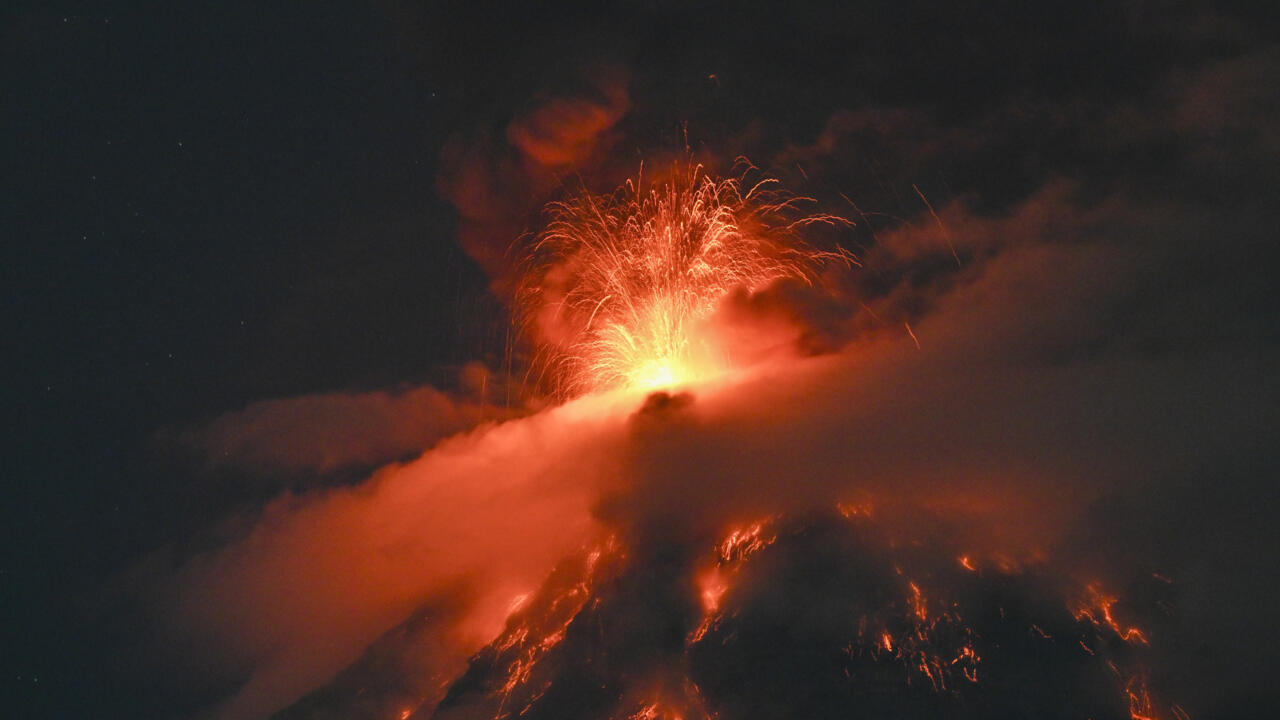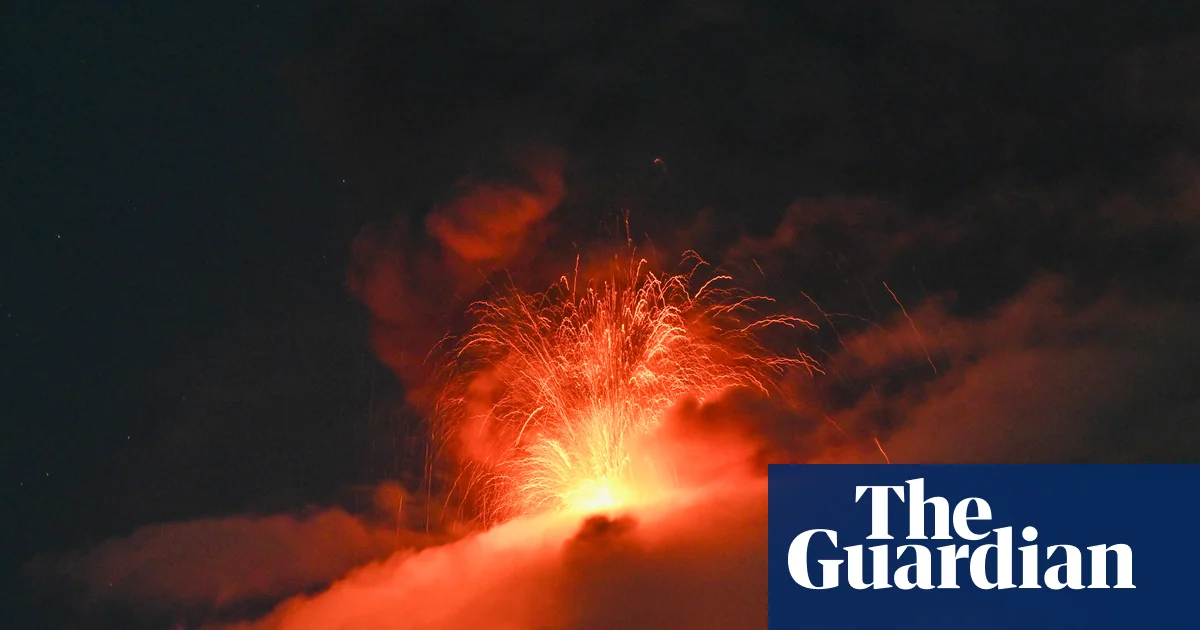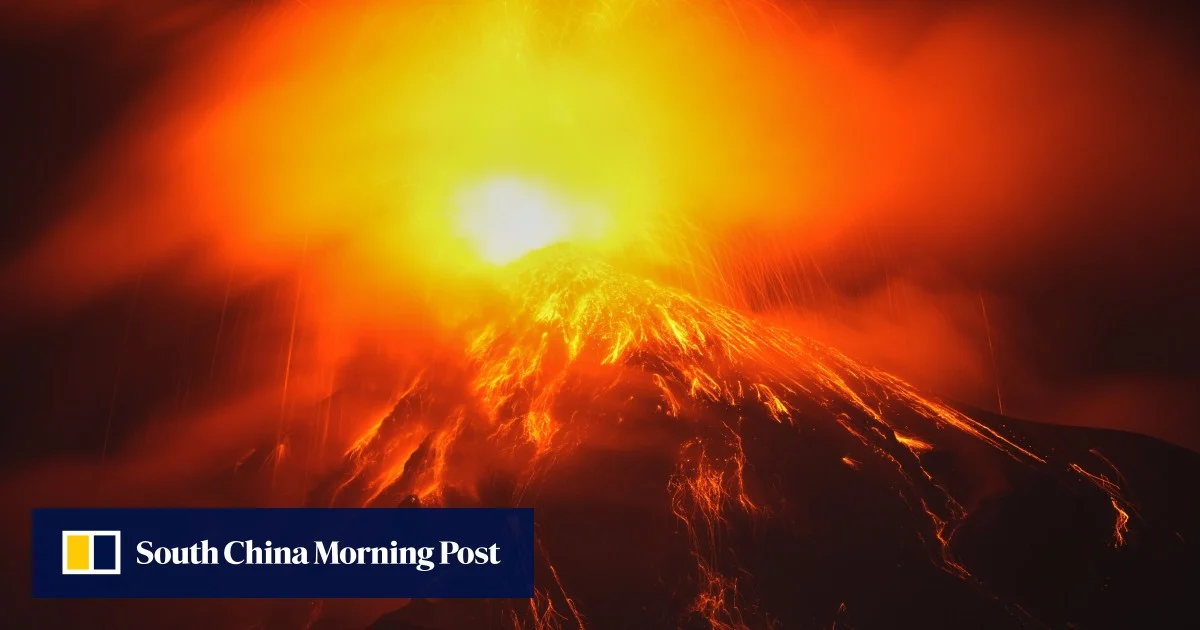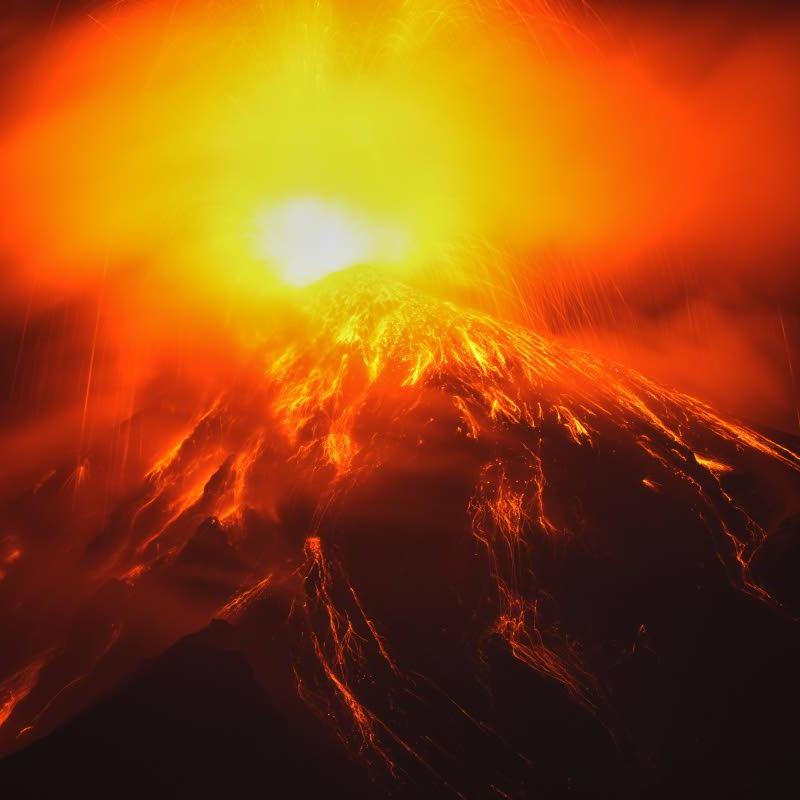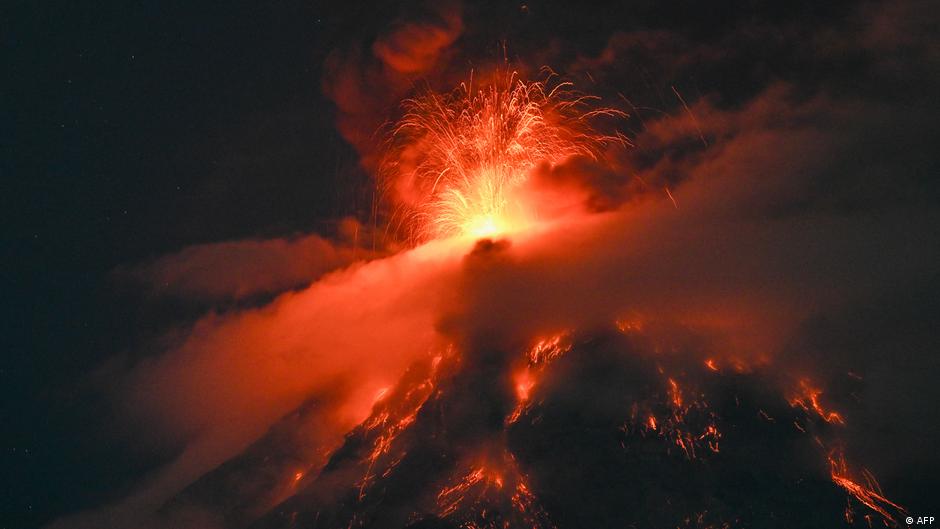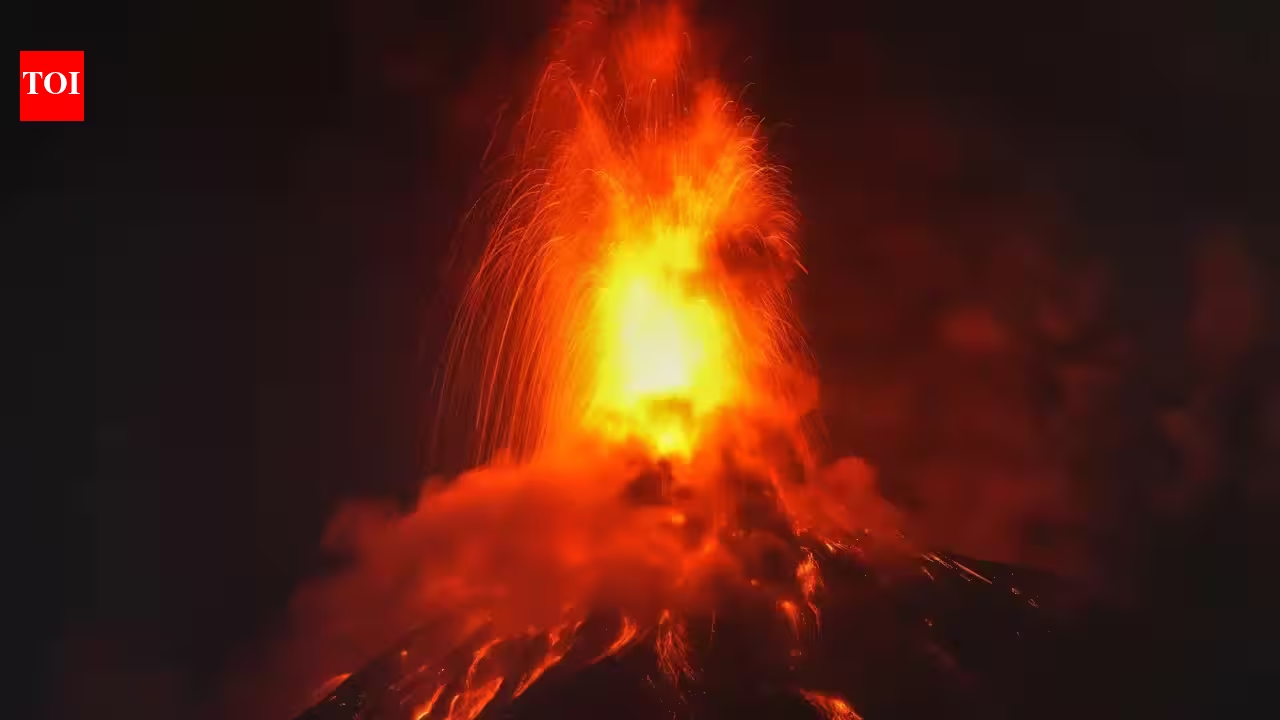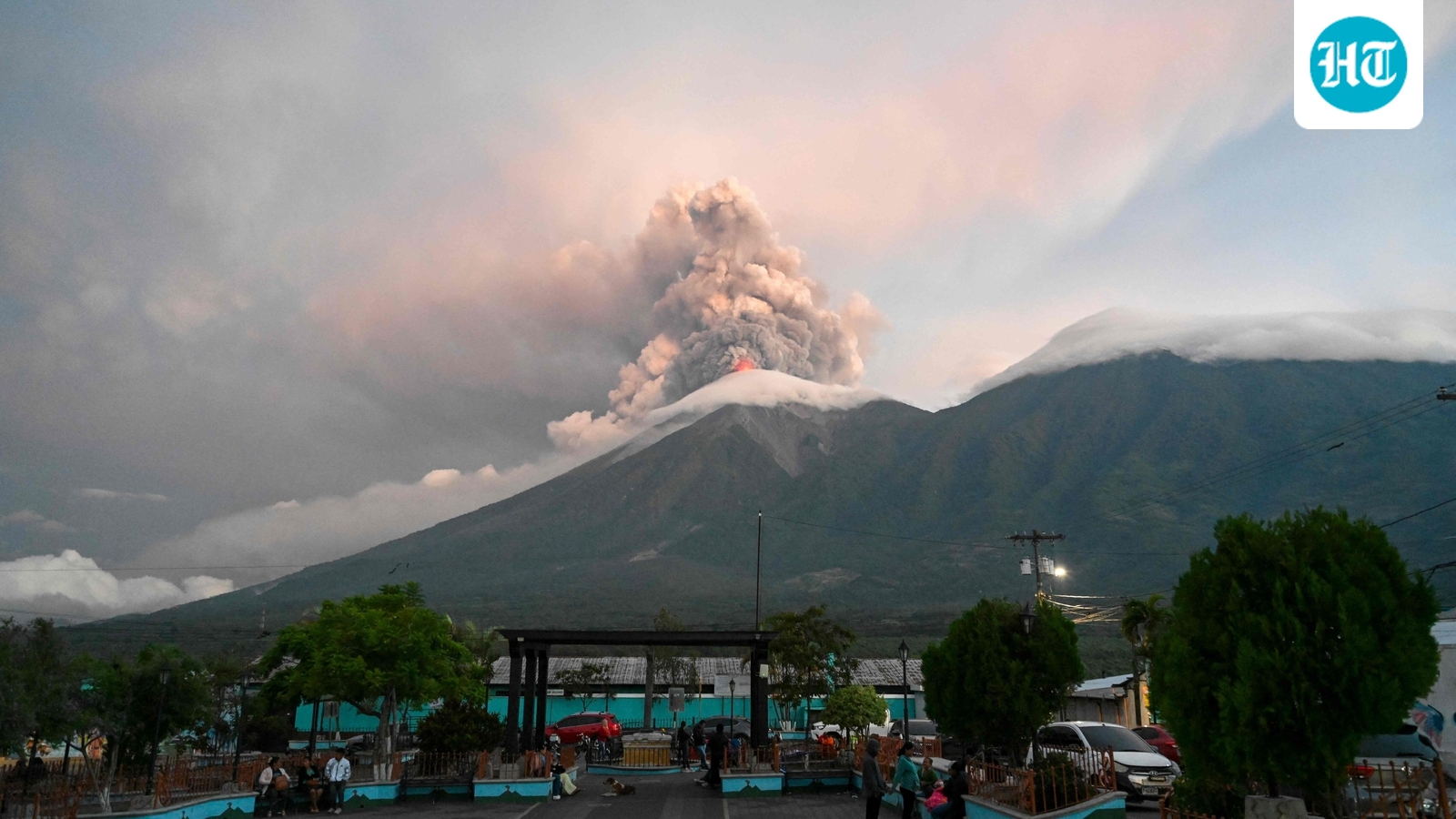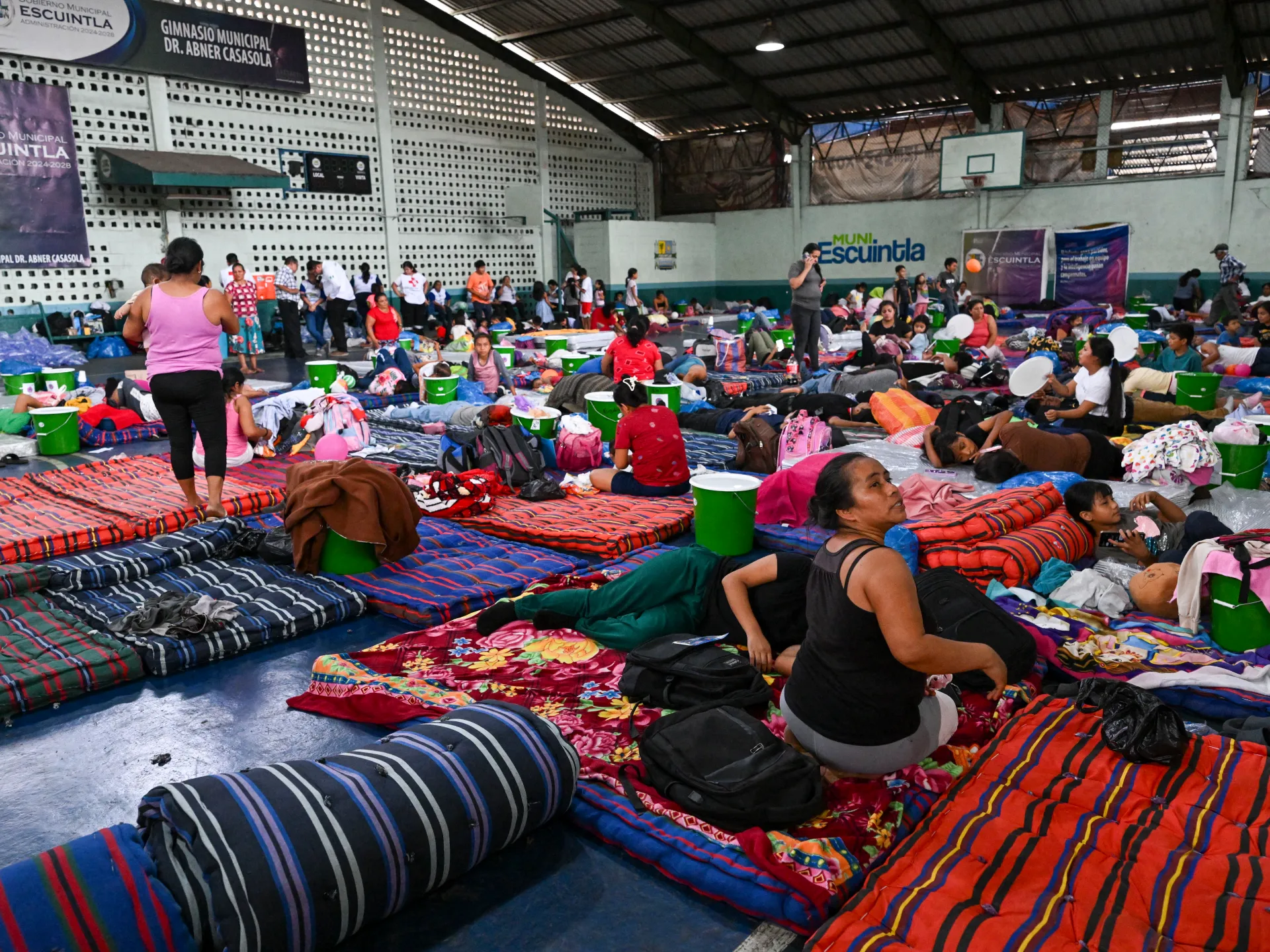
Officials warn the next three days are critical, as forecast rain threatens to trigger more mudflows from the volcano.Guatemala has raised the danger warning level to red for three villages and is remaining on alert after evacuating villages near the Fuego volcano, one of Central America’s most active, which erupted earlier this week.Roughly 1,700 people are still in shelters, and officials say the next 72 hours will be critical.Recommended Stories list of 3 itemslist 1 of 3Guatemala issues second-highest ‘danger’ alert after Fuego volcano eruptslist 2 of 3Photos: Guatemala’s Fuego volcano erupts, forcing evacuationslist 3 of 3Evacuations ordered as Guatemala volcano eruptsend of listAccording to the country’s disaster agency Conred, evacuations of nearby villages will stay in place until conditions improve.Mudflows up to 7km (4.3 miles) long continue descending from the volcano, with incoming rain expected to increase the risk of additional volcanic mudflows.The volcano erupted on Monday, sending gas, ash, lava and pyroclastic flows down the volcano’s slopes, and continued into Tuesday with fresh emissions of mud and ash. Conred raised the alert to red in three municipalities, Sacatepequez, Escuintla and Chimaltenango, where about 29,000 people are affected by ashfall.Fuego volcano erupts in Alotenango, some 65km southwest of Guatemala City, on August 4, 2026 (AFP)Disruption of schools and roadsConred’s executive director, Claudinne Ogaldes, advised residents in the three red-alert municipalities to cover their water deposits and use face masks as protection from ash, even though no mudflows have reached villages yet and no structures have been damaged,A major highway that passes close to the volcano, National Route 14, was closed. Schools will also see disruption as the education ministry suspended classes in nearby towns.Due to its location on the volatile Pacific “Ring of Fire”, Guatemala regularly experiences volcanic and seismic activity, and Fuego alone has triggered mass evacuations multiple times in recent years.Last year, an eruption forced more than 500 people into shelters and shut down schools after the volcano released clouds of gas and ash.A 2023 eruption uprooted roughly 1,200 residents, while the deadliest came in 2018, when an eruption sent superheated lava down the volcano’s slopes, burying the villages of San Miguel Los Lotes and El Rodeo under hot ash and leaving 194 confirmed dead and 234 missing and presumed dead.
Fuego volcano in Guatemala spews more ash and mud, 1,700 evacuated
Officials warn the next three days are critical, as forecast rain threatens to trigger more mudflows from the volcano.
374 words~2 min read