Félicien Faury, a research fellow at the French National Centre for Scientific Research. (courtesy Faury)
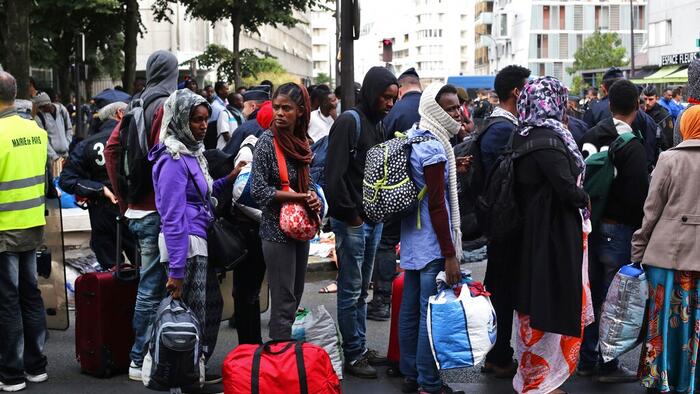
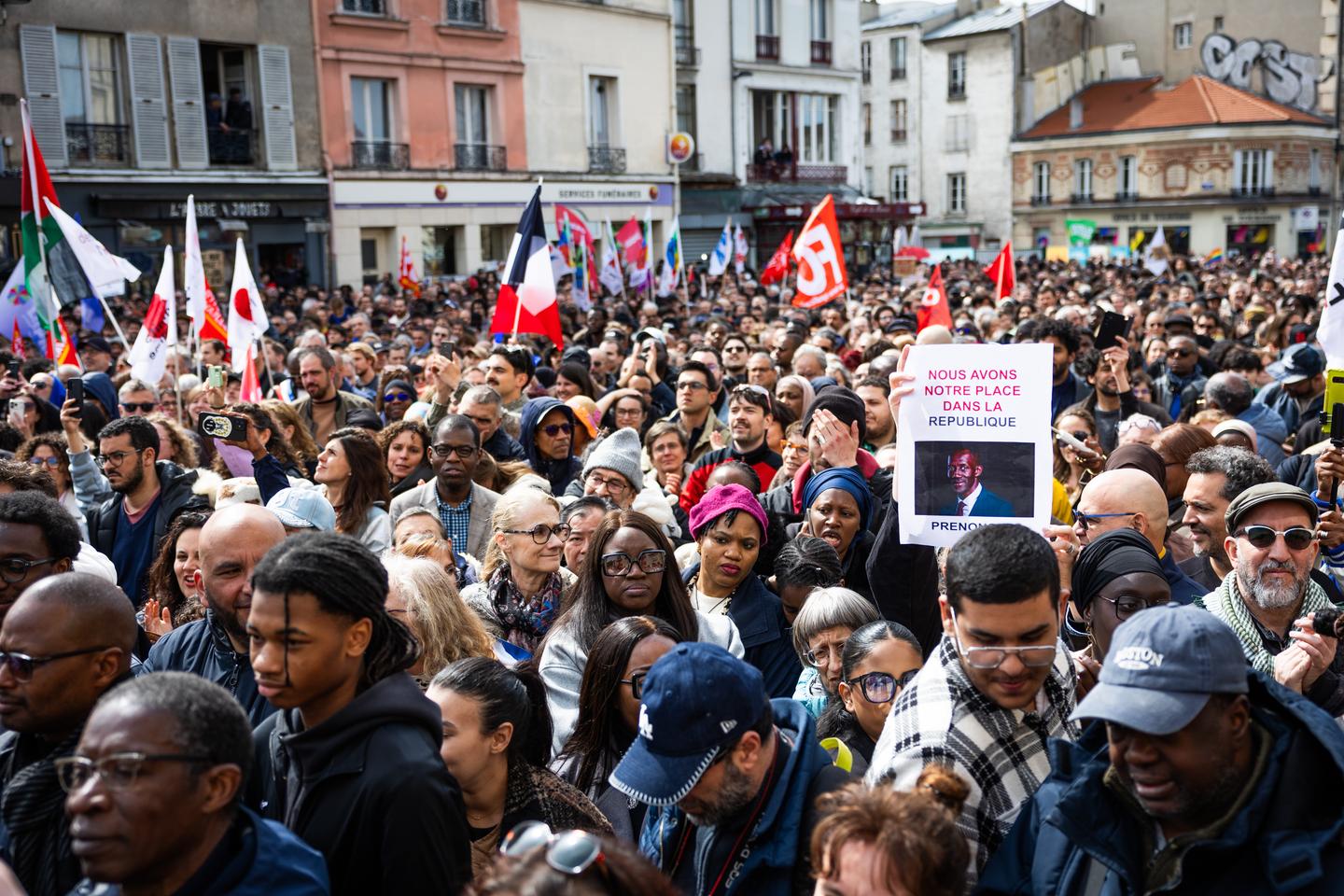
“National Rally voters link their economic difficulties directly to racial resentment, operating on the premise that immigrants ‘cost too much.’”In an interview conducted over email in July, Félicien Faury, a research fellow at the French National Centre for Scientific Research, provided the Hankyoreh with his analysis of the conditions that have fueled the rise of France’s far right.Marine Le Pen, the central figure of the far-right National Rally party, or RN, is leading the first round of opinion polls with around 36% of the votes ahead of the French presidential election scheduled to take place in April 2027.Faury is a political science researcher who has traced the journey of the RN and how it has won over voters. We asked him how a party that loudly calls for discrimination against immigrants can be so widely popular in France.Faury pointed out that troves of the working class, who have now run into tight financial situations, have become followers of the far right. “The far right’s support base consists primarily of working-class and ordinary people in precarious situations. Many of them live in regions hit hard by deindustrialization and the offshoring of jobs. The lower middle class, anxious about rising living costs and housing costs, also constitutes a major support base,” he said. In short, French people angered by their declining purchasing power are turning their backs on traditional left- and right-wing parties and voting for the far right.Xenophobia, which can be traced back to the era of colonialism, created a fertile soil for the far right to thrive. During the Algerian War of Independence, which took place from 1954 to 1962, French nationalist circles argued that Algeria’s independence should be stopped at all costs, even if it meant that it involved the torture and oppression of Algerian Arabs. After Algeria gained independence, some in those factions began to adhere to anti-Muslim and white supremacist rhetoric, angered by how the government forfeited colonial rule. Faury noted how southeastern France, an RN stronghold, was “historically a region heavily affected by the Algerian War and the repatriation of the pied-noirs,” referring to white French settlers in North Africa. “Support for the RN takes shape at the intersection of social and racial issues,” he said.