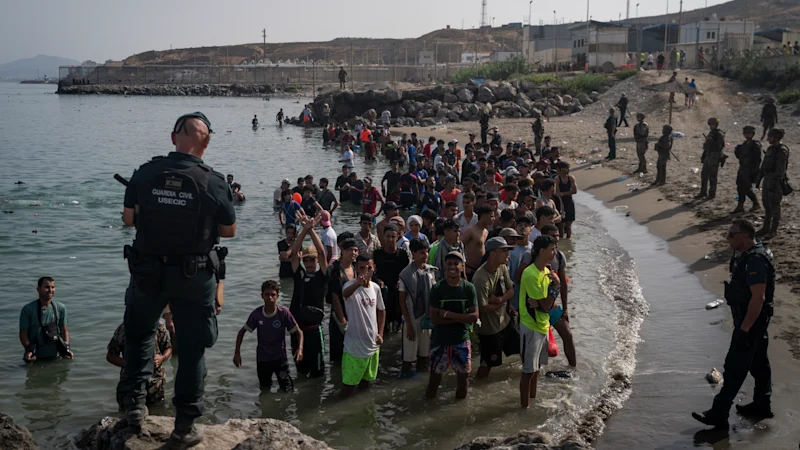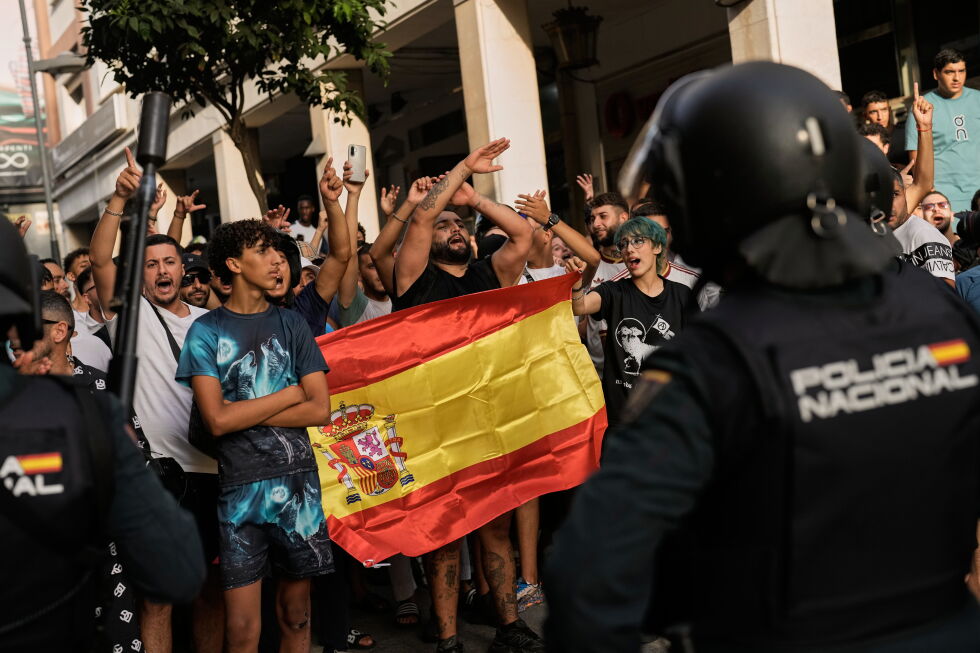
As soon as I arrived, I learnt that a demonstration against the government had just been called, and I made arrangements to go and film it. By then, it made no difference that the Interior Ministry was insisting that almost all the migrants had returned to Morocco. To the chants of "Ceuta is not for sale", "Pedro Sánchez, resign!" and "Ceuta, united, will never be defeated!", those present said they felt abandoned, humiliated and betrayed.
"This cannot be, Spain cannot have such a useless intelligence service that it has no idea what is going on in Ceuta," one woman told me, saying she had not managed to sleep for two nights and had shut herself away at home with her granddaughters.
"This is a military city. The 3,000 soldiers we have should have been deployed to defend it," said another participant as she waved a Spanish flag.
"No one came out to say absolutely anything. At least to say what we are going to do. A plan. Nothing," said a third demonstrator, before launching into fierce criticisms of the government’s migration policies and its management of the crisis.
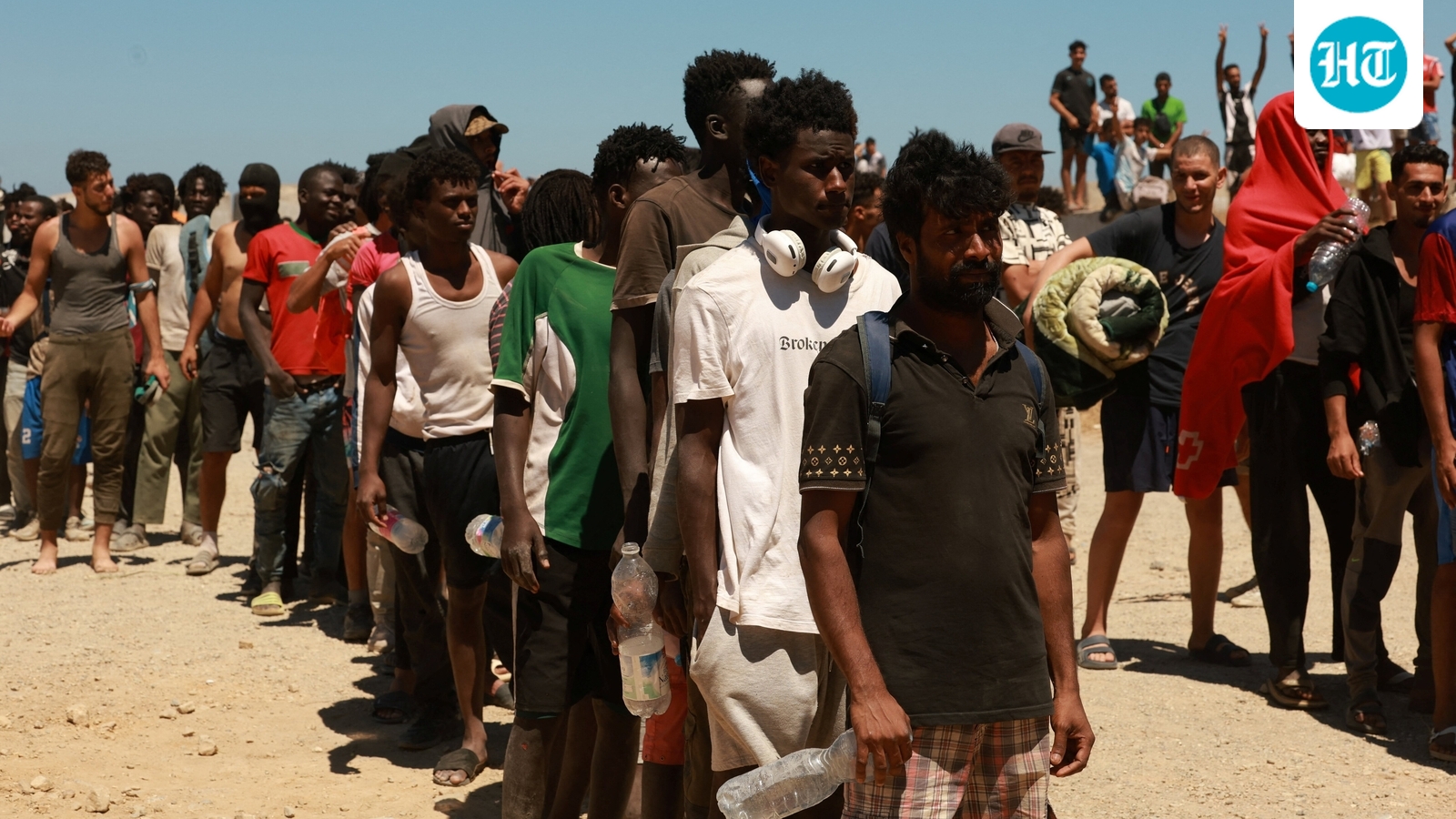
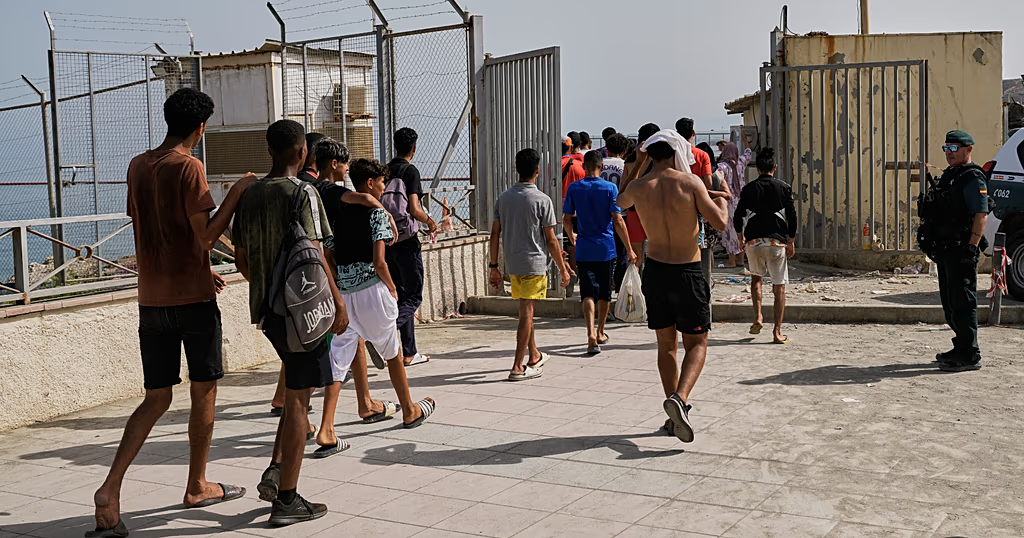
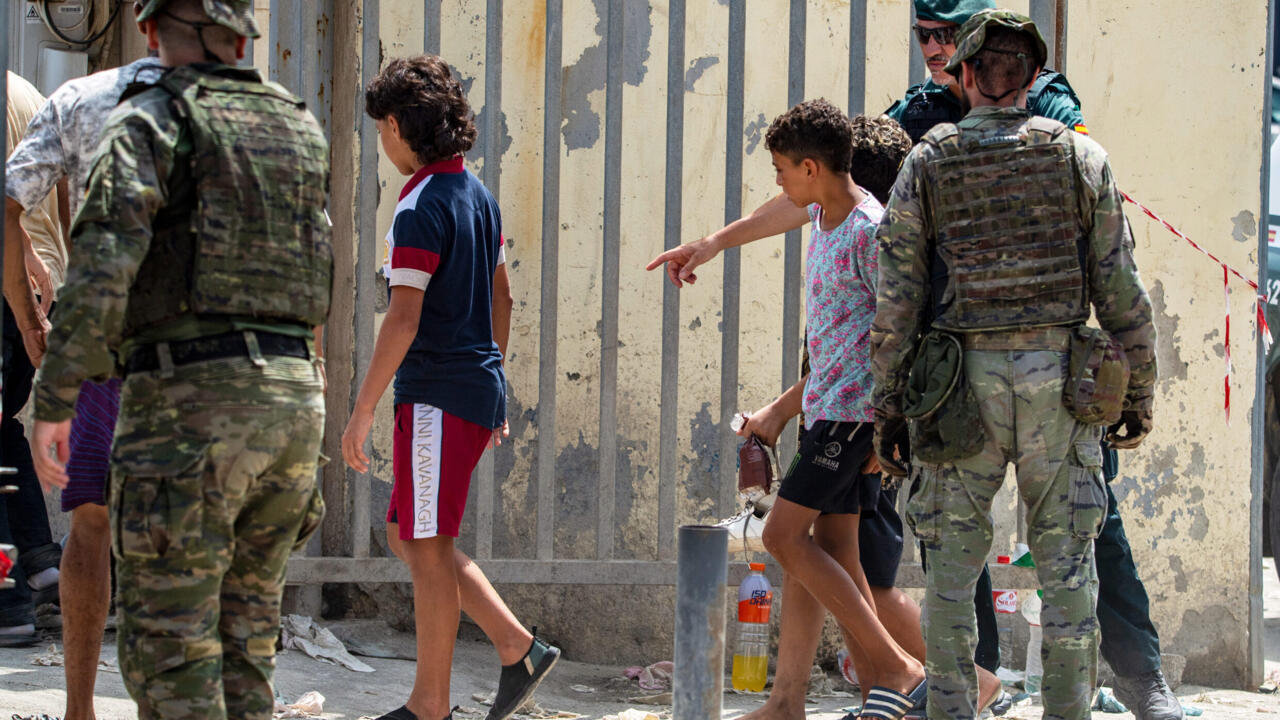
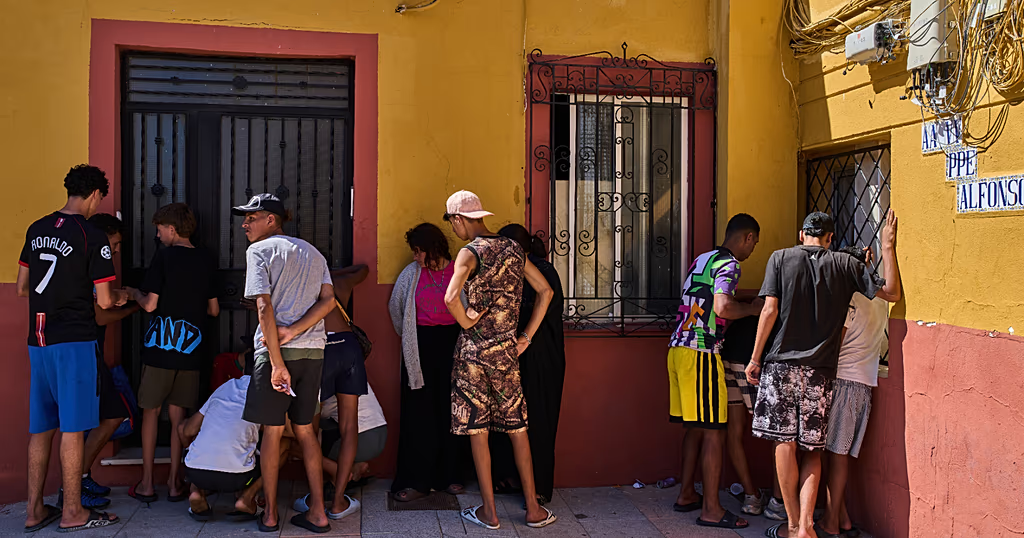
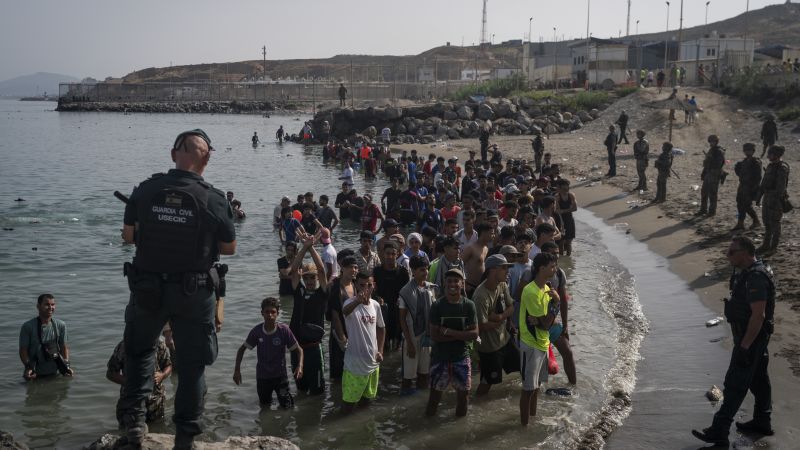
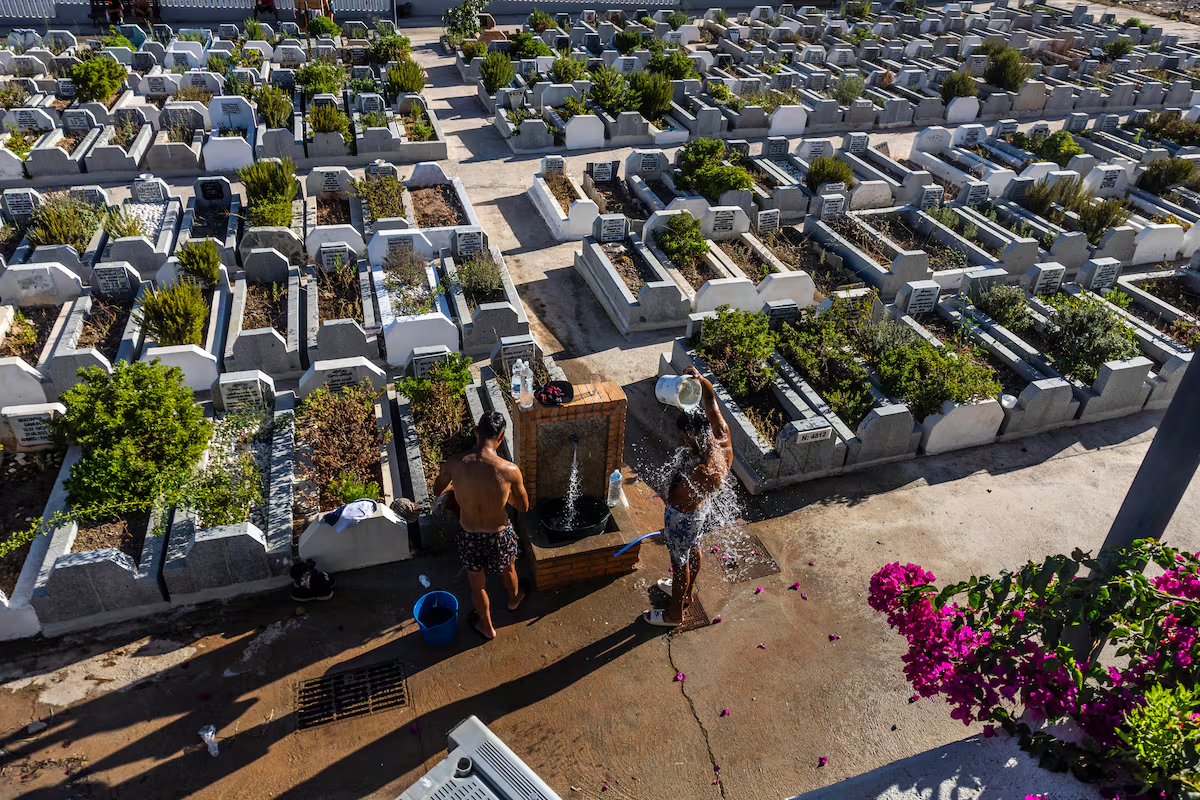
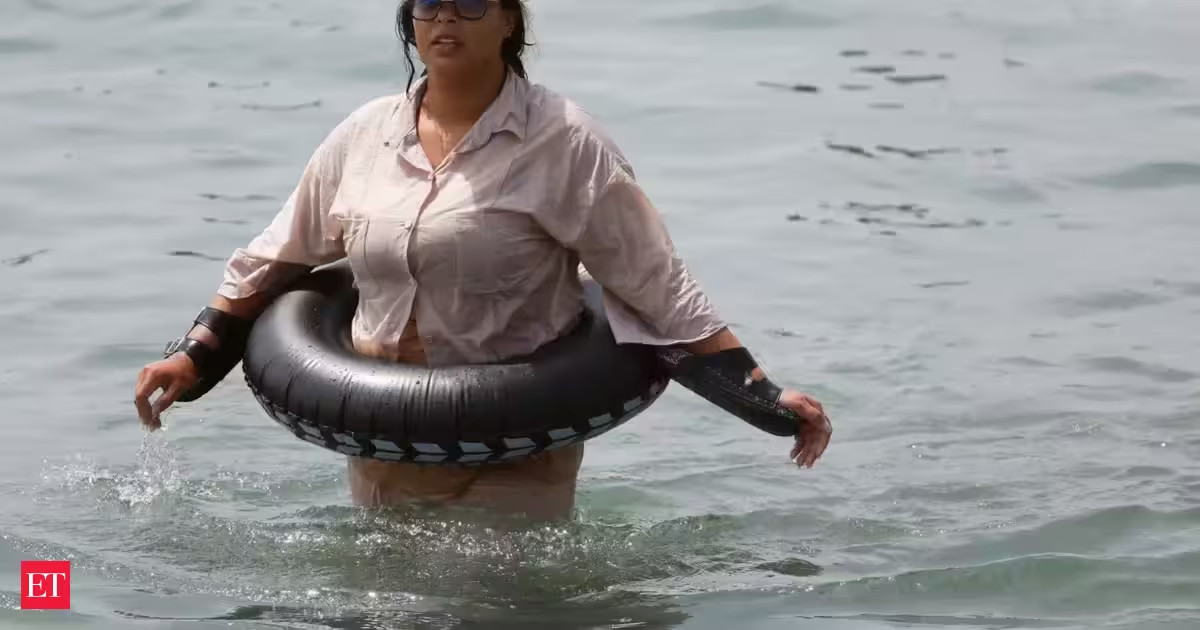
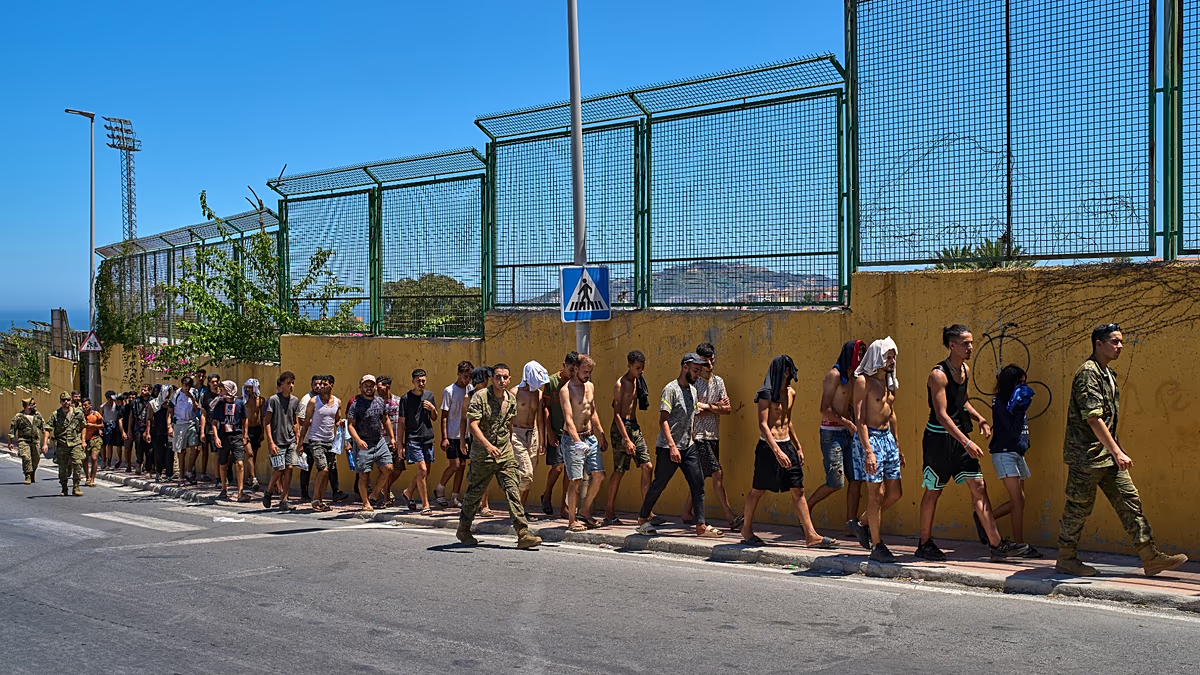
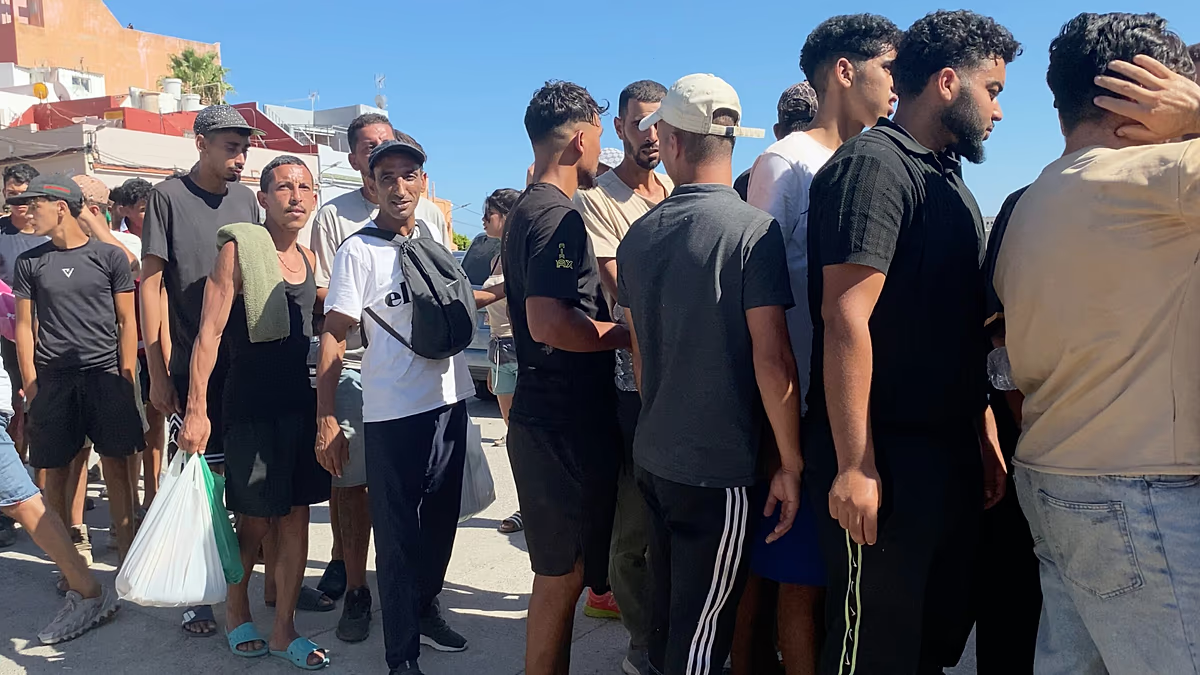
Alongside the indignation, we sensed an unmistakable feeling of fear, heightened by the fact that the migrants who arrived are overwhelmingly men. An undetermined number remain in Ceuta, including at least 1,000 minors, according to the Government Delegation, roaming beaches, streets, parks and wasteland.