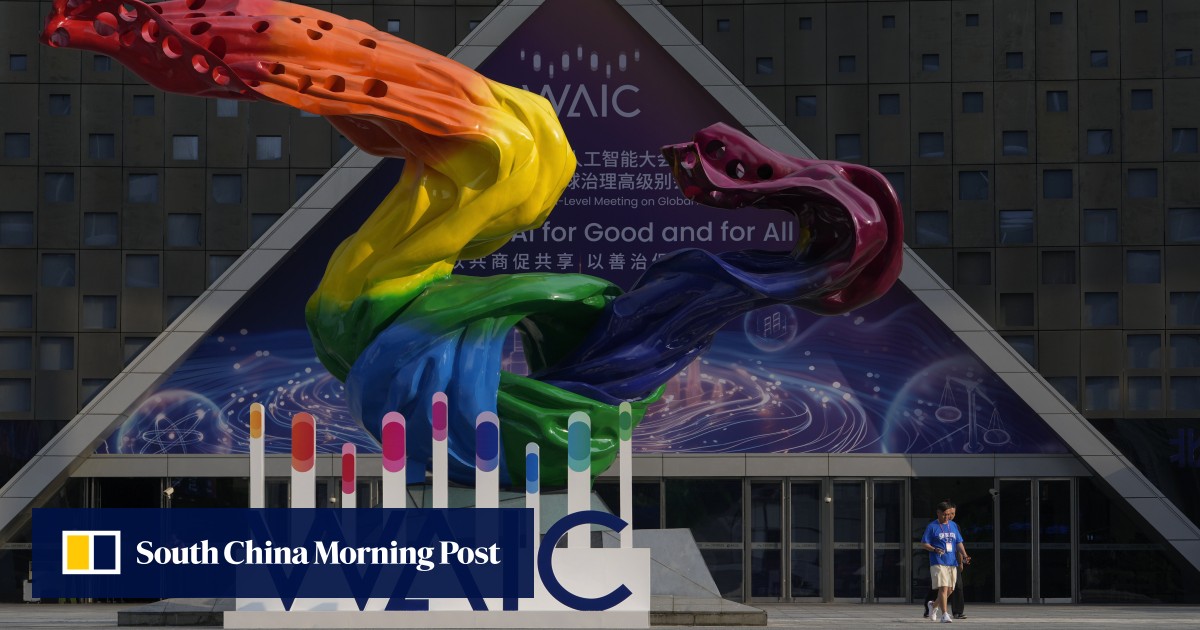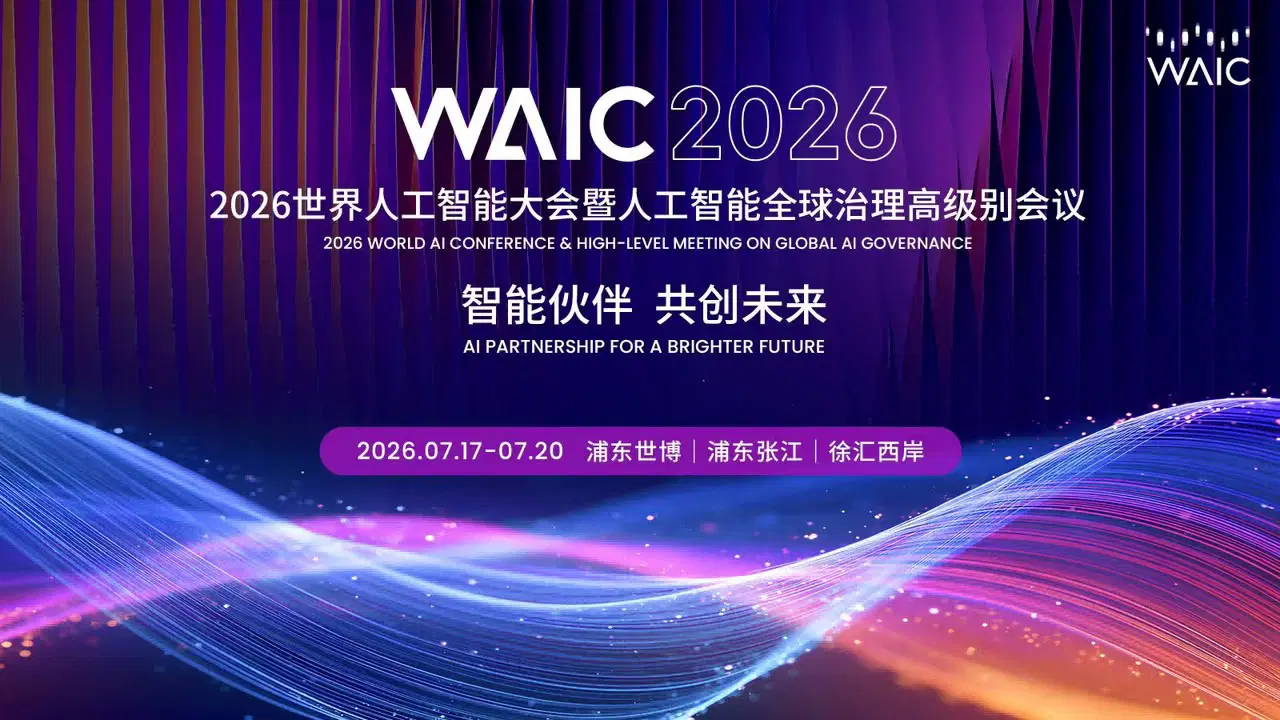
July 17th, Shanghai. The 2026 World Artificial Intelligence Conference and the High-level Conference on Global Governance of Artificial Intelligence opened as scheduled. More than 1,100 enterprises, more than 3,000 exhibits and over 300 world-first products, the exhibition area exceeded 100,000 square meters for the first time. Beyond the scale figures, it is worth asking: When the global AI competition enters the second half, what kind of road is China laying that is different from Silicon Valley?
The answer is in the exhibition hall.Computational Logic: From Chip Competition to System IntegrationWhen you walk into the computing power exhibition area of Hall H2, the most intuitive feeling is not that a certain chip is running away, but a computing power matrix composed of rows of black cabinets.
Huawei Atlas 950 super node was first made public, and 1024 cards were interconnected at high speed; Zhongke Shuguang “Shuguang 8000” national 100,000-card AI super cluster was also unveiled. 108 chips and 261 large models compete on the same stage.
The signal conveyed by this scene is clear: the global computing power competition is shifting from the “100-meter sprint” of single chip performance to the “marathon” of system integration and large-scale deployment. American companies are good at depicting the grand blueprint of next generation computing with technology roadmap; China manufacturers choose to move the whole cabinet and cluster of real machines into the exhibition hall for visitors to touch with their own hands.