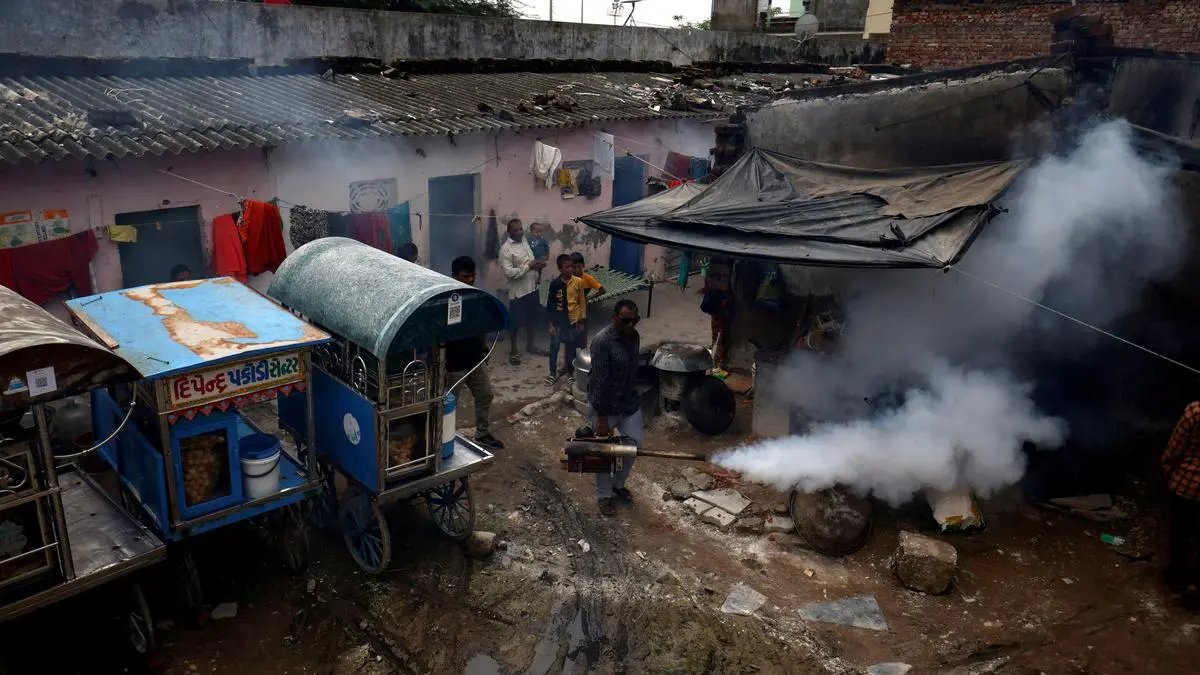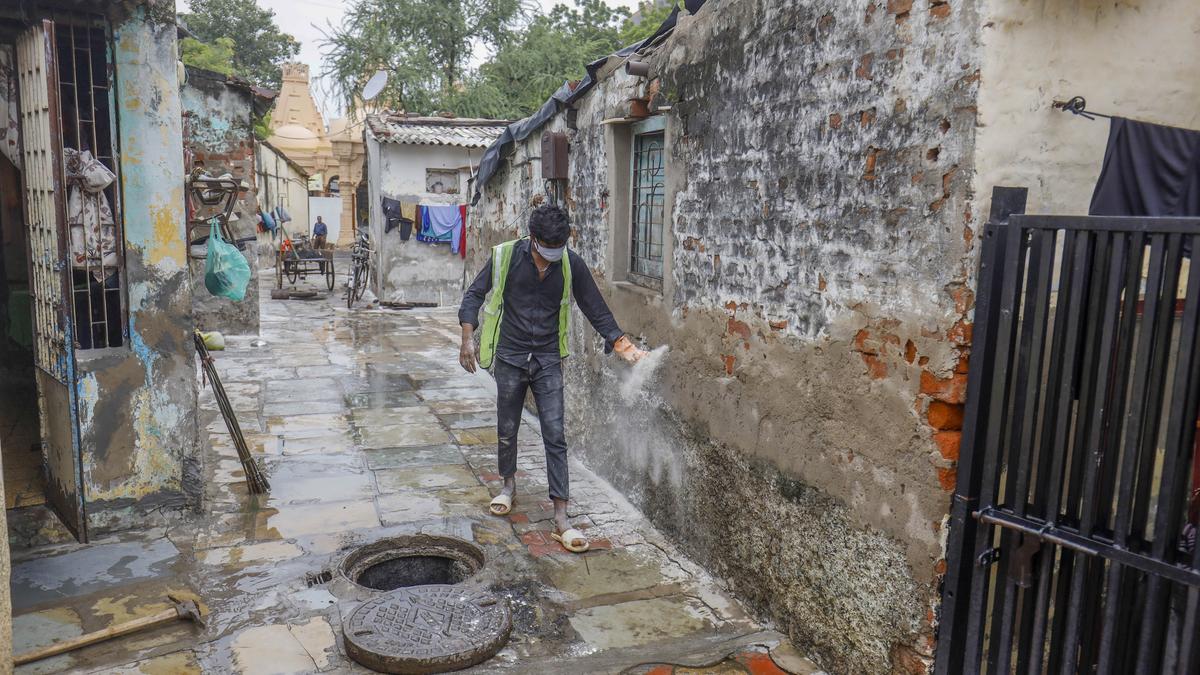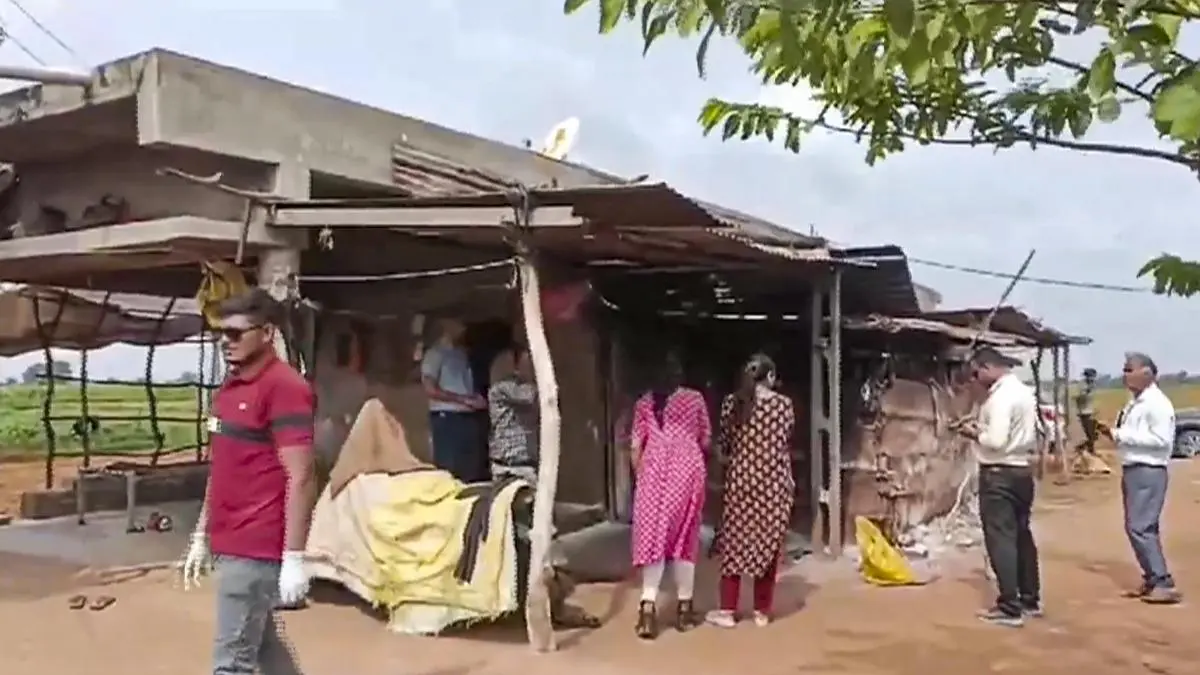
The Union Ministry of Health and Family Welfare has sent a National Joint Outbreak Response Team (NJORT) to Gujarat and Rajasthan to bolster the state government’s response to the ongoing outbreak of Chandipura virus disease (CHPV), a mosquito and sandfly-borne illness that can progress to Acute Encephalitis Syndrome (AES).The team which comprises of experts from the National Centre for Disease Control (NCDC), Indian Council of Medical Research (ICMR) and the Department of Animal Husbandry and Dairying (DAHD) will work alongside state health authorities on outbreak investigation, epidemiological assessment, clinical management, laboratory coordination and vector control, the health ministry said in a statement. Also read: Gujarat reports 35 Chandipura Virus cases, 22 deaths: Health Minister Praful PansheriyaAfter completing its field assessment the team is expected to submit recommendations to the Ministry. The NCDC has also activated its Public Health Emergency Operations Centre to support the deployment, the ministry further said.Researchers from several ICMR institutes including the National Institute of Epidemiology in Chennai, National Institute of Vector Control Research in Puducherry, National Institute of Virology in Pune and the National Institute for Pre-Clinical Research in Hyderabad are working with Gujarat’s state health department, alongside veterinary scientists from ICAR-NIVEDI in Bengaluru.Investigators are tracking the full range of the disease, from mild fever to severe encephalitis, while ramping up surveillance among patients with acute febrile illness and AES in affected districts, the ministry said.“Community serosurveys are underway to gauge how many infections may be going undetected, and labs are working to improve diagnostic tests and animal models of the disease”.Sandflies are the known carriers of Chandipura virus but scientists are also investigating whether mosquitoes, ticks or mites could be spreading it in the current outbreak. Large numbers of vector samples from affected areas are being analyzed, though officials caution it’s too early to pin down which insect is responsible this time. Animal surveillance has also been expanded, with around 70 blood samples collected from cattle, buffaloes and goats along with milk samples to check whether livestock could be acting as a reservoir for the virus. Authorities say no conclusions can be drawn until testing is complete.Also read: Chandipura virus claims 22 lives in Gujarat: Why children are most vulnerable, what parents should watch for, symptoms, treatment and government actionAlong with this, a whole-genome sequencing of virus samples from the current outbreak is being conducted at the Gujarat Biotechnology Research Centre in Gandhinagar. Early results show minor genetic variations but researchers say more detailed comparative studies are needed before they can say whether the circulating strain has evolved from those behind earlier outbreaks.
Centre deploys national outbreak team to Gujarat, Rajasthan as Chandipura virus cases rise
A national team has been sent to Gujarat and Rajasthan to aid the ongoing Chandipura virus disease outbreak. Experts are investigating the illness and its spread, working with state health authorities. Researchers are also examining potential insect carriers and animal reservoirs for the virus. Community surveys are underway to detect undetected infections and improve diagnostic tests. Whole-genome sequencing is being conducted to understand the circulating virus strain.
428 words~2 min read