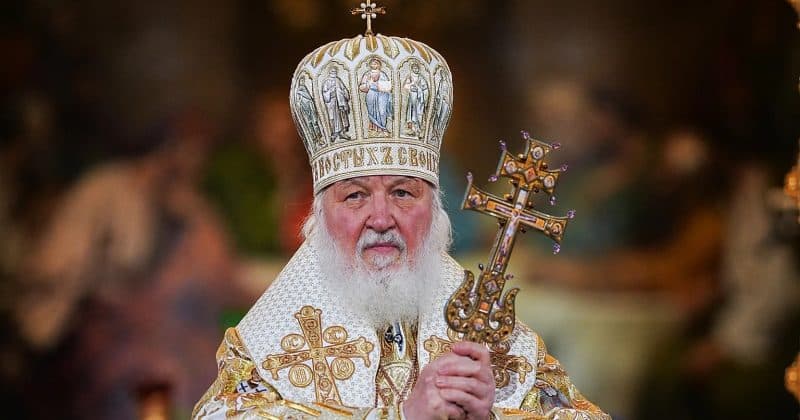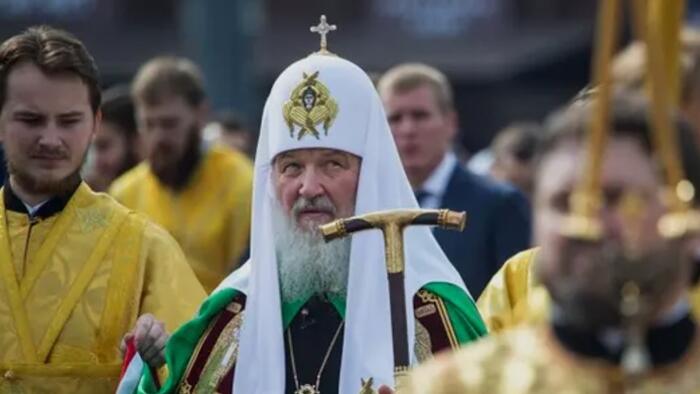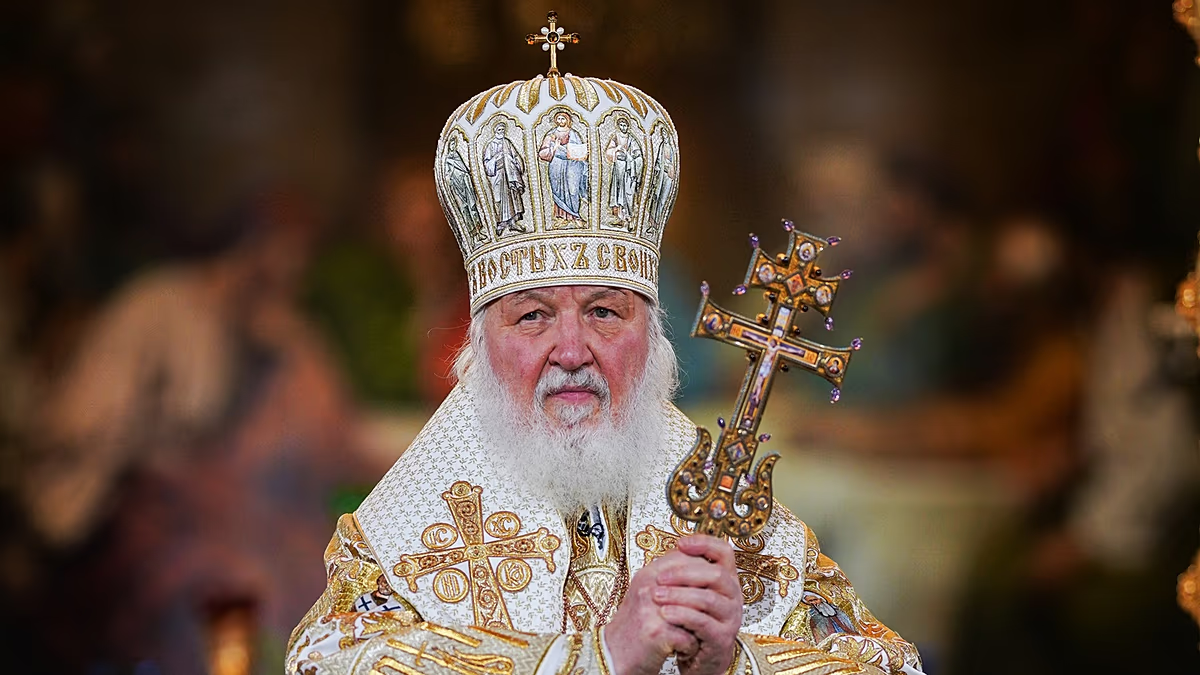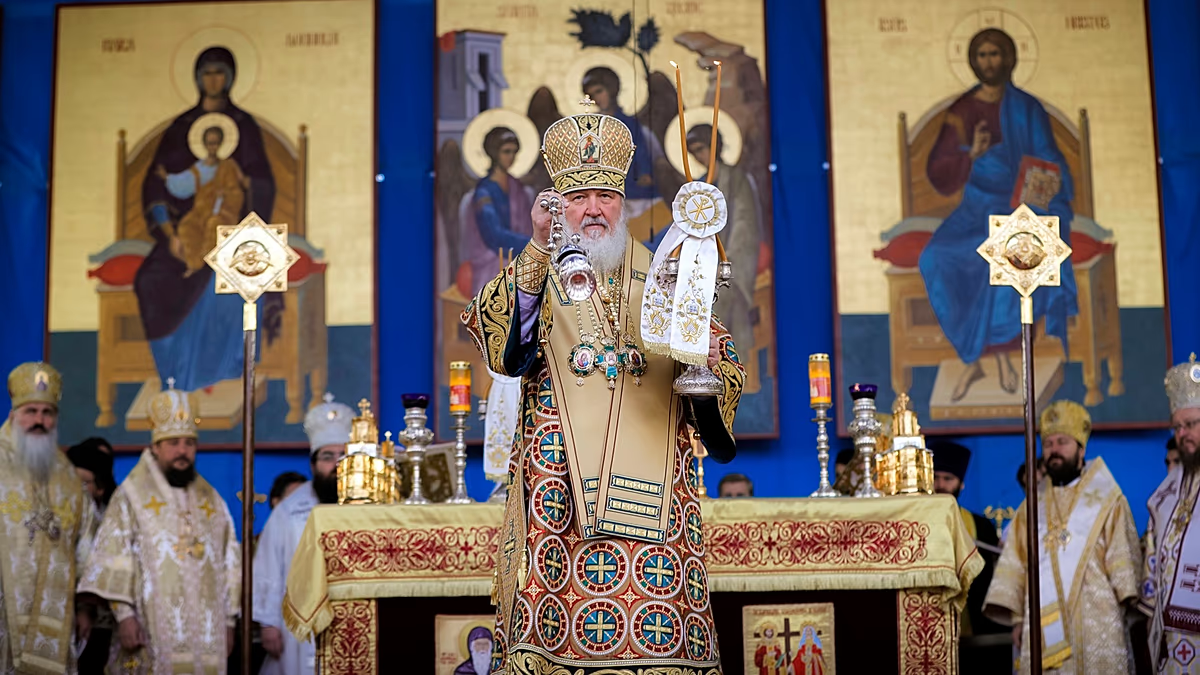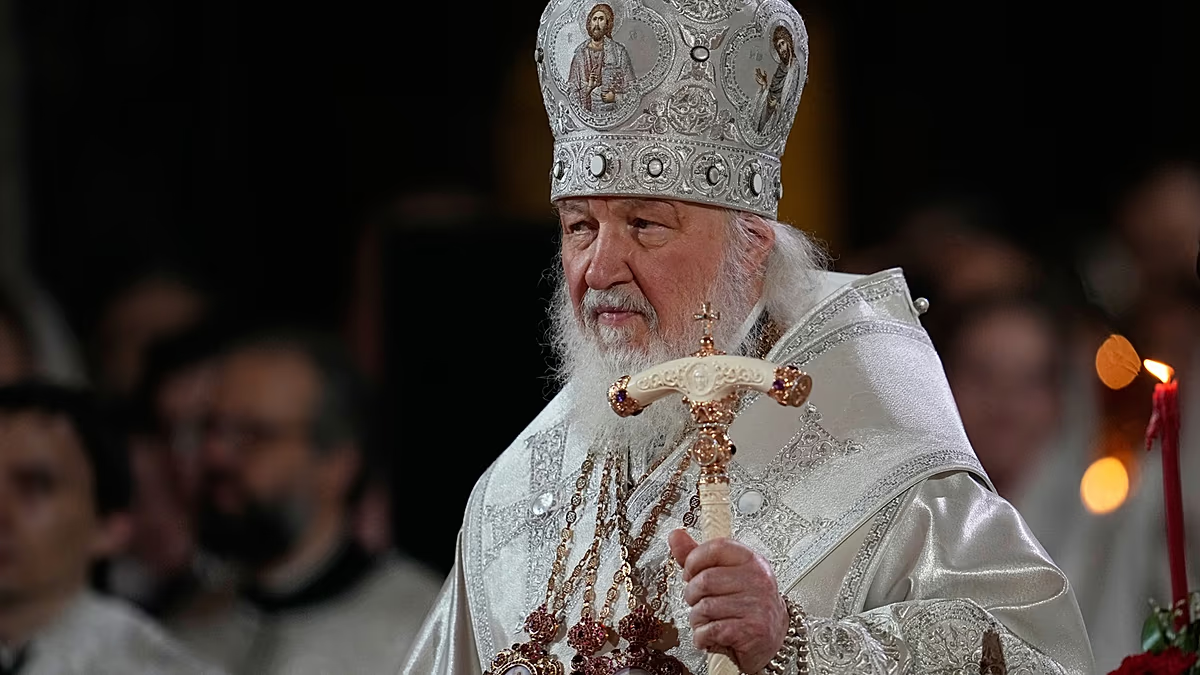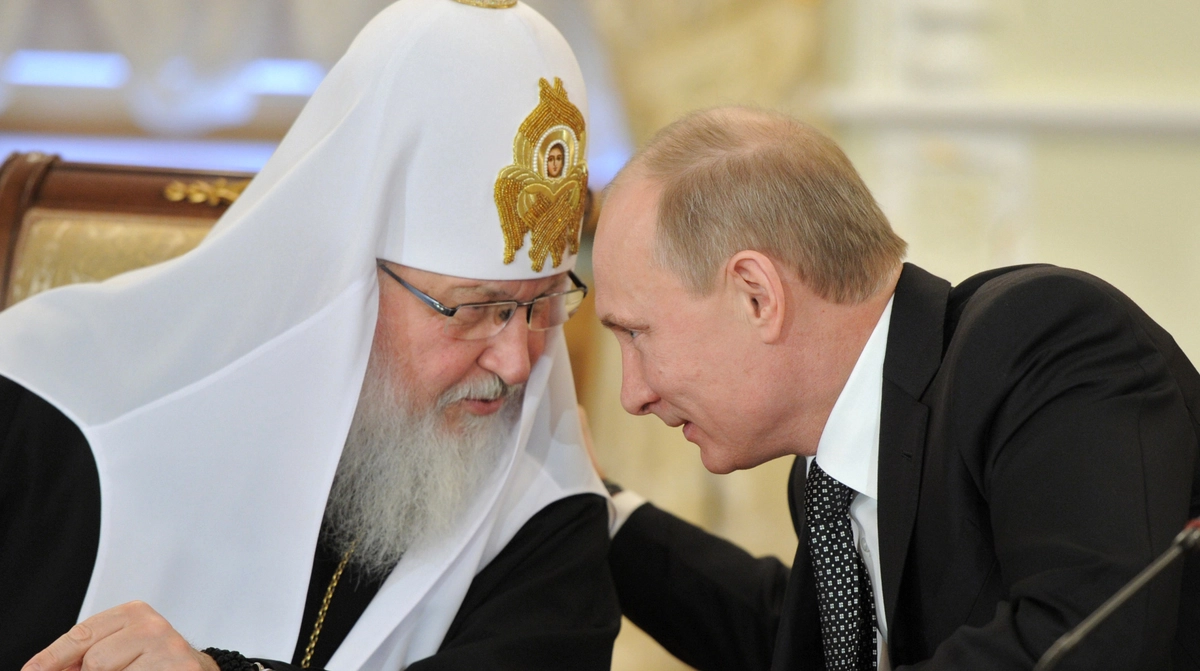
The European Union's latest sanctions package against Russia was the first to be adopted since Hungary's elections. Although Viktor Orbán is no longer in office, the package proved considerably less stringent than originally planned. Among its most notable omissions was Russian Orthodox Church Patriarch Kirill (Vladimir Gundyayev), who once again escaped sanctions.
The EU first attempted to sanction Kirill in 2022, but the effort was blocked by Orbán. This time, however, the role once played by the former Hungarian prime minister was assumed by Bulgarian President Rumen Radev, who threatened to veto the entire package if sanctions against Kirill were included. His argument was that politics should not interfere with religion.
The Russian Orthodox Church's August Nuclear Chronicle
Yet on the very first day of August, Kirill enthusiastically described the creation of the Soviet atomic bomb as "an act of God's grace." Once again, he stressed that the bomb had been developed in Sarov—formerly Arzamas-16, one of the principal centers of the Soviet nuclear project—on the very site where Saint Seraphim of Sarov had once prayed.
According to Gundyayev, the atomic bomb saved the Soviet Union "from catastrophic destruction that could have left neither the country nor its people." He claimed this had happened, in part, "through the prayers of our venerable and God-bearing Father Seraphim of Sarov, whose holiness helped ensure that our people and our nation continue to exist."