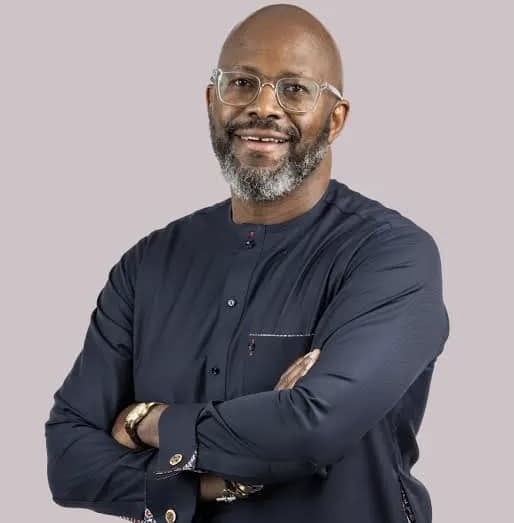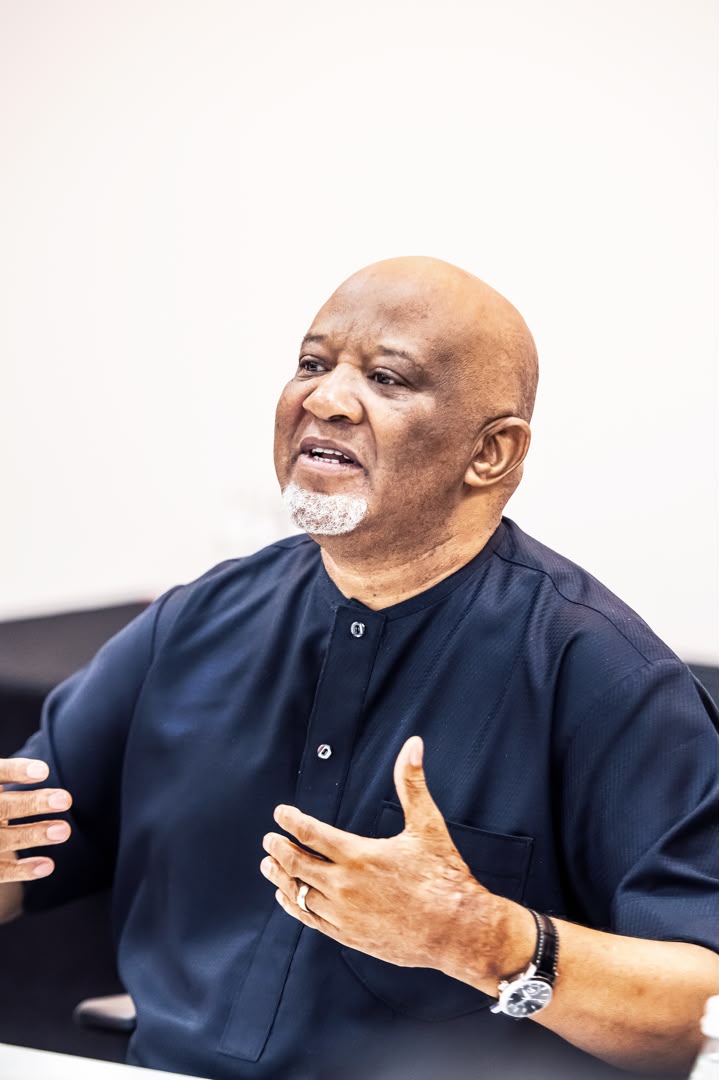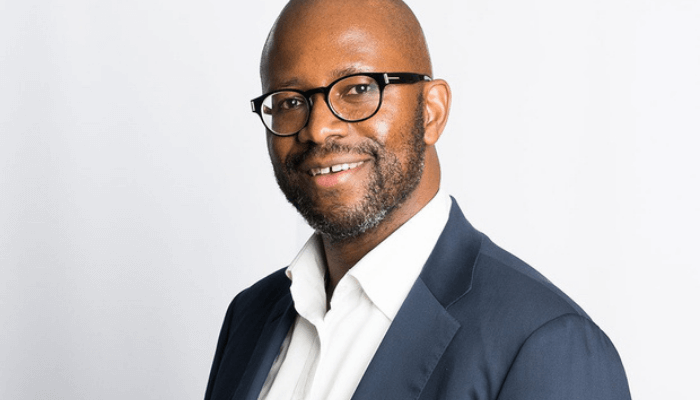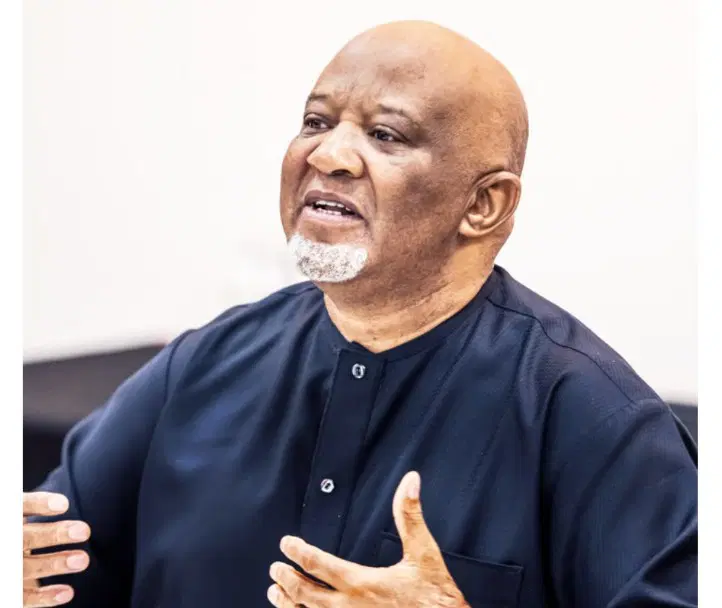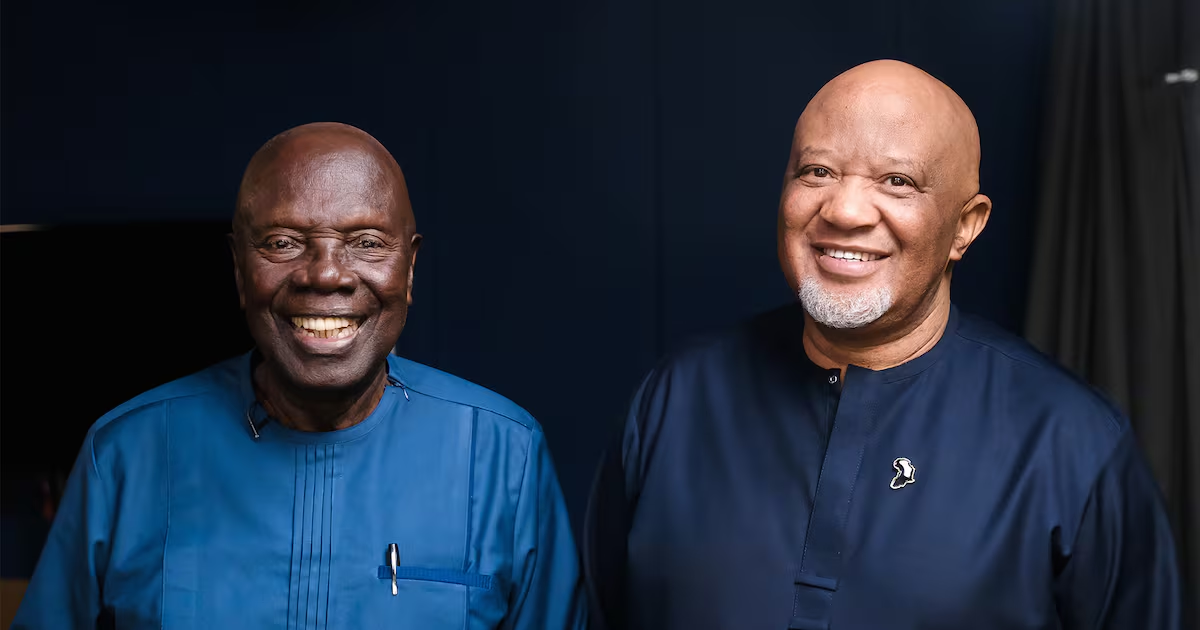
MTN Group chairman Mcebisi Jonas and MTN Ghana board chairman Ishmael Yamson say greater cooperation between Africa’s public and private sectors, and among the continent’s largest economies, is needed to accelerate development, with Jonas describing Africa as being at a “critical crossroads”.That imperative has become more pressing as nationalist sentiment rises globally and tensions over migration intensify at home. In South Africa, legitimate concerns about employment, public services, security and migration have increasingly become entangled with actions targeting foreign nationals and immigrant-owned businesses.Dr Ishmael Yamson (left), chairman of the board at MTN Ghana, and MTN Group chairman Mcebisi Jonas. (MTN Group) For Jonas and Yamson, retreating into national divisions will not resolve these pressures. Africa needs stronger institutions, well-managed migration and greater economic integration capable of expanding opportunity across the continent.The pair examine the practical steps required to advance that integration in the latest episode of MTN’s thought-leadership vodcast series, The Yello Chair (watch it above). Their discussion covers public-private partnership, cooperation among Africa’s major economies, the implementation of the African Continental Free Trade Area (AfCFTA), and the contribution of African multinationals to national and continental development.Jonas says global geopolitical disruption has exposed the continent’s dependence on external markets and strengthened the case for greater resilience. This includes energy independence, which is essential to industrial growth and the digital infrastructure on which economies increasingly depend.Cashing in on Africa’s youth dividendMuch has been said about the potential of Africa’s large and growing youth cohort. With its population projected to reach 2.5 billion by 2050 and a median age of about 19, the continent stands in stark contrast to many developed economies grappling with ageing populations and shrinking workforces.But demographics are not an automatic dividend. Education, training and digital skills will determine whether young Africans can participate meaningfully, contributing to sustained economic growth.Strong leadership, attractive investment conditions and institutions capable of supporting them are essential to convert the demographic dividend into economic prosperity. Government and business must partner for growthJonas stresses the importance of independent, technically competent and inclusive institutions in sustaining democracy, economic participation and investor confidence.Capable government institutions are essential, but governments cannot deliver the continent’s development agenda alone.Yamson places public-private partnership at the centre of the solution. Business brings capital, expertise and operating knowledge, but its contribution is most effective when corporate strategy aligns with national priorities.“When a private sector company understands how a country works and works to be part of that country, both the country and the private sector will grow and prosper,” Yamson says.MTN’s approach illustrates that principle. Executives across the group are expected to understand each market’s economy, development plans and regulatory environment, then determine how the telecommunications giant’s capabilities can support that national agenda. This can include investing in digital skills, contributing technical knowledge and strengthening public-sector digital capacity.The intention is for MTN to be part of each country in which it operates, rather than a company positioned outside it. Our fortunes as MTN are intertwined with the fortunes of the continent— Mcebisi Jonas, MTN Group chairmanYamson describes MTN Ghana in those terms: not as a foreign or South African company, but as a Ghanaian company whose capital originated elsewhere.That identity carries obligations. Paying taxes and complying with regulations are fundamental, but they do not, on their own, establish trust.Jonas distinguishes between the technical licence granted by a regulator and the social licence earned from society. The latter requires a company to contribute to the country’s development agenda and demonstrate relevance to its people.MTN’s experience also highlights why local relevance and continental scale should reinforce one another. For the company, commitment to each market sits within a wider pan-African identity.“Our fortunes as MTN are intertwined with the fortunes of the continent,” Jonas says. “If the continent goes down, we go down. If the continent is lifted, we are also lifted.”Advancing continental integrationThat interdependence is not limited to one company. It also applies to Africa’s economies, which cannot realise their full potential while operating largely in isolation from one another.Jonas points out a significant gap in the landscape: the lack of robust trade and dialogue between Africa’s largest economies, such as South Africa, Nigeria and Kenya. “If big economies of the continent are not working together, are not aligned in terms of agenda, are not trading with each other, then you have a problem,” he says.“We need to have interdependence – some kind of G20 or G7 for the continent. It’s important that we start thinking about that, be pragmatic about it, and probably be less ideological about it.”While Jonas emphasises cooperation among the continent’s largest economies, Yamson argues that existing regional groupings provide another practical route towards integration.Rather than attempting to tackle continental unity all at once, Yamson advocates for leveraging existing regional bodies, such as the Economic Community of West African States, Southern African Development Community, and East African Community. The structures already exist, he argues. Their weakness has been inconsistent implementation of the policies to which countries have agreed.“If we leverage and strengthen our regional groupings, drawing on their expertise, knowledge and experience, we can lay the foundation for a stronger continental framework in which countries and the private sector can grow and prosper,” says Yamson. Strengthening these regional blocs will require countries to move beyond policy commitments and address the regulatory differences that continue to impede cross-border business. To operate as one economic unit, Yamson warns against the dangers of a balkanised continent. “It’s important that we advance the harmonisation of laws and regulations across the continent, particularly among its major economies, so that businesses can operate across borders without undue difficulty,” he says. Greater alignment would reduce friction, support the growth of African businesses and provide a stronger base from which they could compete globally.Both leaders view the AfCFTA as a transformative stepping stone. Its value, however, will depend on implementation. Countries must translate their commitments into rules and systems that allow goods, capital and services to move more efficiently across borders.Economic integration must also be accompanied by a clearer, rules-based approach to the movement of people. Yamson argues that Africans should be able to move and work legally across the continent while respecting local laws.If Africans do not see themselves as one continent and act accordingly, then we will not realise the benefits of scale enjoyed by China and India— Ishmael Yamson, chairman of the board at MTN GhanaFor Yamson, this is also a question of identity. Africa’s colonial-era divisions should not continue to determine how its people relate to one another.He illustrates this with the fluid, almost invisible border between Ghana and Côte d’Ivoire, arguing that Africa must unite around a shared destiny, rather than allowing its history to dictate a fractured and isolated future.“If that population is not harmonised, if Africans do not see themselves as one continent and act accordingly, then we will not realise the benefits of scale enjoyed by China and India,” he says. Looking further ahead, Jonas says integration would also require stronger physical and financial connections between African economies. “We are seeing more thought applied to the logistics chains that connect the continent. If this work is pursued consistently, Africa will look very different. We must also build, protect and deepen our financial markets, because these systems are interconnected.”Africa does not lack frameworks for integration. It lacks consistent execution. Progress will depend on capable institutions, stronger cooperation among governments and African businesses using their scale, expertise and capital to strengthen both national economies and the continent as a whole.This article was sponsored by MTN.
WATCH: Africa’s growth depends on stronger regional integration, say MTN leaders
SPONSORED | Mcebisi Jonas and Ishmael Yamson discuss why closer cooperation between businesses, governments and the continent’s largest economies is key to accelerating Africa’s development
1,252 words~6 min read