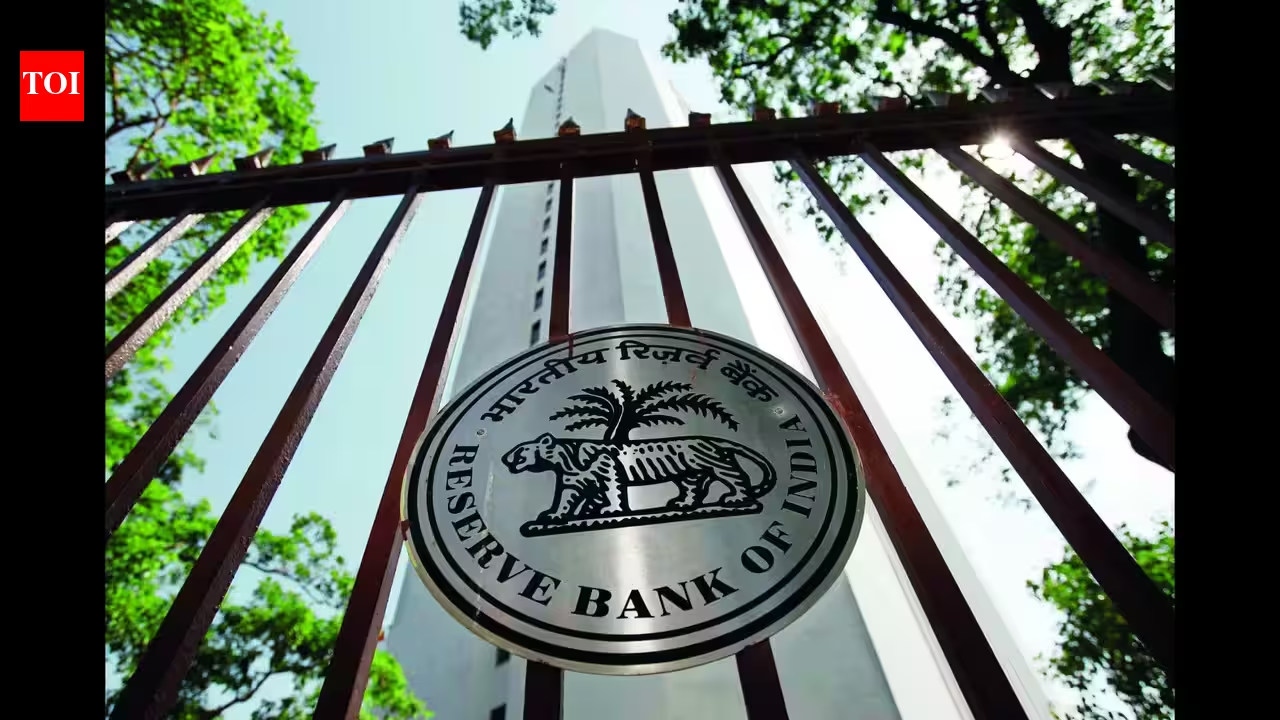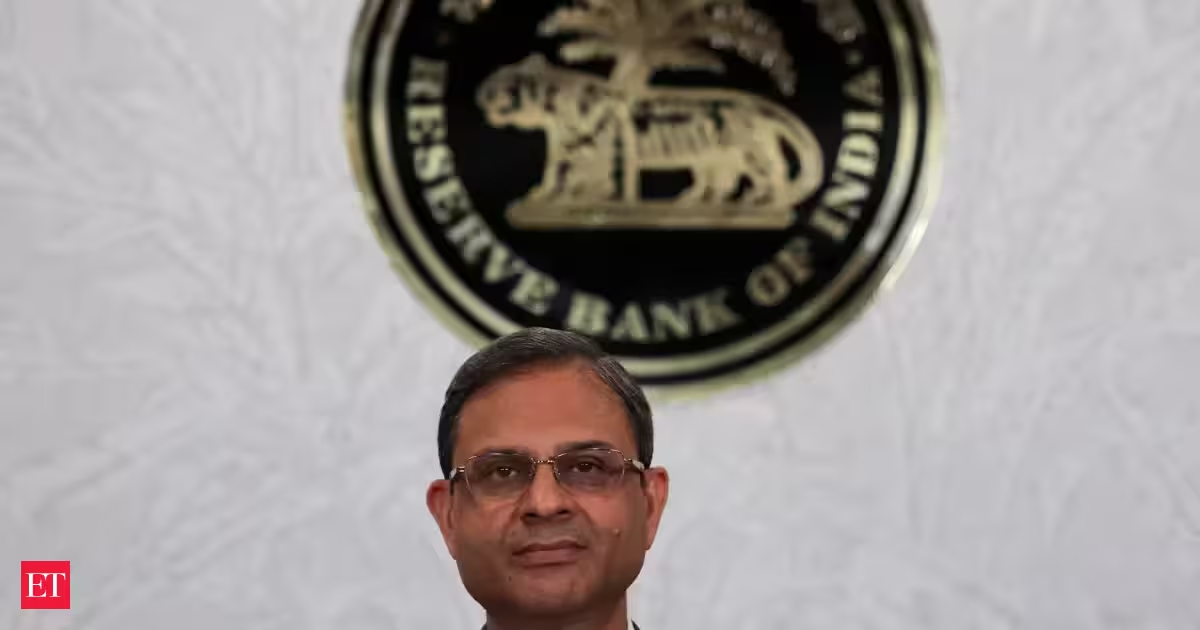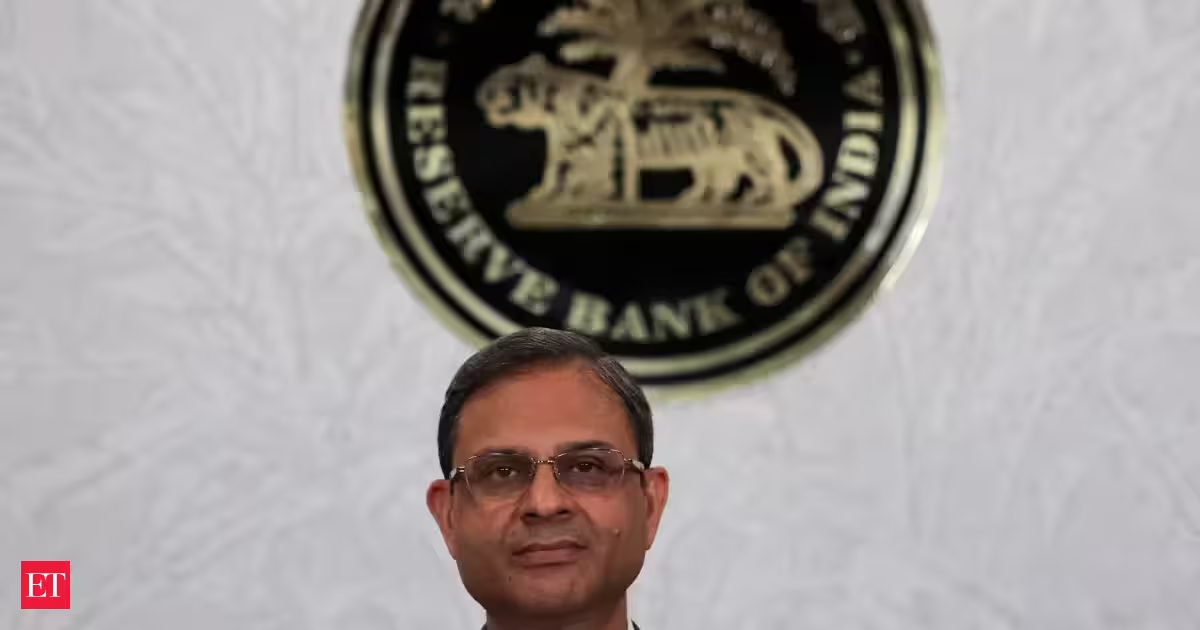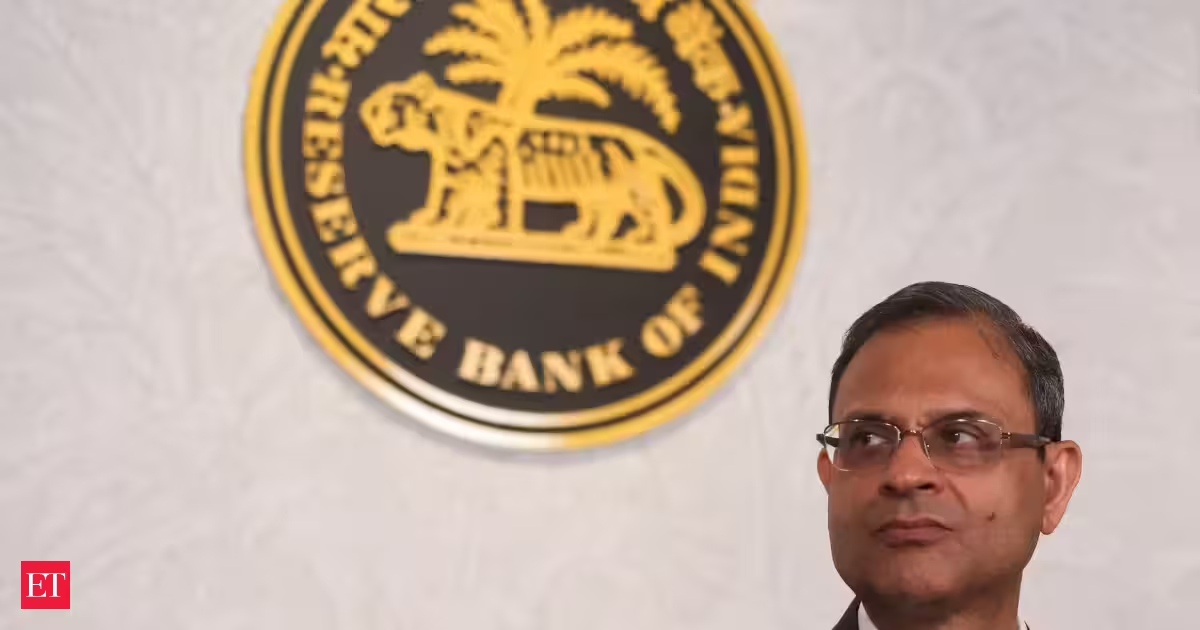
Kolkata: The Reserve Bank of India has decided to resume the process of issuing new licences to urban cooperative banks (UCBs) after a pause of more than two decades.“On the basis of the feedback received on the discussion paper on licensing of UCBs, we are issuing draft guidelines for resuming licensing of UCBs,” central bank Governor Sanjay Malhotra said on Wednesday.It has been 22 years since the RBI put the licensing of UCBs on hold after finding that a large number of newly licensed UCBs had become financially unsound within a short period.The decision to examine the pros and cons of issuing new UCB licences was first announced in the monetary policy statement on October 1, 2025.The RBI observed that the operating environment had changed since 2004, when UCB licensing was paused.“The UCB sector has transformed significantly since then,” the RBI said at the time while publishing a discussion paper on licensing new UCBs.A cooperative society, whether registered under any State Cooperative Societies Act or under the Multi-State Cooperative Societies Act, is required to obtain a licence under Section 22, read with Section 56, of the Banking Regulation Act, 1949, from the RBI to carry out any banking business.UCBs were brought under the ambit of the RBI in 1966 through an amendment to the Banking Regulation Act, 1949. A cooperative society that has been granted a banking licence as a primary cooperative bank is commonly referred to as a UCB. UCBs form the largest cohort of banks by number regulated by the RBI.Between 1993 and 2001, the RBI issued 823 UCB licences. As of March 31, 2025, the number of UCBs stood at 1,457, official data showed.
RBI to resume urban cooperative bank licensing process after two decades
The Reserve Bank of India will resume issuing new licenses for urban cooperative banks. This process has been paused for over two decades due to past financial instability. Draft guidelines for resuming UCB licensing have now been issued by the central bank. The operating environment for these banks has significantly transformed since 2004. This move follows extensive feedback on a discussion paper concerning UCB licensing.
277 words~1 min read