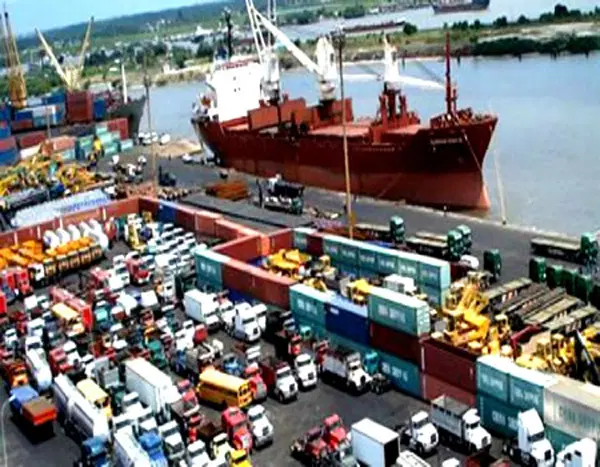
For too long, four of the most valuable assets Delta State owns have sat idle — Warri, Koko, Sapele and Burutu ports. Every week that these ports remain underused is a week of lost jobs, lost trade, and lost opportunity for our people. I am an engineer before I am anything else, and I look at these ports the way an engineer looks at a broken machine: not as a talking point, but as a system that can be fixed, rebuilt, and put back to work.
Why the dockyard matters
A dockyard is not just a place where ships are repaired. It is an economic engine. A functioning dockyard pulls in shipping companies, logistics firms, marine equipment suppliers, fabrication yards and export businesses, all of whom need workers, and all of whom pay into the local economy. When a dockyard is alive, everything around it comes alive too: the markets that feed the workers, the transport that moves goods, the housing that shelters the workforce.
That is why I have developed a structured revival plan for Delta's dockyard system, a 17-department operational framework covering everything from vessel repair and maintenance, fabrication and welding, marine engineering and dry-docking, to logistics coordination, safety and environmental compliance, procurement, and administration. This is not a slogan. It is a blueprint for how a dockyard actually runs, department by department, so that on day one of implementation, we know exactly what needs to be stafed, equipped, and activated.