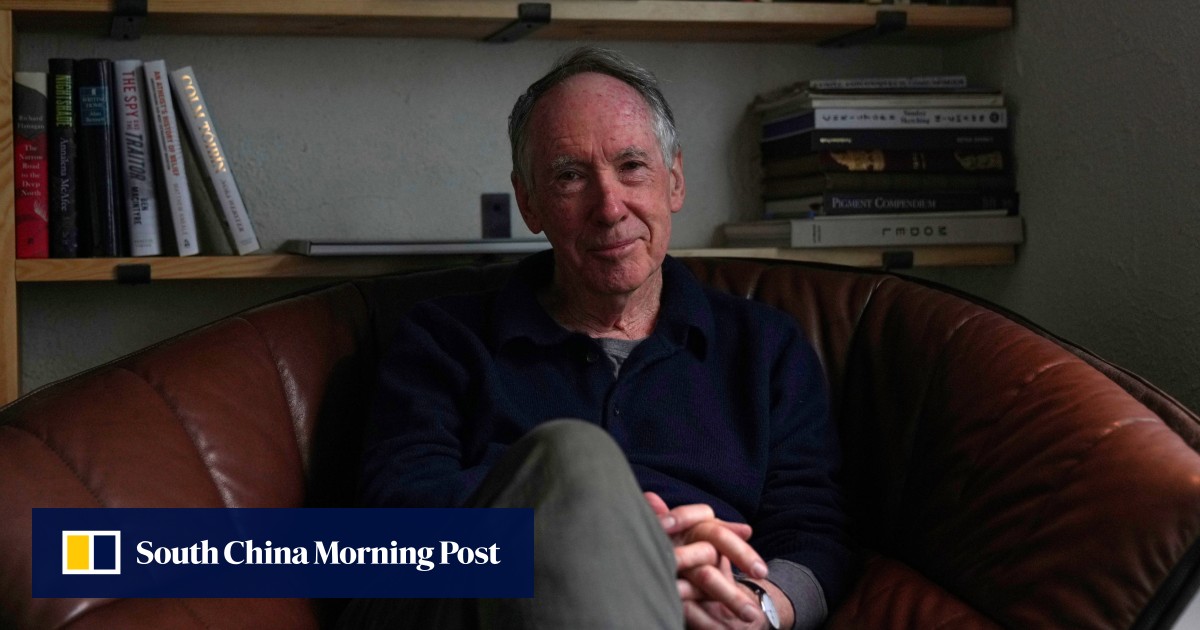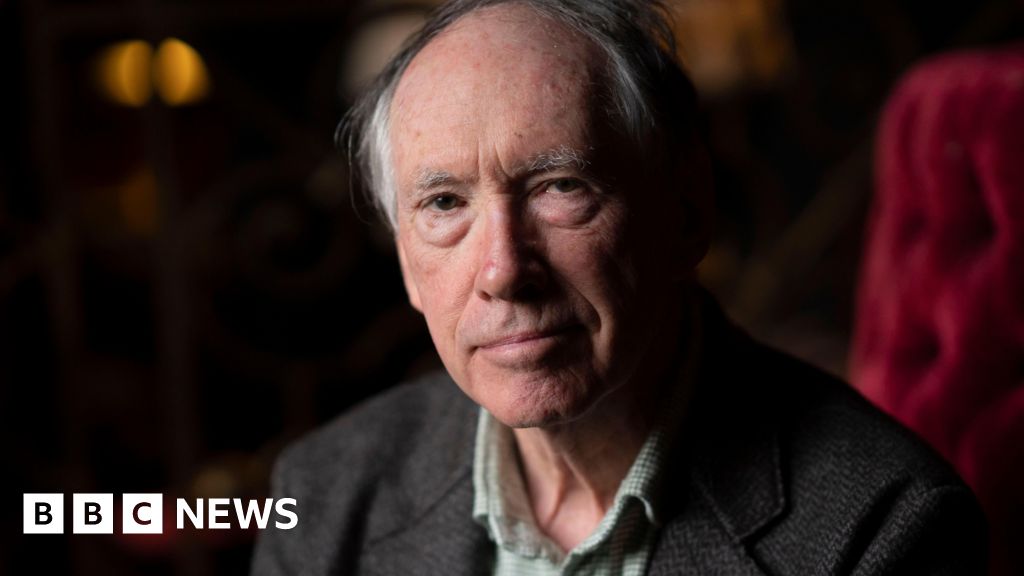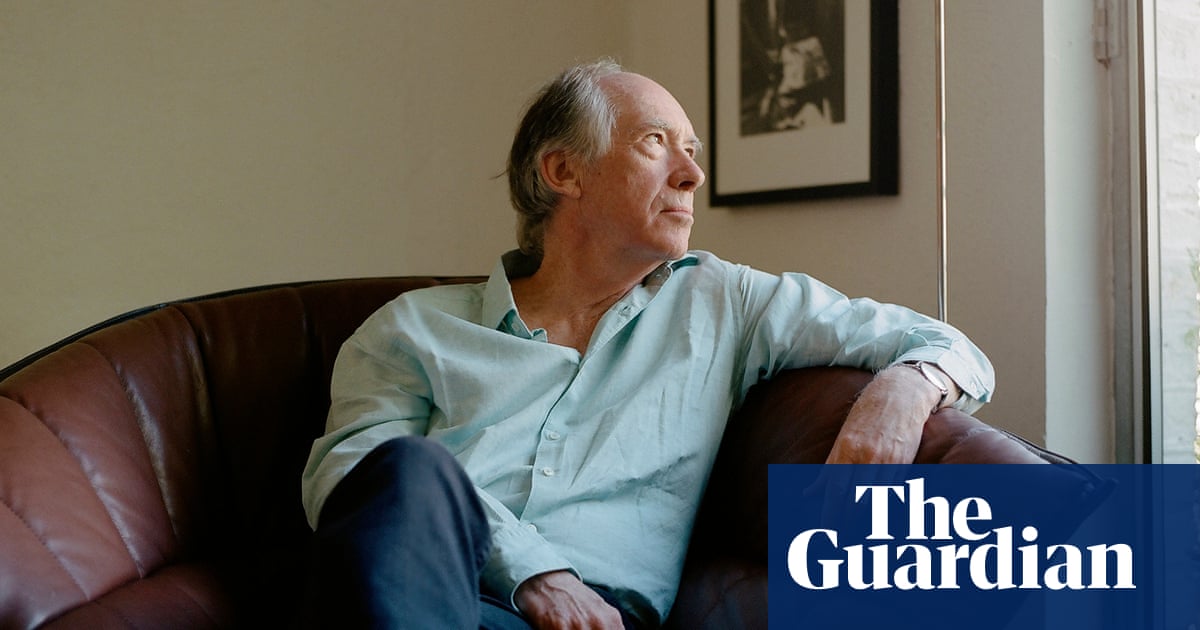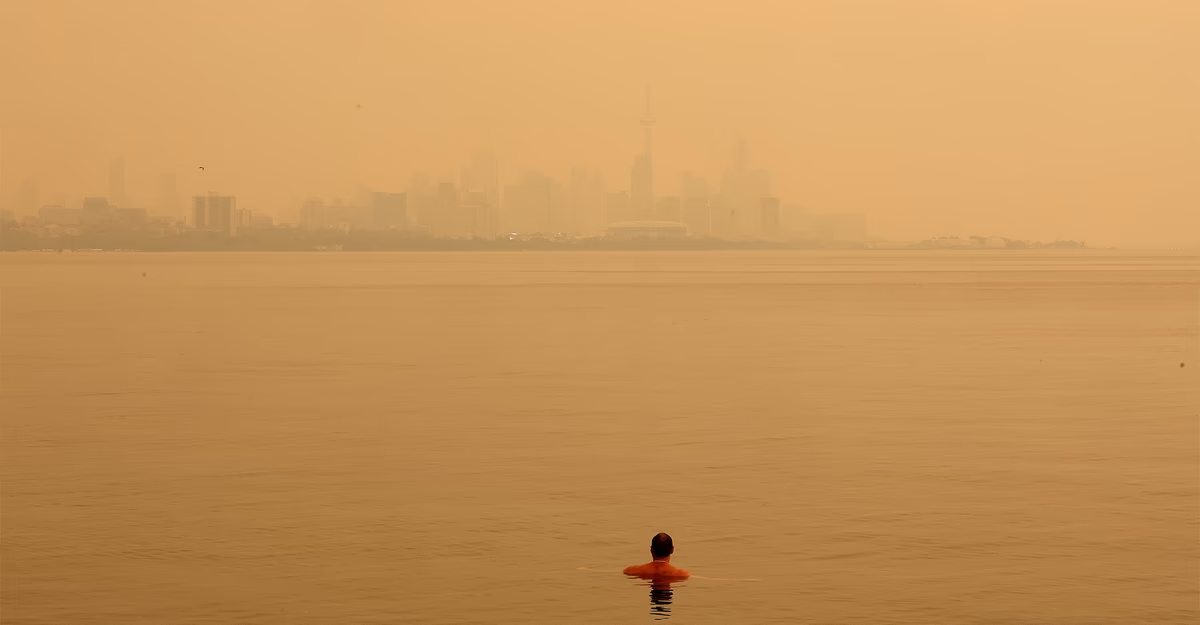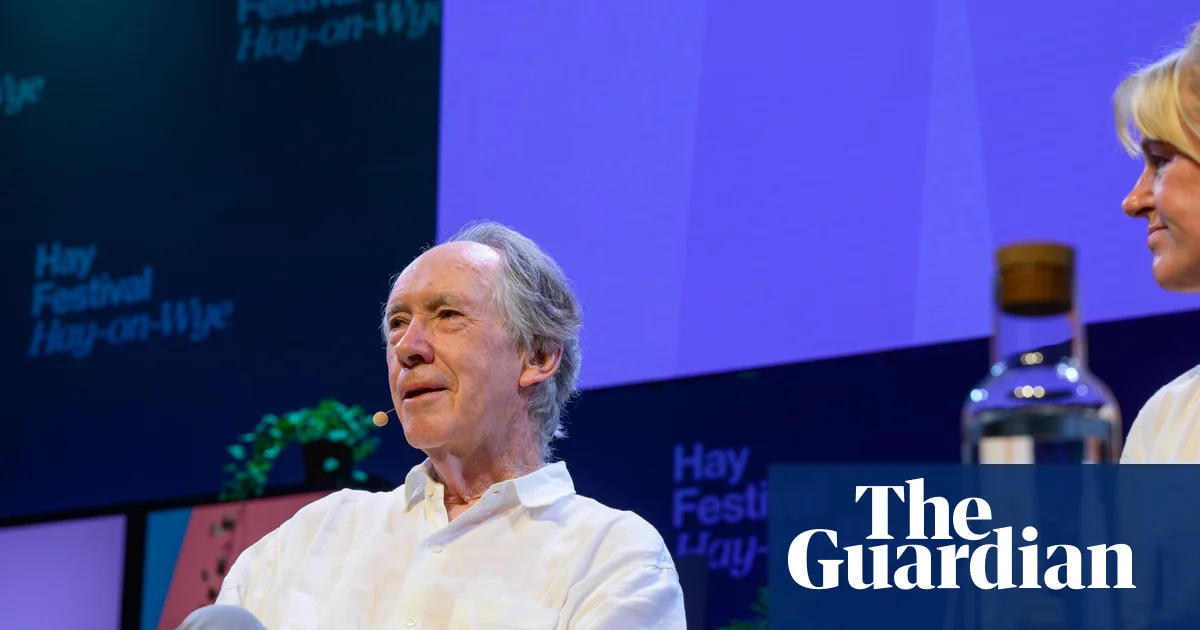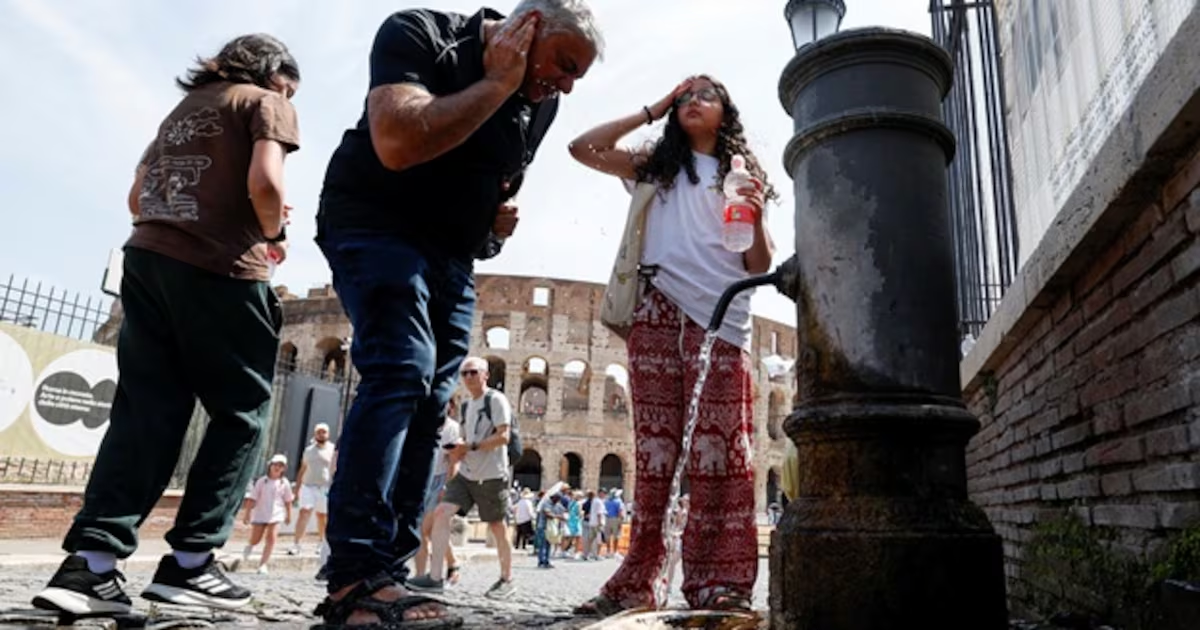
Not exactly a fun holiday read, but Ian McEwan’s latest novel, What We Can Know, an unsettling dystopian story set 100 years from now, paints a vivid picture of what human life on Earth may be like by then ― a version of a Hobbesian hell of solitary, poor, nasty and brutish existence. Fiction may help close a blind spot, since climate change struggles to get onto the front page ― strange given that the science tells us we are still heading in the wrong direction. Seasoned newspaper people will remind you of the challenge of finding a new angle to an old story. “The climate is continuing to break down” may be important, but it is not news. It is the same old story. And that’s the problem. Despite all of the efforts by a whole industry of sustainability practitioners, the target setting and the reporting, the global treaties and the “nationally determined contributions”, the world continues to warm. The counterfactual ― that but for the efforts to mitigate global warming things would be even worse ― does not change the core point: that humanity is collectively failing to do enough. In September it will be 20 years since the seminal Stern report, which cast climate change as the greatest market failure. Until markets are fundamentally reset to reward action rather than complicity, with the state taking control to protect the global commons, change will remain far too incremental. But the psychology of this failure is also fascinating. I have observed how in many boardrooms worldwide there is now a distinct sense of fatalism: it is what it is; we tried our best and did what we could (within the confines of our corporate footprint); and now we can do no more because the risk to our commercial future will be too great; someone else must sort out the problem. The generational dimension is obvious. Older people have less skin in the game. In one case an eminent former CFO nonexecutive director was positively hostile when confronted with the science. Al Gore’s “inconvenient truth” provokes denialism, guilt and anger. Grappling with the adverse consequences of an economic model from which you have benefited greatly requires mental agility. And maturity, a concept modern psychology recognises. As the work of South African psychotherapist Julia Kukard reveals, the less mature you are as a leader the more likely you are to get “stuck” ― as many boards are ― and the less likely you will be able to cope with the complexity, system thinking and long-term perspective such a systemic threat poses. But that “long-term horizon” is close at hand. You can’t do business in a broken world. The extreme temperatures and raging fires in Europe have brought the story back onto the front page. This is Europe at 1.4ºC of global warming. It is not a coincidence that the Paris Treaty of 2015 set a target of 1.5ºC, a number most climate scientists now accept has been breached. Africa is heading faster towards 2ºC than the rest of the world and is more vulnerable to the impact than Europe, with cascading consequences for agriculture, water security, infrastructure and economic development generally, and ultimately social disorder and political upheaval. As fellow columnist Wandile Sihlobo persistently points out, climate change poses a mounting food security problem. Unless you are a climate scientist it is hard to imagine what an extra half degree of warming looks like because it doesn’t sound like much. And the picture is confusing because climate breakdown is inherently erratic: hotter hots, colder colds, wetter wets and drier dries. The task of those with power and education is clear: paint the picture, however uncomfortable, to use the available data to apply reason to help everyone understand and navigate the peril. This will require imagination, as well as courage. Time, then, to prepare for what McEwan’s bleak story calls periods of inundation and derangement. • Calland is director of the University of Cambridge Institute for Sustainability Leadership Africa Programme and a member of the Independent High Level Expert Group on Climate Finance. Business Day
RICHARD CALLAND | Climate fatalism grips boardrooms
Fatigue, denial, and generational differences undermine urgent action despite mounting scientific evidence
683 words~3 min read