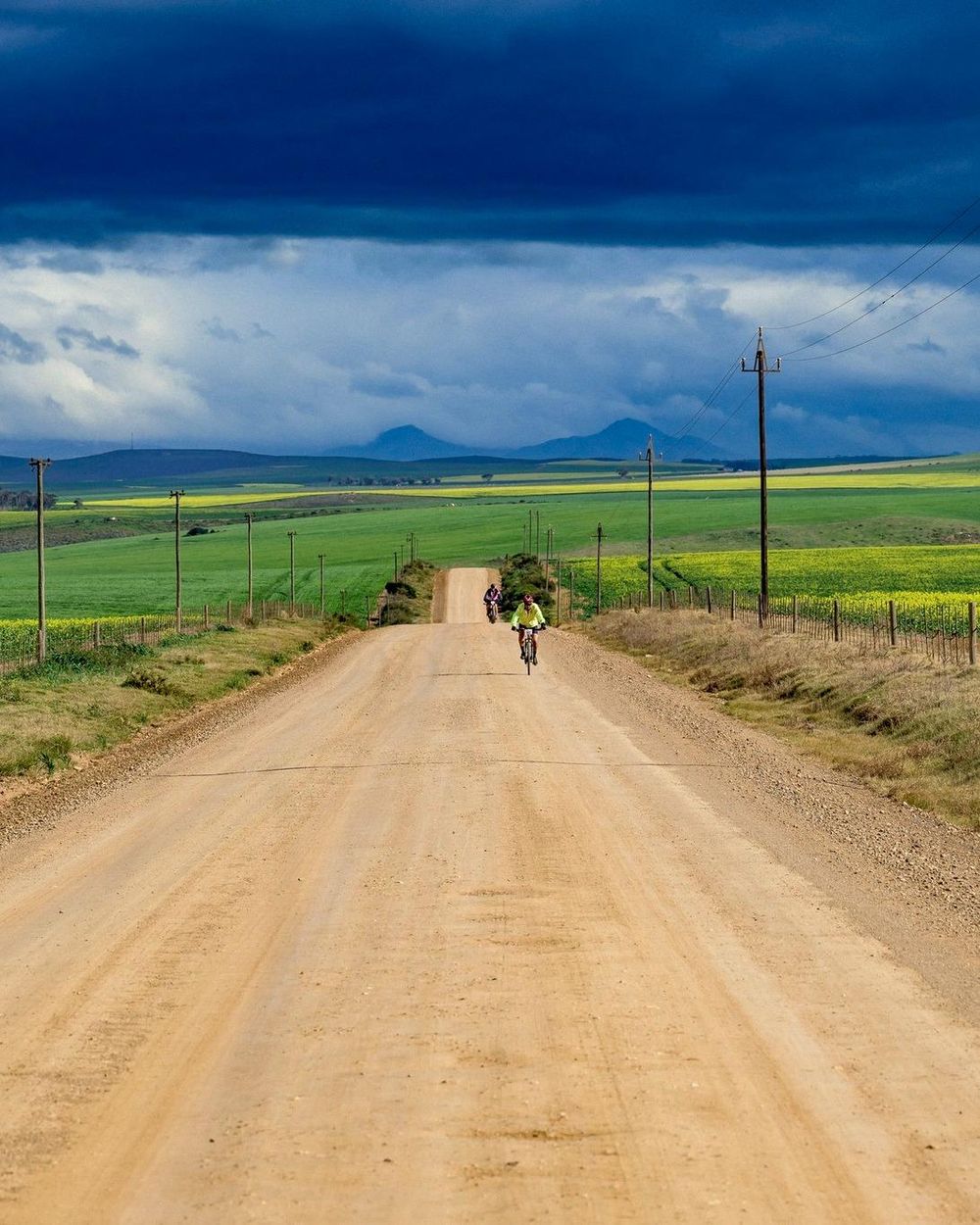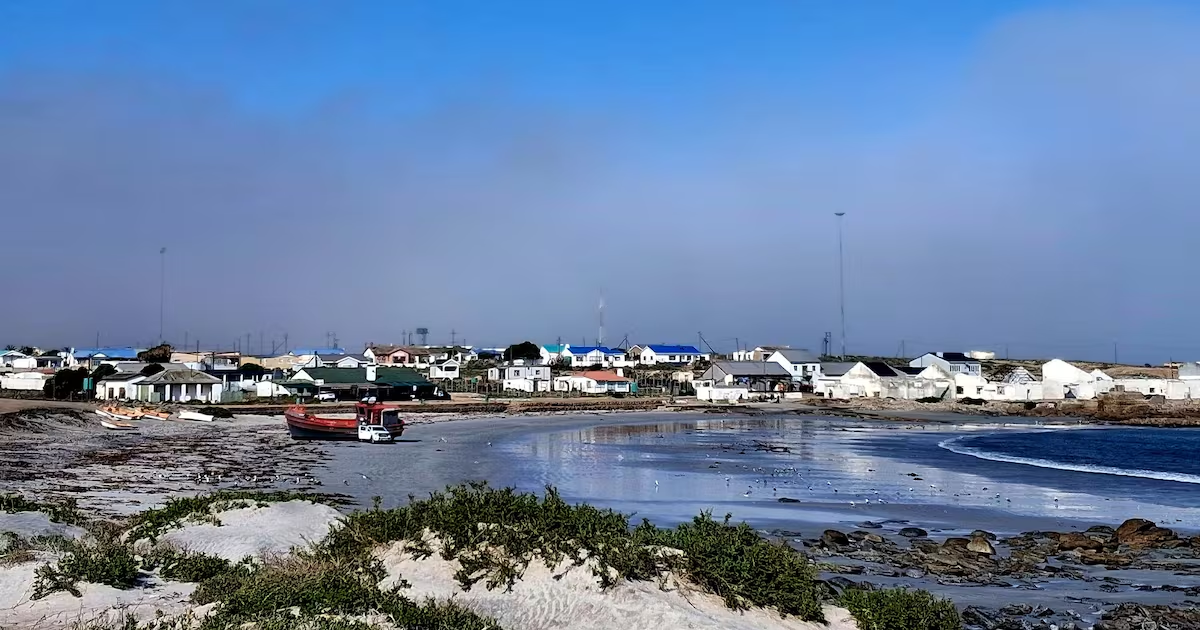
Living in remote parts of South Africa has always excited my wife and I. It’s not only that the in-laws can’t just pop in, there’s something about thumbing one’s nose at the boxed-in city lifestyle and creating an existence where few can that appeals to the Swiss Family Robinson in us.It’s why Annette and I find ourselves bumping down the challenging 78km dirt track from Garies to one of the most isolated towns in South Africa. Apart from the sometimes excruciating rigours of the badly rutted road — at one point we go sideways after bottoming out the shocks in a hill-hidden donga — the granite domes scattered among expansive plains of green, and the many heavenly portals in the sunlit clouds, transport us to a new world.Yet, by the time we arrive in Hondeklipbaai, our plans to look at the reasonably priced wooden cabin, with a long stoep and distant sea view, are in tatters. The state of road to the nearest market town has cleaved our rebellious resolve in two. So we begrudgingly cancel our viewing appointment and make our way to our digs opposite the old crayfish factory.But spending two purposeless days here is no hardship for us. The town’s rugged, pristine coastline, lack of crowds, charming frontier history and small population of diehard fishermen and grizzled old diamond divers are perfect fuel for our romantic imaginations.Passing the slipway, we see a large knot of oilskin-clad fishermen. Faces beaming, they clean and salt piles of freshly caught snoek. During the five times I’ve visited the town, I’ve always lamented the collapse of the crayfish and pelagic fishing industry, the eyesore ruins of the old crayfish factory a stark reminder of what once was viable yet will probably never be again.However, today’s small yet vibrant fish market eclipses those laments and we make our way there to bid on a fish. Tolla, clearly a seasoned frontman for a group of fishers, quickly singles us out, and we’re soon the proud owners of a neatly trimmed snoek for the princely price of R80. Painted with a white wine and herb butter marinade, it takes pride of place on the braai fire that night, a simple and sublime meal fit for the fussiest gourmet.Survival in Hondeklipbaai has always been difficult. Since 1846, when ship’s captain Thomas Grace happened across this small natural harbour and established a trading station here, its fortunes have been decidedly mixed. For about 20 years (1852-72) it was the preferred export port for the burgeoning copper mines in nearby Springbokfontein — modern-day Springbok. But this ceased to be the case once the railway to Port Nolloth was laid down.The town’s biggest challenge has always been access to fresh water, and for many decades it was brought in by ships from Cape Town. But it was said there were often more brandy casks in Hondeklipbaai than those containing water, a situation that frequently produced drunken carousers that required containment by a no-nonsense lawmaker.In the very early days, a Mr Pillans answered the call. It was reported that not only had he Herculean strength, but was also capable of fulfilling the roles of police officer, prosecutor, witness and judge. Apparently, one Sunday, when the lock-up was full, he stuck up a placard saying any more people arrested would be summarily chained to the piles of the jetty.Annette and I make our way along the beach to the lighthouse the next morning. On arrival in the town yesterday, we’d noticed a small trawler-type vessel beached not far from the slipway and wondered what the story was behind it.Our curiosity is soon satisfied when we round the stern of the vessel. Sitting on the port gunwale is Manie Louw, a veteran diamond diver and ship’s captain. He tells us his boat, Maugerite, was washed ashore in a violent storm some weeks back when its anchor chain broke. In the typically flat and elongated accent of the Namakwalander, accompanied by gesticulations from his work-battered hands, Manie explains that, though the insurance company has paid out, he’s bought the boat back from them and is now trying to refloat it.Our host at Oceana accommodation, Kamiesberg Municipality councillor Toelie Coetzee, is intricately involved in the development of tourism in the town. Having bought some of the defunct fish company buildings and started to refurbish them (one of which he supplies rent-free to local fishers), Coetzee is clearly a believer in the town’s potential. He admits, though, that the heavily rutted dirt track from Garies is not helping to attract visitors. He says the improvement of the road is budgeted for every year, but other priorities always seem to trump its implementation. Another of his bugbears is the crumbling old crayfish factory in front of his development, an eyesore he believes should be demolished.One of our favourite parts of Hondeklipbaai is the wild, unspoilt coastline about 4km south of the town. Not only can one scramble about the fast-reducing remains of the Aristea wreck — a trawler and World War 2 minesweeper that ran aground in stormy weather on July 4 1945 — the site also hosts beautiful and uncrowded picnic, braai and sundowner spots.It’s here we toast our marvellous misadventure and discuss the next isolated spots on the map we may well soon throw a reckless house-seeking dart at.Travel Notes:Getting there: It’s 120km from Springbok (70% of which is on gravel) and 531km from Cape Town to Hondeklipbaai, about 78km of which is on a badly rutted gravel road. Both routes can be very slippery when wet, so a high-clearance AWD SUV or bakkie is recommended.What to take with you: There’s no petrol station here, so ensure you have a full tank when you leave Springbok or Garies. Groceries and general supplies are also hard to come by and expensive, so take everything in with you that you can, including drinking water.What to do there: This laid-back coastal village is the perfect place to chill, take long walks on the beach, braai freshly caught fish and read many good books. However, other activities in and around the town include eating out at one of the town’s three restaurants; visiting the Aristea shipwreck site and picnicking thereabouts afterwards; taking a day trip into the nearby Namaqua National Park to see the flowers in springtime, or the seal colony and Spoegrivier caves year-round; and for hard-core 4x4-ers, book the fascinating Shipwreck trail (Koingnaas to Kleinsee) — call Dudley Wessels: 083 305 2569.Further reading: Life and Travels in the Northwest (1850-1899) by Arne Schaeffer and Hondeklipbaai: Van Toeka tot Nou (Tinus Bruwer).Where we stayed: Oceana apartments (top floor recommended) — call Toelie: 082 788 2152Best time of year to go: April to October.Business Day
House-hunting in isolated Hondeklipbaai
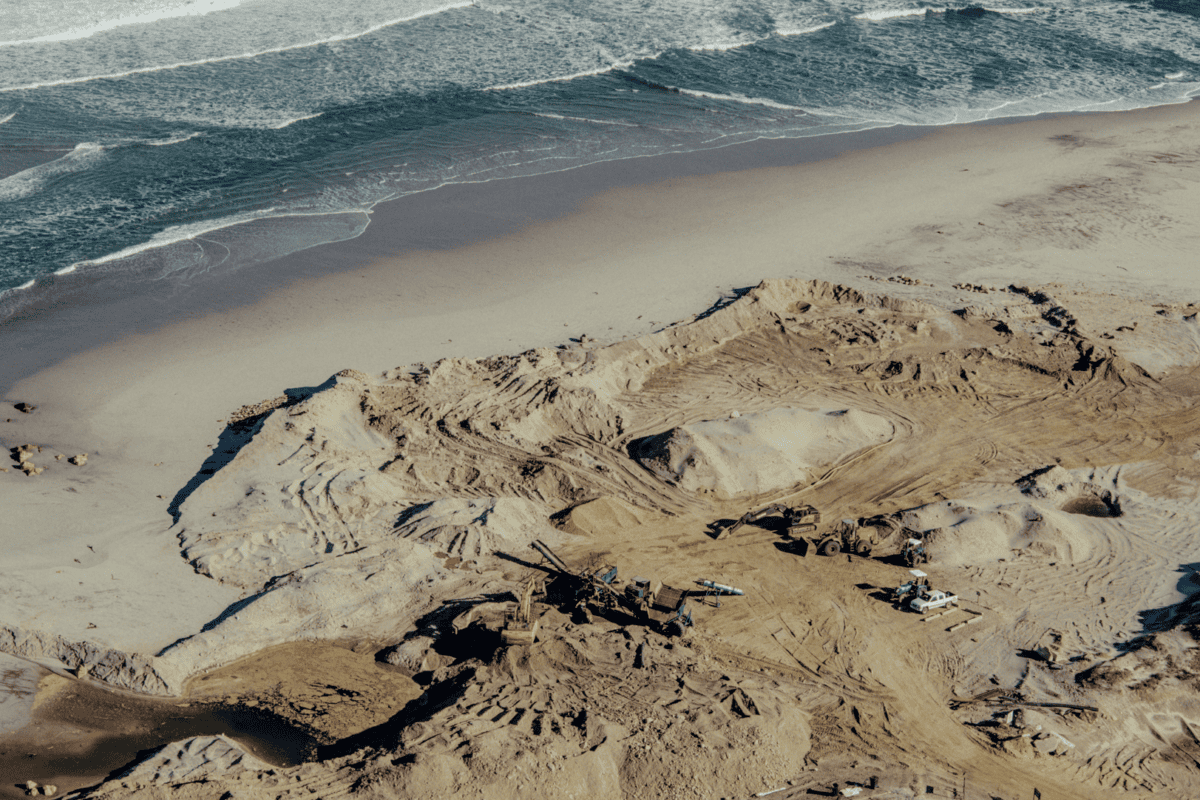
Isolated Northern Cape coastal town is known for its rugged beauty, challenging access and lack of fresh water
1,118 words~5 min read