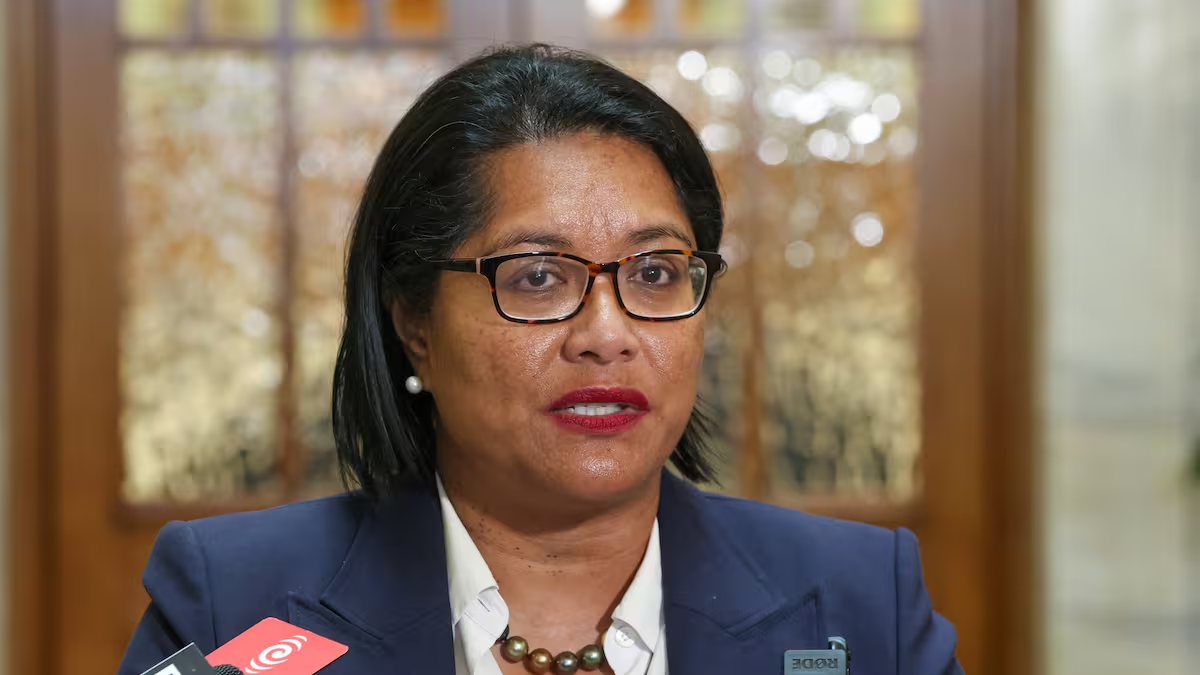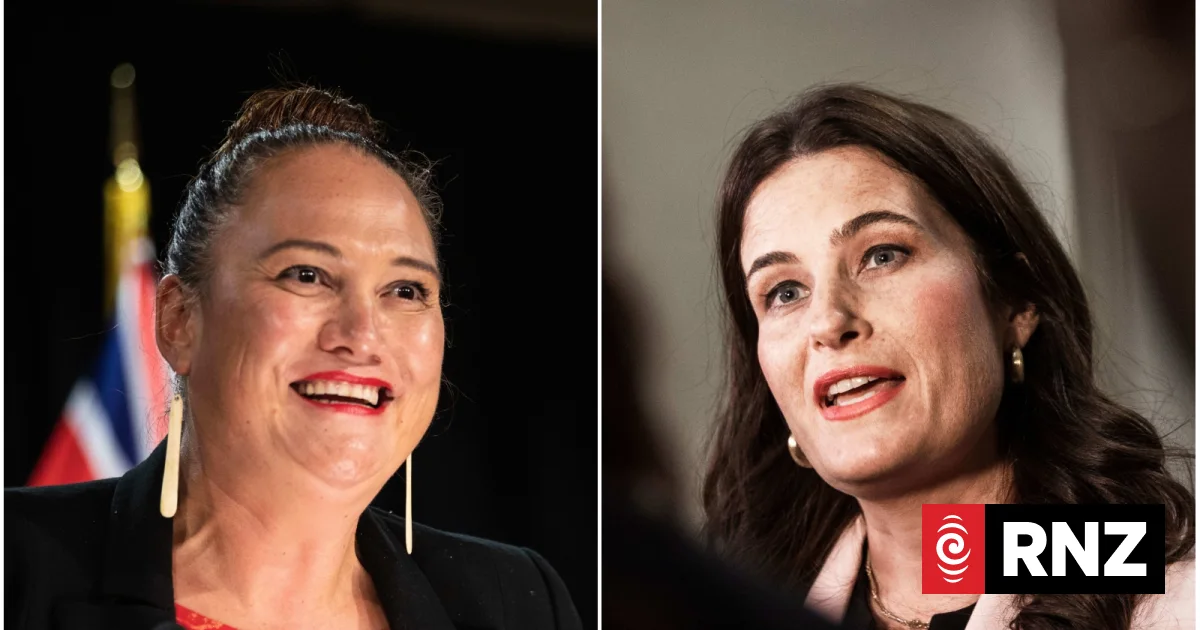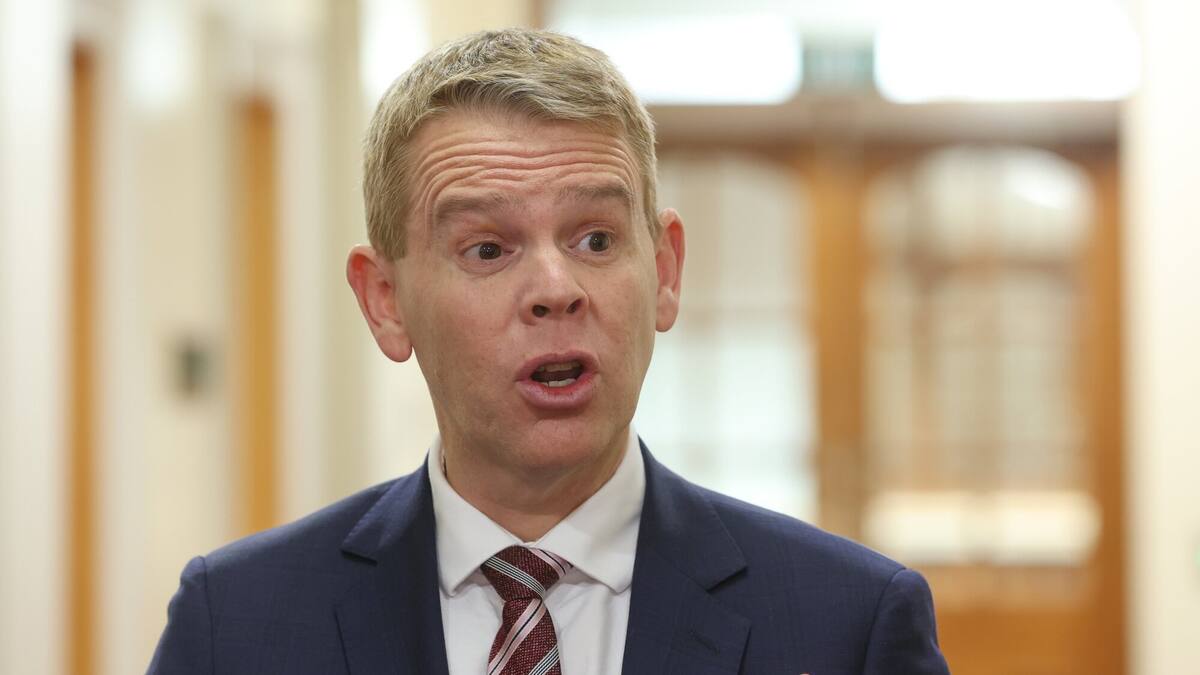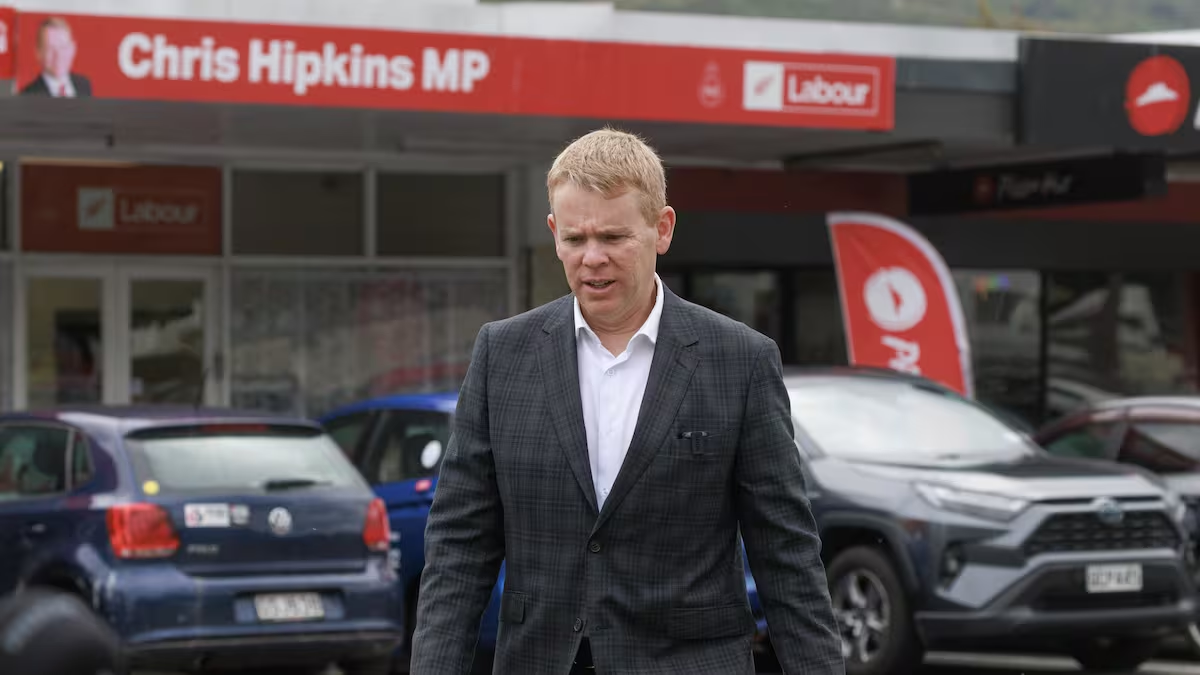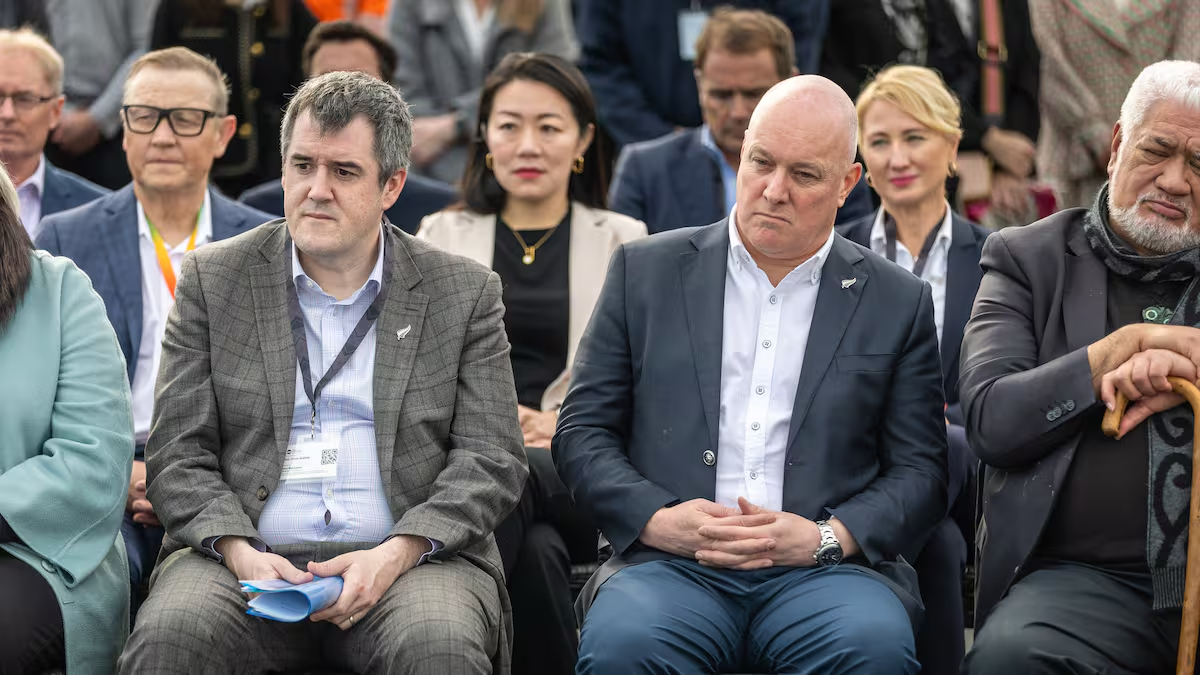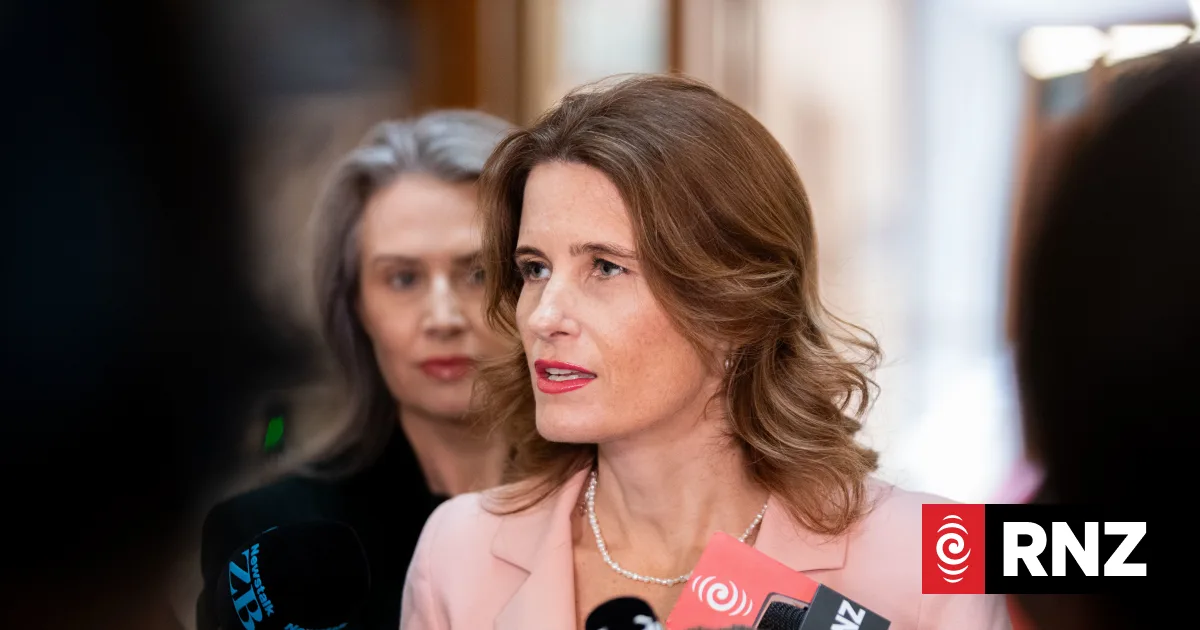
The release of the second quarter unemployment figures has seen political parties come out and make their election pitches.The latest unemployment figures have seen Nicola Willis wear two different hats, releasing one response as finance minister, and another response as the National Party's finance spokesperson.Wednesday morning's release by StatsNZ has shown unemployment rose to its highest level in nearly 11 years in the second quarter, going from 5.4 percent to 5.6 percent.A total of 171,000 people were unemployed, a rise of 7,000 on the previous quarter and 13,000 higher than a year ago.Speaking as finance minister, Nicola Willis said the statistics already confirmed what many New Zealanders already knew: that the second quarter was tough."This is exactly why our focus is on the policies that boost our economy and build business confidence, because confident businesses are the ones who hire people and grow their operations - and it's encouraging to see recent jumps in business confidence and hiring intentions," she said.Labour's finance spokesperson Barbara Edmonds says the unemployment figures were a damning verdict on Christopher Luxon's economic management.RNZ / Marika KhabaziWillis said there was more to do, which was why the government was backing tourism and international education, fast-tracking major construction projects, investing in infrastructure, and promoting its Investment Boost scheme.Then, a short time later, in a follow-up press release as National's finance spokesperson, Willis put the boot into the opposition."Labour's response to all of this ranges from ambivalent to outright opposition. They can't credibly say jobs are their priority while working against the very policies driving job creation," she said."Then there's the tax question. Labour and its coalition partners want to load businesses up with a suite of new taxes at precisely the moment employer confidence needs protecting, not undermining."Green Party co-leader Chlöe Swarbrick says cut after cut does not grow the economy.RNZ / Baz MacdonaldLabour's finance spokesperson Barbara Edmonds said the unemployment figures were a damning verdict on Christopher Luxon's economic management."Christopher Luxon promised he would grow the economy, create jobs, and lower the cost of living. Instead, unemployment continues to rise and Kiwis are paying the price," she said."Behind every unemployment statistic is a person who wants to work, a family worried about paying the bills, and a community feeling the impact. That's the real cost of National's economic choices."New Zealand First leader Winston Peters says the rise in unemployment is directly attributable to the conflict in the Strait of Hormuz.RNZ / Baz MacdonaldGreen Party co-leader Chlöe Swarbrick said Luxon would blame the last government while taking on more debt, in order to fund tax breaks that disproportionately benefited the wealthiest."Political tit for tat aside, it's time for the Prime Minister to put his hands back on the wheel of this economy and invest in our country. Clearly, cut after cut doesn't grow an economy. It breaks one," Swarbrick said."Building a thriving economy means supporting the little guy, not patronising them as your government cuts local jobs and infrastructure investment then consolidates contracts to give them to multi-national corporations. These are political decisions, not inevitabilities."New Zealand First leader Winston Peters said the rise was directly attributable to the conflict in the Strait of Hormuz, and the resulting increase to fuel costs."We said at the start of this conflict that this would severely impact both inflation and unemployment. This is more evidence of the need for New Zealand to find and own our own oil and gas that we hold in our deep-sea basins," he said, pointing to his party's policy to invest in surveying the country's offshore basins for oil and gas.Meanwhile, Infometrics principal economist Brad Olsen said the economy was creating jobs, but not fast enough to reduce unemployment.Another 13,000 people found work during the quarter, but that wasn't enough, he said.The jobless rate increased because more people entered the workforce, including some who had not previously been seeking employment.Olsen said the number of people entering the labour market was outpacing the number of new jobs being created.
What the latest unemployment figures could mean for the election
The release of the second quarter unemployment figures has seen political parties come out and make their election pitches.
662 words~3 min read