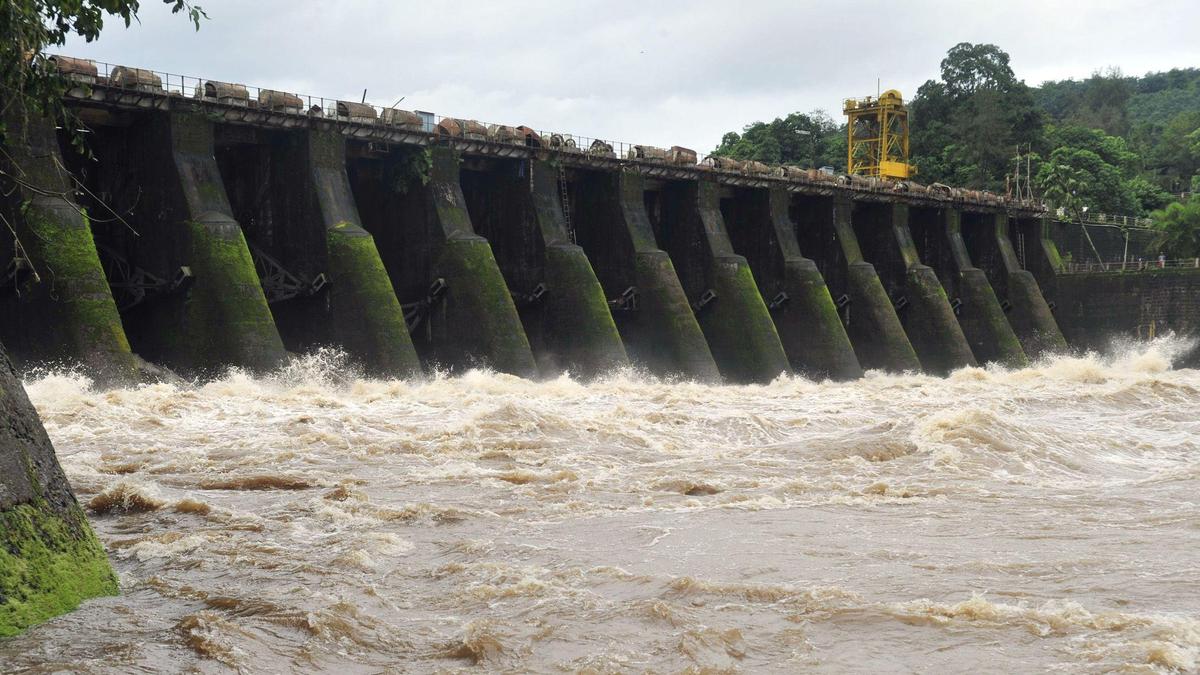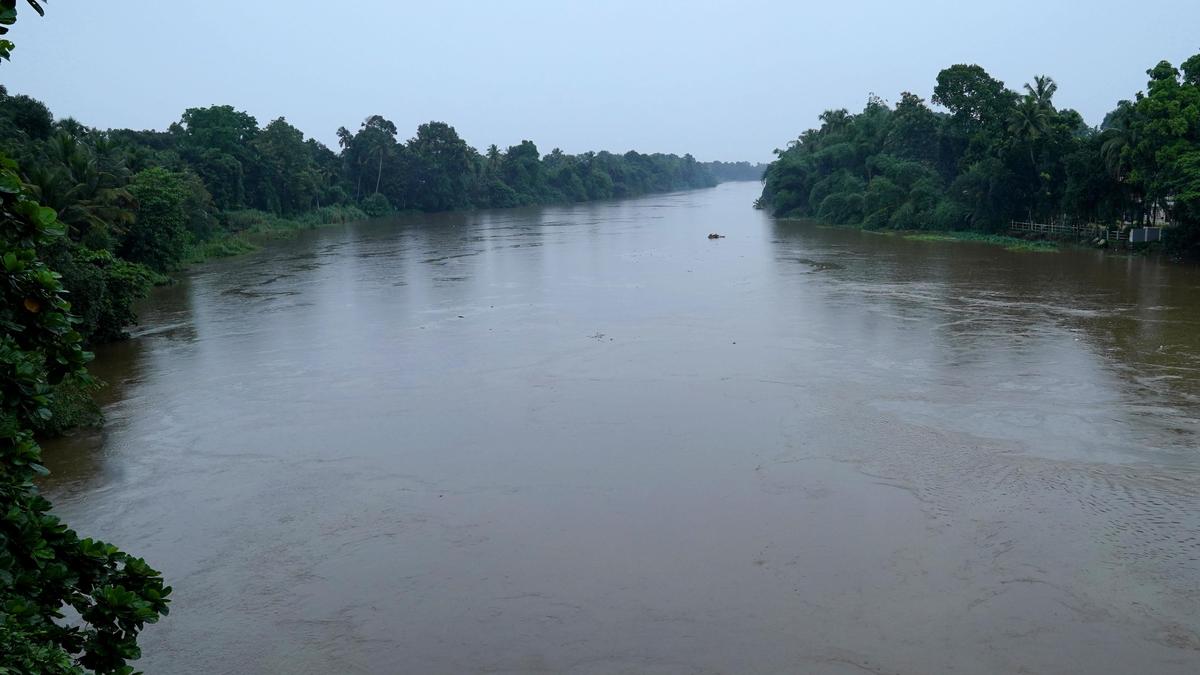
A sand audit conducted by the Revenue department in 2020 estimated that the Pampa contained 5.43 million cubic metres of sand and recommended it as one of 17 rivers where regulated sand mining could resume.
| Photo Credit: LEJU KAMAL
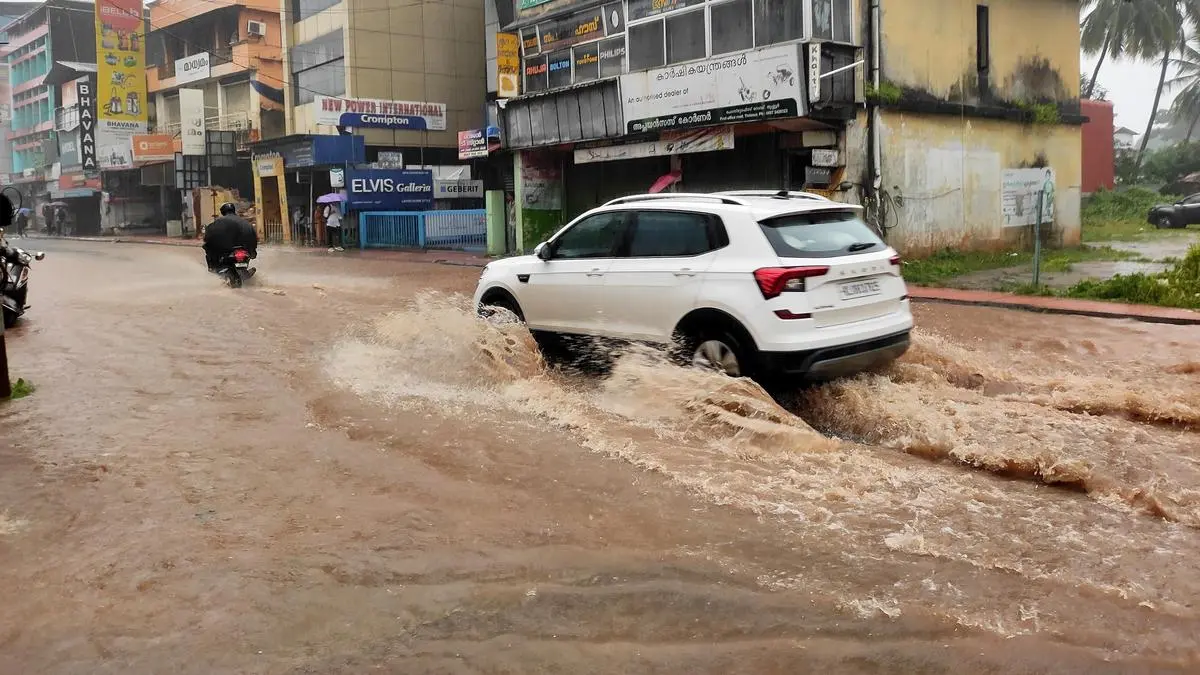
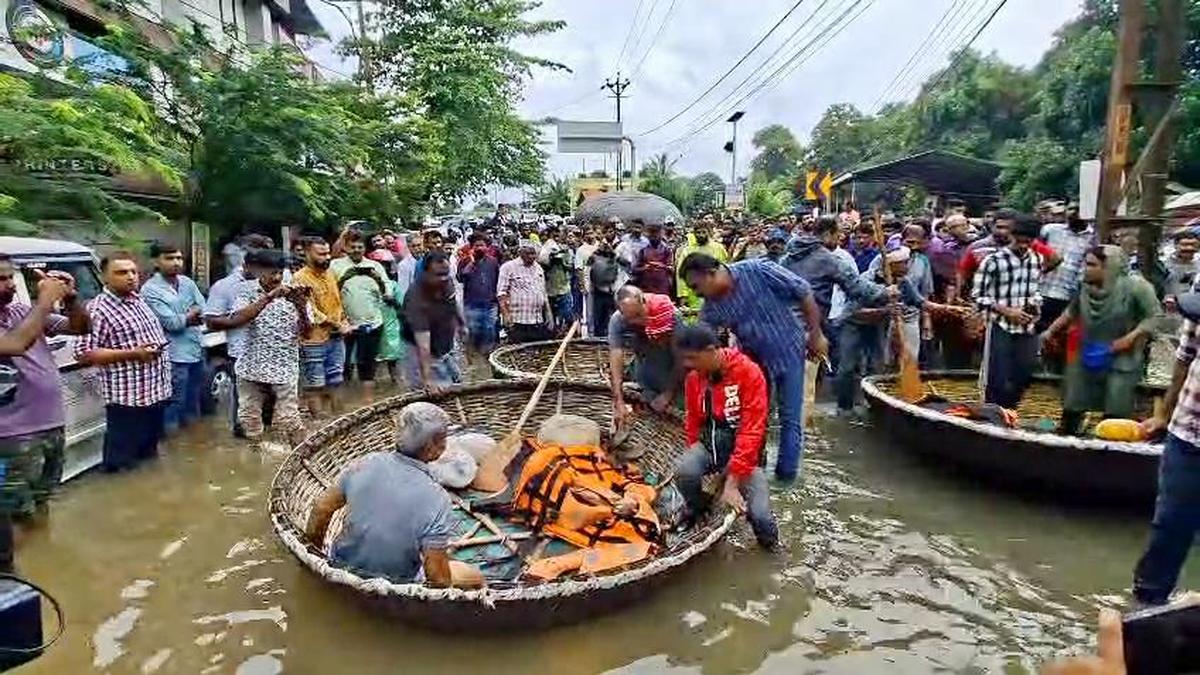
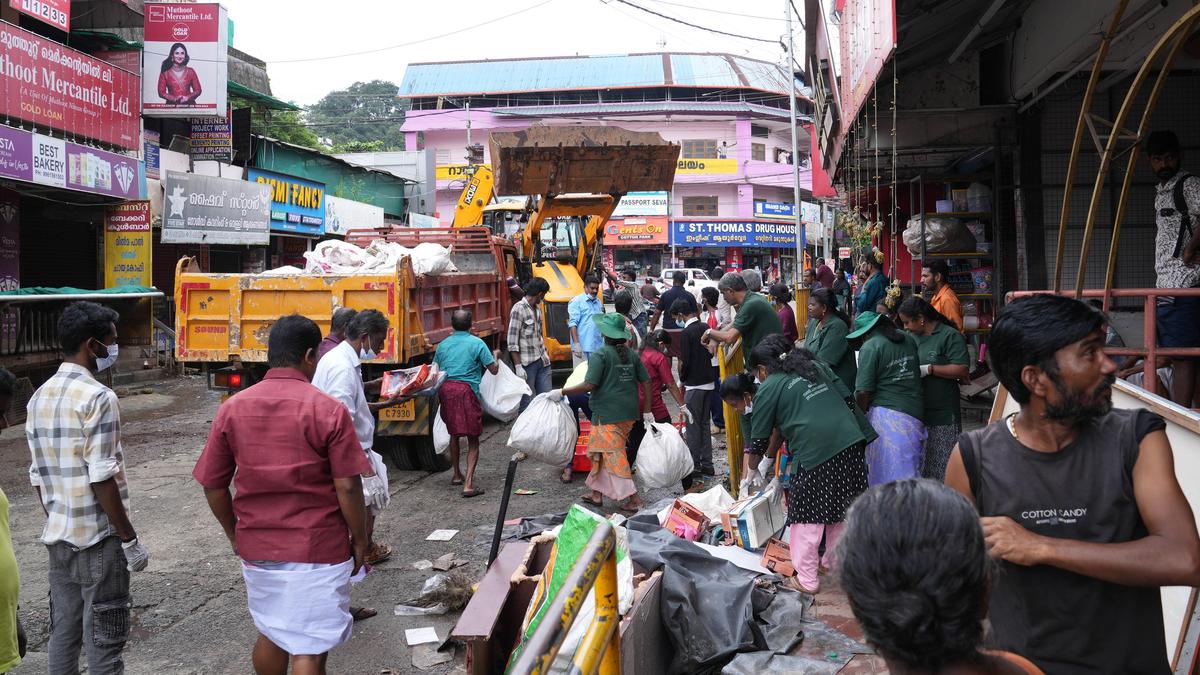
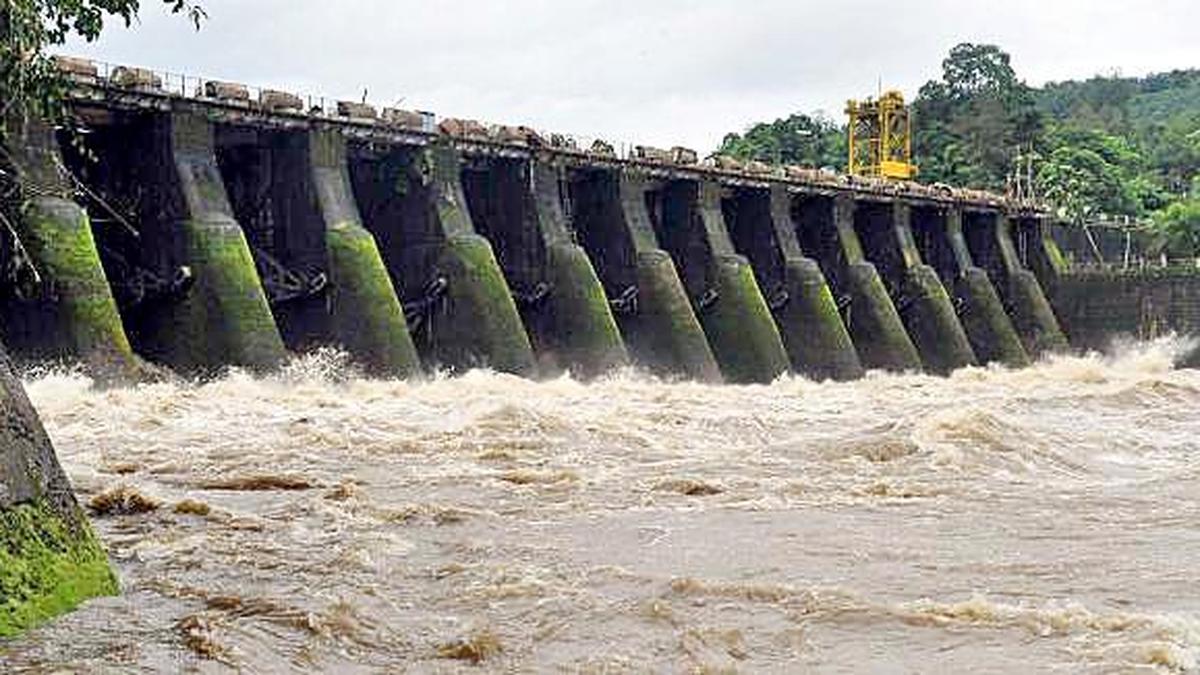
For nearly eight decades, K.M. Oonittan believed the Pampa would never enter his home.The retired college lecturer had lived on the banks of Kerala’s sacred river for over 80 years without witnessing a major flood. That changed in August 2018.At the age of 82, he watched floodwaters engulf his house, forcing his family to flee with whatever belongings they could salvage to a house atop a nearby hill. Since then, floods have returned with alarming regularity, the latest only days ago.“The 2018 deluge changed the entire landscape,” says the 90-year-old. “The floodwaters that rushed down from the hills filled the river with sand and silt. The Pampa has lost its capacity to hold water. Now, whenever the hills receive heavy rain, Ranni floods.”An annual eventHis observation has become the dominant narrative across Ranni, a township wedged between two elevated stretches of land. Traders and residents now speak of floods almost as an annual event, each leaving behind losses running into crores.“The authorities need to study the impact of changes in the riverbed, sand deposition, obstruction of natural drainage and the river gradient. Illegal encroachments on canals, streams and other natural drainage channels that impede the free flow of floodwater must also be removed,” says C.V. Mathew, president of the local unit of the Kerala Vyapari Vyavasayi Ekopana Samithi.