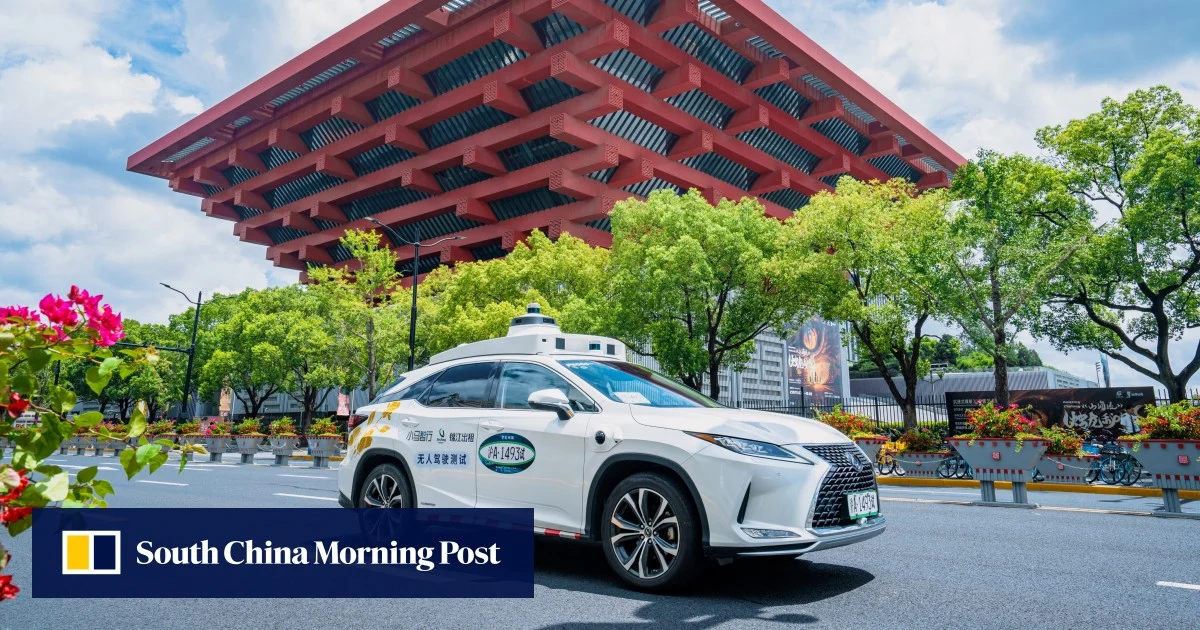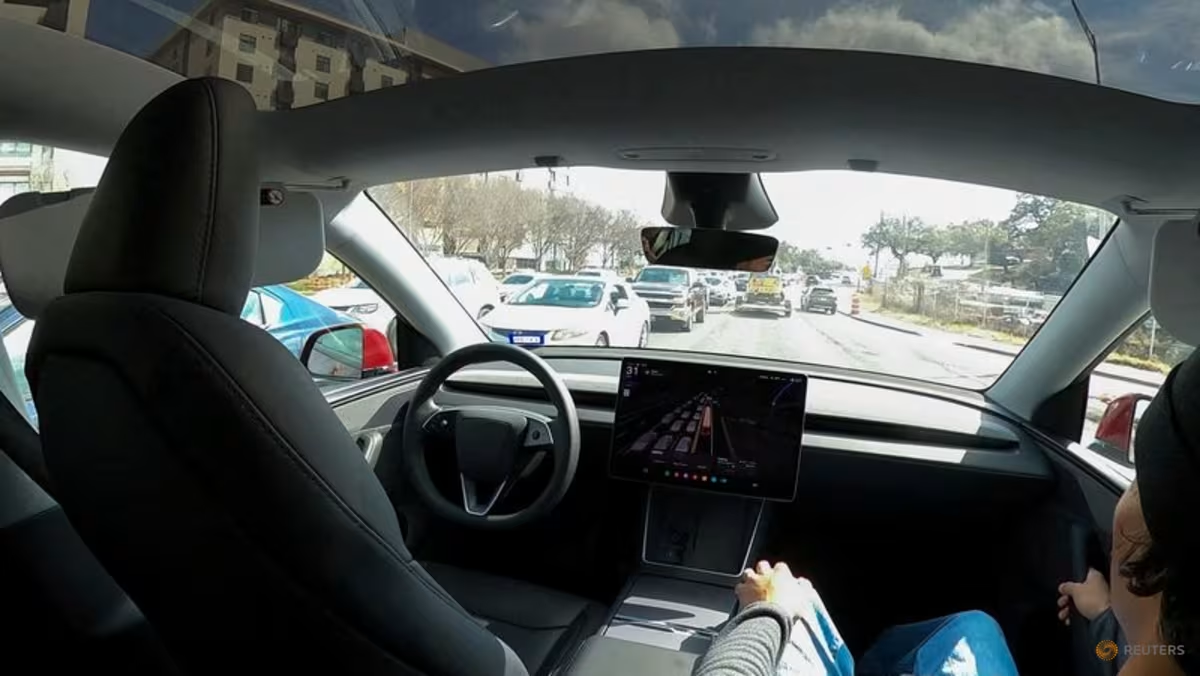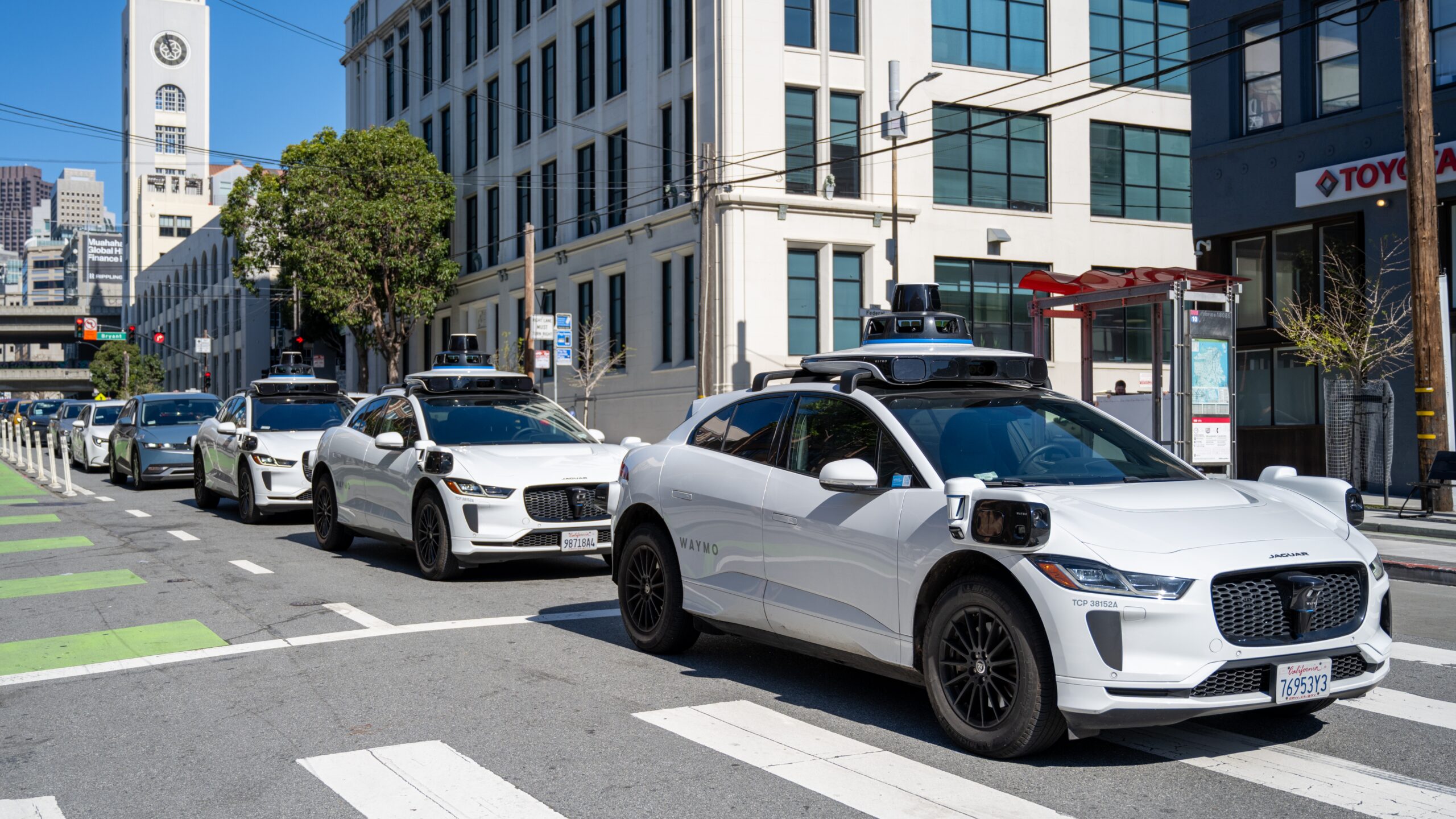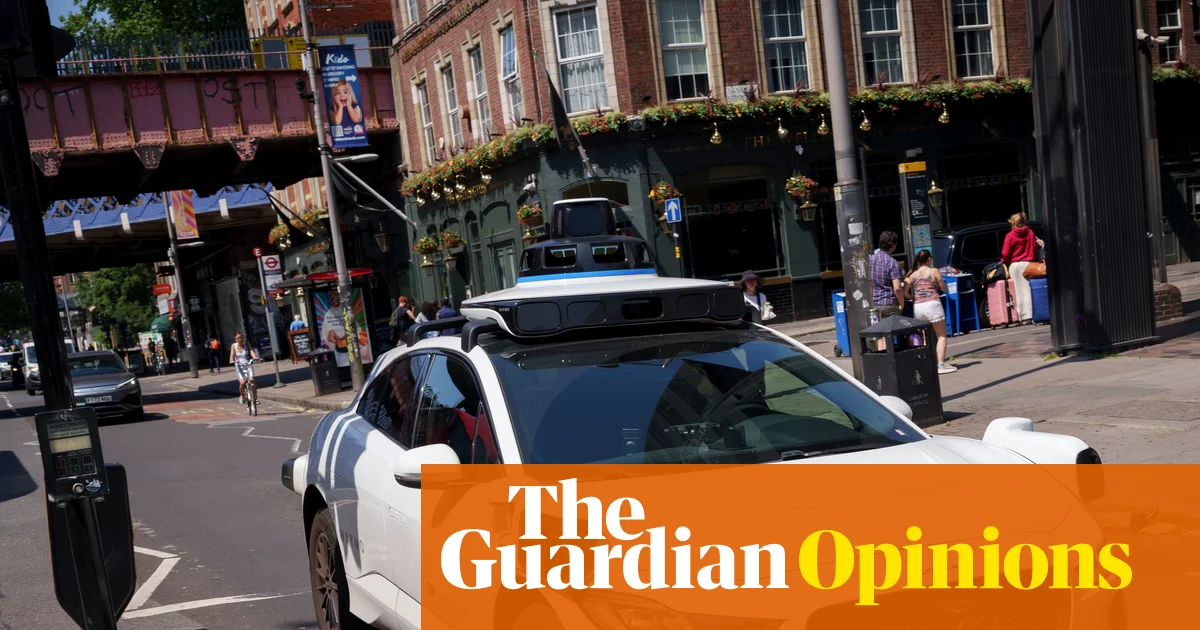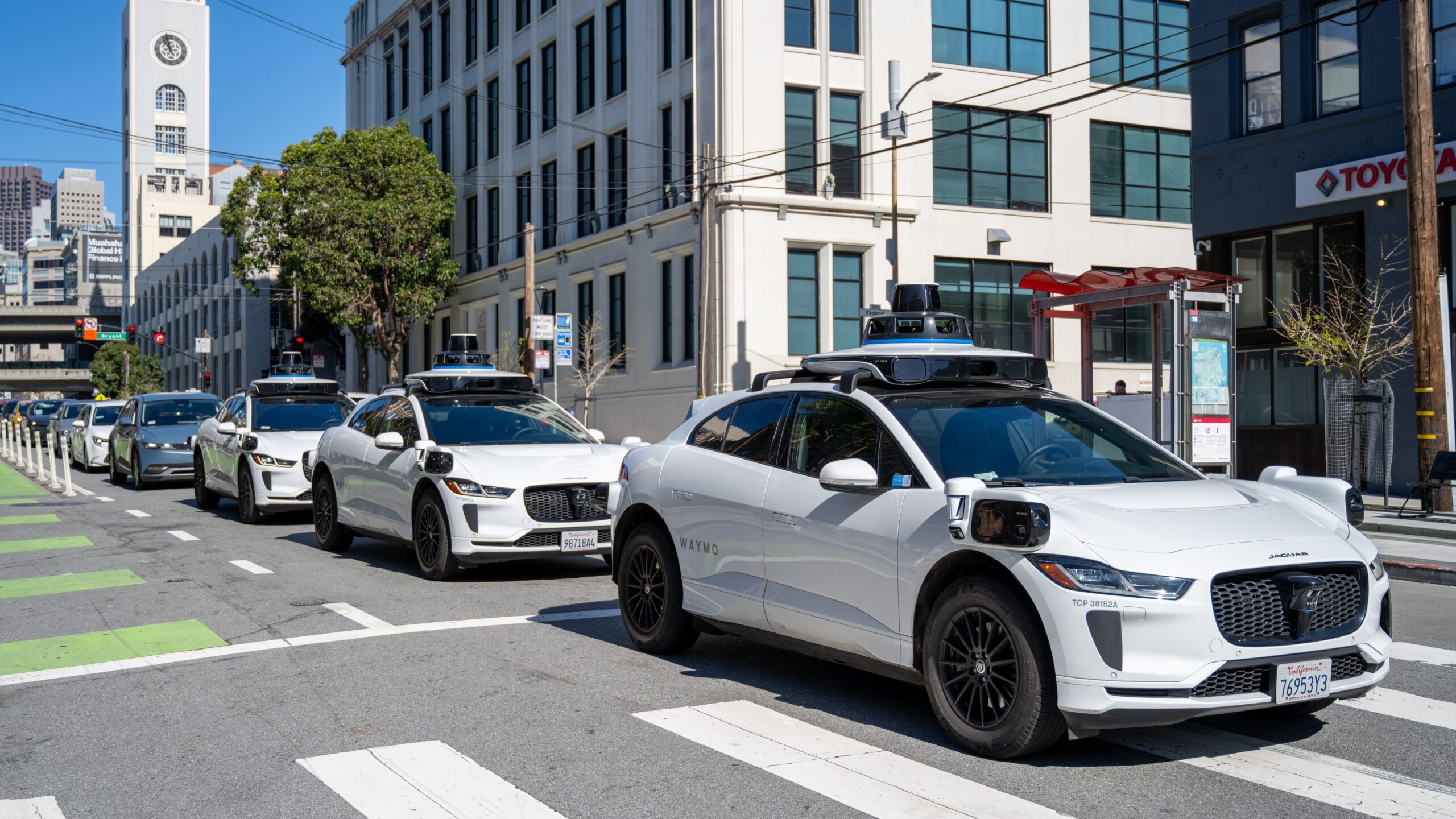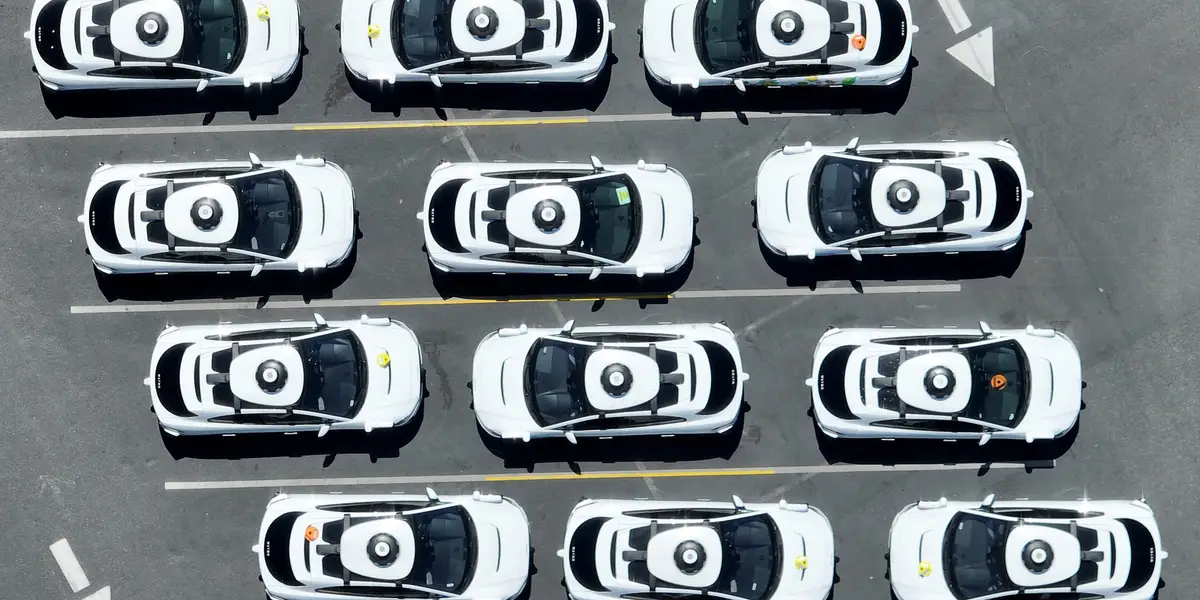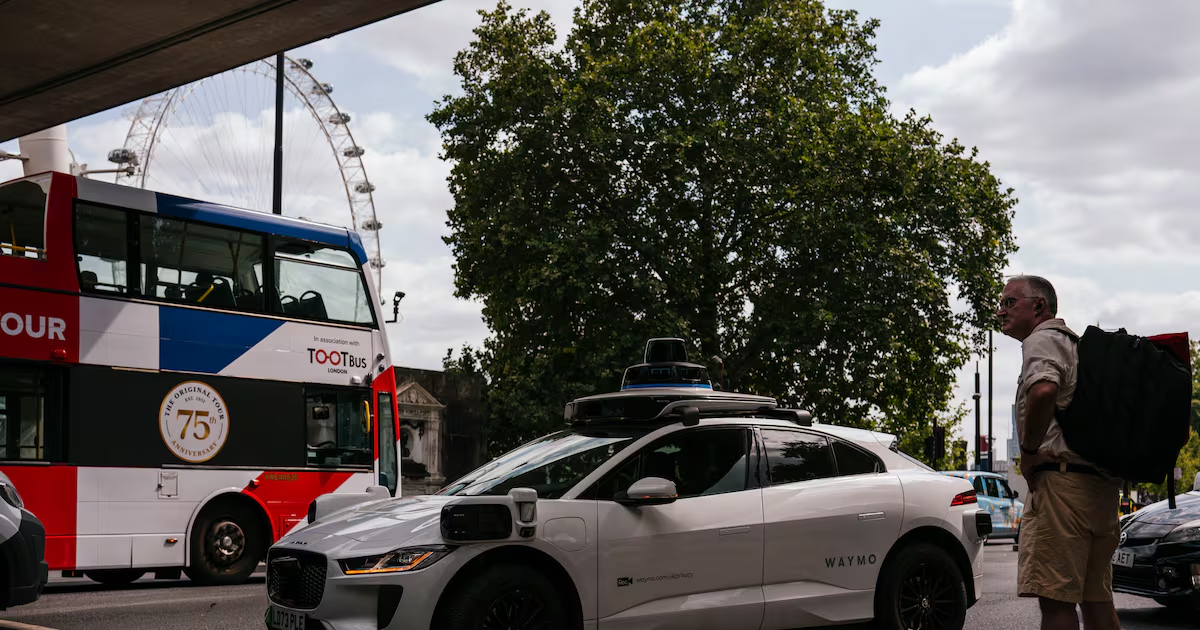
Oh, how we sniggered when people foxed autonomous taxis in the US by simply placing traffic cones over their sensors. How we mocked Elon Musk for spending what seems like a decade now vainly promising “full self-driving”. How we all nodded sagely when Renault, last year, pronounced that autonomous technology was going to be too expensive for private car buyers. Those of us who laughed may shortly be doing that laughing from the other side of our faces. It seems that we are now truly on the cusp of the long-promised roll-out of robot cars. Bank of America’s Martyn Briggs reckons recent developments have changed the autonomous game entirely. “I think there’s a bit of a bifurcation between personally owned autonomous cars and robotaxis, or fleet-based self-driving cars, in which you or I will be able to sit in the back and not need to be involved in driving the car at all,” Briggs told The Irish Times. This is still not something that will happen en masse tomorrow nor next week. Indeed, European legislation currently prohibits autonomous cars from driving on the road without the presence of a human “safety driver” behind the wheel. But Briggs reckons that the rise of autonomous ride-hailing services in the US and China, especially, has triggered a sea change in the industry, and investment is rising steadily towards a potential €1 trillion market for self-driving cars, trucks and buses by 2040. What is really pushing things ahead now, though, is the increasing affordability of the technology involved. Previously, it was thought – by all but Tesla, which continues to insist that cameras are enough – that autonomous vehicles would need expensive Lidar sensors and software which could take decades to fully develop. Lidar is a combination of laser and radar, which can generate a full 3D image of the environment around the car.That, though, is changing and changing fast. “The cost of Lidar halved from 2022 to 2023, then it halved again in 2024,” says Briggs. “So that’s driven mainly by China, and we’re talking here about the semi-solid-state Lidar, not necessarily the mechanical spinning Lidar that you’ll see on the top of the Waymo vehicles.“The cost of autonomous sensors is coming down dramatically. Waymo said that its fully autonomous cars were costing up to $200,000 [€175,000] with all the necessary equipment. Now, I have Pony.Ai, a Silicon Valley autonomous start-up, telling me that the cost of their seventh-generation robotaxi is $40,000.”Briggs admits that $40,000 may not fully include all of the sunk research and development costs, but even so, it represents a dramatic change in the arithmetic of running a driverless taxi service. [ No hands, no driver, no problem? San Francisco’s love affair with robo-taxisOpens in new window ]Costs are also being brought down by the rise and rise of AI, which can be used to create “digital twins” of how a car should be driven on a given route and used to compare and contrast the actual live performance of a robotic taxi when it’s being driven. Equally, AI allows engineers to essentially talk naturally to the in-car systems to interrogate them on why they made certain decisions. “Why use this street and not the other street?” for example. The accelerative effect of AI on autonomous cars could be profound, but given the concerns about AI systems returning things that they “think” we want to hear, rather than verifiable facts, is it a good idea to put our trust in the safety of future motoring in the hands of AI? “Like any technology, there are risks associated with it,” Briggs told The Irish Times. “The promise of autonomous driving is that you can dramatically reduce accidents, but there will still be accidents at some point.” Briggs feels that the potential unreliability of AI can be compensated for by having a “human overlay”, a sort of mission control for autonomous fleets, staffed by actual humans, which can keep an eye on what’s happening and which can actually take remote control of a vehicle if it’s deemed necessary. It’s a curious thing mixing AI, autonomy and humans together, but it seems that this might be the way forward across the board. Originally, there was pushback against autonomous tech by haulage associations and unions because they feared mass unemployment if the robots took over.However, what’s happening now, according to Bank of America, is that there is currently a global shortage of 3.6 million truck and lorry drivers, and that’s only going to get worse given that figures show haulage drivers are statistically older than the industrial average. “It’s not going to totally replace human labour, but you know that’s going to be a difficult transition to manage,” Briggs said. “Both in terms of the optics of it, the perception that this could kill jobs in certain industries. “We’re not of that opinion. You’re not necessarily going to remove humans from the loop altogether. Think what a truck driver does. It’s not just driving the truck; it’s then loading and unloading at either end. Managing the products, doing some paperwork, and working with both the recipient and the distributor. But what you can do is have that person not sit in a truck for 12, 15, 16 hours a day. You can redeploy them to hub and spoke depots, which is a better proposition, potentially.”One serious concern raised when it comes to autonomous driving, especially massed ranks of robotaxis, is that they will actually make things worse when it comes to congestion. Bank of America is predicting that “the 19.3 trillion kilometres travelled by cars annually in 2024 could increase by 21 per cent in 2035 and 54 per cent to 2050, with an increasing share of robotaxi”. It’s an issue that’s been discussed by Brian Caulfield, associate professor and head of department at the Centre for Transport Research, part of Trinity College Dublin. He said that companies are spending huge amounts of money developing technology such as this, and all it’s basically doing is making it easier to drive a car. “I think it’s definitely the case that, with autonomous cars, we’d just end up with worse congestion. If people thought that they could live in, say, Kilkenny and commute to Dublin in their sleep, well, then we’d just end up with even more urban sprawl, much worse than what we have now. Also, the benefits of autonomous cars in terms of congestion and emissions only really come into play when every single car on the road is autonomous. Before that happens, the benefits just don’t accrue.”Briggs disagrees. “The premise of increasing miles travelled is that you reduce the cost of travel, but it also means that you reduce the number of privately owned vehicles on the road, right? We could see maybe a 20 per cent reduction of privately owned cars by 2050 with that 50 per cent increase in miles travelled.”As to congestion problems, Briggs says every country and city will have a different make-up of mobility services on offer, and what people choose to do will be driven by journey time, cost, emissions and other factors. He says he doesn’t drive into central London at present due to congestion and parking charges, to name but two reasons. “So as a result, I then do what most people do; I go and drive to a station and take the train. So in an autonomous world, that changes only if a combination of journey time and fare price is in your favour.”Indeed, Briggs admits that the potential reduction that’s been predicted in taxi costs – as much as 52 per cent per mile – won’t necessarily be transferred to the consumer. “That 52 per cent reduction, that’s a representation of how much of the cost of a journey is down to having a human operator,” says Briggs. [ Why driverless vehicles just can’t quit humansOpens in new window ]“Don’t expect fares to dramatically decrease as a result, and indeed it’s postulated that autonomous fares will initially at least be pricier, because they will be seen as a premium product, much like Uber Black is at the moment.”It all starts to sound a bit like the promises made in the 1950s, that the great leap forward of nuclear technology would lead to “electricity so cheap it can’t be metered”. We all know what happened with that, and autonomous tech could be in danger of similarly failing to live up to its early promises. However, it is almost undoubtedly true that it’s coming faster than we realised. As with all such things, follow the money: €1 trillion can’t be argued with.
Big reduction in costs could see explosion of robot car services
As costs fall, partly thanks to AI, autonomous driving services including robotaxis are set to increase dramatically
TL;DRAI
Lidar sensor costs halved in 2024 (driven by China), robotaxi unit costs dropped from $200k to $40k via AI digital twins. Autonomous ride-hailing fleets enter viability window for €1T market by 2040, but face AI reliability and congestion risks—mitigated by remote human fleet oversight.
1,437 words~7 min read