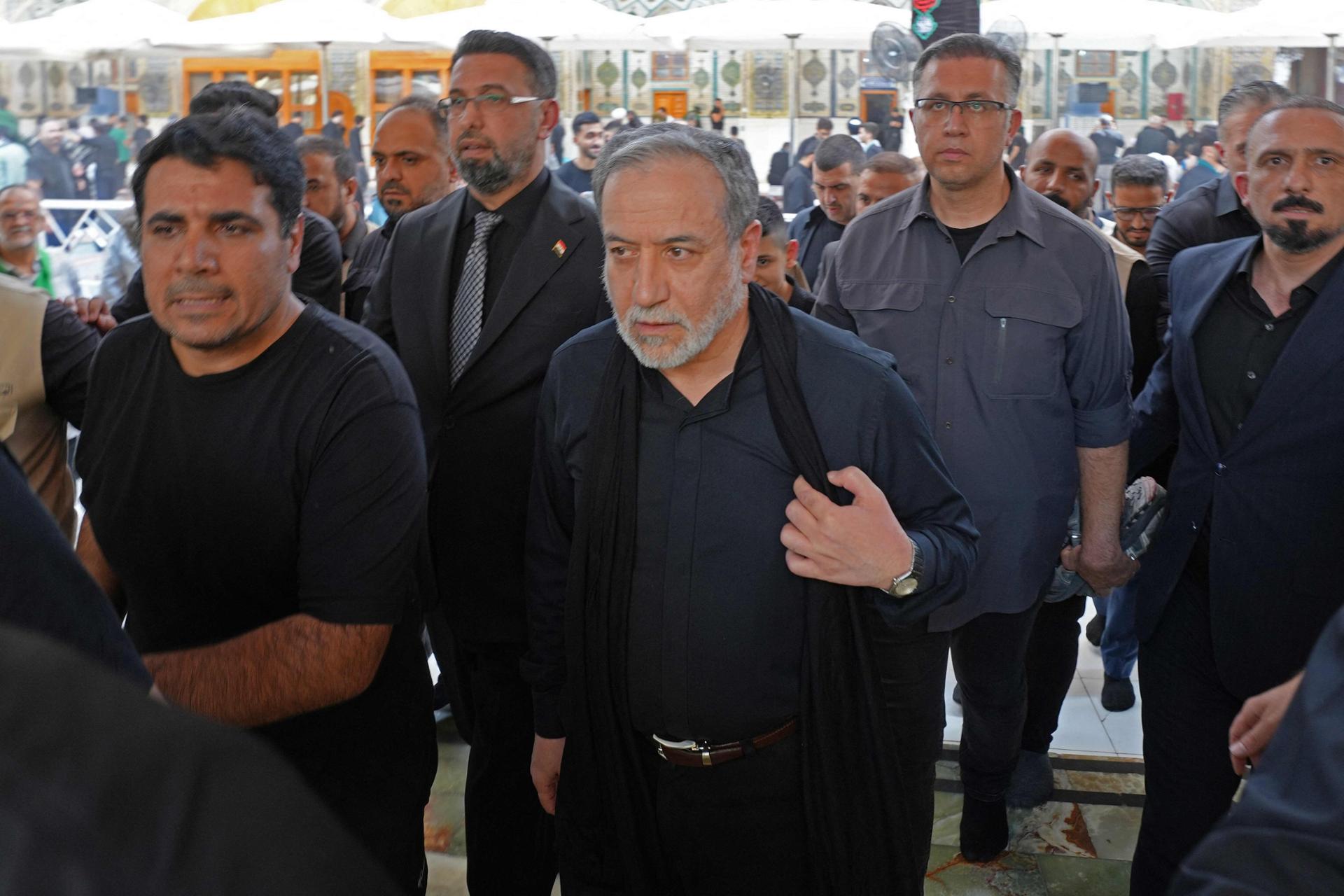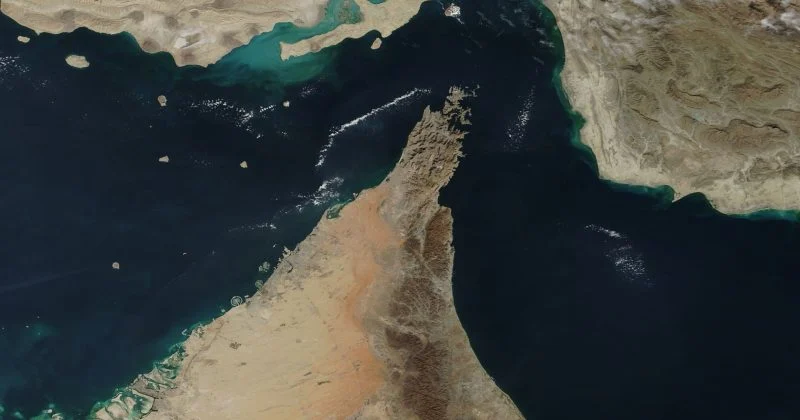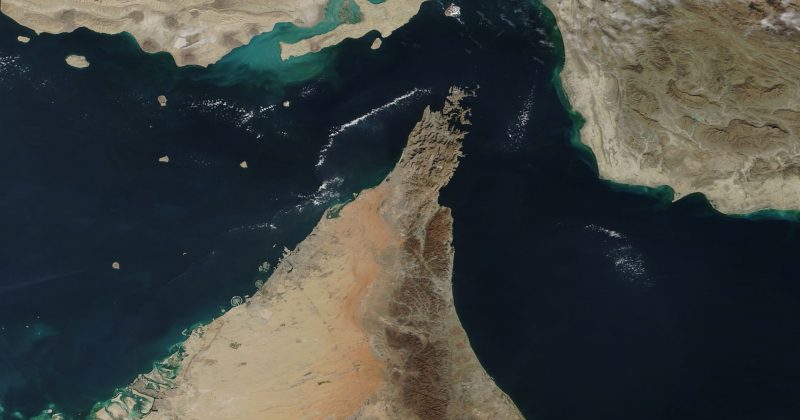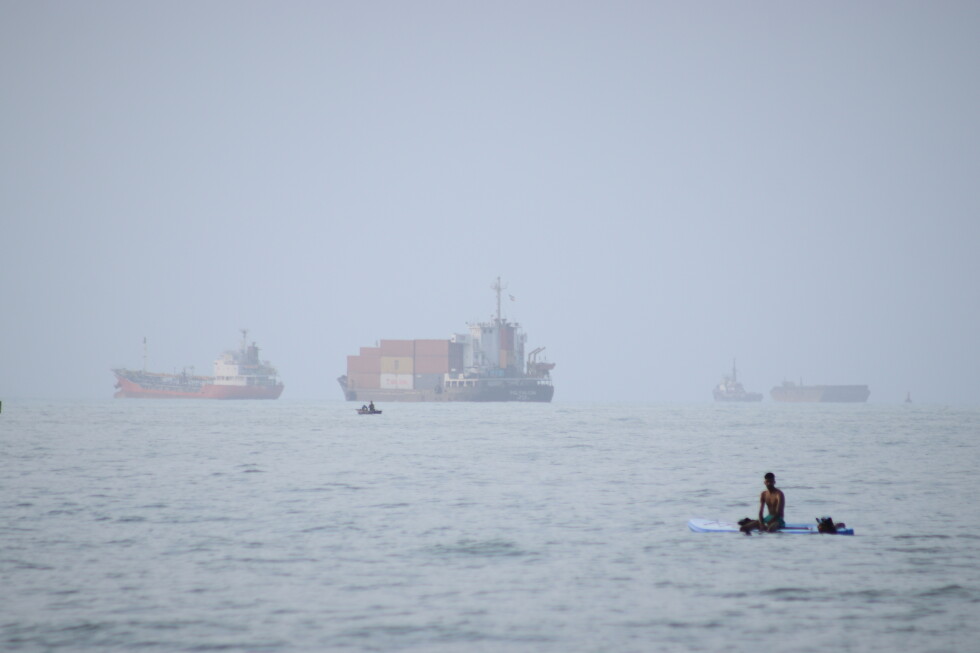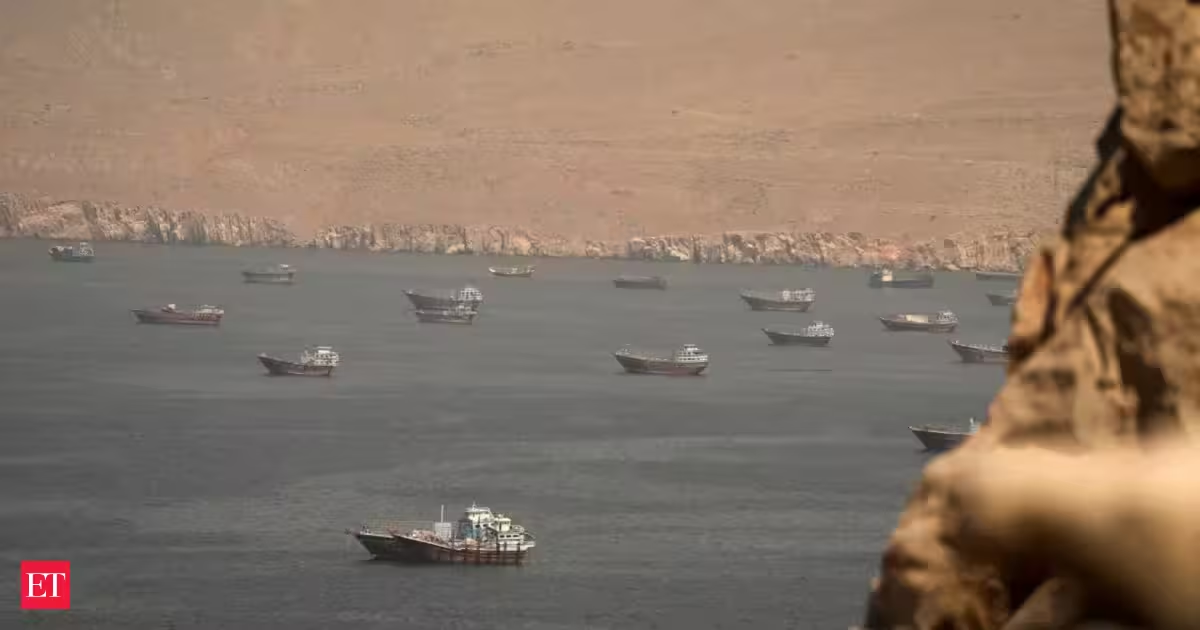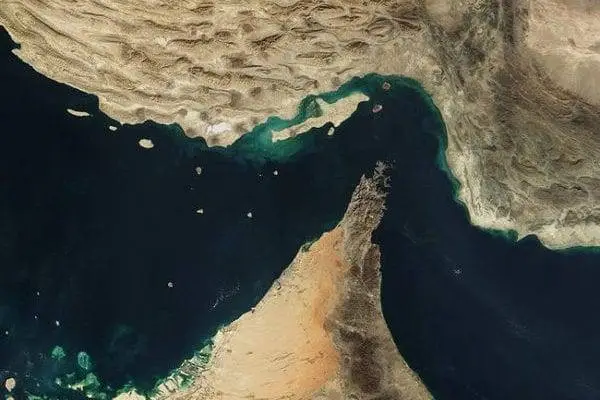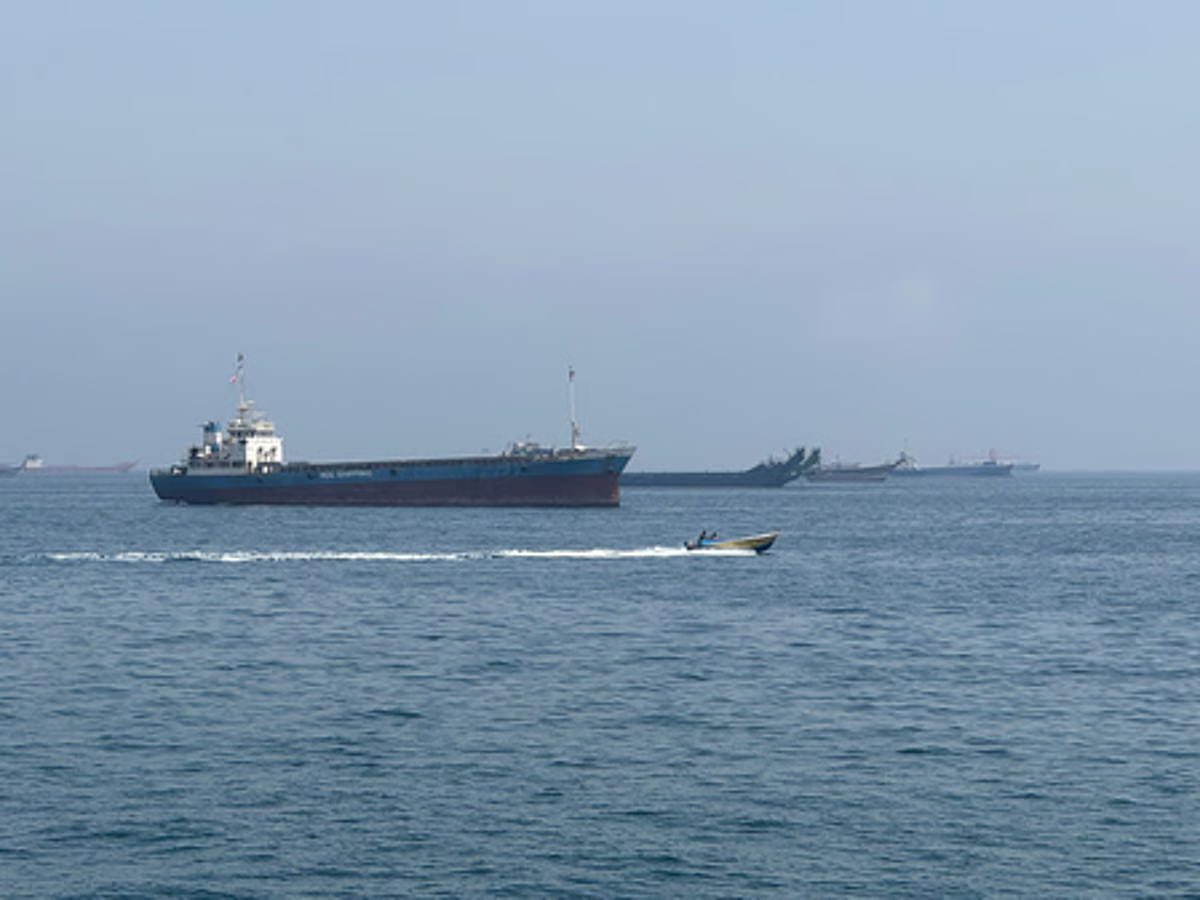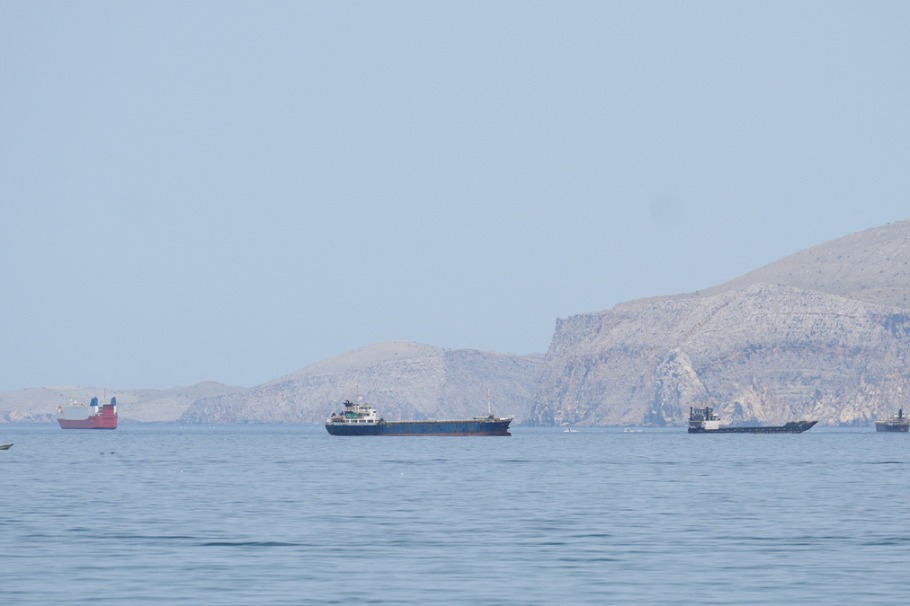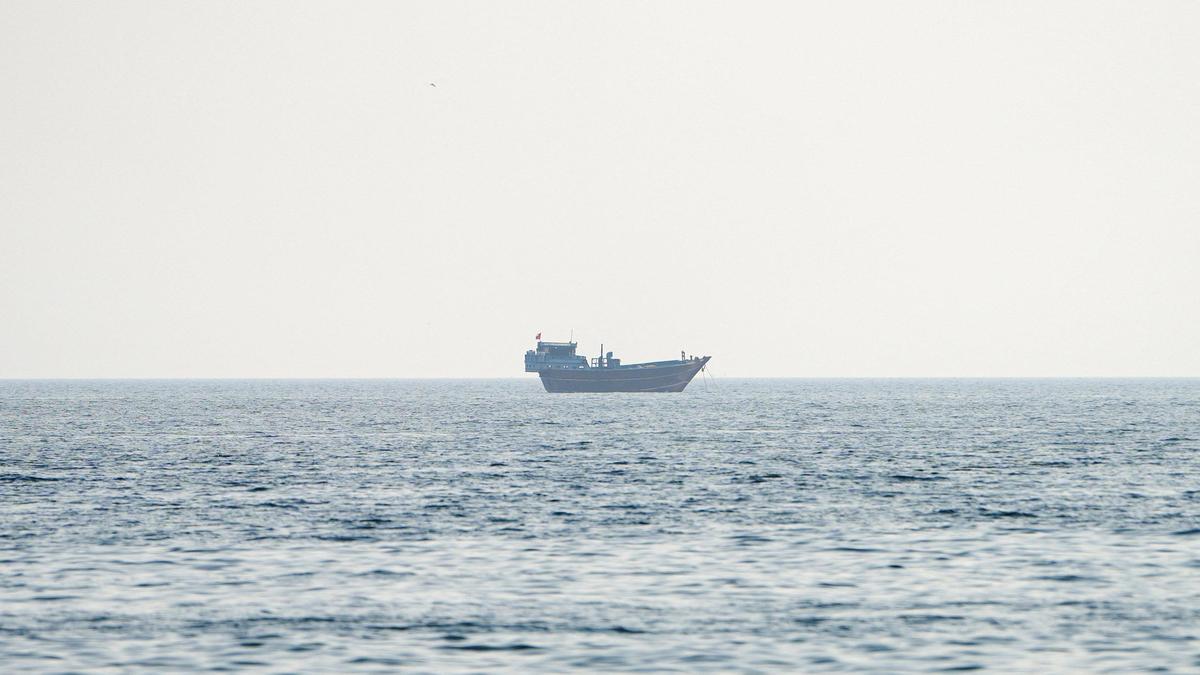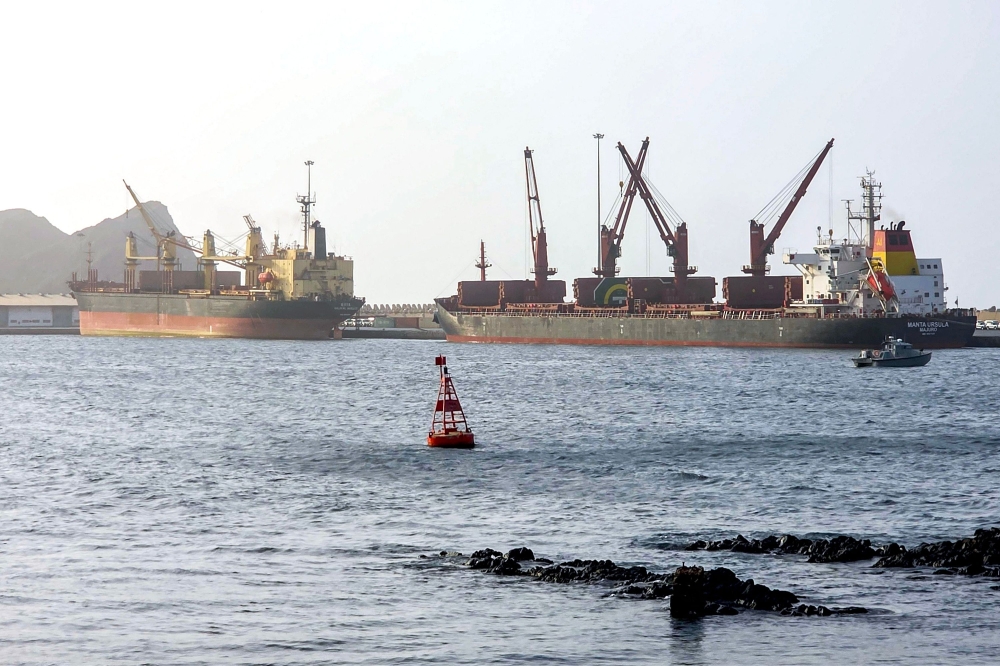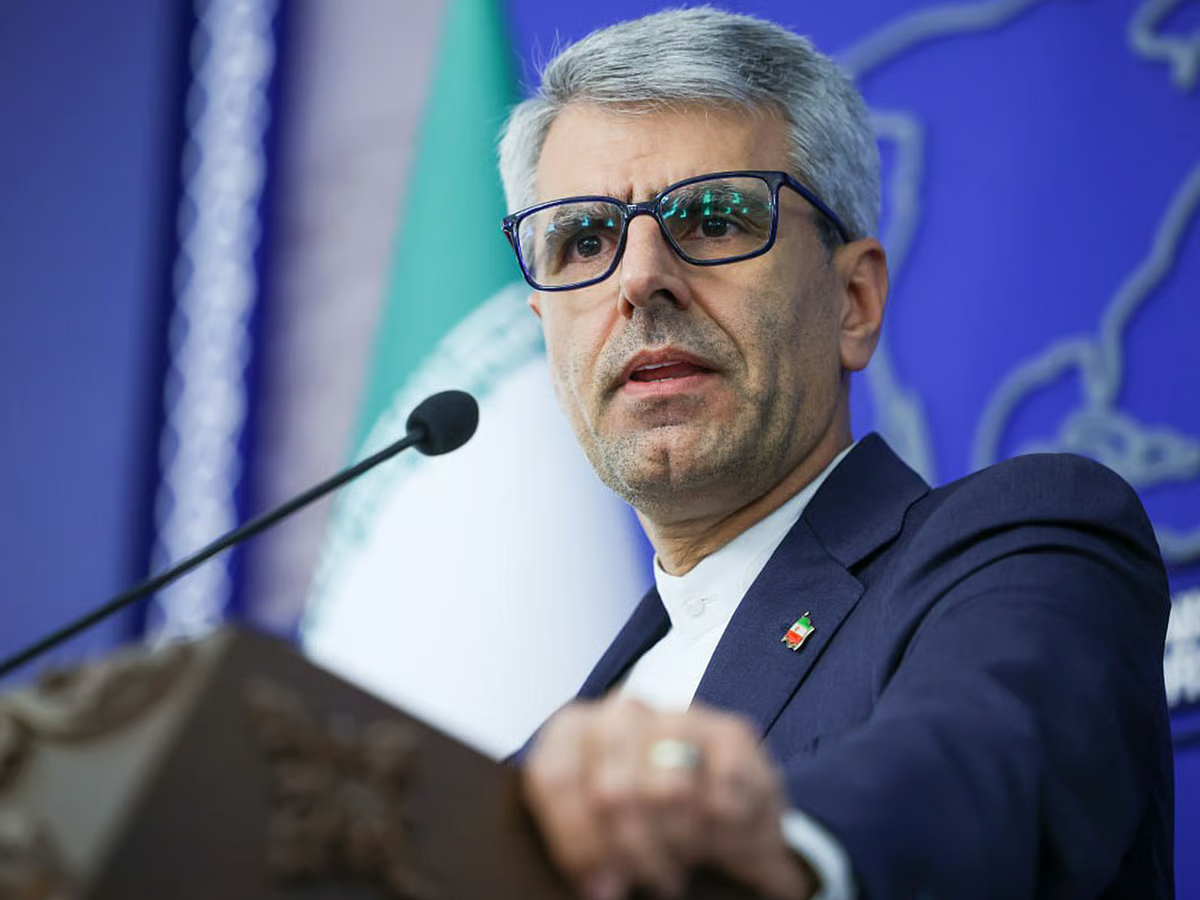
Proposed framework seeks safer routes through key oil chokepoint amid tensions with USLast updated: August 05, 2026 | 05:222 MIN READIranian Foreign Ministry spokesperson Esmaeil Baghaei X | @IRIMFA_ENIran and Oman have made progress in talks on how to manage maritime traffic through the strategically vital Strait of Hormuz, with Tehran saying discussions have been positive at both the technical and political levels.Iranian Foreign Ministry spokesman Esmaeil Baghaei said that the talks with Oman were progressing positively as the two sides worked on a framework for future vessel transit through the waterway.Baghaei said the discussions are focused on establishing a mechanism for the safe and orderly movement of commercial vessels, but stressed that an agreement on maritime traffic should not automatically be interpreted as a full reopening of the Strait of Hormuz.Get updated faster and for FREE: Download the Gulf News app now - simply click here Iran has said the waterway will not simply return to its prewar operating conditions and that any new arrangement must take into account Iranian sovereignty and security interests.Safer routesThe talks have become increasingly important after months of disruption to shipping through the 33-km-wide strait, through which a major share of the world's seaborne oil and liquefied natural gas passes.Iran and Oman are discussing a system under which the two countries would help manage shipping and establish safer routes through the waterway. The framework is also expected to address maritime coordination, navigation and security concerns.The United States, meanwhile, has signaled that a deal to expand shipping through Hormuz could be close, although significant differences remain. US officials have described the discussions as making progress toward reopening the waterway, while Iranian officials have been more cautious about describing the talks as a reopening agreement.That distinction is crucial.For now, the emerging agreement appears to concern the management of maritime traffic — not an unconditional return to unrestricted shipping.Iran has previously insisted that it must retain a central role in regulating traffic through the strait, while the United States and other major shipping nations have pushed for unrestricted freedom of navigation.Structured shipping mechanismThe talks with Oman could provide a potential compromise: a structured shipping mechanism that allows commercial traffic to resume while giving Iran and Oman a role in managing maritime movements.But the details — including which vessels can transit, who controls traffic, how security is guaranteed and whether any fees or restrictions apply — remain critical unresolved issues.The United Nations has also been informed that Iran intends to develop a framework for safe passage through the Strait of Hormuz in coordination with Oman, while keeping the International Maritime Organisation (IMO) informed of developments.Enormous stakesFor global energy markets, the stakes are enormous. A credible mechanism that restores sustained commercial shipping could ease pressure on oil and gas markets, while another breakdown in negotiations could quickly revive fears of prolonged disruption.While Iran and Oman appear closer to an agreement on how ships could move through Hormuz, that is not yet the same as a full, unconditional reopening of the world's most important oil chokepoint.Get Updates on Topics You ChooseUp Next
Iran, Oman make ‘positive’ progress on Strait of Hormuz shipping framework: Iranian Foreign Ministry spokesperson
Proposed framework seeks safer routes through key oil chokepoint amid tensions with US
512 words~2 min read