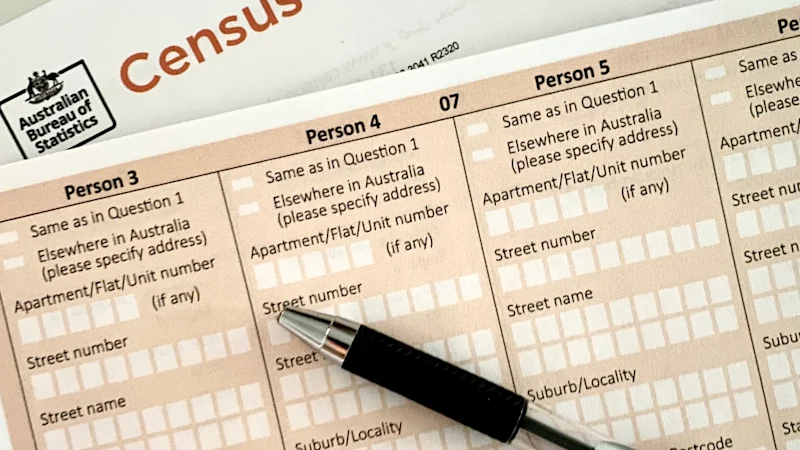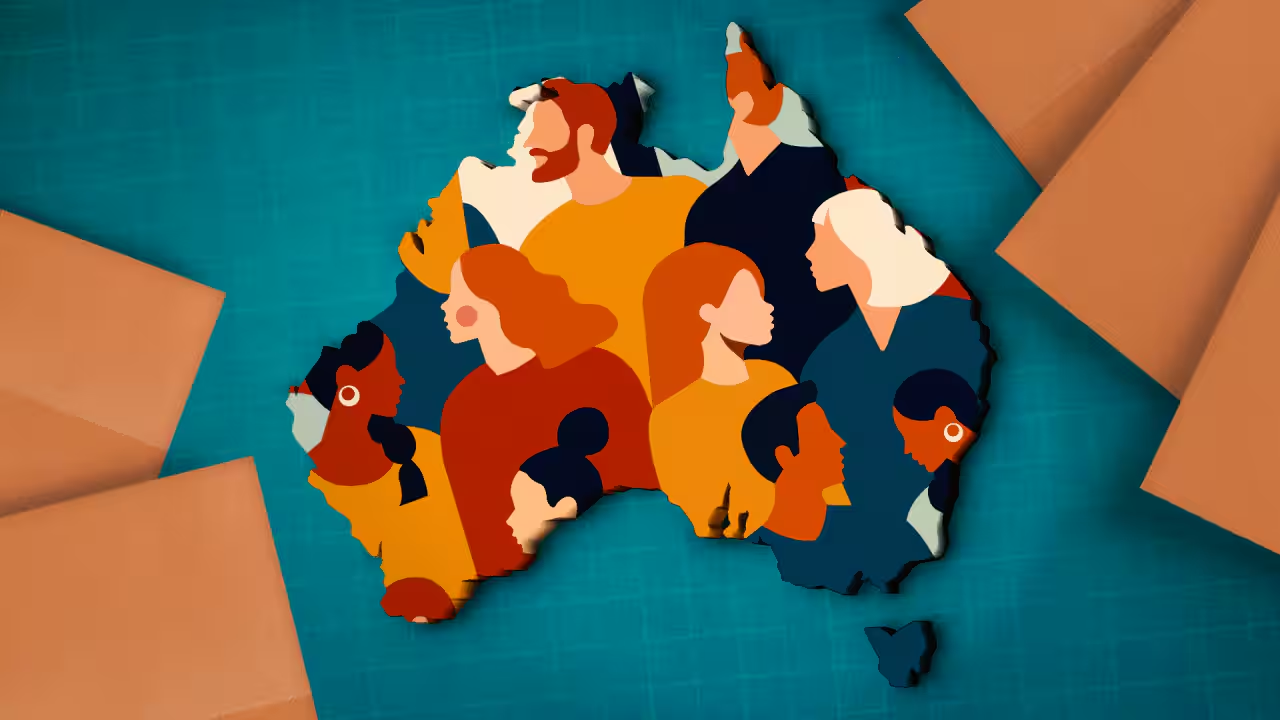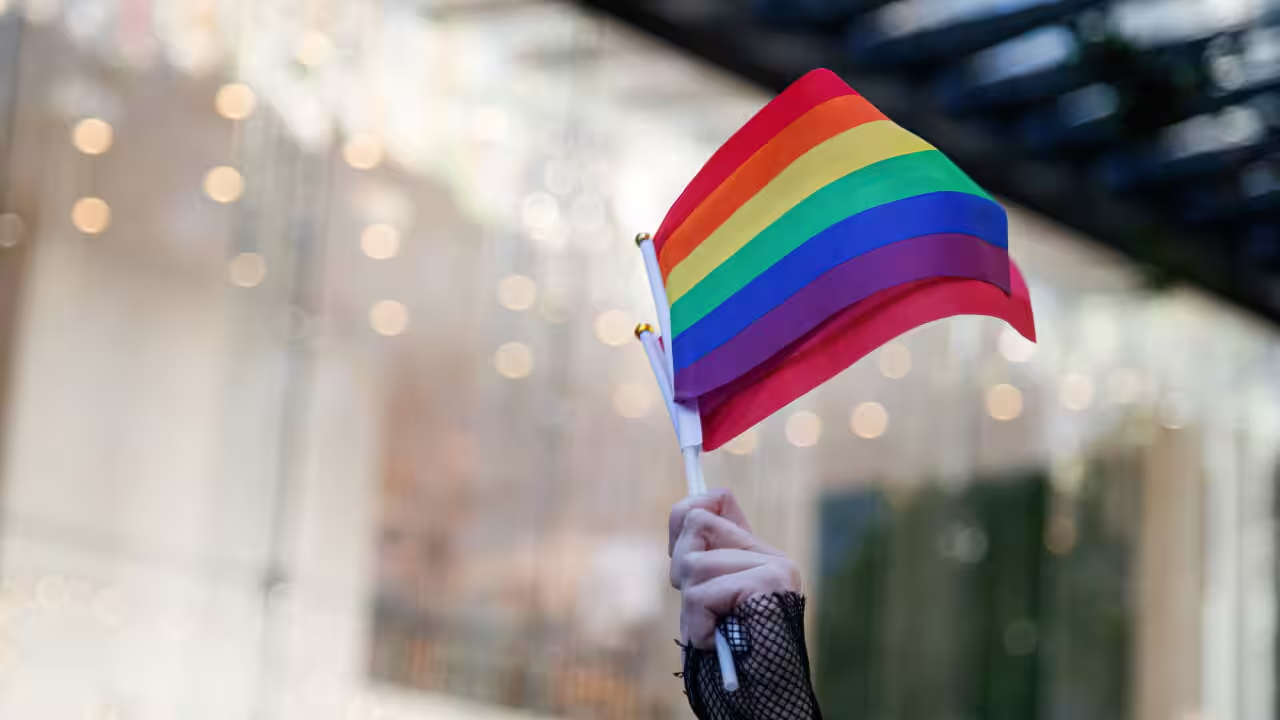
IN BRIEFTwo new questions have been added to the Census about gender identity and sexual orientation.A question on ancestry has been expanded to allow up to four responses.The Census of Population and Housing has long tracked a changing Australia — but for more than a century, a piece of the nation's story has been missing, LGBTIQ+ Health Australia CEO Nicky Bath says.Bath says the organisation has been calling for the addition of questions regarding sexual orientation, gender identification and expression."I remember in the run-up to the 2021 Census being contacted by older people who thought that they wouldn't be alive for the 2026 Census, and it was very sad for them that they wouldn't be able to participate ... in this way," she told SBS News.The 2026 Census will now include two new questions about gender and sexual orientation.Respondents will still be asked about their sex recorded at birth, but people over the age of 16 can also specify their gender as male, female, non-binary or another term.News that makes senseYour trusted source for staying up-to-date with the world around you. Get free daily news updates and analysis, straight to your inbox.An optional question regarding sexual orientation has been added, with answers including straight, gay or lesbian, bisexual or an open-ended response for another term. Bath said Census data — which will be released in three phases starting from June 2027 — will inform the availability, funding and location of LGBTQI+ community and health services.If people in Australia do not complete the Census they can be fined up to $364 a day. Credit: ABS"The decision has been a long time coming ... for many people, being able to mark those boxes in the Census is really important with regards to validation and for us to be seen as important members of the community. That's a really important historical moment."LGBTQI+ groups call for more reformAdvocates like Equality Australia say the number of people living in houseboats has been recorded in the Census for decades, but LGBTQI+ populations have not been traced.Anna Brown, CEO of Equality Australia, said Census data collected about LGBTQI+ people would be "transformative". "We're really looking forward to learning just how many LGBTQ+ people there are in Australia, because we know that if we aren't counted, we remain invisible in the data that shapes decisions about our lives," she told SBS News."Better data leads to better decisions on health, housing, education, aged care, and community services. Until now, governments have been making these decisions without a complete picture of our communities."Brown has also called for Australians with innate variations of sex characteristics or intersex people to be counted by the Australian Bureau of Statistics (ABS)."We will continue to advocate for its inclusion and work with the ABS ... towards recommending that this population be included," she said.Census questions are informed by the 2020 ABS standards for sex, gender, variations in sex characteristics, and sexual orientation variables. These standards specify that: "The inclusion of born with a variation of sex characteristics or intersex as a response option in a sex question ... is not capable of generating reliable or consistent results in measuring this population, and perpetuates the misconception that intersex people are neither male nor female."Bath said more work is needed to ensure Australians are educated about innate variations of sex characteristics, which she believes is often "conflated with sex and gender". However, she is choosing to view Census outcomes with a glass "half full" approach."We know that there are challenges with not having the gender question being asked to people who are under 16. That means that people with trans and gender diverse children are not going to be able to inform the Census about their children."On the other side of that, though, we will get data for the first time on people who are over 16, and that is very, very important," Brown said.Jenny Telford, general manager of the Census and Population division at the ABS, said answers have also been expanded to reflect the "rich cultural makeup across the country". New response options for ancestry questionPreviously, an ancestry question, which gathered data on people's lineage or descent, only allowed up to two response options. Now, respondents can provide up to four answers. Telford said the change will provide "richer insights into the cultural makeup of every area across Australia". Jenny Telford, general manager of the Census and Population division at the ABS, said the Census provides critical data on "who we are and how we are changing over time". Credit: ABSPeter Doukas is the chair of the Federation of Ethnic Communities Councils of Australia, the peak body representing Australians from culturally and linguistically diverse backgrounds. "We were very much in support of the ancestry data being added to [the Census] and I think we're going to see some very interesting results in terms of not only people from a non-English-speaking or cultural background, but also from First Nations backgrounds," he told SBS News.The ABS has announced it aims to better reflect Aboriginal and Torres Strait Islander cultural identity."So getting a good count of our Aboriginal and Torres Strait Islander population in the 2026 Census is a really important priority for the ABS," Telford said."We've expanded things like the languages that people can report on the Census form to include more Aboriginal and Torres Strait Islander languages than we've had in the past." On 11 August, the ABS will also ask people how they travelled to work. The Census has updated its response category to include a new bicycle option (including e-bike) to reflect what it described as "more contemporary modes of travel".For the latest from SBS News, download our app and subscribe to our newsletter.
What is new in the 2026 Census? The questions that have changed
Gender identity, sexuality and ancestry: Here's what's new in the 2026 Census.
950 words~4 min read