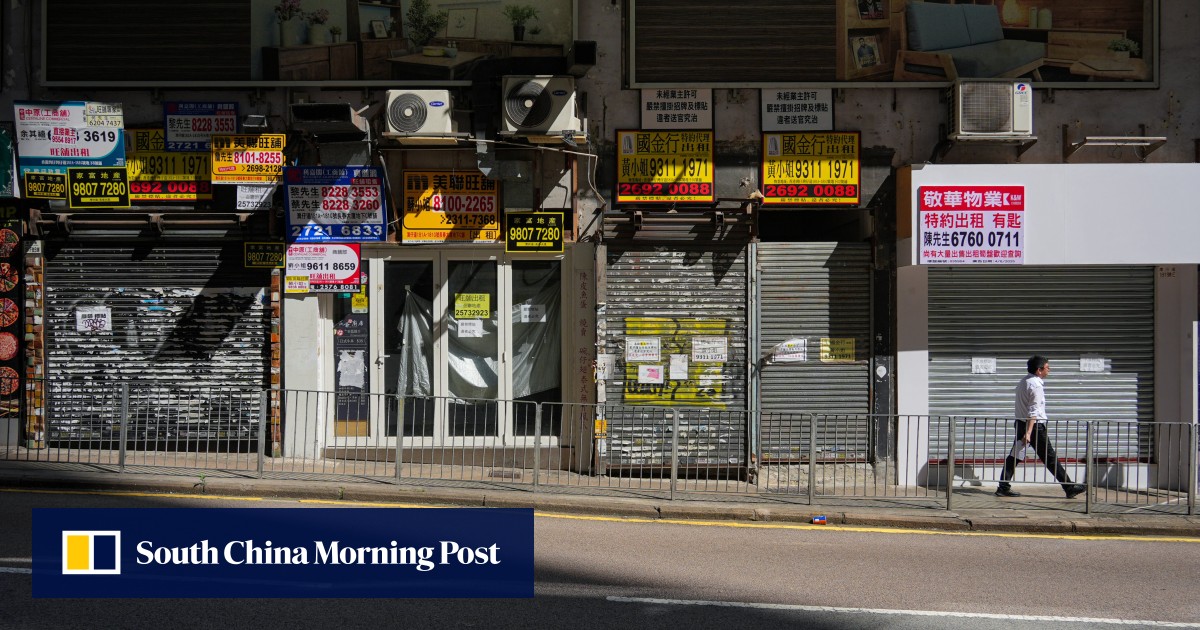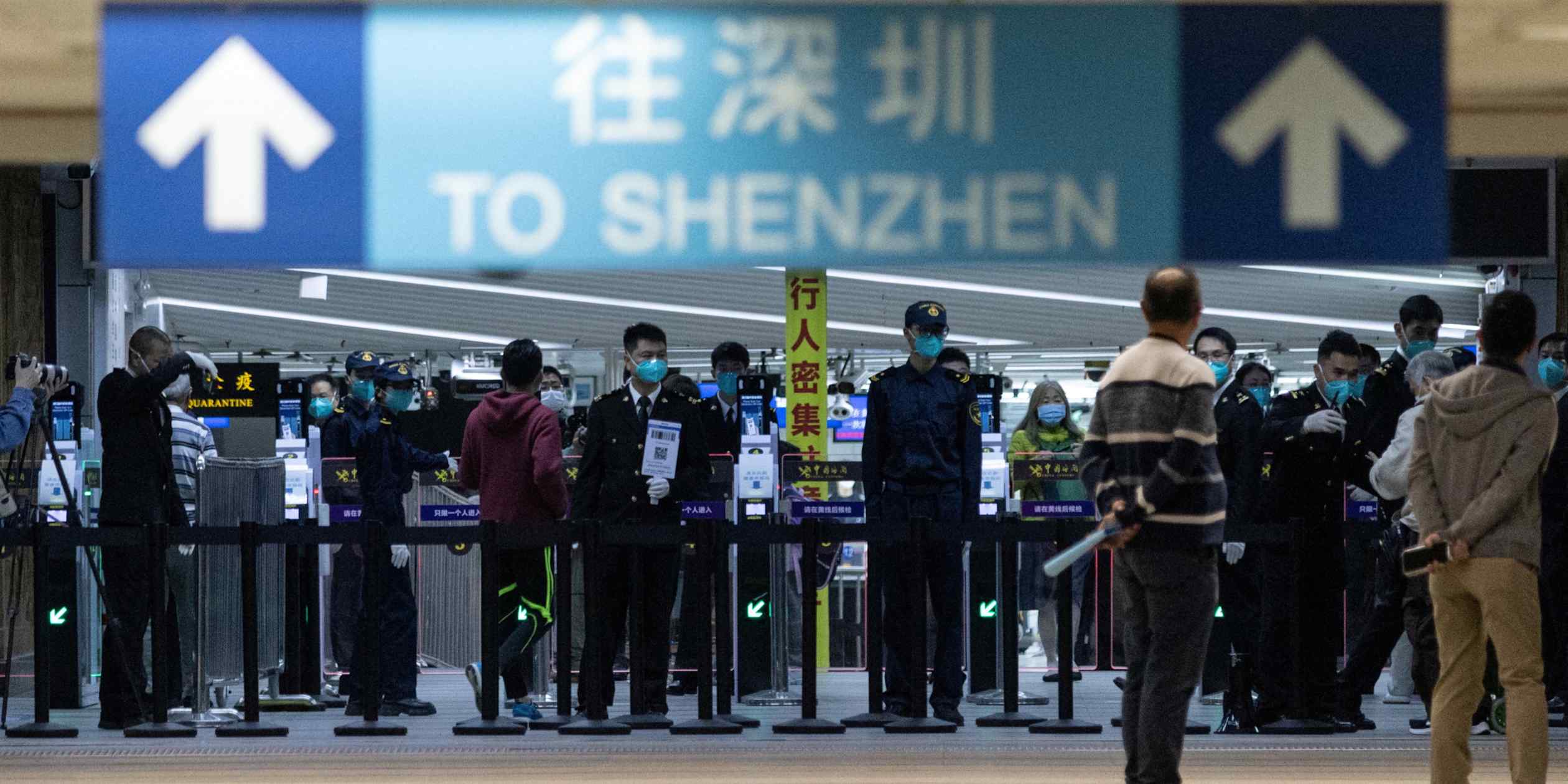
In Hong Kong neighbourhoods that once hummed with the sound of clinking glasses and chattering diners, independent kitchens sit closed behind metal grilles and many of the restaurants that remain open rarely fill.The silence is all the more striking because just across the border with mainland China, Shenzhen’s shopping centres and food streets heave with Hongkongers queuing for hotpot, milk tea and beauty treatments.Even Kosei Kamatani, a prominent Japanese restaurateur who has managed several Hong Kong hotspots over the past two decades, is feeling the pressure.Last year, he was forced to close the original Ippei-an Ramen & Bar – one of the first ramen shops in Hong Kong and his own family’s legacy – alongside other venues he was running.The post-pandemic script, Kamatani says, looked so promising at first. Borders reopened, and the industry braced for “revenge spending” – the pent-up splurge of millions of stir-crazy consumers.What they did not realise was that the money flowed as expected – just not into local tills.The upgraded high-speed rail turned Shenzhen into a weekend default, while the yen’s historic weakness made Tokyo and other Japanese cities absurdly attractive alternatives, where an omakase meal that might easily cost HK$1,000 (US$130) in Hong Kong could be enjoyed for less than half.
Are Hong Kong’s restaurants fighting a losing battle against Shenzhen?
Three restaurateurs discuss the challenges of staying afloat in Hong Kong as more locals cross the border into Shenzhen for cheaper food.
207 words~1 min read