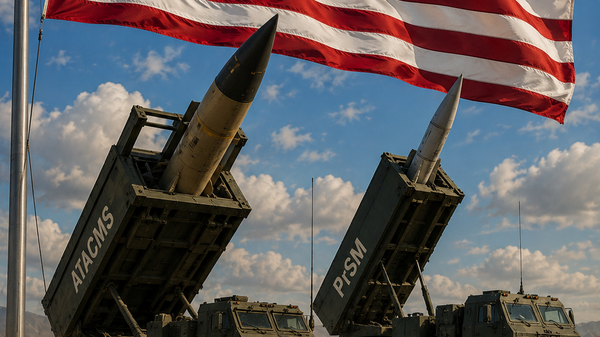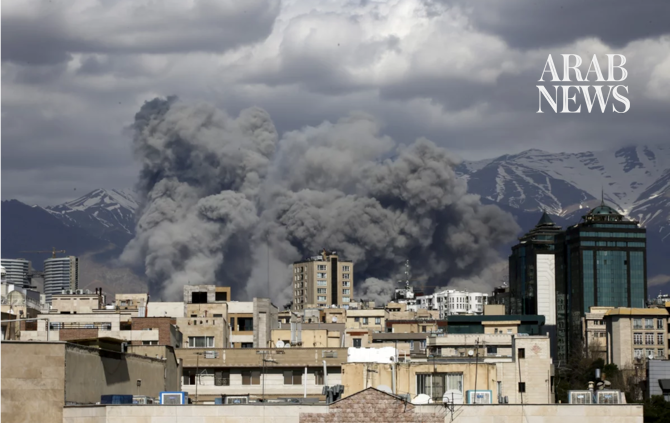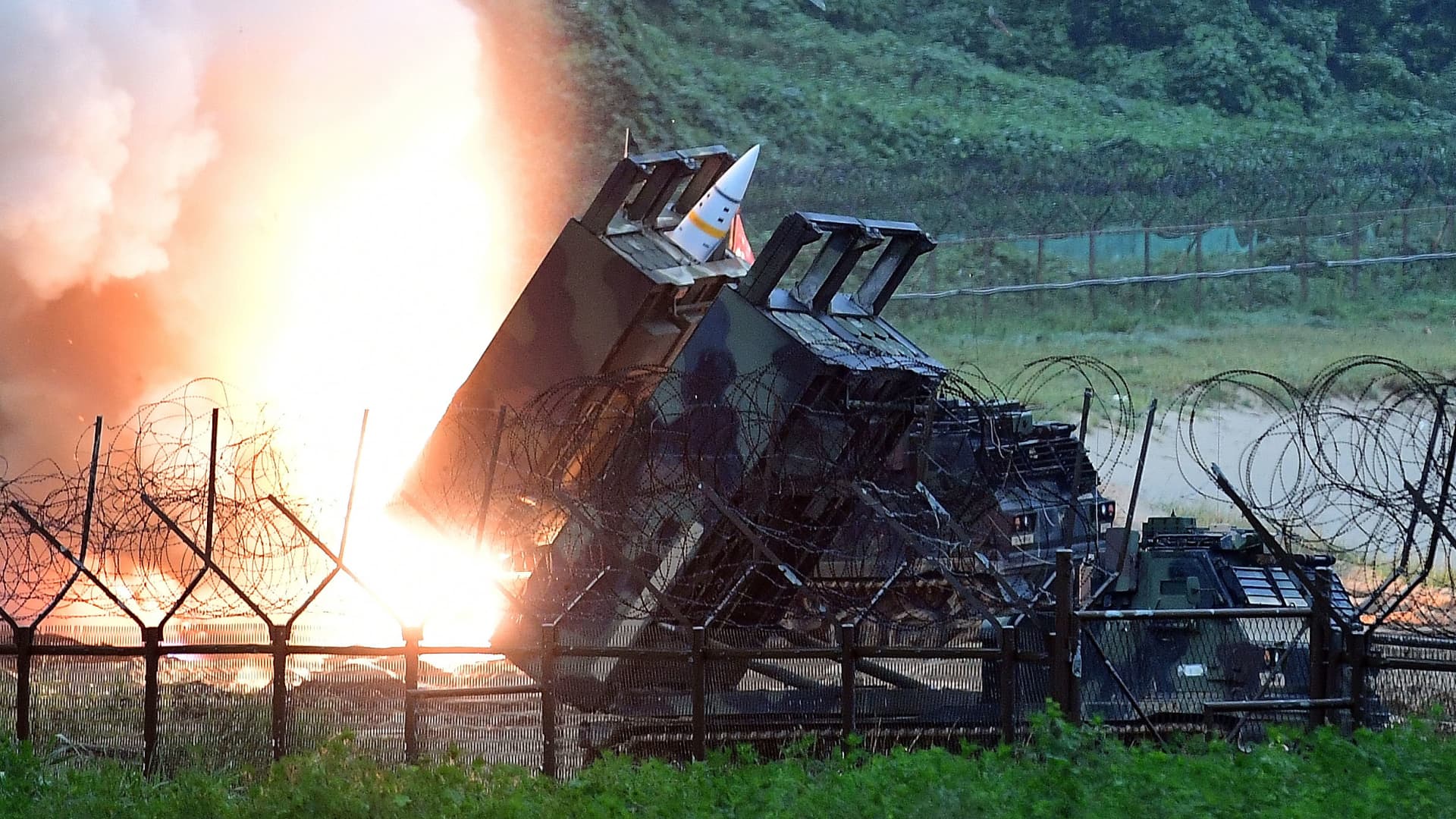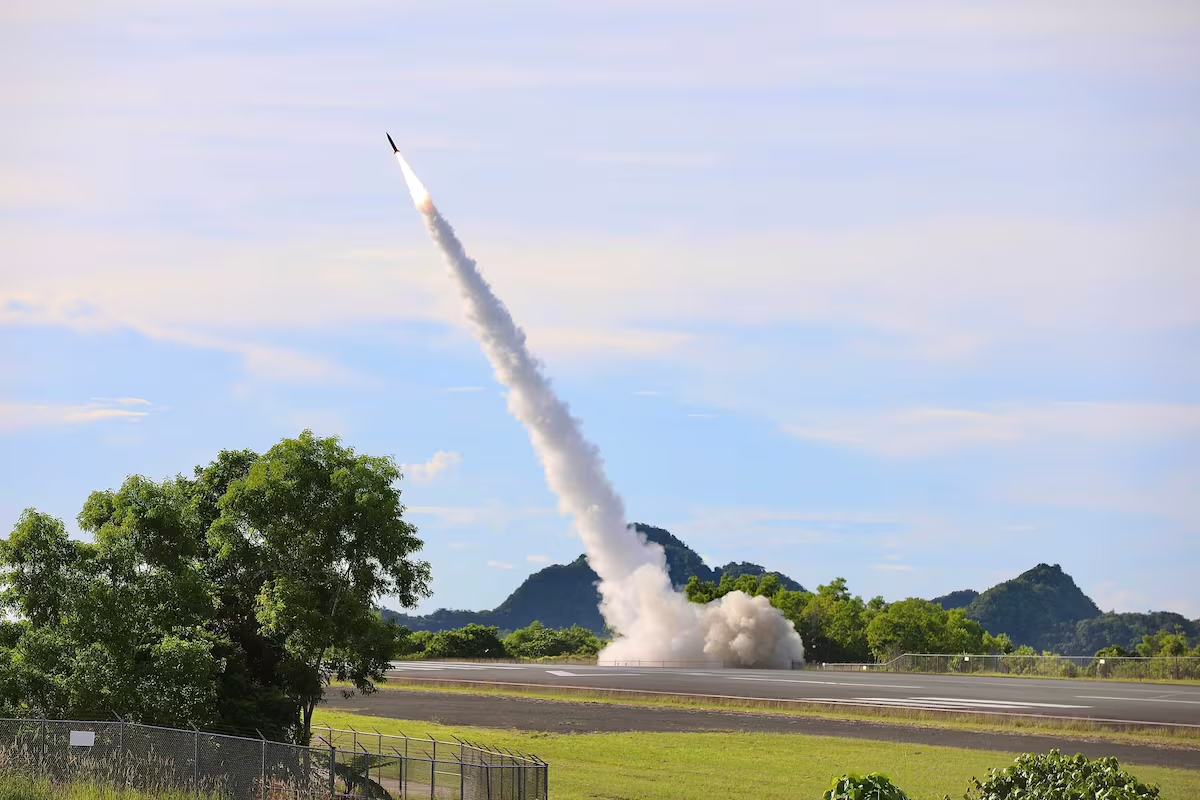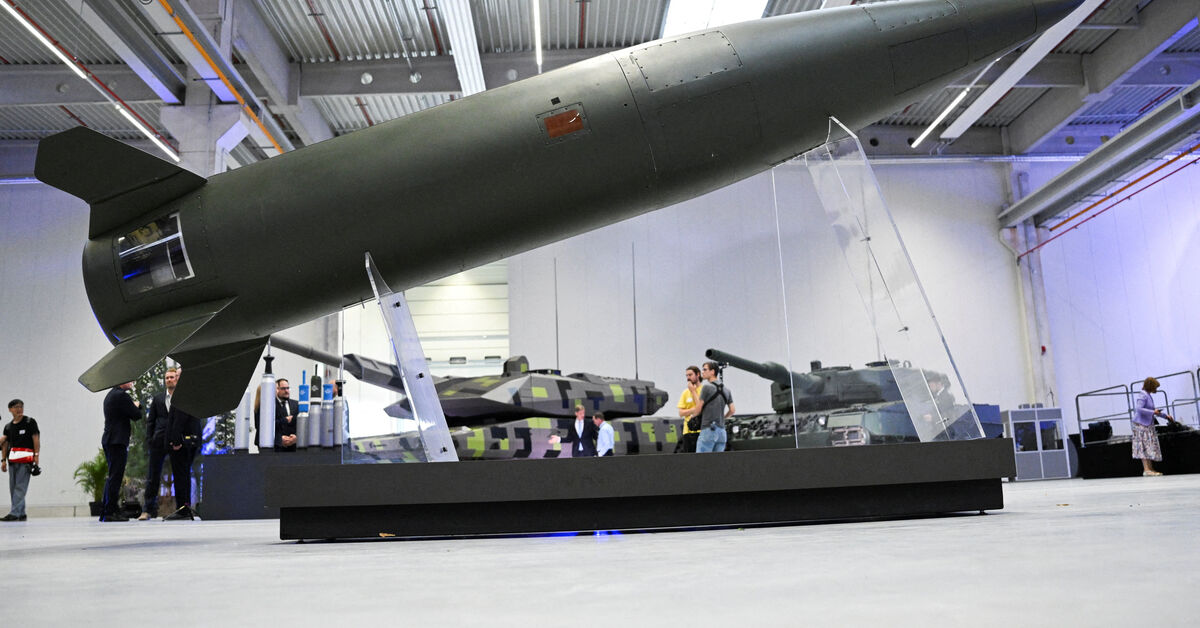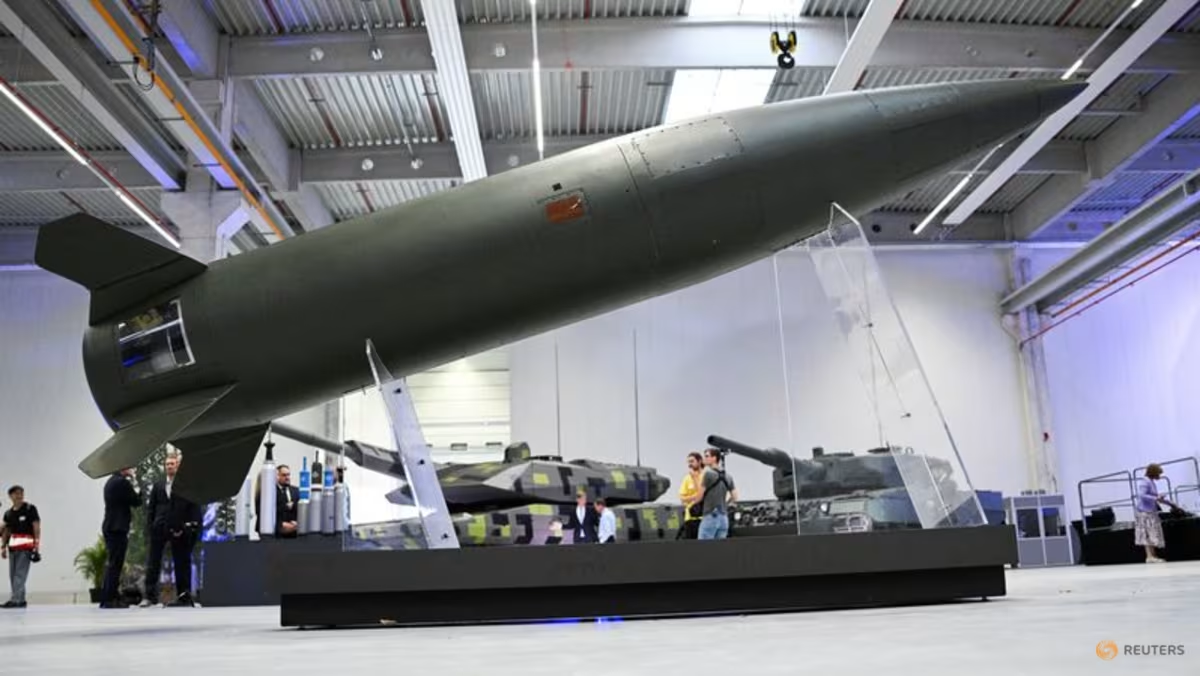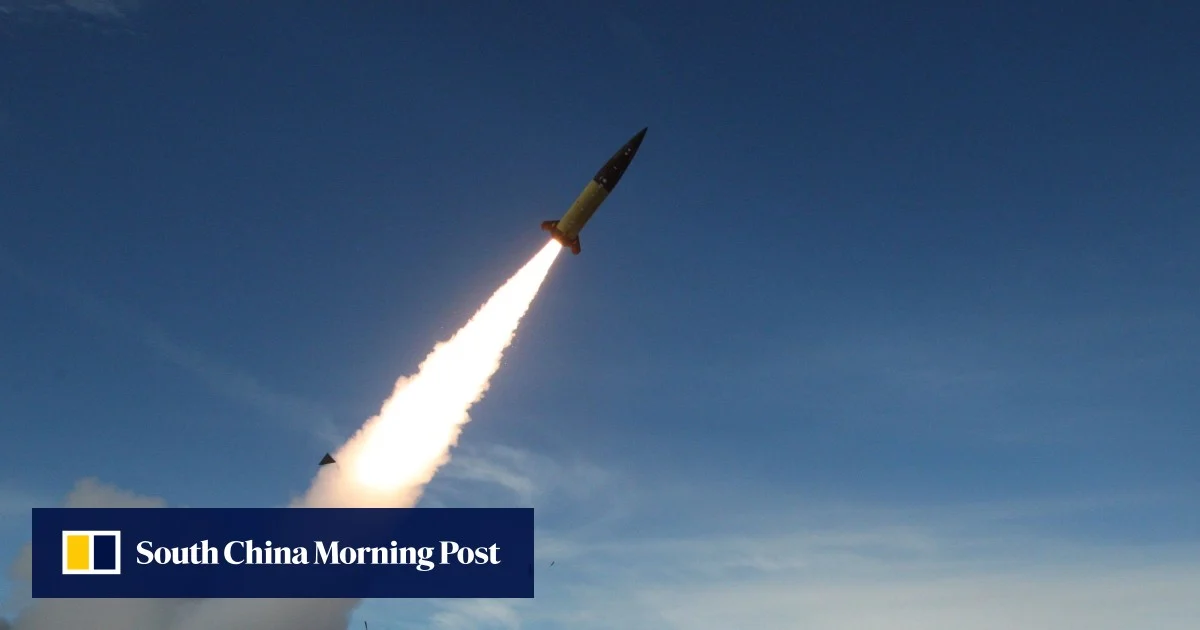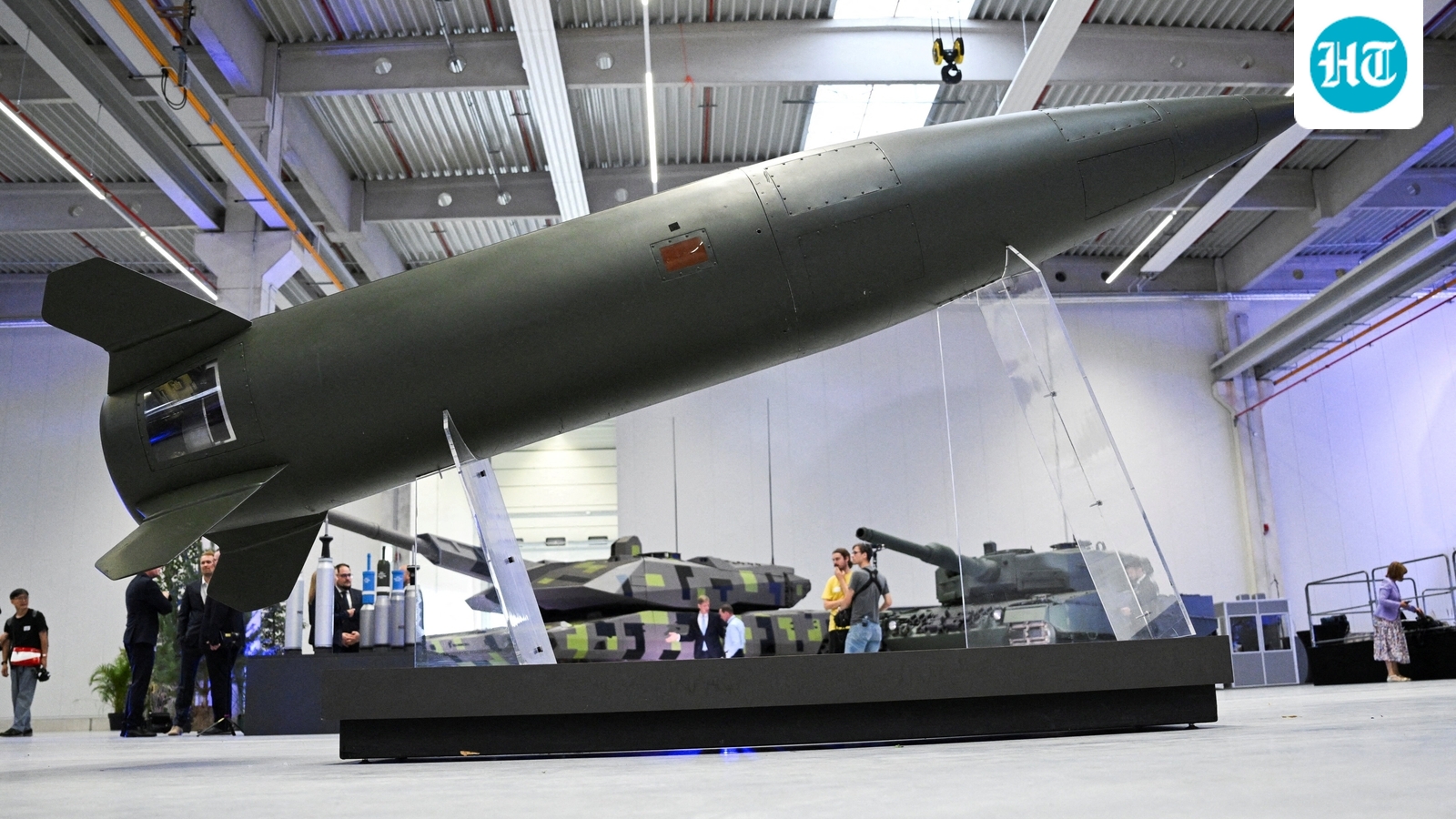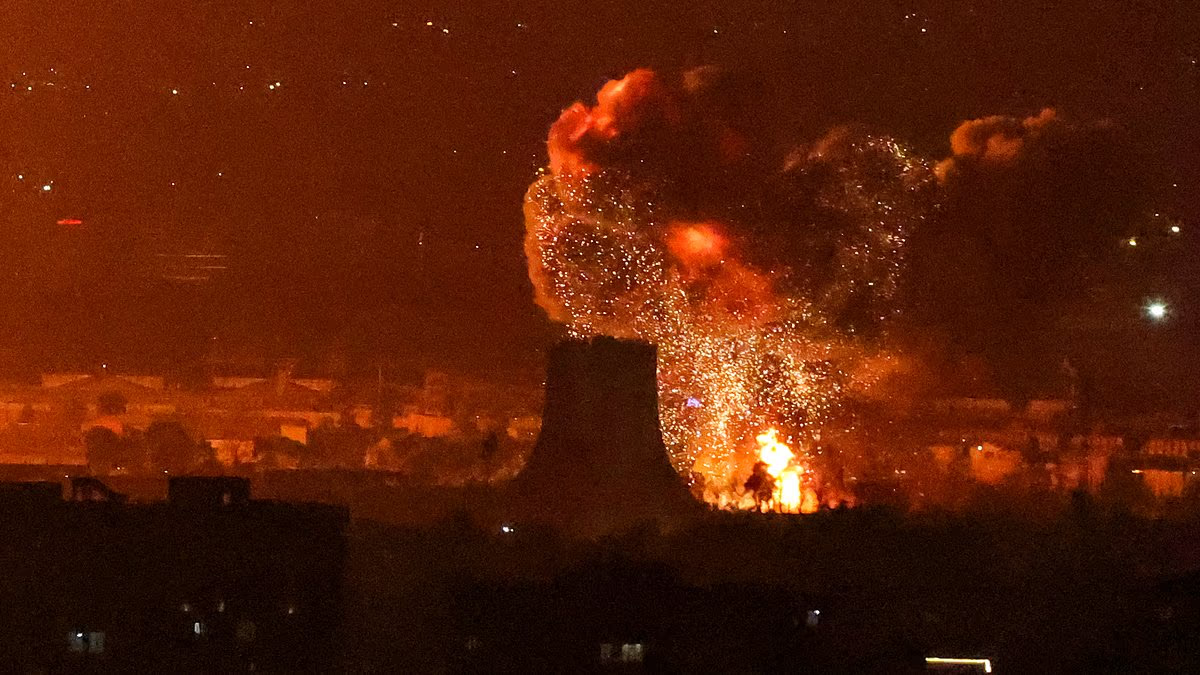
The US Army has burned through nearly its entire arsenal of offensive precision missiles during its five-month war with Iran, three sources familiar with the data have said. The officials, granted anonymity to discuss sensitive US military matters, told Reuters that the stocks of Army Tactical Missile Systems (ATACMS) and Precision Strike Missiles (PrSM) have dwindled to new staggering lows. Two of the officials said the US has used 'virtually all' of these missiles in its stockpile.All three sources expressed concern that the low stockpiles could hamper the US ability to fend off Russia, China and other adversaries. Their warning comes after reports that Trump's top military advisor, Chairman of the Joint Chiefs General Dan Caine, reportedly warned Trump that dwindling supplies in the region could increase the risks faced by US forces there.Lawmakers have also expressed concern over Caine and Secretary of War Pete Hegseth acting as 'yes men' for the President. A fourth source told the outlet that Central Command, which organizes US military forces in the Middle East, has expended nearly all the land-based missiles it had before the war began in February, though it has since restocked from other US stockpiles located across the globe. Both the ATACMS and the PrSM systems allow for long-range strikes with deadly precision while not putting US pilots at risk. ATACMS can travel approximately 185 miles, while the newer PrSM system has a range around 300 miles. The officials, granted anonymity to discuss sensitive US military matters, told Reuters that the stocks of Army Tactical Missile Systems (ATACMS) and Precision Strike Missiles (PrSM) have dwindled to new staggering lows. President Donald Trump has said that the US has more than enough missiles in its arsenal to continue fighting against IranThe US Army has used up much of its stockpile of highly accurate long-range missiles during its five-month war with Iran, according to sources File image: An explosion erupts following strikes near Azadi Tower close to Mehrabad International Airport in Tehran on March 7, 2026They each cost over $1 million per missile, with prices ranging far higher depending on the munition's exact specs. The sources refused to reveal exactly how many of each munition remains in US inventories. President Donald Trump, meanwhile, has repeatedly stressed the US has more than enough firepower to continue its war against the Islamic Republic. He's said the US has 'far more munitions than anyone in the world,' adding 'far more than we need.' Lockheed Martin, the manufacturer of the ATACMS and the PrSM, did not immediately respond to the Daily Mail's request for comment. The President has met with executives from Lockheed and other major US military contractors as the war with Iran drags on and the military's thirst for additional munitions appears unquenchable. 'Our defense companies are, at this moment, making more munitions than they have ever made before, in addition to expanding their plants and equipment at record levels,' Trump has said. The surface-to-surface missile systems are crucial for attacking targets at ranges that could only otherwise be targeted by US pilots. Given their long ranges, the ATACMS and PrSM systems are favored for strikes against Iran because it keeps pilots far from the front lines where the regime's anti-air systems are waiting. The munitions would also be crucial in any potential conflict with China, experts have warned, noting how any US military strategy near the mainland would need to employ long-range options. ATACMS have also been provided to Ukrainian forces so that they could strike deep within Russian territory, further straining the supply of the critical munition. There are also major concerns among US officials about defensive weapons in the US arsenal. Patriot interceptor missiles and Terminal High Altitude Area Defense (THAAD) systems, two US-made defensive systems used to shoot down incoming missiles, drones and aircraft, have also seen their supply dwindling. The Center of Strategic and International Studies (CSIS) released a report last week estimating that 65 percent of Patriot interceptors had been used since the beginning of the war. The study also found that THAAD interceptor stockpiles were at least 38 percent lower than the levels before the conflict. Caine reportedly warned the President in late July that the diminished supply of defensive interceptors increases risks faced by US troops in the region. The President has repeatedly threatened and then walked back claims he would strike Iran with overwhelming force. On various occasions, Trump has said that he's called off the strikes because officials in Iran have signaled they want to make a deal. It is unclear at this time if there are any ongoing negotiations between the US and Iran.Neither the White House nor the Pentagon immediately returned the Daily Mail's request for comment.
US 'has used "virtually all" of its long-range precision missiles
The US Army has used up much of its stockpile of highly accurate long-range missiles during its five-month war with Iran, sources say.
785 words~4 min read