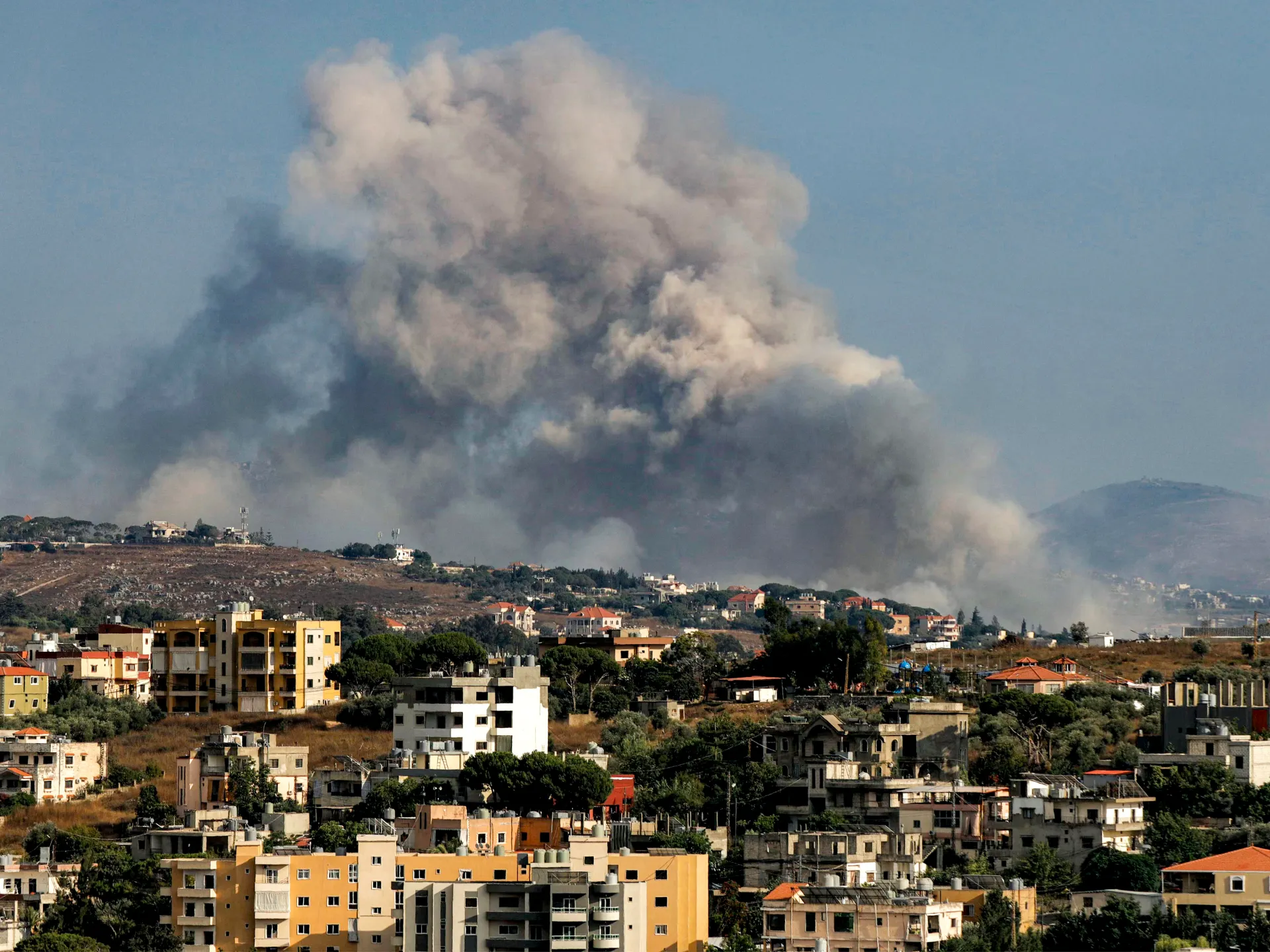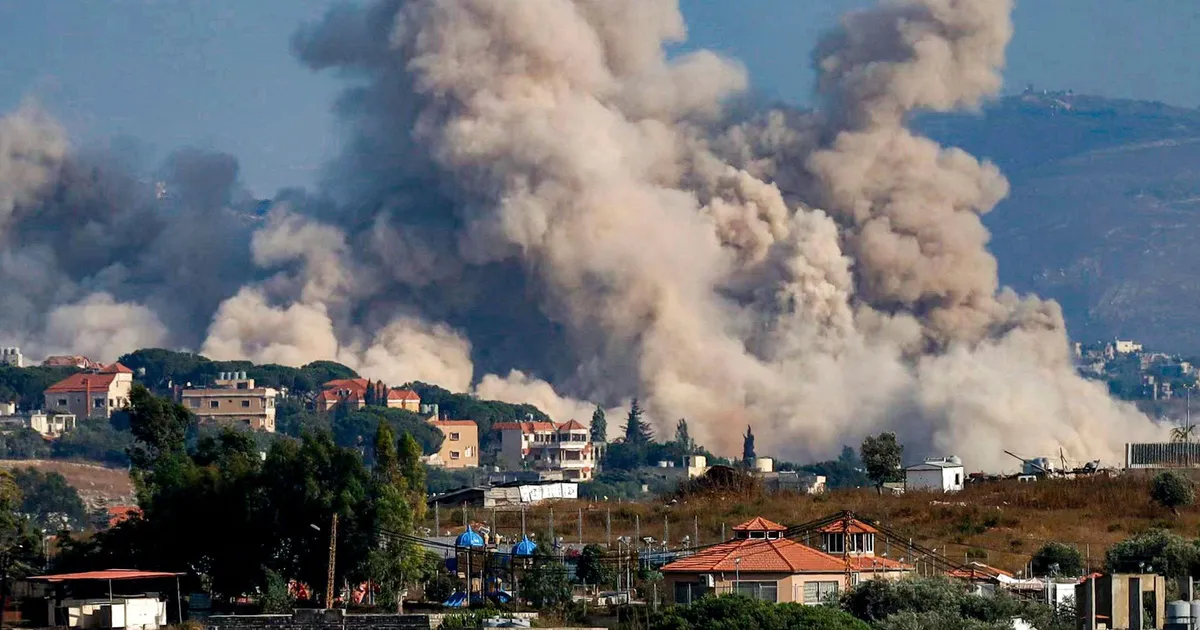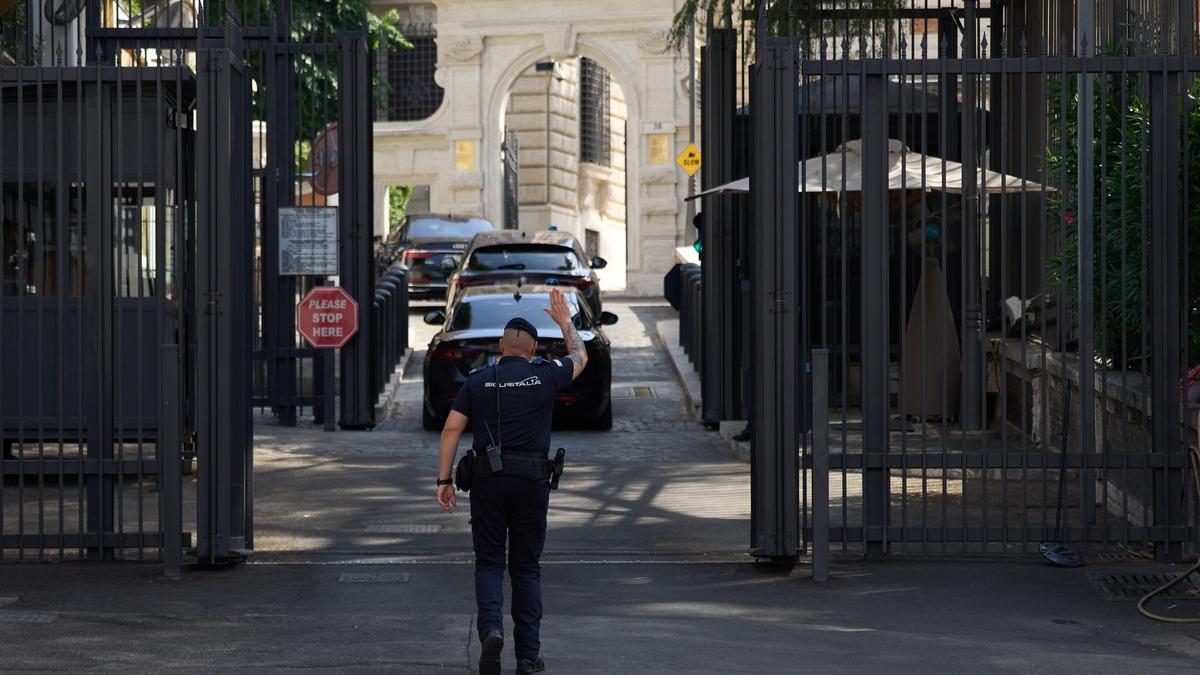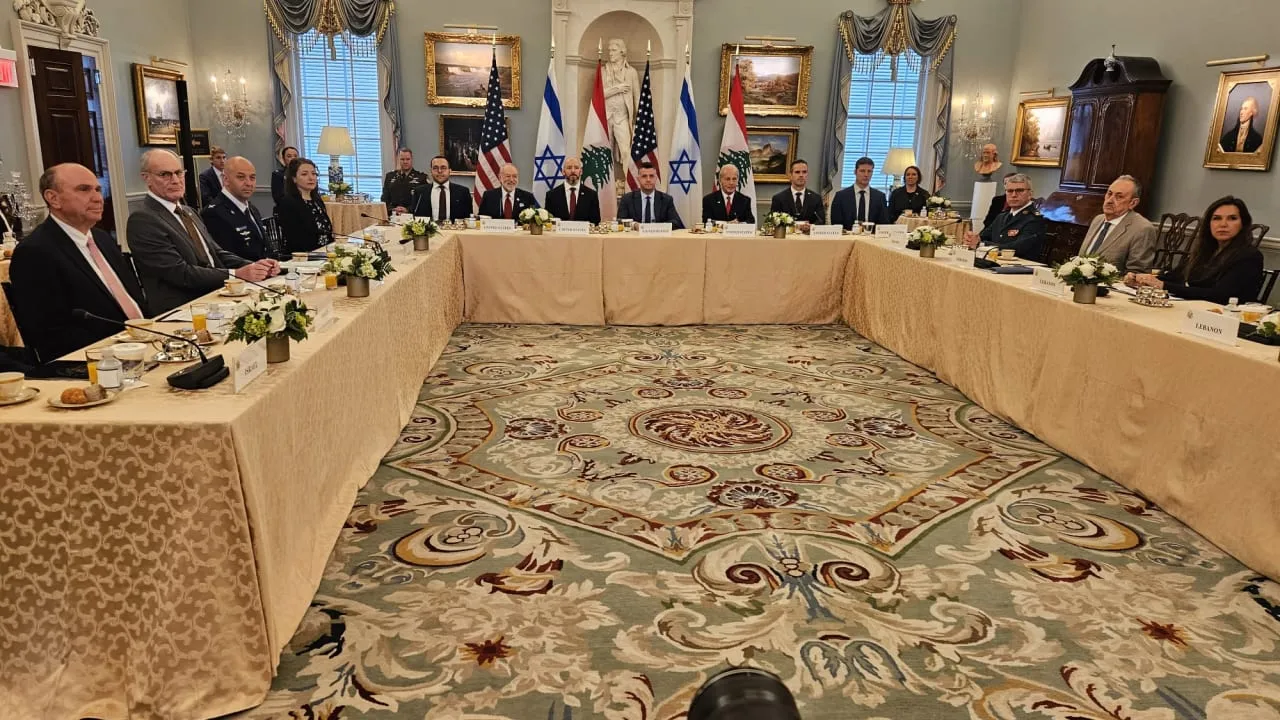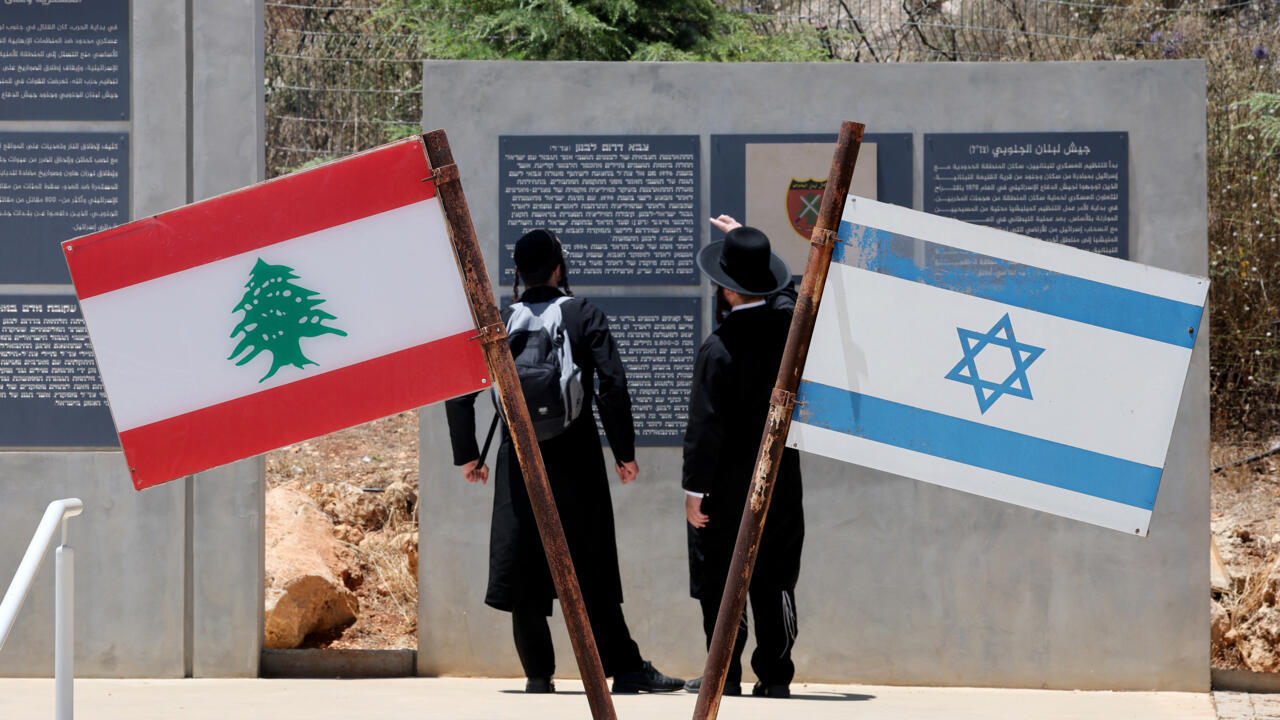
Lebanon and Israel began a new round of United States-sponsored direct talks in Rome on Tuesday, as Beirut seeks Israel's phased withdrawal from the country's south. But critics, including Hezbollah, say the talks amount to a "surrender" by Lebanon.
Issued on: 04/08/2026 - 22:06Modified: 04/08/2026 - 22:07
3 min Reading time
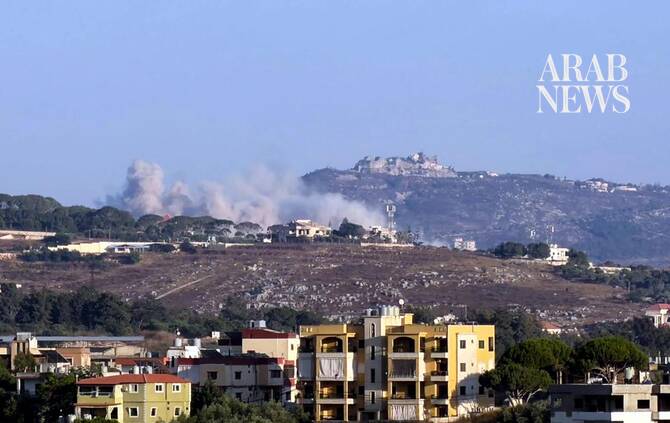
At negotiations in Washington in June, Israel and Lebanon agreed to a framework deal that involves the disarmament of Hezbollah, a gradual withdrawal of Israeli forces from Lebanon's south and the deployment of the Lebanese army to the region, starting in test areas known as "pilot zones". This week's negotiations, set to continue until Thursday, are the seventh round of US-sponsored talks since Hezbollah drew Lebanon into the Middle East war in March with rocket fire at Israel, in support of its backer Iran. Lebanon, Israel and US sign trilateral framework pact However, according to Lebanese activist Raina Masri: "These are not negotiations. Lebanon is gaining nothing, and losing everything." She told RFI: "[What is] critically important is that [Lebanese President] Joseph Aoun is not representing the government of Lebanon or the people or the interests of the country. "There has been no official support from parliament or from ministers for this surrender. Furthermore, his actions are unconstitutional, since our constitution is clear: Israel is an enemy to our state and our people.” According to Masri, Lebanon "is still fighting for its liberation and its sovereignty, as we have been trying to do since our inception in the 1940s". Hezbollah leader Naim Qassem said on Tuesday that the direct negotiations would bring "nothing but shame, humiliation, and successive compromises" for Lebanon. In a televised address, he also criticised Aoun, saying he "has not acted as an arbiter, nor as a unifying figure, but has become biased and divisive, which is incompatible with his role and with Lebanon's strength". Israel strikes south Lebanon despite truce announced with Hezbollah