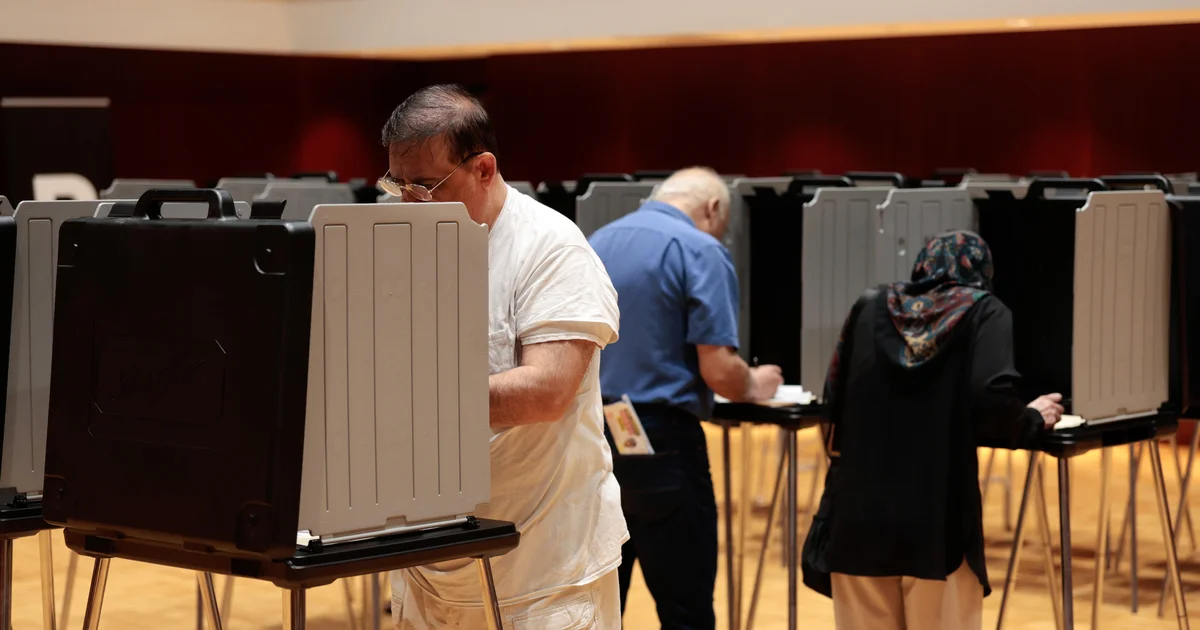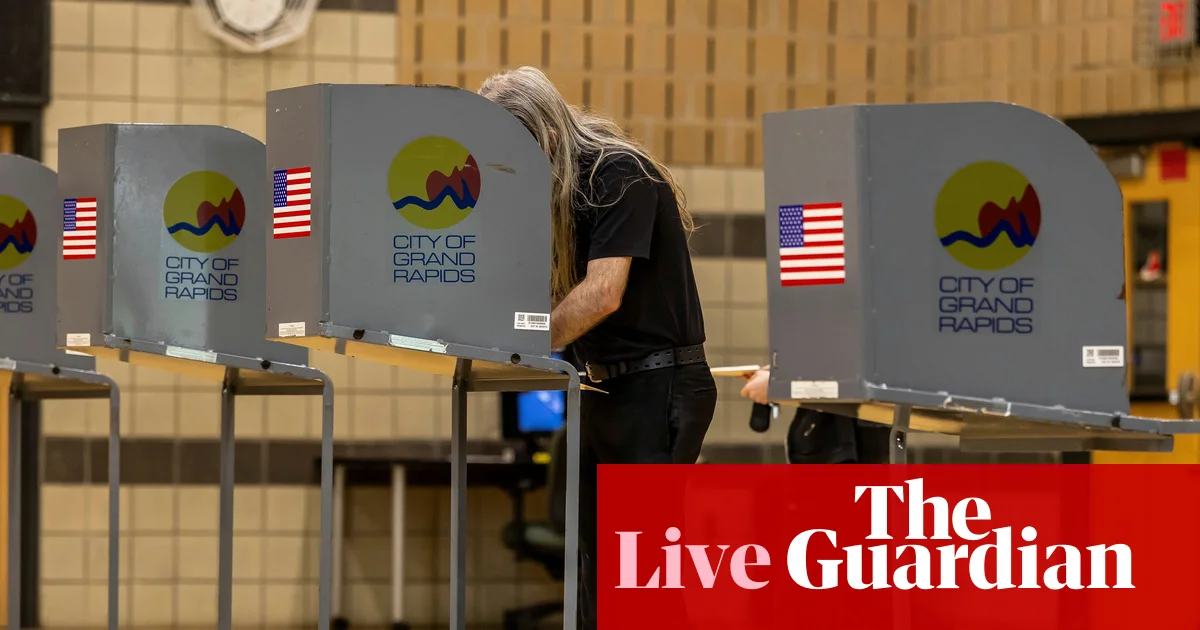
WHAT’S HAPPENING TODAY: Good afternoon and happy Tuesday, readers! Several states are holding primary elections, with races for seats in the House and Senate, including in Michigan, Kansas, Missouri, Virginia, and Washington. Are you headed to the ballot box today? Welcome to Daily on Energy, written by Washington Examiner energy and environment writers Callie Patteson (@CalliePatteson) and Maydeen Merino (@MaydeenMerino). Email cpatteson@washingtonexaminer dot com or mmerino@washingtonexaminer dot com for tips, suggestions, calendar items, and anything else. If a friend sent this to you and you’d like to sign up, click here. If signing up doesn’t work, shoot us an email, and we’ll add you to our list. The candidates vying for the Democratic nomination for Senate in Michigan today have two differing policy proposals with respect to data centers.
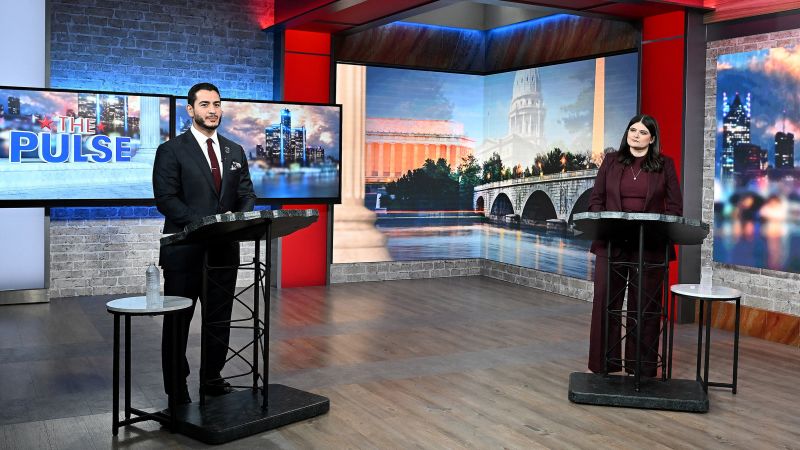
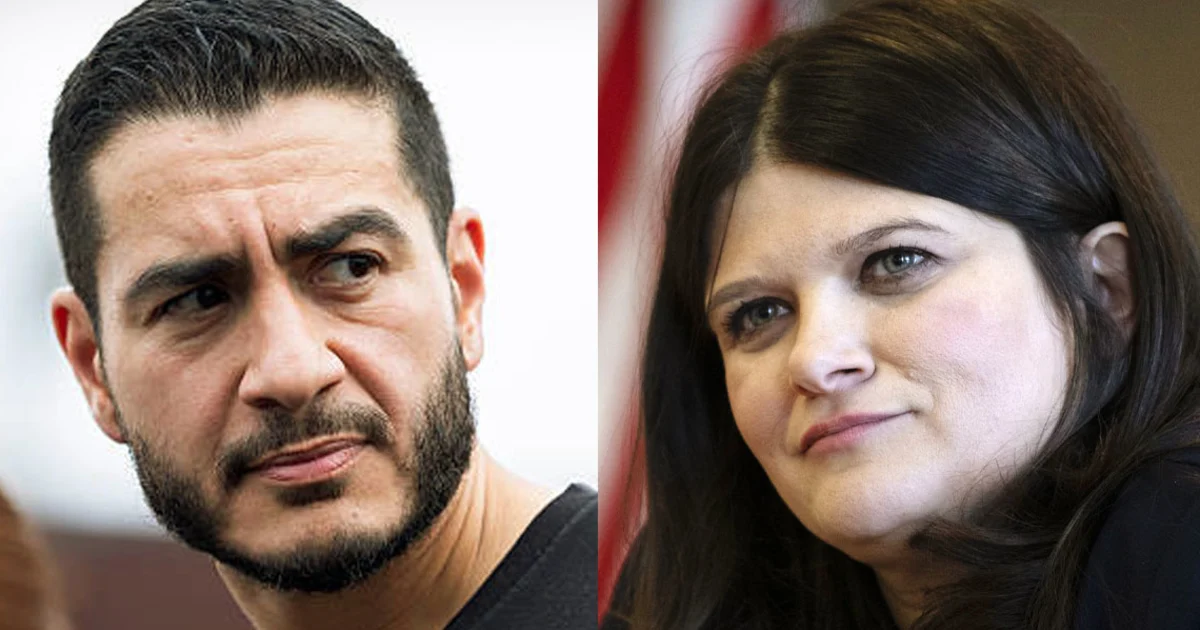
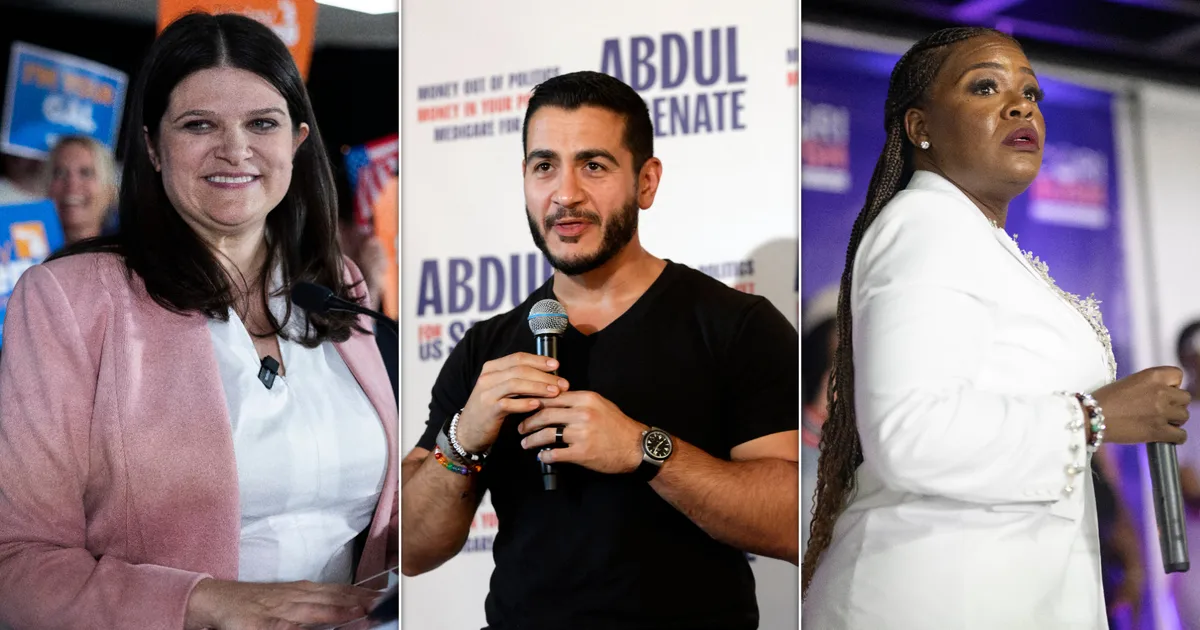
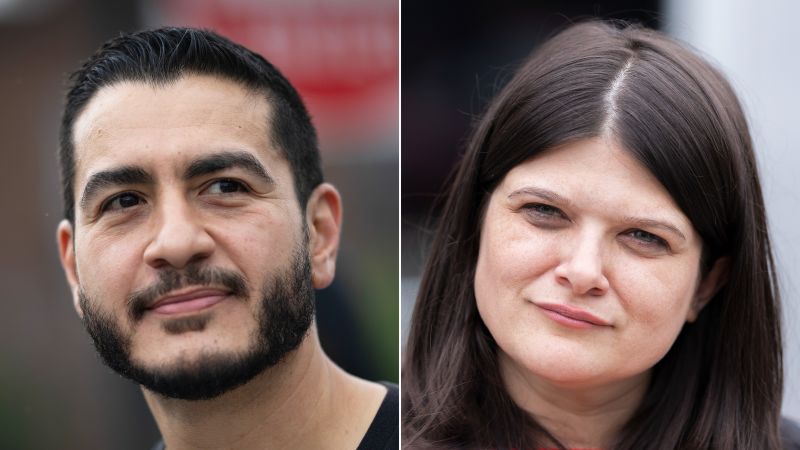
The two candidates: Dr. Abdul el Sayed and Michigan Rep. Haley Stevens are the two Democratic candidates, with the winner set to face former Rep. Mike Rogers. In general, el Sayed is considered the left-wing candidate, as well as the favorite. He supports Medicare for all and is more critical of Israel. Stevens, who was elected to the House in 2018, is seen as the more centrist choice, and is relatively more pro-Israel. Now, where do these candidates stand on data centers? Both el Sayed and Stevens have opposed data centers hiking up utility rates for households, but with different approaches. El Sayed is affiliated with the wing of the party that has been more straightforwardly opposed to the build-out of data centers. For instance, Sen. Bernie Sanders and Rep. Alexandria Ocasio-Cortez have endorsed el Sayed and campaigned with him. They are the authors of federal legislation that would place a moratorium on data center construction. Last week, el Sayed joined a protest of a data center under construction in Saline that has drawn significant backlash. He has stopped short, though, of calling for a ban on data centers and has instead proposed “Terms of Engagement.” The terms would require data centers to pay for their own energy, provide reliability guarantees, and more. As for Stevens: Stevens has been rhetorically softer on data centers. She dodged taking a stance on the Saline project, and has said that the construction of data centers is necessary to compete with China on AI. At the same time, though, she has said that any costs associated with the build-out of data centers should not be passed on to households. She has called for a “clear, responsible policy framework to ensure these technologies are developed safely and securely.” She told Michigan Public Radio that she would need to see any legislation relating to a ban. She also maintains that the federal government should be the one to hold data centers accountable for lowering rates. “It is up to federal lawmakers to secure the tax code so that these kajillionaire enterprises are paying their fair share. It is unacceptable that rates would go up as a result,” she said at a debate earlier this month. “I want to force these data centers to pay their utility bills and to pay water bills for folks.”A TEXAS MORATORIUM ON DATA CENTERS: