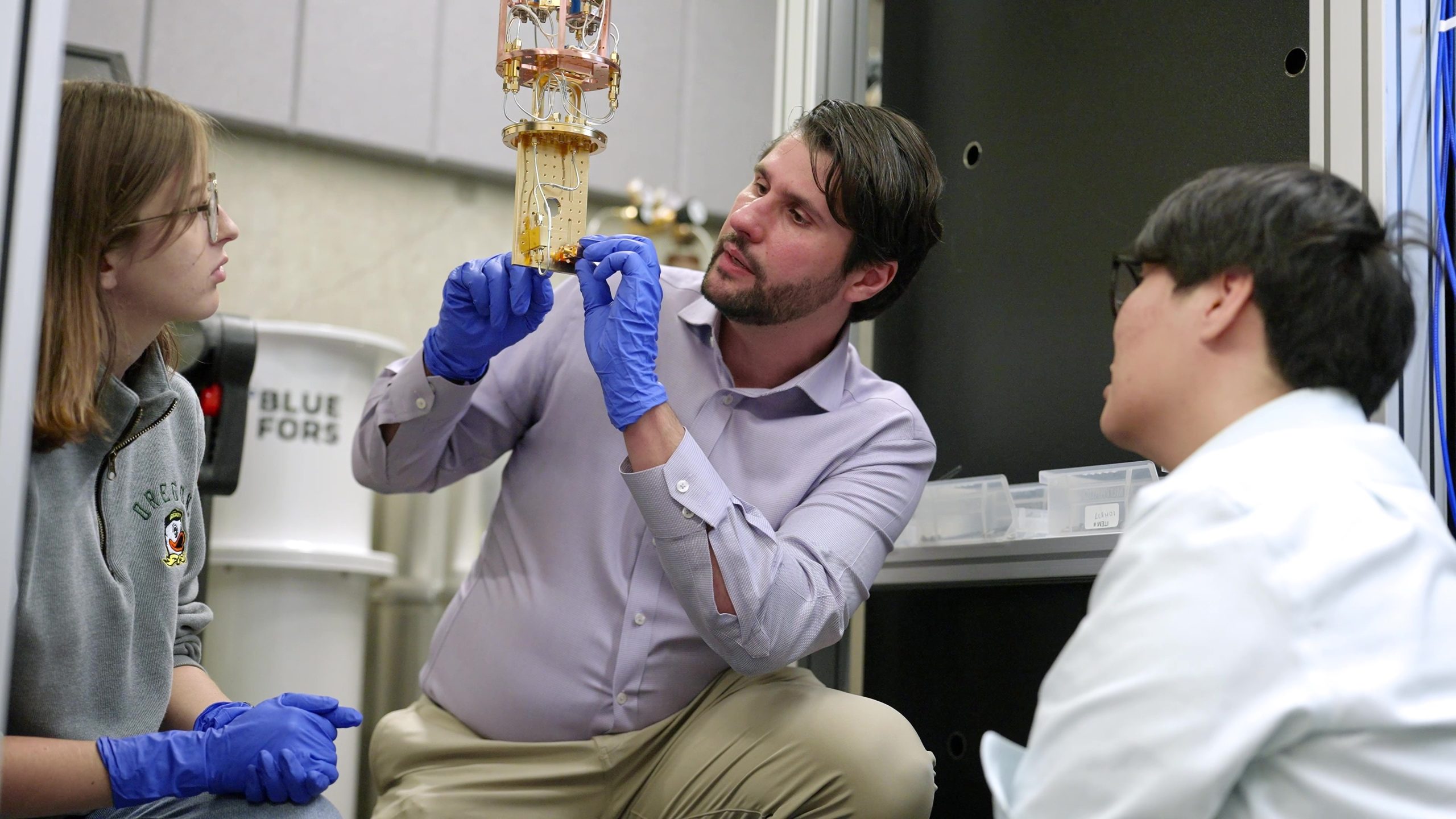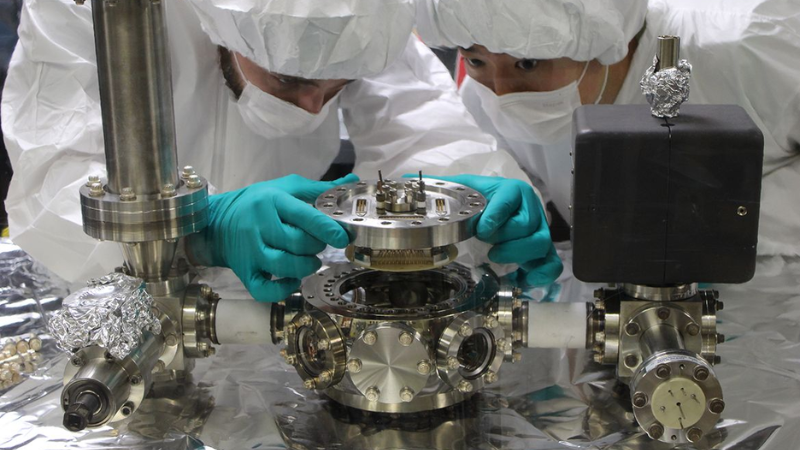
A UCLA-led team of physicists, engineers and computer scientists has been selected by the U.S. National Science Foundation for $4 million in funding through the NSF National Quantum Virtual Laboratory, or NQVL, a national initiative designed to accelerate the development of useful quantum technologies and make advanced quantum tools and testbeds available to researchers across the country.
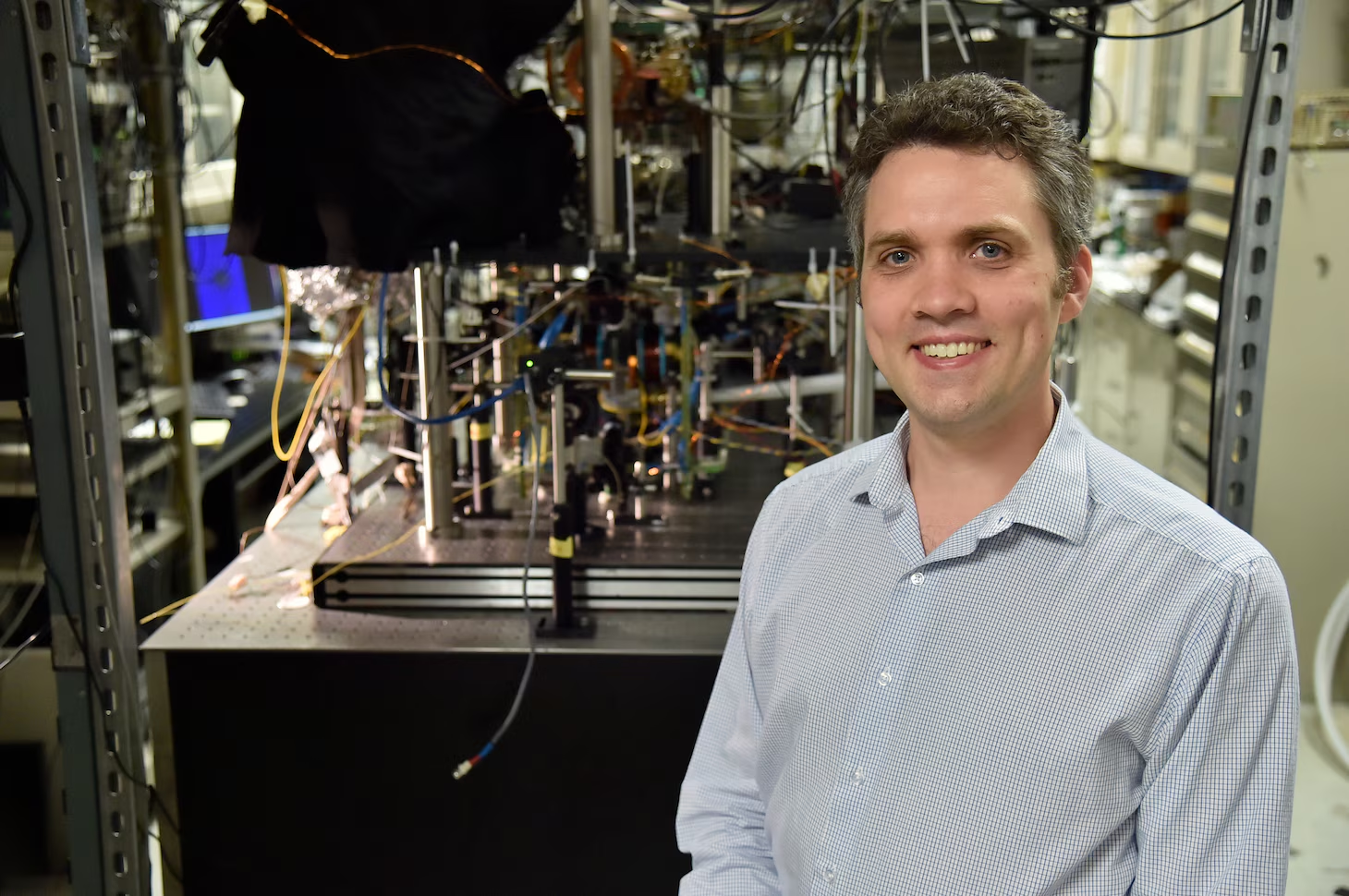
The project, FTL: Accelerating Fault-Tolerant Quantum Logic, brings together researchers across UCLA’s Division of Physical Sciences and the UCLA Samueli School of Engineering to develop the design for a fault-tolerant quantum computer based on trapped atomic ions. Led by UCLA physics professor Eric Hudson, the team aims to create a blueprint for a machine with 60 logical qubits — error-protected quantum bits — capable of performing digital quantum simulations beyond the reach of classical supercomputers.
Qubits are the basic units of quantum computing, analogous to bits in classical computing. But while classical bits can only operate in one of two positions at any given time (“on” or “off”), qubits take advantage of a quantum phenomenon known as “superposition” to operate in different positions simultaneously. But many factors can affect the position of a qubit, and a fundamental challenge of quantum computing is ensuring that qubits behave consistently and perform predictably, without errors. A logical qubit resolves this by encoding several qubits together in a cluster that makes errors easier to detect and contain without affecting the performance of other qubits.