Why Decouple Reasoning from Motor Control
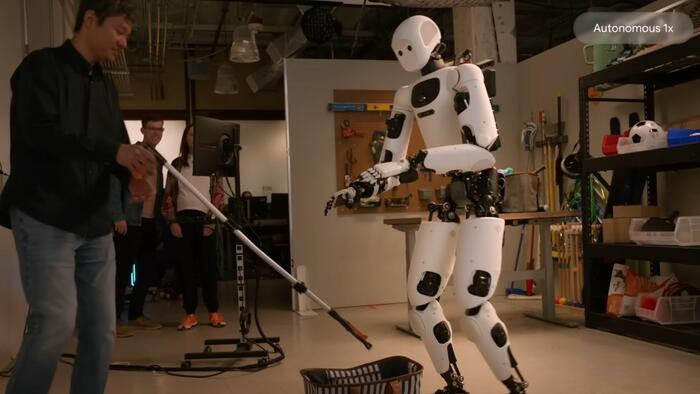
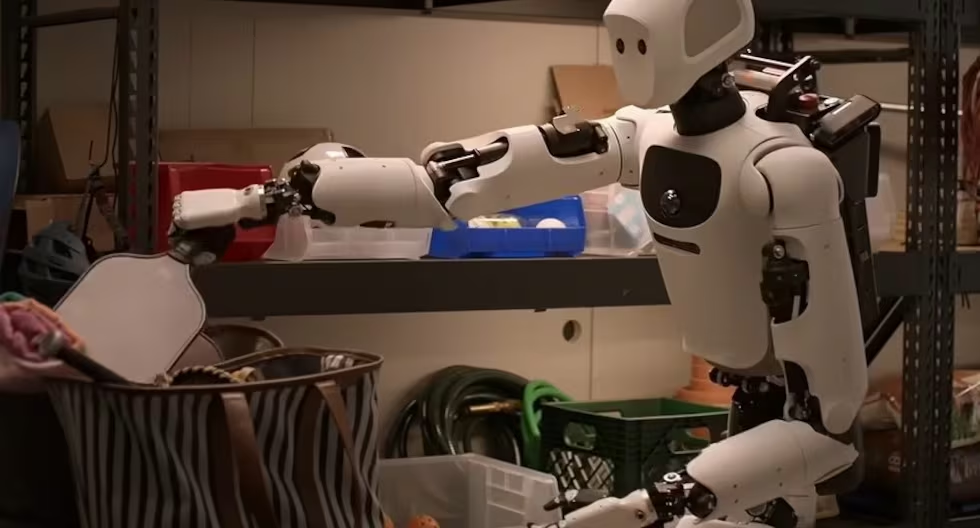
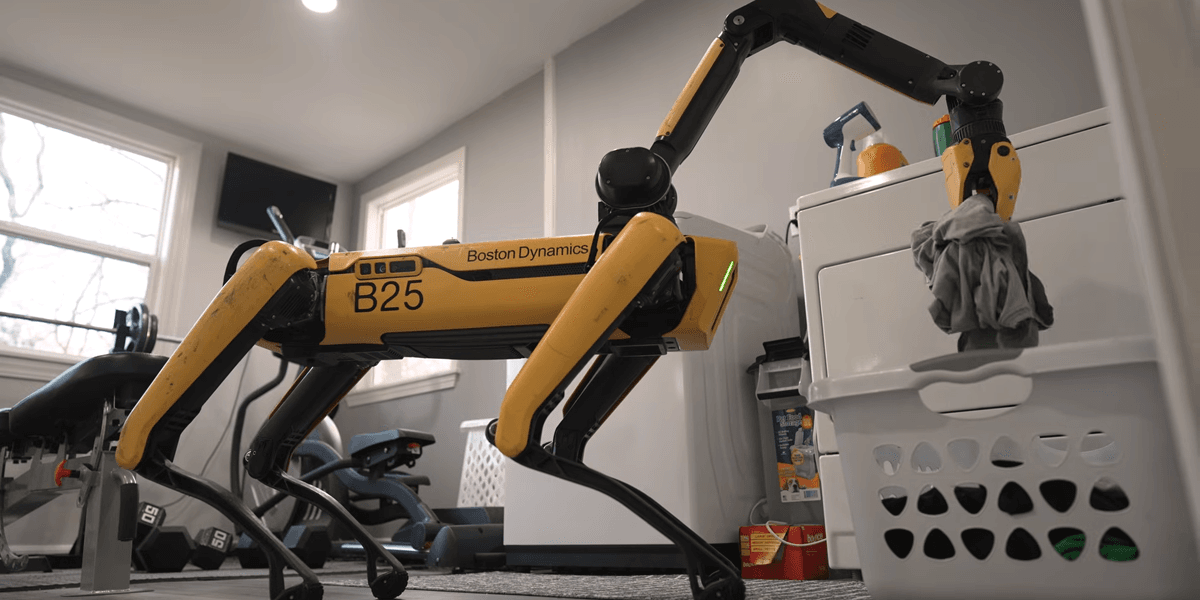
General-purpose robots have to pull off two very different jobs at once. They need to read a cluttered, full-room visual scene, hold a multi-minute plan in memory, and converse with a person — and, in the same instant, close a high-frequency control loop that keeps a balancing humanoid upright and moves a delicate hand without dropping whatever it holds. Cramming both jobs into a single end-to-end network forces uncomfortable trade-offs: the large context window you want for reasoning fights the low latency you need for torque control.
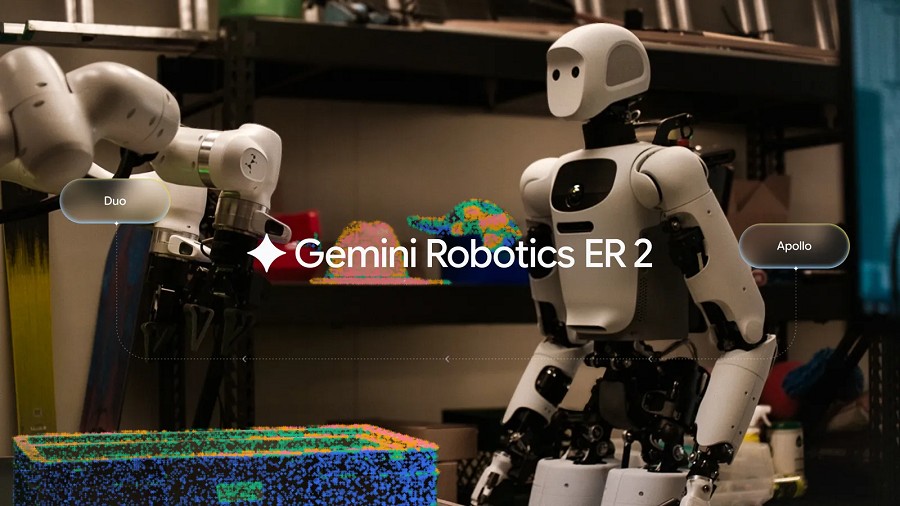
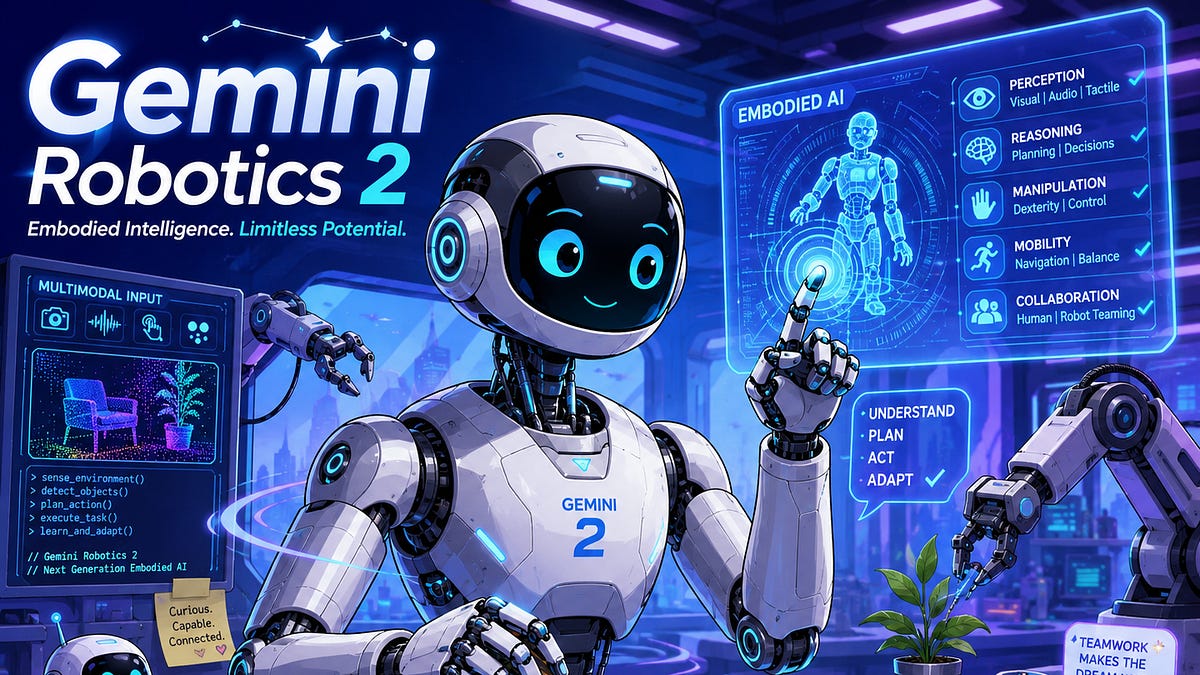
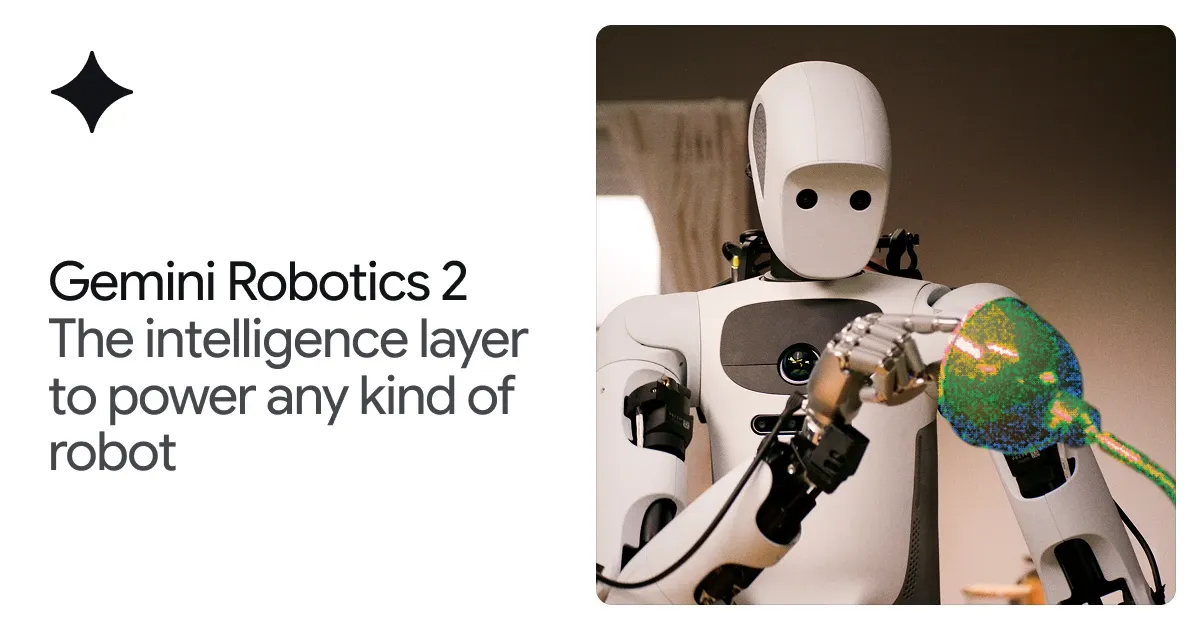
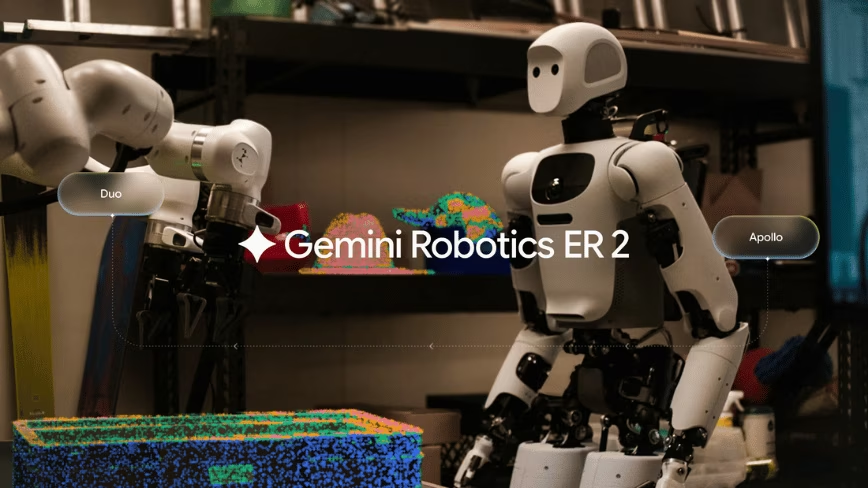
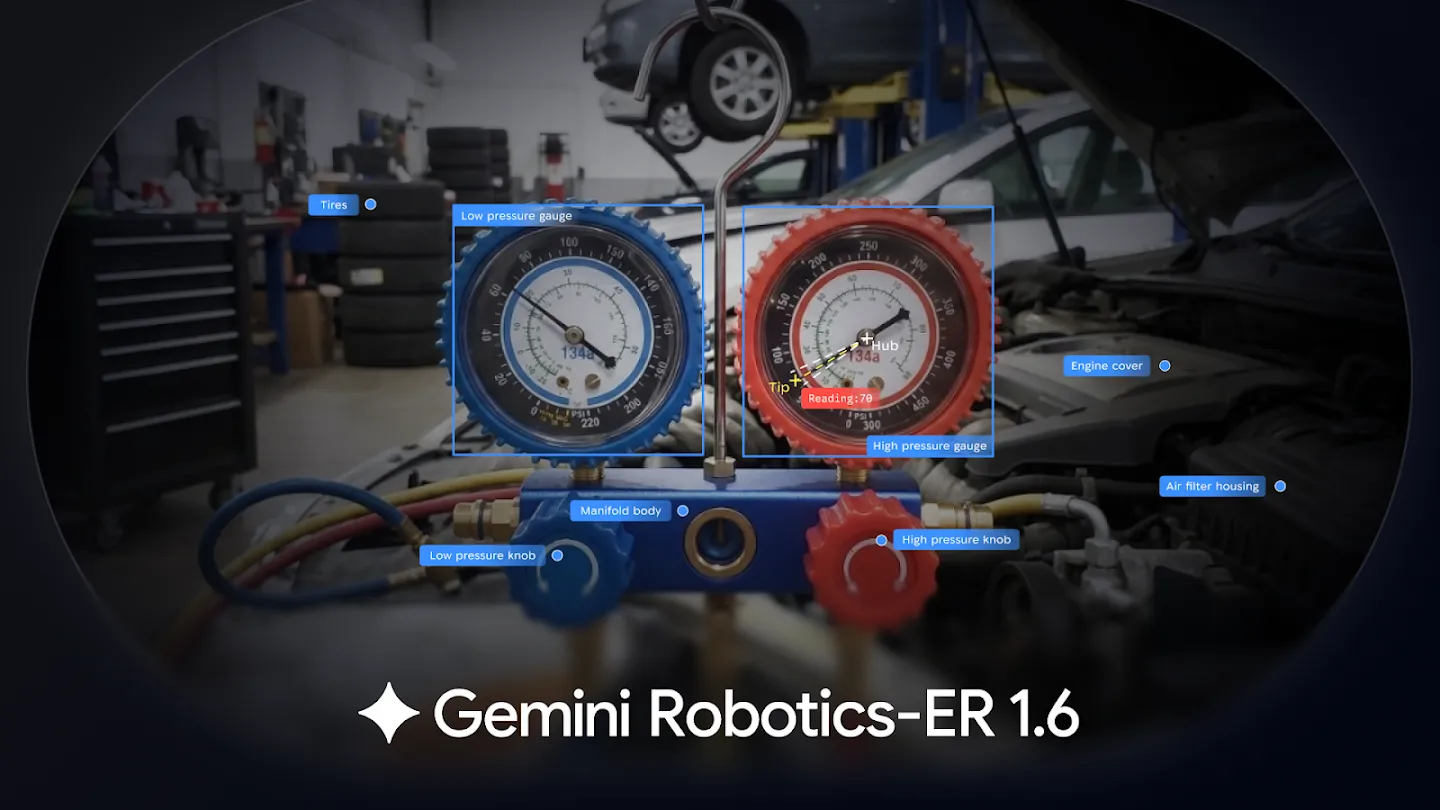
On July 28, 2026, Google DeepMind pushed directly against that trade-off with Gemini Robotics 2, followed on July 30 by Gemini Robotics ER 2. Rather than one monolithic network, the suite splits the problem across three specialized models — whole-body vision-language-action (VLA) control, high-level embodied reasoning, and on-device adaptation — each tuned to a different cadence and context size. The same modular thinking is visible across recent robotics and VLA research collected on the arXiv robotics listings and on Hugging Face Papers, where decomposed perception-planning-control stacks have become a recurring pattern. Understanding DeepMind's specific split clarifies why this architecture is gaining traction.