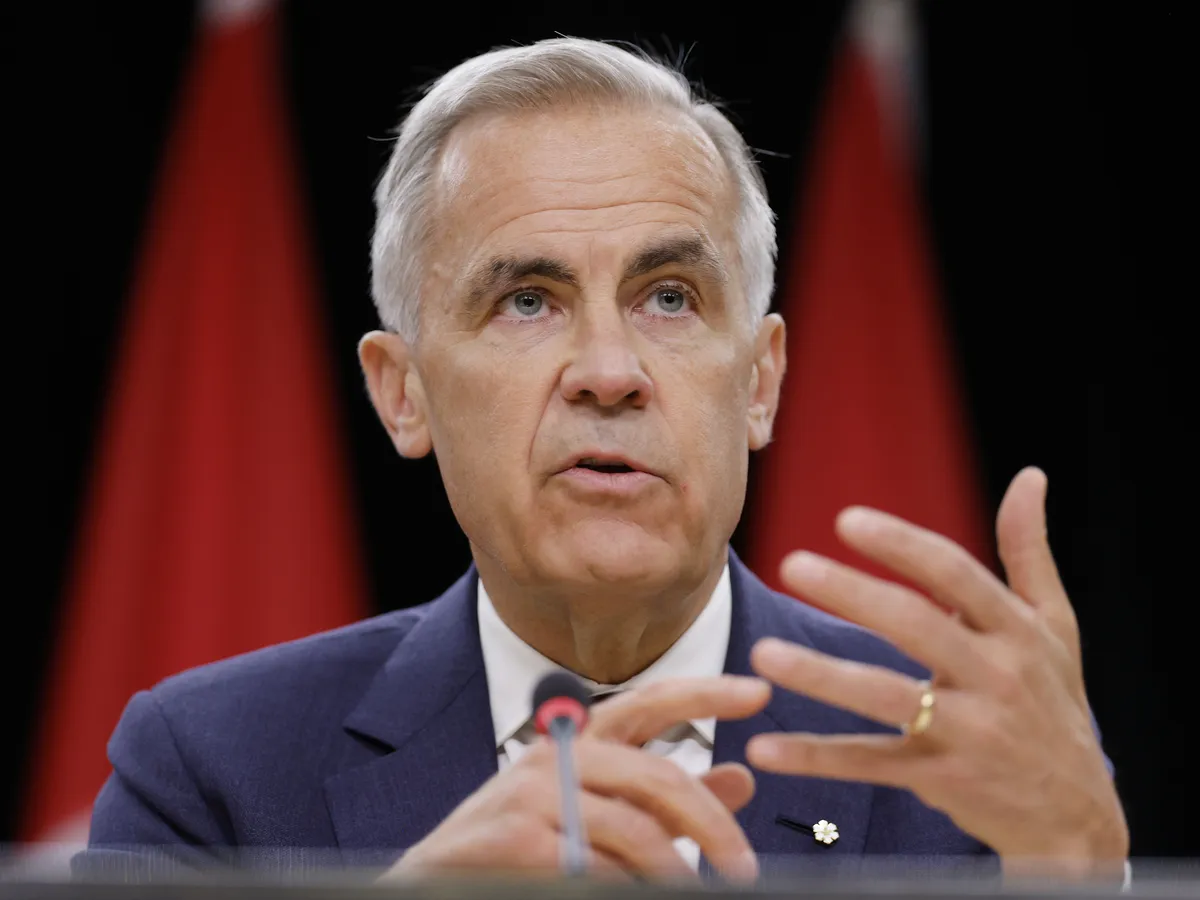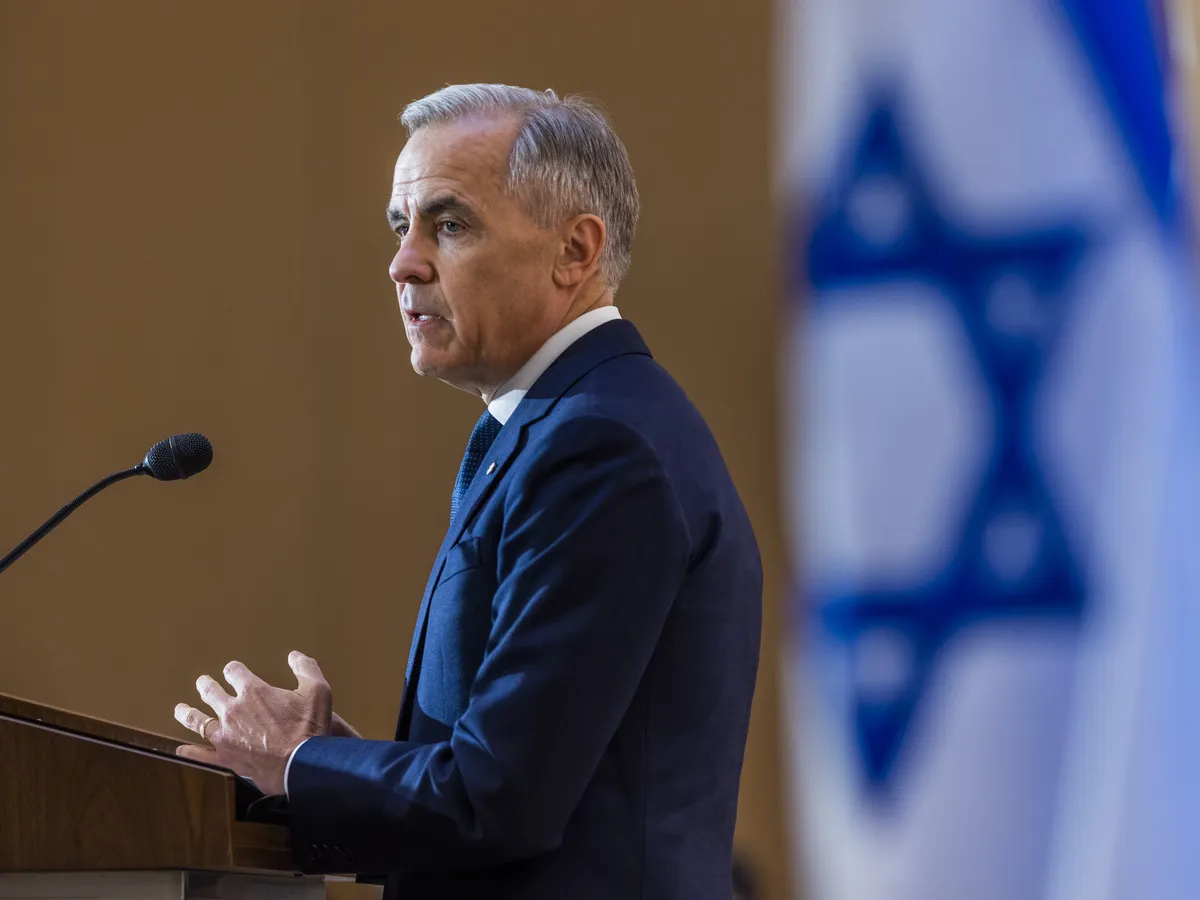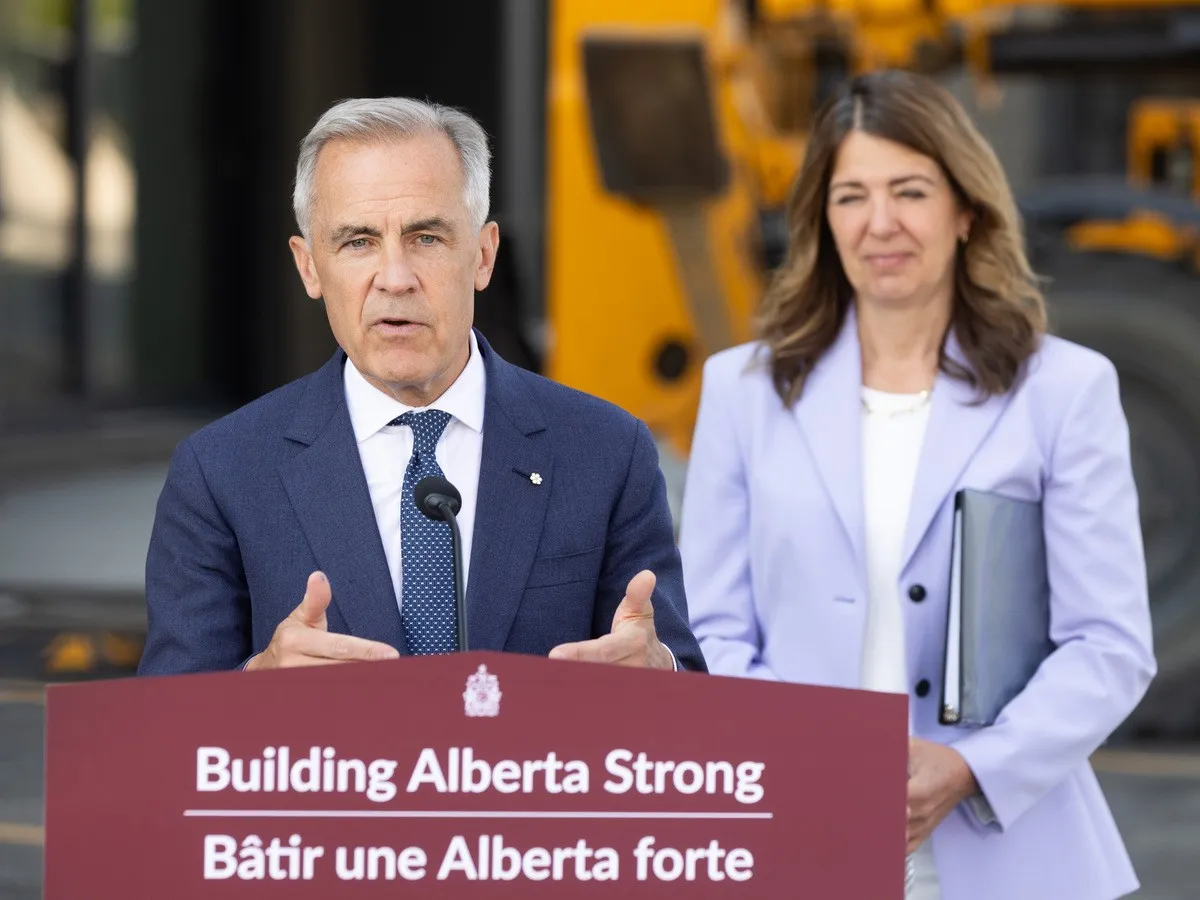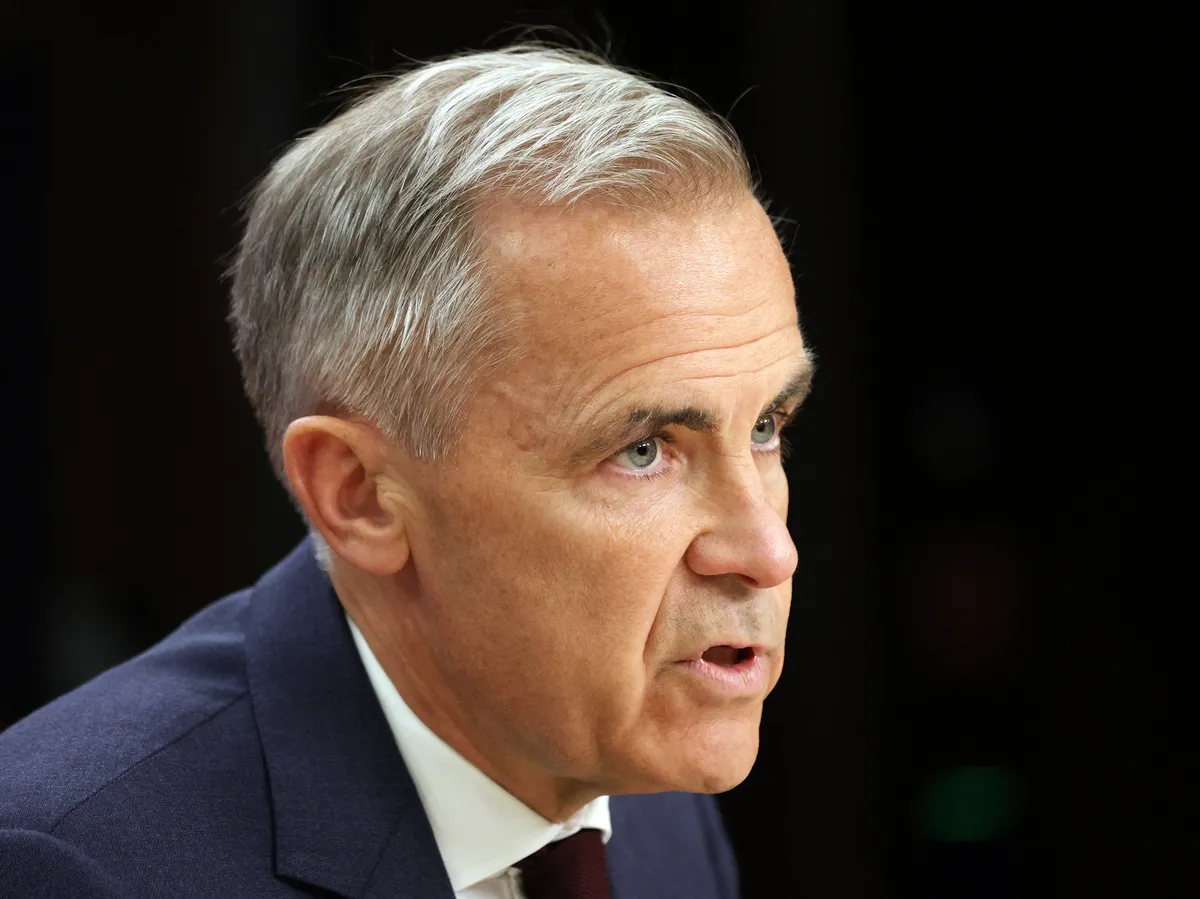
Skip to Content News Archives Economy Energy Oil & Gas Renewables Electric Vehicles Mining Commodities Agriculture Real Estate Mortgages Mortgage Rates Finance Banking Insurance Fintech Cryptocurrency Work Wealth Smart Money Wealth Management Investor Personal Finance Family Finance Retirement Taxes High Net Worth FP Comment Executive Women Puzzmo Newsletters Financial Times Business Essentials More Innovation Information Technology FP500 Podcasts Small Business Lives Told Tails Told Shopping Financial Post Store Obituaries Place a Notice Advertising Advertising With Us Advertising Solutions Postmedia Ad Manager Sponsorship Requests Classifieds Place a Classifieds ad Working Profile Settings My Subscriptions Saved Articles My Offers Newsletters Customer Service FAQ News Economy Energy Mining Real Estate Finance Work Wealth Investor FP Comment Executive Women Puzzmo Newsletters Financial Times Business Essentials HomeEconomyWorkCanadian employers urge Carney to stop some strikes before they beginThe government has been tight-lipped about the changes it intends to make following a review of the labour codeAuthor of the article:Last updated 4 minutes ago You can save this article by registering for free here. Or sign-in if you have an account.Mark Carney, as part of his larger effort to boost Canada’s economic productivity, announced consultations this spring on a package of regulatory reforms, including on the labour code. Photo by Dave Chan/AFP via Getty ImagesEmployers are urging Prime Minister Mark Carney’s government to allow the labour minister to preemptively limit strike action in sectors such as airlines, railroads and ports if the minister believes it threatens the national public interest — a move unions fiercely oppose.Subscribe now to read the latest news in your city and across Canada.Exclusive articles from Barbara Shecter, Joe O'Connor, Gabriel Friedman, and others.Daily content from Financial Times, the world's leading global business publication.Unlimited online access to read articles from Financial Post, National Post and 15 news sites across Canada with one account.National Post ePaper, an electronic replica of the print edition to view on any device, share and comment on.Daily puzzles, including the New York Times Crossword.Subscribe now to read the latest news in your city and across Canada.Exclusive articles from Barbara Shecter, Joe O'Connor, Gabriel Friedman and others.Daily content from Financial Times, the world's leading global business publication.Unlimited online access to read articles from Financial Post, National Post and 15 news sites across Canada with one account.National Post ePaper, an electronic replica of the print edition to view on any device, share and comment on.Daily puzzles, including the New York Times Crossword.Create an account or sign in to continue with your reading experience.Access articles from across Canada with one account.Share your thoughts and join the conversation in the comments.Enjoy additional articles per month.Get email updates from your favourite authors.Create an account or sign in to continue with your reading experience.Access articles from across Canada with one accountShare your thoughts and join the conversation in the commentsEnjoy additional articles per monthGet email updates from your favourite authorsSign In or Create an AccountorCarney’s government is preparing reforms to the federal labour code with the aim of preventing work stoppages in the country’s critical transportation networks. But the changes could prove contentious as unions fight to protect the bargaining power of their employees.The country has just experienced another high-profile transportation work stoppage after flight attendants at WestJet Airlines walked off the job on Sunday, cancelling hundreds of flights. Operations resumed after a tentative deal was reached the next day.FP Work touches on HR strategy, labour economics, office culture, technology and more.By signing up you consent to receive the above newsletter from Postmedia Network Inc.A welcome email is on its way. If you don't see it, please check your junk folder.The next issue of Work will soon be in your inbox.We encountered an issue signing you up. Please try againIt’s the second consecutive summer with a labour disruption at a major Canadian airline, with Air Canada flight attendants having gone on strike in August 2025. The government attempted to order them back to work, but the union refused, arguing it was unconstitutional. The two sides reached a deal soon afterward, but it left a lingering uncertainty over the government’s legal power to end strikes.That followed another dramatic labour fight in 2024, when the government intervened to cut short a simultaneous strike at both of Canada’s major railroads that would have had a drastic effect on the country’s economy.Carney, as part of his larger effort to boost Canada’s economic productivity, announced consultations this spring on a package of regulatory reforms, including on the labour code. His government initially planned to introduce legislation in June, but delayed that timetable to allow for more feedback over the summer. Rail workers strike at the Canadian National Railway headquarters in Montreal, in 2024.Jobs Minister Patty Hajdu is now holding another round of consultations focused on the section of the labour code that allows the government to end a work stoppage by sending both parties to binding arbitration.Derrick Hynes, head of the Federally Regulated Employers — Transportation and Communications, said employers are concerned about the “disturbing pattern” of work stoppages over the past few years, and the government needs “proactive tools” to avoid the shutdowns before they occur.“The prime minister is speaking of greater economic development and job promotion, increased east-west trade, less reliance on the U.S., increased investment where capital is mobile,” Hynes told Bloomberg in an interview. “All of these things are impeded if we continue to have labour instability in some of these key critical supply chain industries.”He said there should be a “national public interest test” for situations where the effect of a work stoppage would be far-reaching on the economy. In such cases, the labour minister should have the power to refer a dispute to binding arbitration preemptively, Hynes said. This would avoid scenarios where “the strikes have already started, impacts have already been felt, and making up for the impacts just takes a lot of time.”But Unifor President Lana Payne, whose union represents 70,000 federally regulated employees, argued the industry is trying to take advantage of trade tensions with the United States to chip away at workers’ rights.“It’s seen by employers as an opportunity to use that instability to further their agenda to erode workers’ rights, and that’s what they’re trying to do right now,” Payne said in an interview. Transportation Minister Steven MacKinnon, speaking to Bloomberg in June about the governments planned reforms.“It’s opportunistic of the employers to be pushing for sure to have these rights erode at a time when we’re trying to do everything we can to hang on to the industrial economy of Canada.”The government has been tight-lipped about the changes it intends to make following the review. Transport Minister Steven MacKinnon, who previously served as labour minister, told Bloomberg in June that labour fights at transportation hubs “tend to induce a lot of anxiety, and tend to have a very broad effect on our economy and on our international reputation.”“So we want to help unions and employers get settlements more quickly, more predictably,” he said.One proposal that might garner some consensus between employers and unions is the idea of appointing a special mediator to help the two parties get to an agreement.Hynes said such a mediator should have some powers to get parties to negotiate and could deliver a report to the minister with recommended next steps. Payne said her union wouldn’t oppose a special mediator, but said it would depend on their scope.“Does it mean you’re giving the special mediator powers that override the rights of workers? Then you’re probably going to have some pushback on that,” she said. Join the Conversation This website uses cookies to personalize your content (including ads), and allows us to analyze our traffic. Read more about cookies here. By continuing to use our site, you agree to our Terms of Use and Privacy Policy.
Canadian employers urge Carney to stop some strikes before they begin
Employers are urging Mark Carney’s government to allow the labour minister to preemptively limit strike action in some sectors. Read here
1,291 words~6 min read