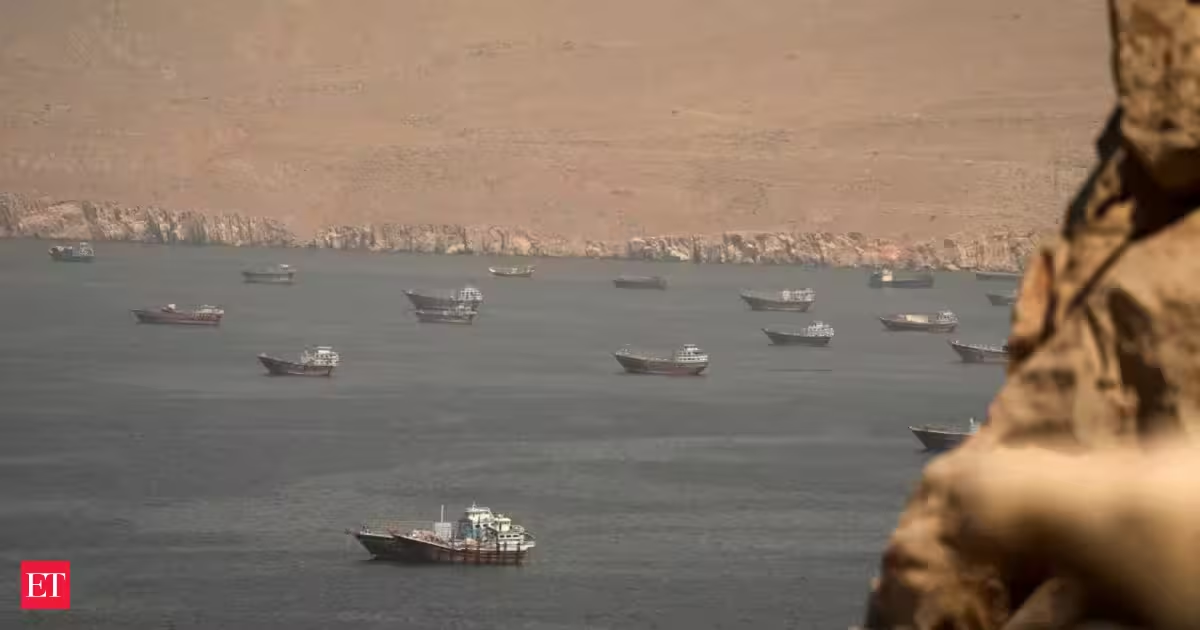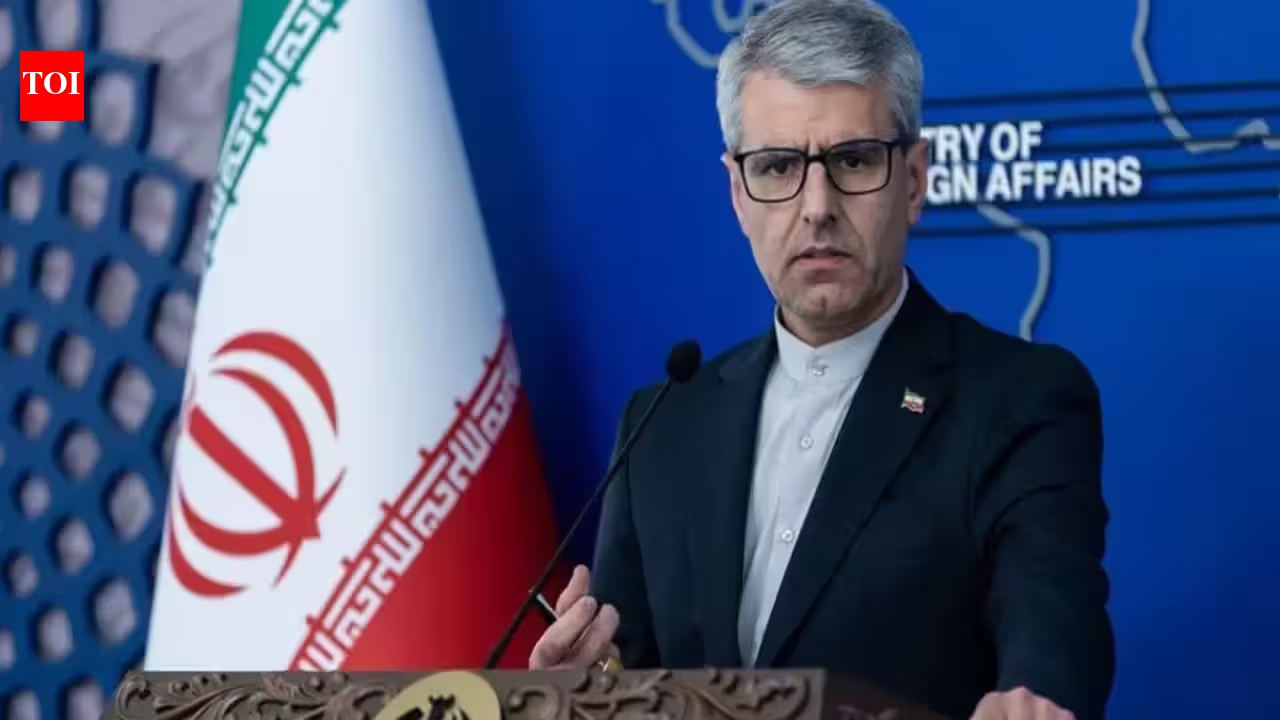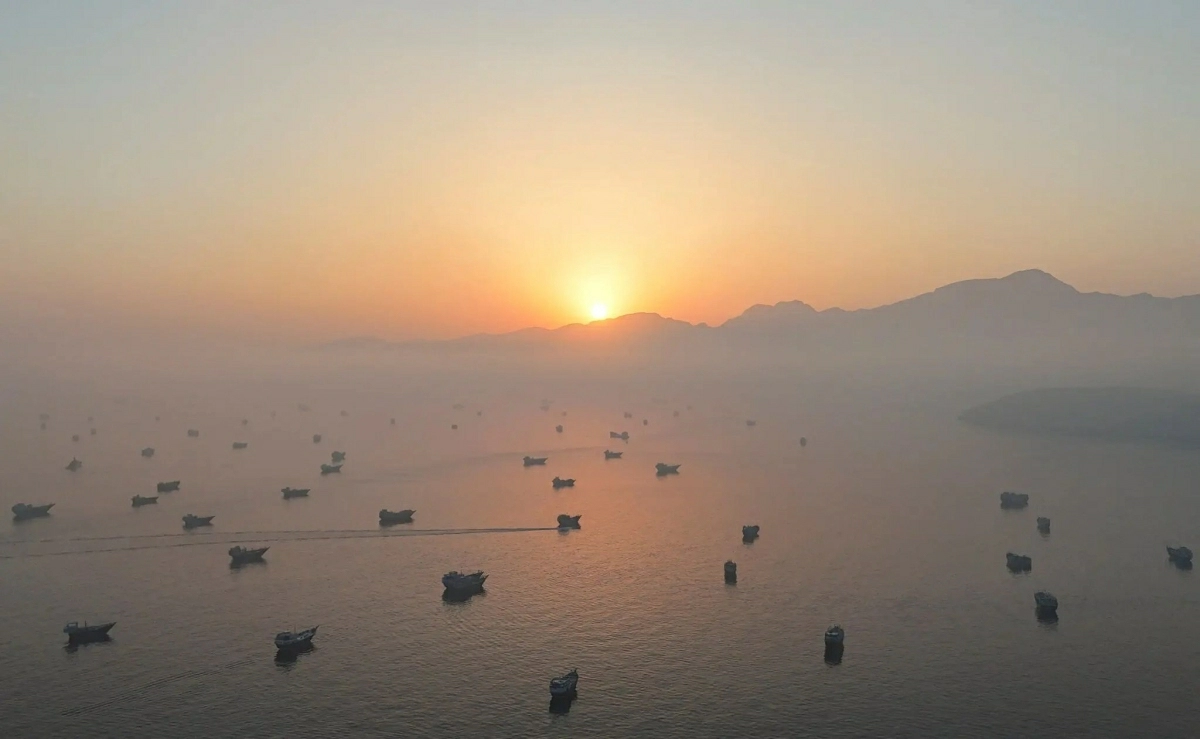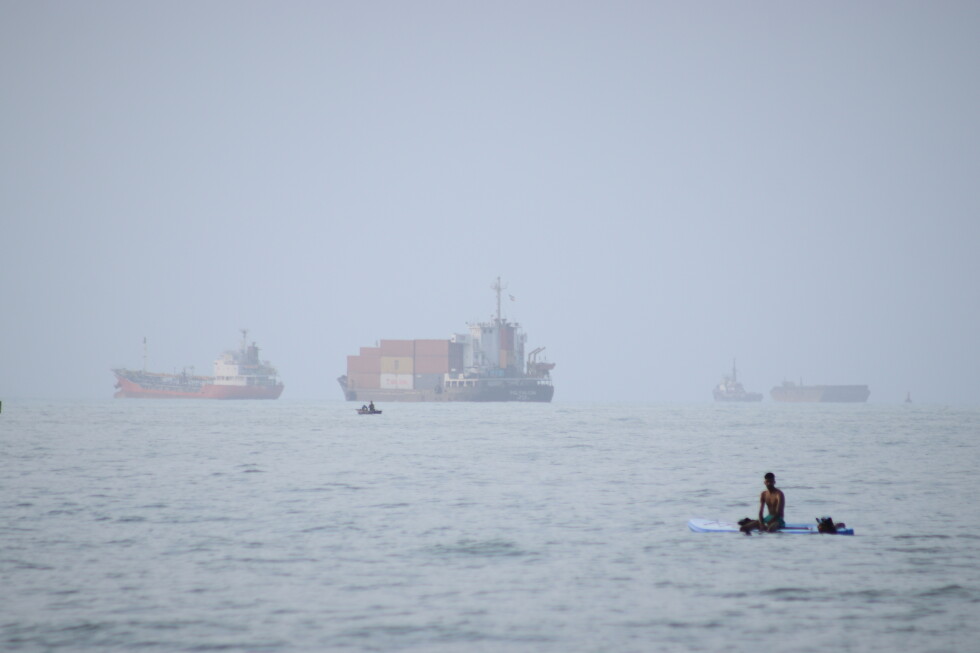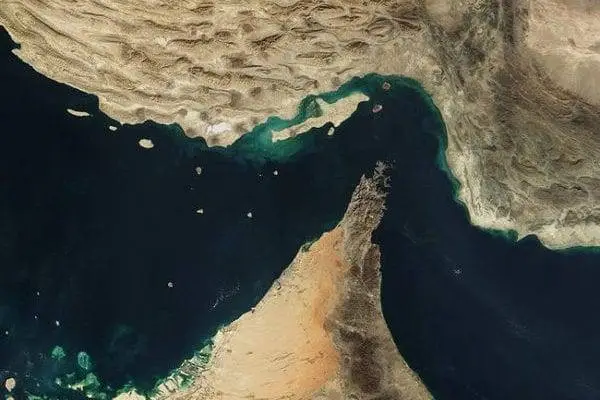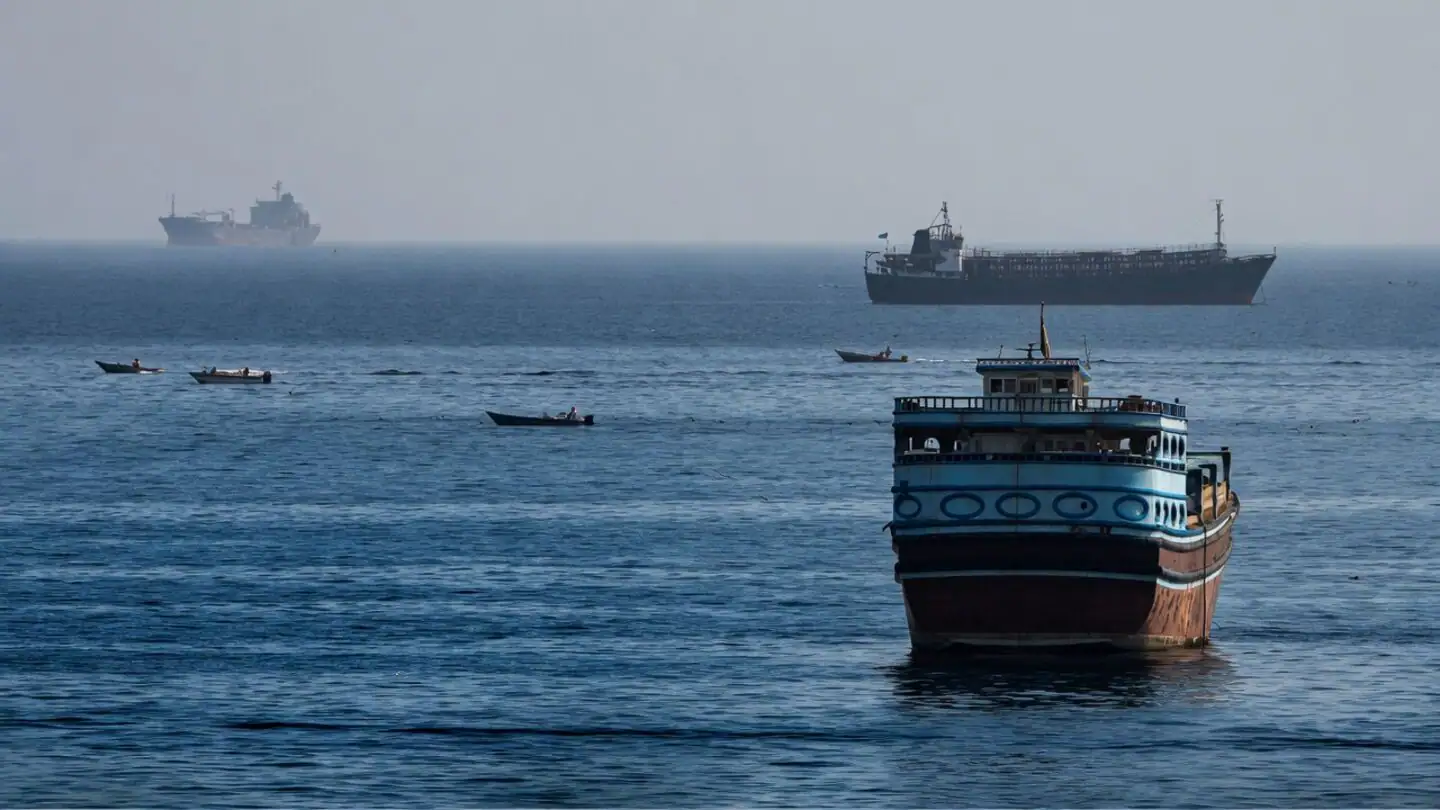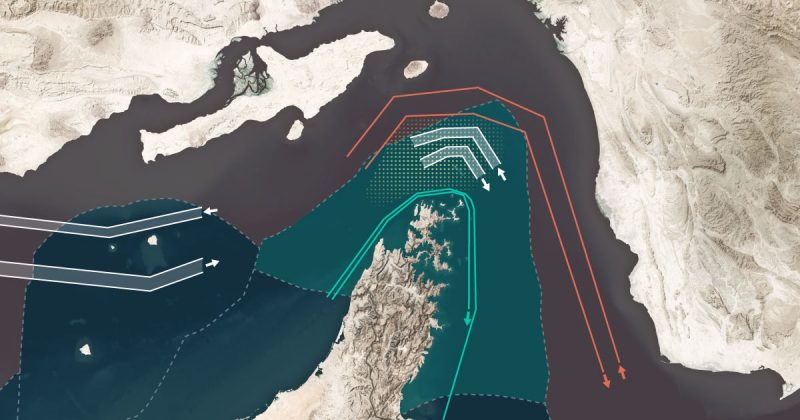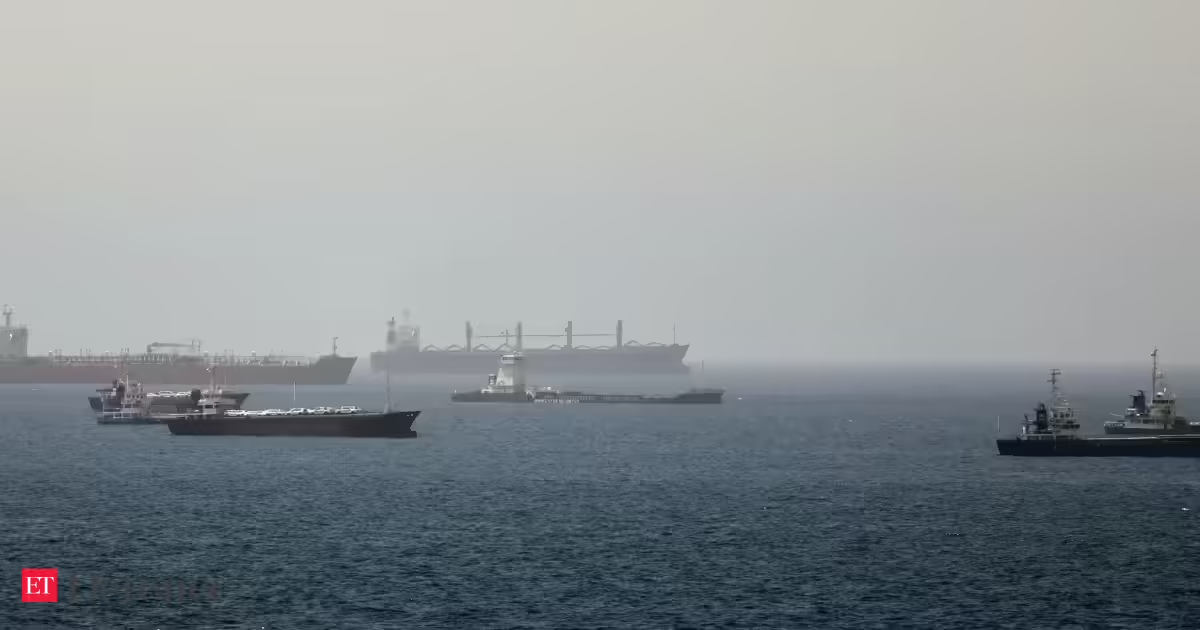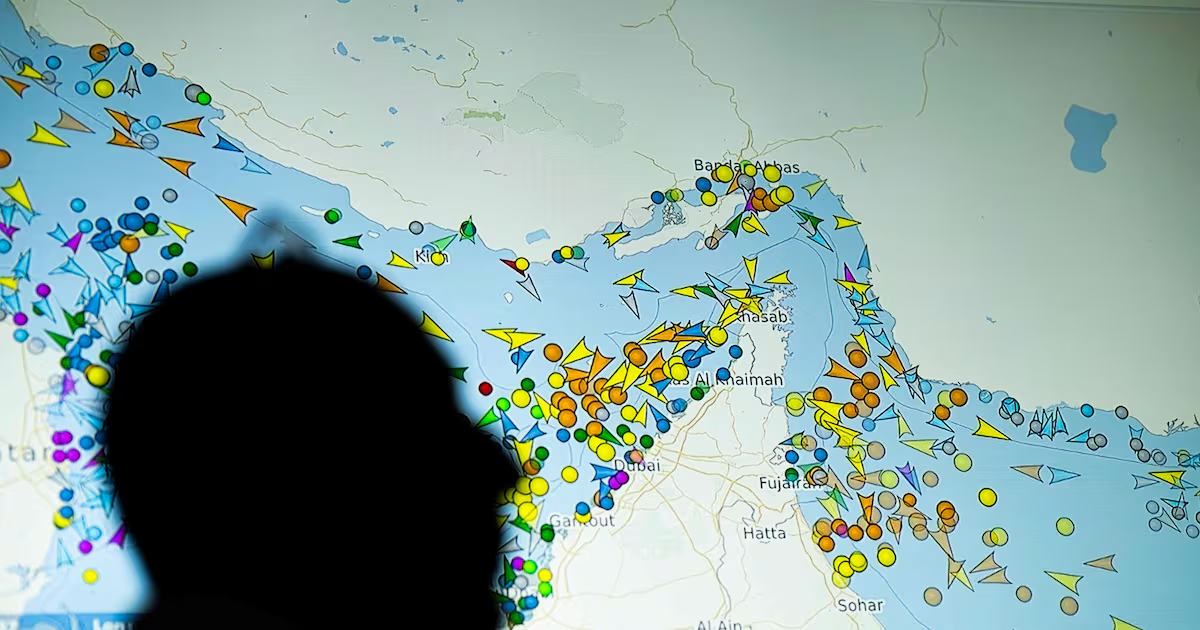
Ships could sail a new “middle corridor” through the Strait of Hormuz under a deal to reopen the sea lane, Iran has claimed.The new route could replace two existing lanes – a northern corridor over which Iran asserts control, and a southern passage through Omani waters. Oman did not confirm any talks, but the Iranian proposal came as senior US officials offered hope of a deal to open the strait. Oil prices fell below $80 on Tuesday amid signs of a diplomatic push. The nature of the negotiations was uncertain. US Secretary of State Marco Rubio said there had been “progress made” in discussions with Iran and Oman. There was "not finality yet” but “we're hoping that will happen very shortly”, Mr Rubio said. Treasury Secretary Scott Bessent told CNBC a deal could come in the next two days to “open the strait and move towards a more normalised position in this conflict”.Iran insists it is only speaking to Oman, the country on the other side of the strait. The sea lane is crucial for the global oil trade. On Tuesday a Liberia-flagged ship, the Minoan Pioneer, was hit by a projectile close to Oman’s coast, causing a fire. There was no immediate claim of responsibility. Traffic through the strait has been very limited since hostilities resumed last month, with fewer than 10 vessels making the crossing on some days. But Qatar's Foreign Ministry spokesman Majed Al Ansari said efforts were continuing to seek a diplomatic resolution. Mediators including Qatar, Pakistan and Oman are co-ordinating closely to enable negotiations and exchange drafts between the US and Iran, he added.Oil prices were down by more than 5 per cent on Tuesday. The benchmark Brent crude fell as low as $79.47 a barrel. The last time it was below $80 was in the second week of July, before hostilities resumed.Shipping traffic in the Arabian Gulf has been heavily curtailed since February. AFPShow caption: Shipping traffic in the Arabian Gulf has been heavily curtai…Iranian state television said the goal of negotiations was to “agree a new corridor”. Quoting a source, it said the middle corridor could “provide safe traffic through the strait and, once operational, would shut down both the southern and northern routes”. “These negotiations are between two coastal governments and have nothing to do with others, including the United States,” it said. There was no immediate comment from Oman, which has been at the forefront of a Gulf push to reopen the strait. Muscat has worked with the UN's International Maritime Organisation to make the southern route through the strait a “temporary maritime corridor” during the war.Iran regards that route as “illegal and unsafe” and has claimed attacks on ships for attempting to sail along it. Shipping in the strait has been heavily curtailed since the US and Israel began their campaign against Iran in February, resulting in higher energy prices worldwide. There are issues to be addressed beyond the sea routes. Iran has repeatedly raised the prospect of charging tolls on shipping, a proposal rejected by Gulf states and the US.A leaked Omani proposal that emerged last week called for voluntary fees to help fund the cost of navigation and services including search and rescue. There are similar arrangements for the Strait of Malacca, a trade route in South-East Asia.Meanwhile, Iranian President Masoud Pezeshkian denied reports that he had been seeking to resign, saying the claims were aimed at “creating discord” among Tehran's political and military leadership. His remarks come after reports said that he had threatened to quit 28 times.
Strait of Hormuz's 'middle corridor': Iran claims new route is focus of talks | The National
Oil price drops as US officials raise hopes of a shipping deal
591 words~3 min read