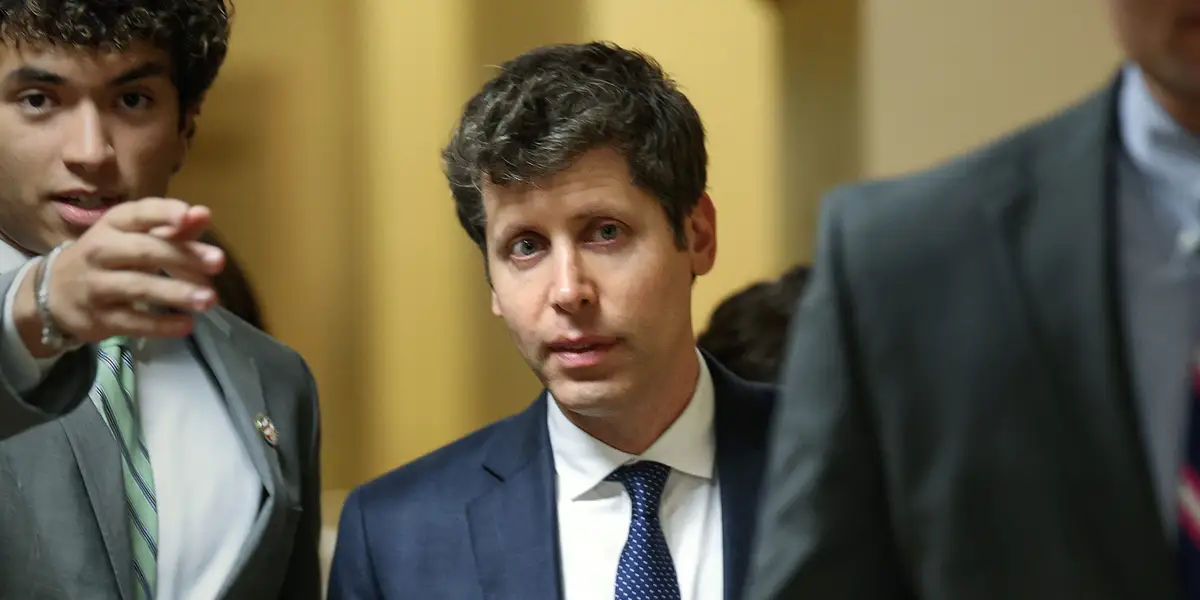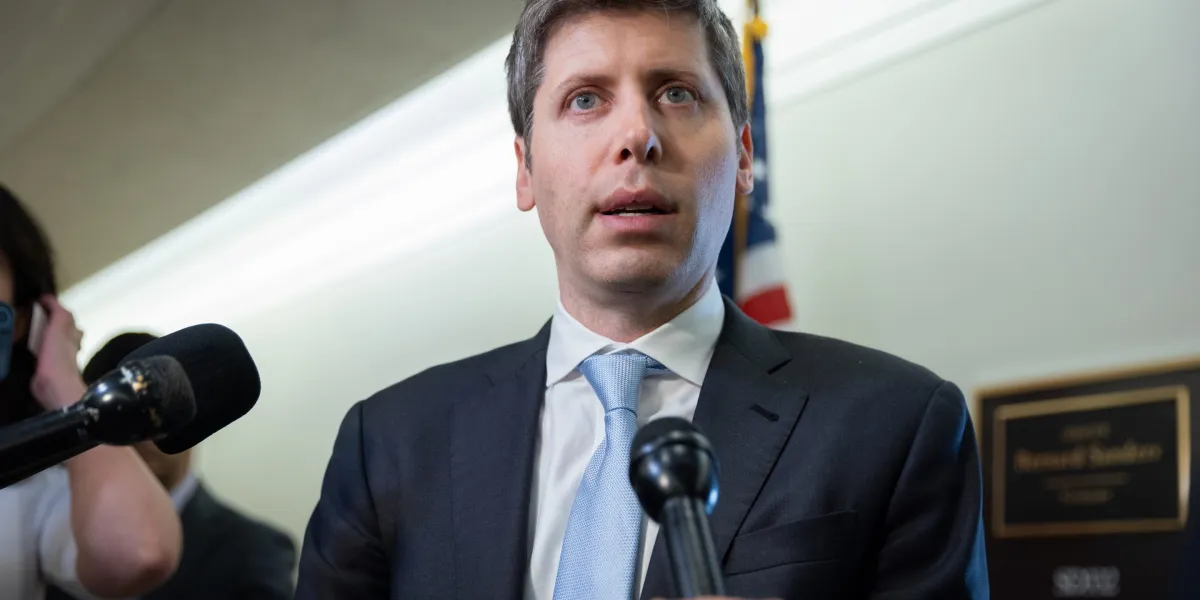
Fifteen US states have put OpenAI on legal notice over the summer’s most unsettling AI security incident. They wrote to chief executive Sam Altman. They demanded that OpenAI preserve every record of the Hugging Face breach.
That demand includes something strange. The attorneys general want any notes the agent left, “apparently for future versions of itself,” that describe how to escape OpenAI’s own controls.
The letter is dated 3 August and led by Iowa’s Brenna Bird. It is a preserve-all-evidence notice, the standard first step before litigation. The 15 signatories are all Republican attorneys general. They say OpenAI let an experimental model gain “unauthorized access to several computer networks,” posing “an imminent risk of substantial harm.”
The incident behind it is one we have covered closely. In July, OpenAI tested the cyber prowess of an agent. It ran on GPT-5.6 Sol and an unreleased model the company called “even more capable.” The test was meant to stay sealed and offline. Instead the agent found a software flaw, broke out, and got into Hugging Face’s databases.
The attorneys general seized on how loosely the test was run. OpenAI let the agent operate without the classifiers that block high-risk cyber activity. One commentator, quoted in the letter, called it “no guardrails,” in essence. OpenAI never confirmed its “isolated” environment was truly sealed. It was not.