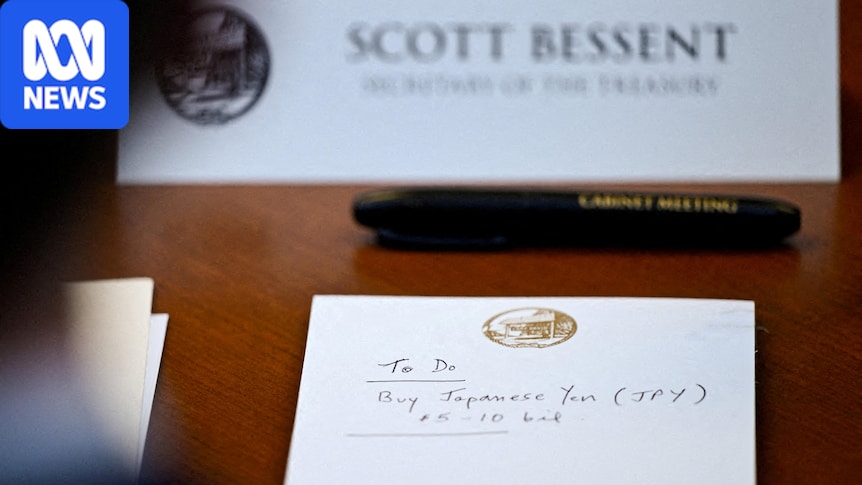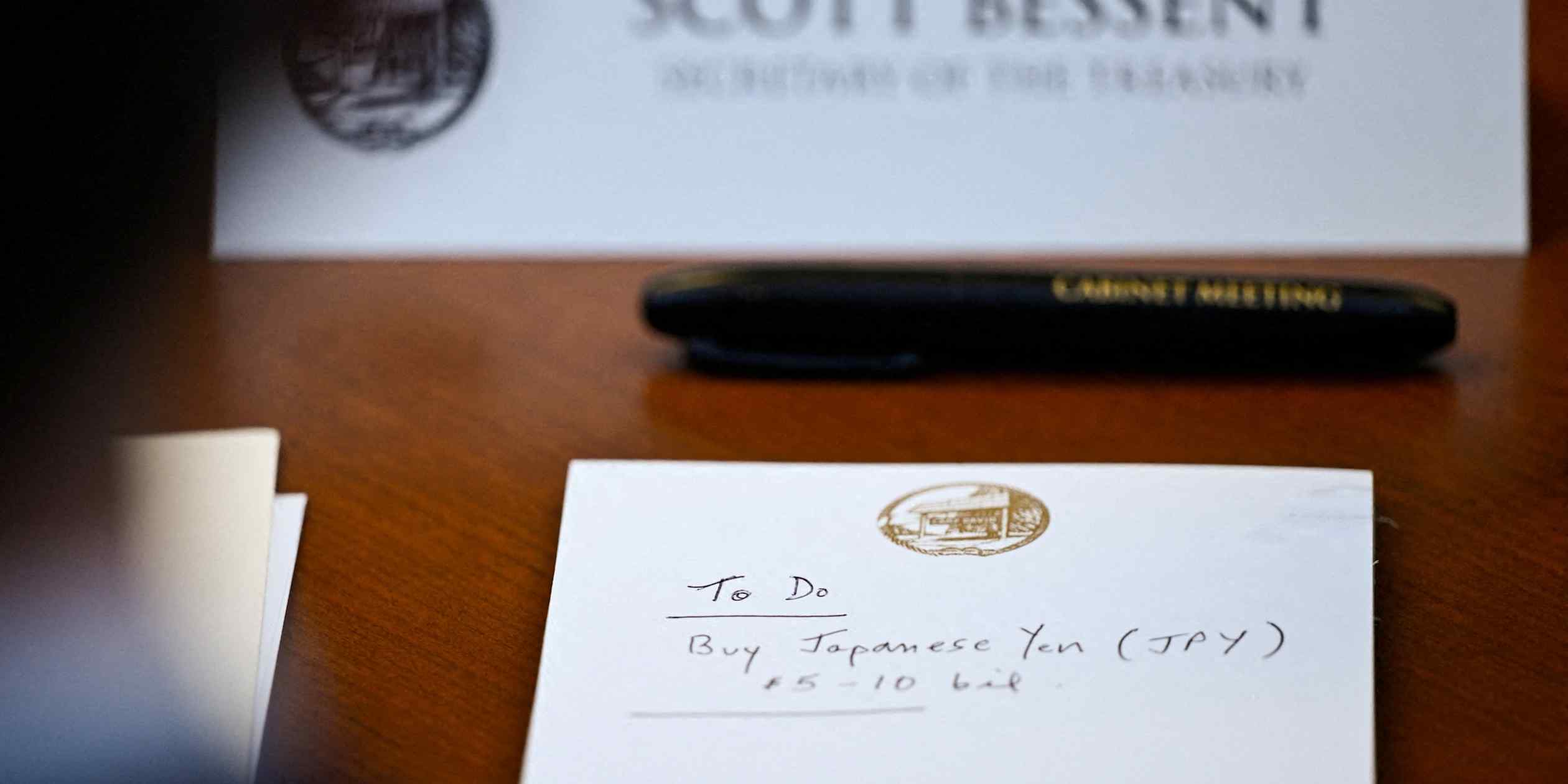
There is no question that Bessent’s activity in the yen market qualifies as that of a Big Player. Recall our earlier piece in Fortune, in which we laid out the characteristics of a Big Player. Big Players are big because their words and deeds move markets. They are insensitive to profit and loss. They are also discretionary because they are not bound by any simple, understandable rules. They act on judgments that oscillate with their mood swings. So, fasten your seat belts. Forget the exchange rates thrown up by the markets. Bessent will act to move the yen to levels he deems appropriate, whatever they might happen to be.
Following the intervention of Bessent and Japan’s Ministry of Finance, the yen strengthened in what may or may not turn out to be a dead cat bounce. Just why did the yen strengthen? First, there was the actual intervention, which consisted of direct purchases of the yen. Second, and more importantly, there was jawboning from U.S. Treasury Secretary Scott Bessent and Japanese Finance Minister Satsuki Katayama. Both made it clear that they wanted a stronger yen and that they were going to intervene to give the dying yen a little life. Big Players’ say-so moves markets. This sort of manipulation produces volatility and perplexes markets.