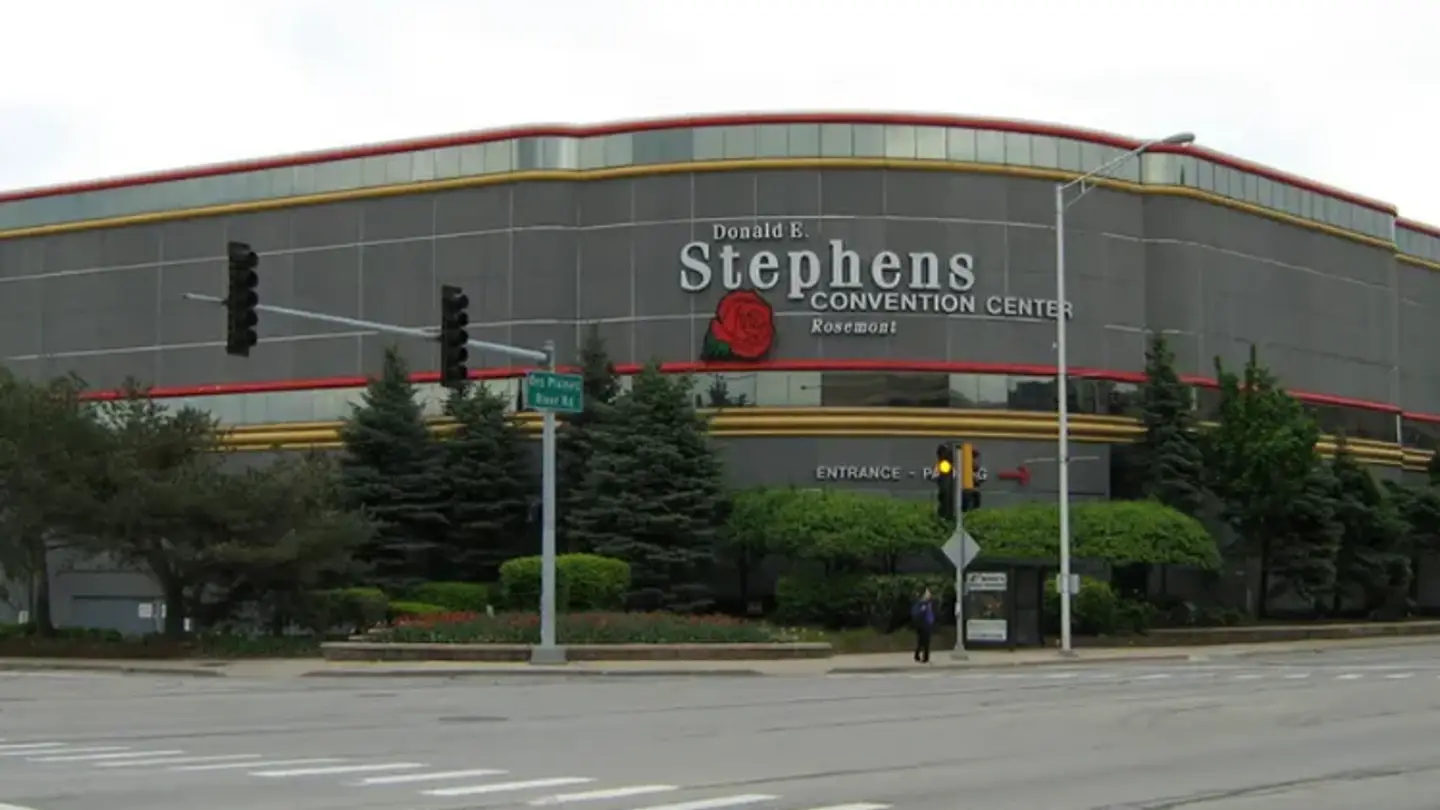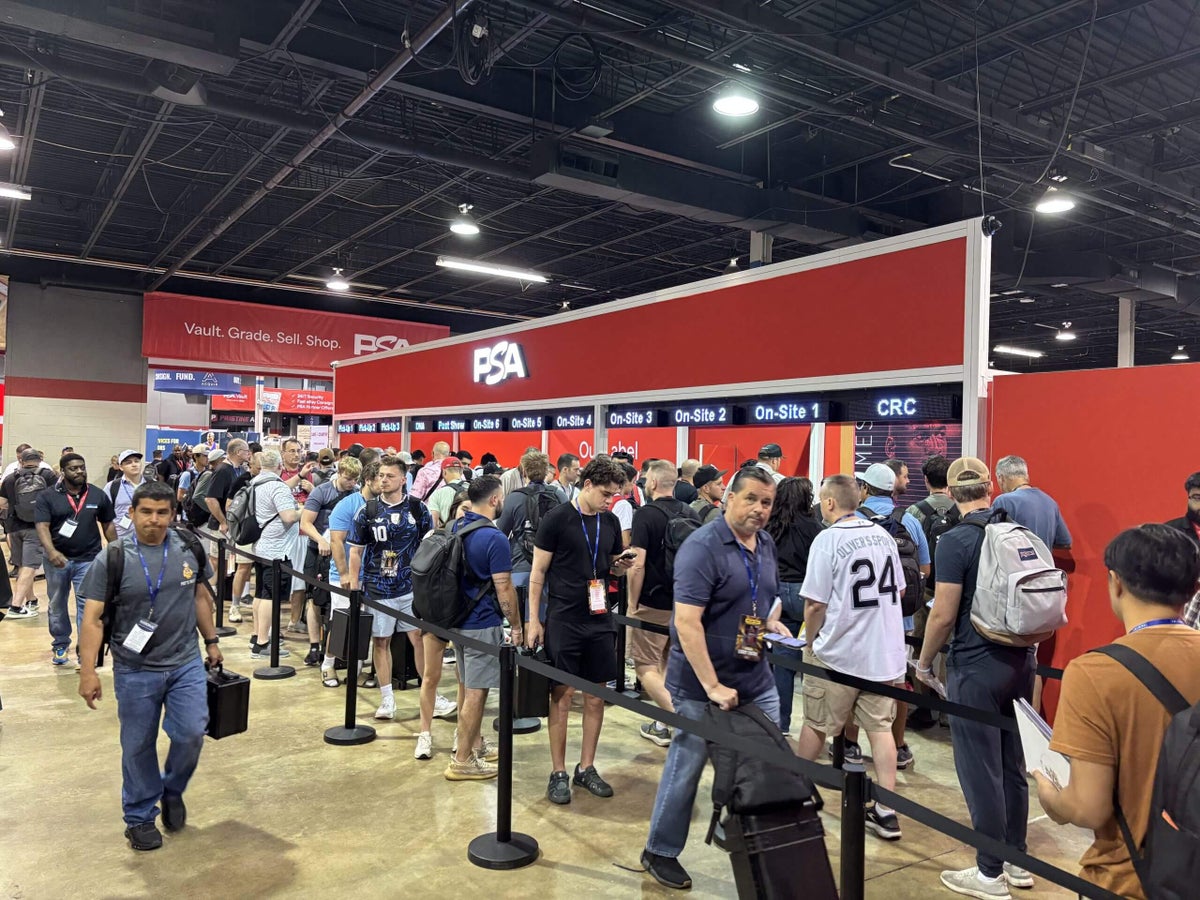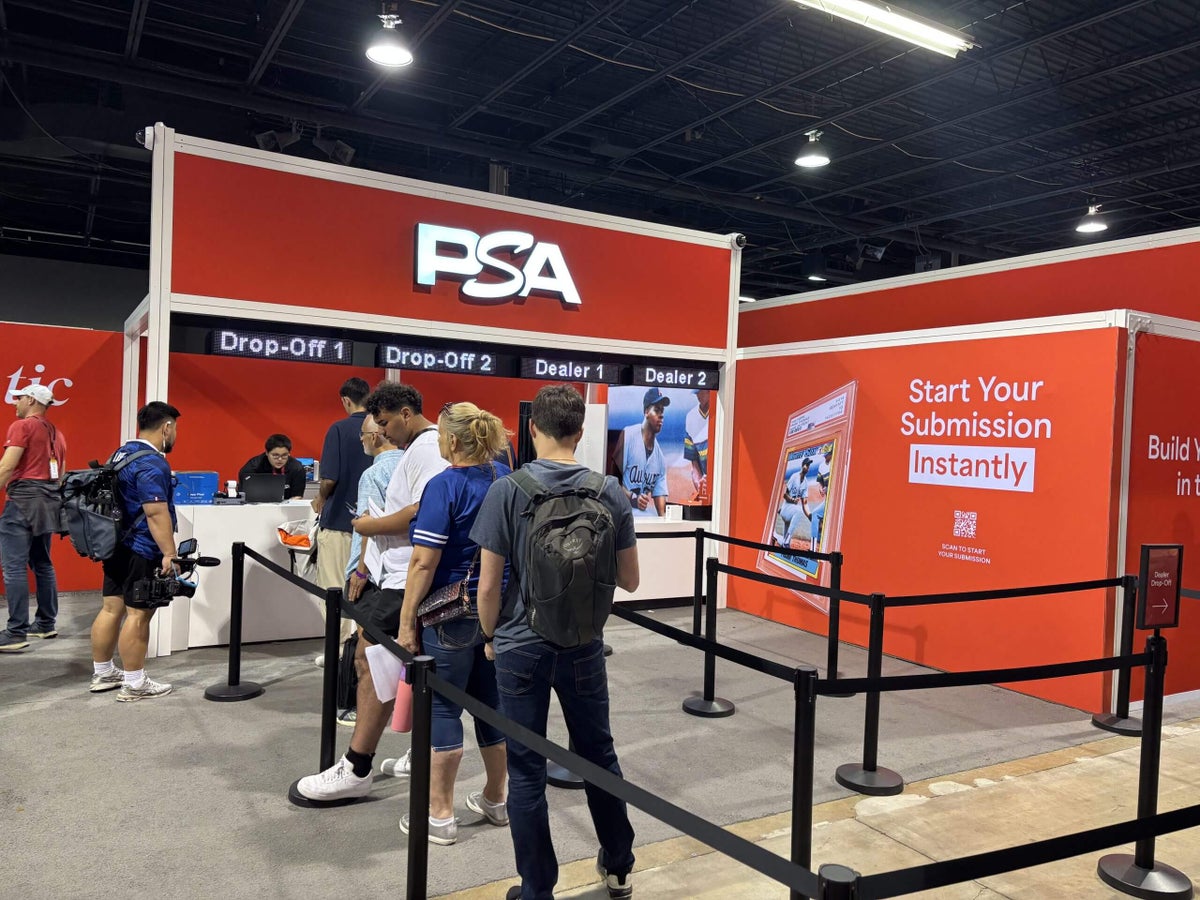
Trading card grading service Professional Sports Authenticator (PSA) was already at the center of industrywide consternation before the start of National Sports Collectors Convention last week with its backlog of ungraded trading card submissions rising back up to more than 12 million after initially getting cut from 15 million to 11 million. There were plenty of gripes from customers and potential customers about pausing the most affordable service levels to submit cards in order to try to reduce that sizable backlog, and the on-site grading issues during the convention only added to them.The Athletic spoke to a variety of trading card industry leaders during Fanatics Fest in New York, the National in Rosemont, Ill. and in separate interviews between those events about how much PSA’s issues have affected the hobby.When asked broadly what concerns exist currently within the hobby, numerous company leaders pointed directly to PSA’s backlog and pricing concerns without even being asked about the grading company. Those responses came primarily from auction houses, and none expressed concerns more pointedly than Ken Goldin, CEO and founder of Goldin Auctions, which was owned by Collectors Holdings, PSA’s parent company, from 2021 to 2024, when it was acquired by eBay.“I think the single biggest problem with the hobby right now in my mind is the PSA backlog,” Goldin said. “I think that is devastating to the industry. And look, these are all friends of mine. I’m a large shareholder of PSA. But when stuff like this happens, it’s devastating to the industry because they are a major source of cash flow.“There are so many people that get cards and get them graded. When they get them back graded, they sell them and that’s how they fund their business. So if they can’t submit, they’re shutting out new revenue. And then if it’s an emergency and their price is triple what it used to be because (a customer) has to pay a higher service (fee) just to get taken in, that hurts. And then people who are counting on it say, ‘OK, I may get the card back in six months instead of six weeks.’“It’s just a negative. Will they come out of it? Yes, of course they’re going to come out of it. But I’m not going to lie, I think it takes cash flow away from the hands of people who need it to constantly fund either their collecting habits or their business.”Goldin added, “It has affected (Goldin Auctions) because we need to look for alternatives when people come to us with cards under the threshold of where they’re grading. I’m a smart businessman. I want to get the items graded where I know that they’re going to have the highest public perception and the highest value. However, if that’s not available just like everybody else, we have to seek alternatives.”Finding a Caleb Williams card at The NationalHere are other examples of concern from notable leaders of auction houses/marketplaces:Nick Bell, Fanatics Collect CEO “I think grading in general is such an important part of the ecosystem. Grading is, for most of the cards that we see appear in auctions or on the marketplace, a step of the journey. I think it’s a pain point for collectors right now. I think the cost of grading is a pain point. The time it takes to get cards graded is a pain point. I hope that they get it right and get it right quickly.“We hear from collectors every single day. Consumers, particularly new consumers who come in, have very high expectations of service levels. Next day delivery, easy returns, whatever it may be. It’s been what people are accustomed to. I think as a hobby, we all need to raise the bar, and I think grading is a really important part of that.”Chris Ivy, Heritage Auctions director of sports auctions“I think wait times are difficult for people. It breaks momentum. It also leads to new opportunities as well for maybe some new authentication services to break through. They can possibly do it in a little bit of a different way.”David Kohler, SCP Auctions president“I wish they could process all the submissions faster. It holds up a lot of the dealers when we’re trying to get the paperwork back and or the cards in a holder. Everybody’s complaining about that, right, because they’re so backed up, unfortunately. Obviously, we know that Pokemon and the non-sports cards are pushing the sports stuff aside as far as getting your submissions back.“We have a client right now that’s got some great vintage cards that need to be graded. And there’s a lot of value there. There’s six figures in value that I said, ‘Hey, they’re raw. We need to get them in the holders for you to sell them.’ He understands that, but I said, ‘You’re going to have to be really patient because we’re not going to get these back in 30 days.’”Opinions on PSA’s issues vary across other parts of the industry, ranging from empathy for the grading company to the belief that the backlog is actually positive:Jared Bleznick, Blez Sports Cards owner (Bleznick participated in live breaks in PSA’s on-site studio with the company’s president, Ryan Hoge, during the National.)“The backlog of PSA is, and a lot of people may not like my answer, I think it’s a good thing. I think it’s a really good thing. Because all that happens is, people don’t realize that our business is supply and demand. And the fact that there’s such a backlog is allowing cards to sell at a premium because it’s harder to obtain them. So if the cards are more available, they’d be worth less money.“When you grade a card, you have to grade it with PSA if you want top value. The fact that they’re so backed up, it’s actually a good thing. I tell people in our business that don’t have their cards, ‘Hey, you’re not going get them. You’re going to wait. But if they get a 10, they’re going to be worth even more money. So to me it’s a good thing. It’s one of those things that it’s an accident they’re so backed up, but it actually helps the hobby.”Adam Ireland, eBay vice president and general manager of collectibles“We always and we continue to have a really strong relationship with (PSA). Their grading operation is slightly separate from our authentication program (PSA authenticates cards sold on eBay for $200 or more) and so they continue to provide the service to serve our customers.”Chris Costa, CardVault by Tom Brady co-founder“PSA’s backlog is a direct representation of the growth and demand in our space. A lot of people are getting frustrated with PSA or aggravated that PSA has to shut down because they have to catch up. But it’s also an indication of where things are in our space. …“PSA is a major company with a lot of really, really smart, talented people running it. But they’re entering uncharted waters. We all are. Who knows how you handle that many cards, right? You can plan for it. You can prepare for it. You can invest to build infrastructure to support it. But at the end of the day … we are in uncharted waters where volumes are at an all-time high, transactions are at an all-time high, interest is at an all-time high.“I think it’s reassuring that PSA has the volume and the demand that it has. I think that’s a good thing for our industry, and I know that they’re investing an immense amount of money and resources into building capacity. …“As far as the actual downstream effects, it takes time for that to show up. Our grading business hasn’t really dipped that much. I think a lot of people are still grading cards at service levels that PSA still has available. I think that’s one of the misconceptions in the public.“There’s a lot of people that think they’re never going to catch up, but I actually believe they will catch up sooner than people think. We’ve been through it before. It’s frustrating. I get it. I’m frustrated. I want to submit cards, but I think it’s also an indication of where our industry is, which I think is a really good thing.”David Leiner, Fanatics Collectibles president of trading cards“PSA is in a tough spot. The demand for grading is exceeding what they’re able to manage, they’ve been pretty open about that. They’ve invested a lot. We’ve heard a lot of things. They’ve opened more facilities. They’ve hired more graders. They’re trying to increase their output. …Their slabs are garnering premiums, but I do hear the concerns from collectors about how they’ve closed off some of their value longer-term stuff, focused more on some of the short-term, higher submissions. So you hear the fans and collectors grumbling a bit. They’re in a spot right now.”Mike Mahan, Fanatics Collectibles CEO“I am sympathetic that when you have record levels of demand, that poses some unique challenges. You have an industry that was underinvested in for many, many years and then you combine that with the increased amount of demand. For us, by the way, (there is an) increased emphasis on quality, right? And so we’ve had some challenges as we’ve worked through that. But we have heavily invested to make that better.“I hope and expect that PSA is doing the same. But I think anything that impacts the collector experience, we take that very seriously and so we hope and expect that they will work through some of these issues. We hope and expect that they are short term and we hope and expect PSA will drive the collector experience.”Jason Masherah, Upper Deck president“Surprisingly, I thought it would have a bigger effect on the industry than it has. It doesn’t seem to have slowed anything down. Look, I’ve been of the opinion, and maybe unpopular, that I thought the pricing was too low for a while. That was encouraging people to grade cards that they shouldn’t be grading, which causes this cycle of what it is.“To me, I think we’ve gotten maybe a little too reliant on grading. You shouldn’t be grading dollar cards. That’s just the fact of the matter. So the grading is important for valuable cards, important cards. It shouldn’t be for all the cards.“So I kind of like that they shut it down. Obviously I’m not happy that they’re so backlogged because all of us have cards that are stuck in that backlog. I was hoping that it would make people think twice about what they’re grading, but it doesn’t seem to have slowed anything down.“And I’m actually a little nervous about what it is because it seems like they raised the prices or basically closed down the lower value tiers and people are submitting just as much stuff at the higher value.“So if you’re a company, why would you lower your prices, right?”
PSA card grading backlog: What industry leaders are saying about its impact
Notable figures across the sports card industry express concerns, positives and sympathy for PSA amidst its backlog issues.
1,817 words~8 min read