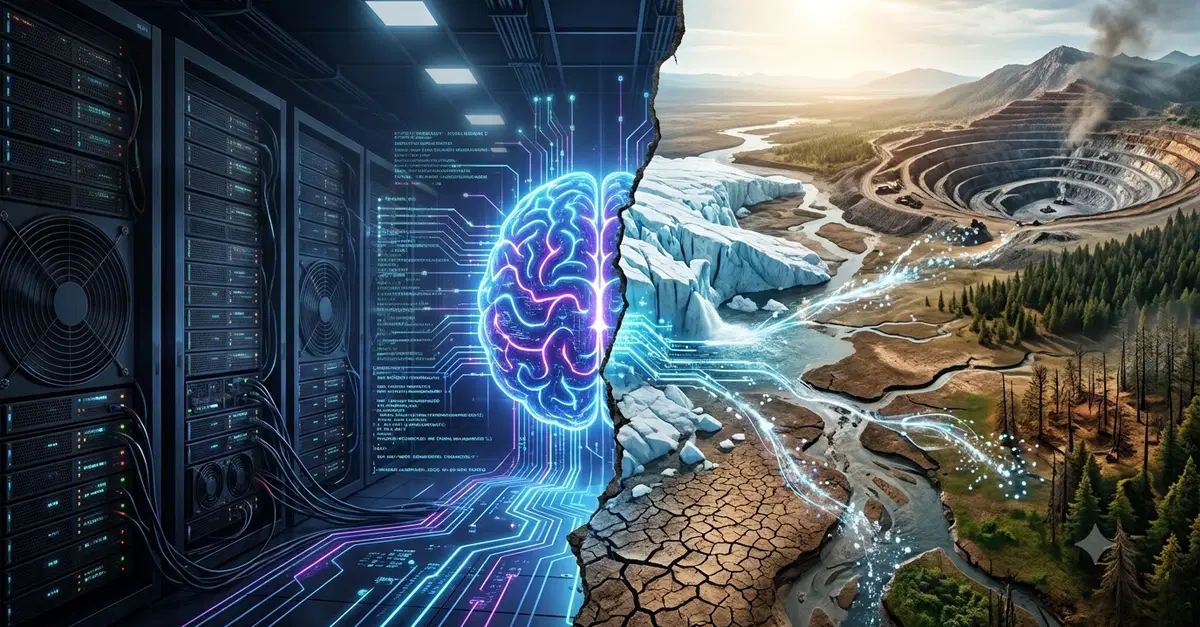
AI systems convert electricity, water, minerals, land, and human-built infrastructure into computation at a scale that is now large enough to matter for resource planning.
Large language models, recommendation engines, computer vision systems, autonomous logistics platforms, and scientific AI tools all depend on physical inputs.
The software may look weightless from a user’s screen, but every query and training run draws on data centres, transmission lines, cooling systems, semiconductor fabs, mines, and global shipping networks. AI can also reduce waste, improve grid operations, optimize irrigation, and accelerate materials discovery. Its net effect on Earth’s natural resources depends on whether efficiency gains, outpace the growth in demand for computation.
The Physical Layer of AI
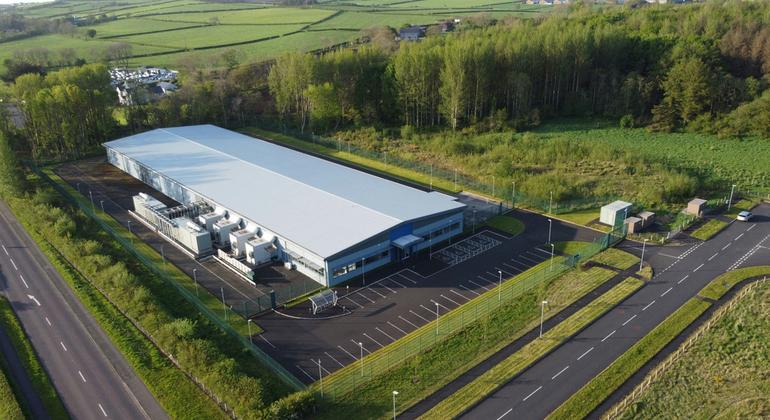
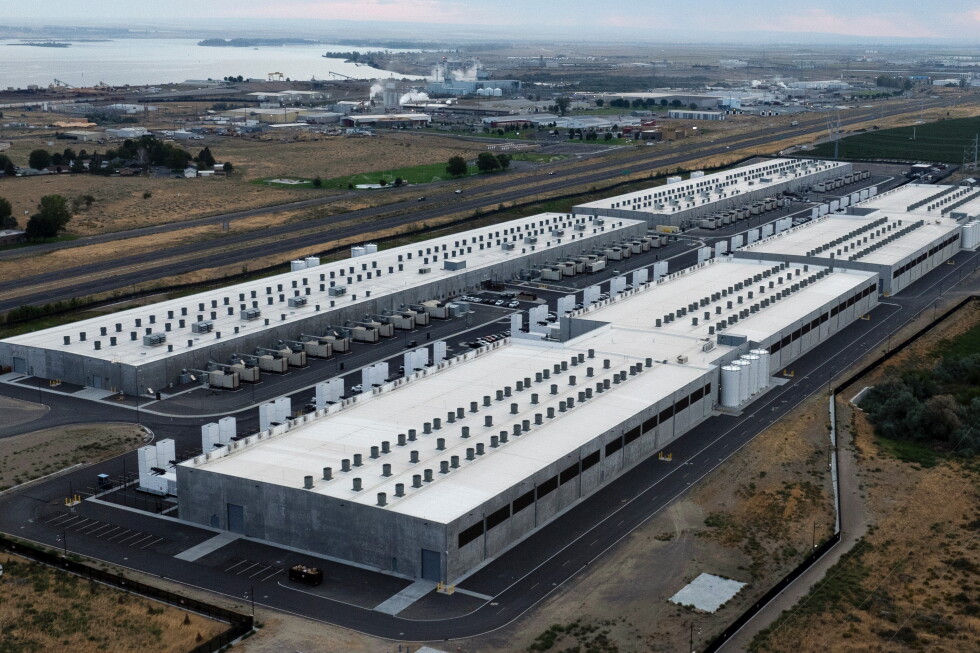
AI runs on specialized hardware, mostly graphics processing units, tensor processing units, high-bandwidth memory, networking equipment, and storage systems. These components sit inside data centres that require continuous electricity and cooling.