Conservative values, National renewal
Let’s start with the Constitution’s Naturalization Clause (Art. I, Sec. 8, Cl. 4), which provides Congress with the “power … To establish an uniform Rule of Naturalization … throughout the United States.” Likewise, the Supreme Court has long recognized Congress’s plenary authority over immigration.
Congress has enacted a body of laws, which federal officers are charged with enforcing, addressing who should be admitted to or excluded from the country and who can be deported. These laws also impose obligations on private actors, such as employers, about measures they must take to avoid employing or harboring individuals who entered the country illegally or overstayed their welcome.
Until recently, state and local authorities cooperated with federal officials in enforcing our nation’s immigration laws, providing intelligence on the whereabouts of illegal aliens and honoring detainers placed on those suspected of being here illegally who were temporarily in state custody.
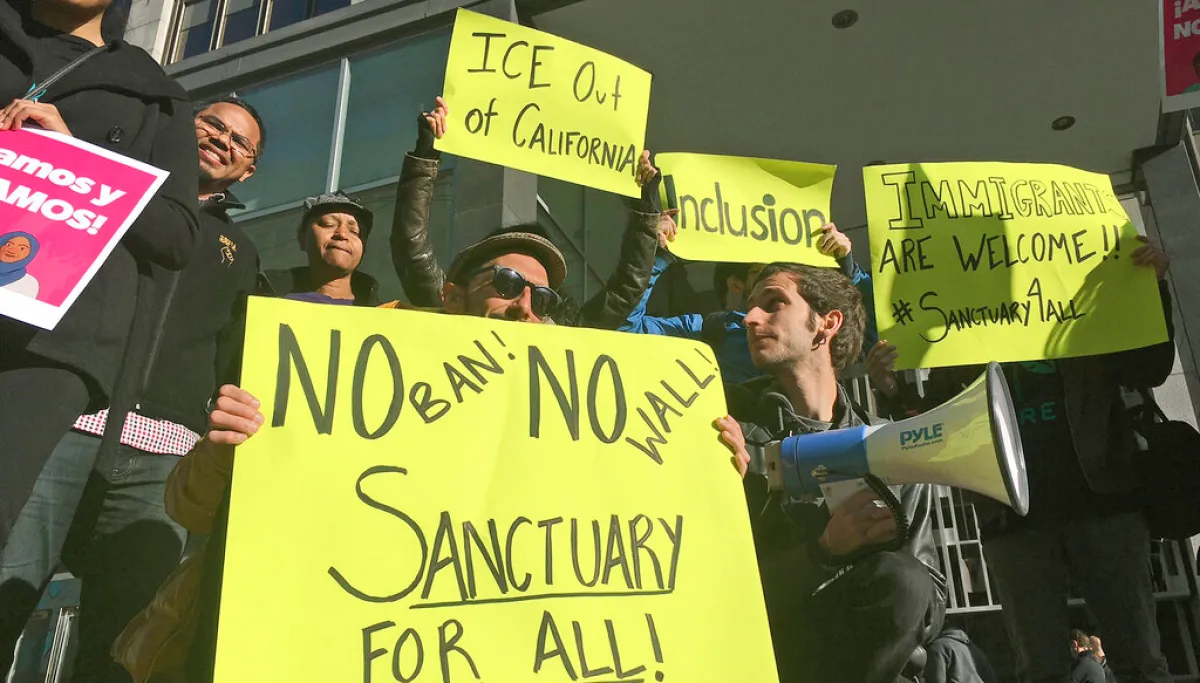
That has changed. Several states and localities, objecting to enforcement practices they think are overly zealous, have declared themselves “sanctuary jurisdictions,” refusing to cooperate with federal authorities and, in some cases, enacting laws prohibiting otherwise willing state and local officials from cooperating.