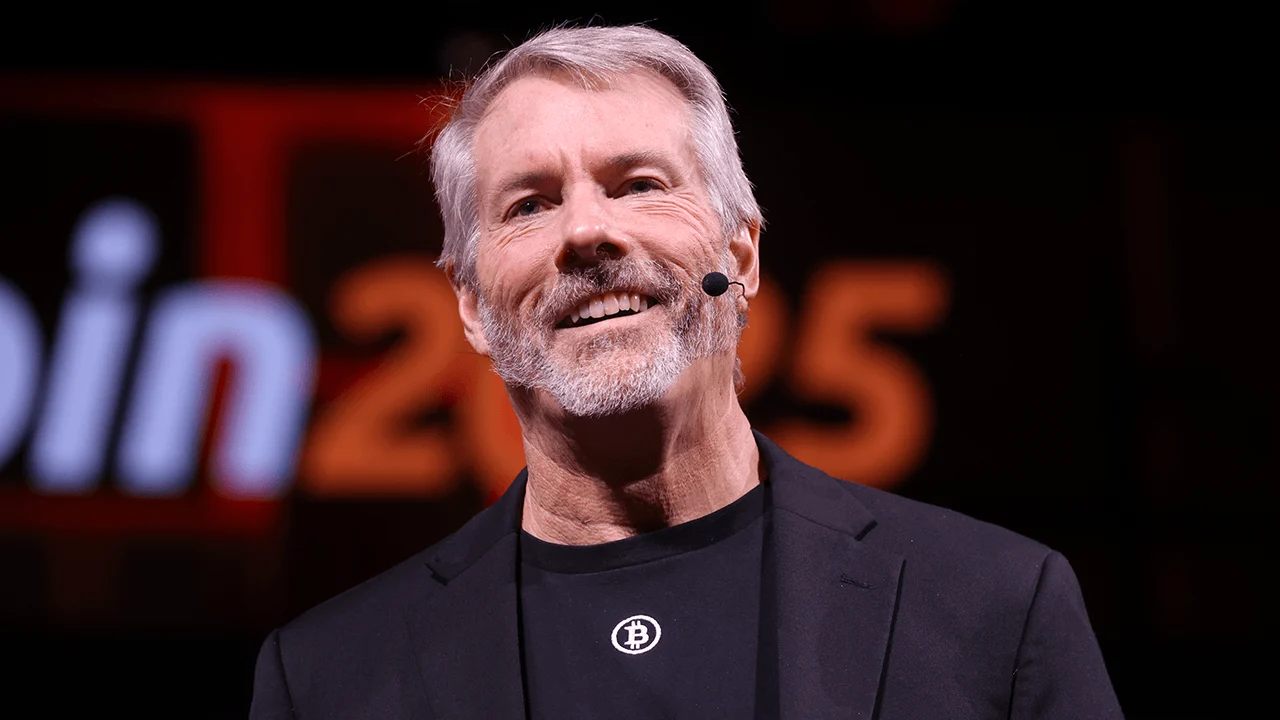
Michael Saylor told the backers of a contested Bitcoin proposal to “stand down” this week, days before a deadline that could split the network in two.Key TakeawaysSaylor said BIP-110 has just 38 signaling blocks, or 2.70%, as of block 961,022.The proposal needs a 55% miner threshold to lock in, which Saylor called impossible.A mandatory signaling window opens near block 961,632, raising chain-split risk. Saylor has rejected BIP-110 on several occasions in recent times. On Tuesday, the Strategy executive chairman posted the message on X on Aug. 4, stating: “At 961,022, BIP-110 has 38 signals (2.70%). Its 55% voluntary threshold is impossible. At 961,632, BIP-110 nodes reject non-signaling blocks. Unless major miners reverse, Bitcoin continues normally while BIP-110 stalls or forks into irrelevance. Its backers should stand down.” What BIP-110 Aims to Actually Do BIP-110 is a proposed software change that would limit how much unrelated data people can attach to Bitcoin transactions. Bitcoin currently lets users embed images, tokens and other non-financial data through tools like Ordinals inscriptions and large OP_RETURN messages. The proposal would cap most of that data for about a year, while leaving regular payments and Lightning network transactions untouched. BIP-110 supporters are not willfully accepting Saylor’s request. Image source: X Supporters, centered around the Bitcoin Knots software and the Ocean mining pool, say the limits would ease the load on node operators and cut down on the fees driven up by data-heavy transactions. Critics, including Saylor, say the rules would let the network start judging the purpose of a transaction rather than just processing it. Why the Math Doesn’t Work For BIP-110 to lock in through the normal path, 55% of Bitcoin’s mining power needs to signal support within a set window of blocks. As of block 961,022, only 38 blocks out of roughly 1,400 in the current period had signaled, a rate of about 2.7%. Major mining pools, including Foundry, AntPool, F2Pool and ViaBTC have not signaled at all. That leaves the voluntary path closed. Saylor’s post makes the point directly: at the current pace, the 55% threshold cannot be reached before the window closes. A Deadline That Could Split the Network Because the voluntary threshold looks out of reach, BIP-110 moves into a second phase around block 961,632, projected for early August. At that point, nodes running the BIP-110 rules start rejecting blocks that don’t signal support for the change. Everyone else keeps following the existing rules. If major miners don’t switch over, Bitcoin’s main chain keeps operating as it does today. Nodes enforcing BIP-110 could very well end up following a different, smaller chain instead, a scenario known as a chain split. That risk is why Saylor is urging the proposal’s backers to abandon it now rather than let the mandatory window trigger. Saylor’s Broader Argument Saylor laid out a longer case against BIP-110 in a mid-July X post titled “110 Reasons BIP 110 Is a Bad Idea.” He said he shares some of the proposal’s goals, including keeping node costs low and protecting Bitcoin’s use as sound money. But he argued Bitcoin’s rules can’t and shouldn’t try to read the intent behind a transaction. BIP-110 critics are telling Saylor to concentrate on more important matters. Image source: X He compared Bitcoin’s consensus rules to a constitution that protects economic activity equally, warning that a precedent for filtering transactions by perceived purpose could later be used against privacy tools, custody methods or new financial contracts built on the network. A great deal of others have raised similar concerns about the proposal’s design. What Onlookers Should Watch Next The mandatory signaling window is expected to open around block 961,632, likely between Aug. 7 and Aug. 9, depending on how quickly blocks are mined. If no major mining pool reverses course, BIP-110 is expected to fail to gain control of Bitcoin’s main chain, with any enforcing nodes potentially splitting off on their own. Bitcoiners can watch signaling and observe whether or not any large mining pool changes its signaling stance in the coming days, along with updates from Bitcoin Knots developers and monitors tracking the block-by-block signaling count as the window approaches.
Strategy's Saylor Tells BIP-110 Backers to 'Stand Down' Before Fork
Saylor tells BIP-110 backers to "stand down" as bitcoin miner signaling stands at 2.7% before the signaling deadline.
TL;DRAI
Michael Saylor warns BIP-110 Bitcoin proposal has only 2.7% miner signaling (vs 55% required), risking network fork by Aug 9. The failed consensus model exposes the danger of transaction-purpose filtering—a precedent threatening privacy tools and on-chain financial contracts.
687 words~3 min read