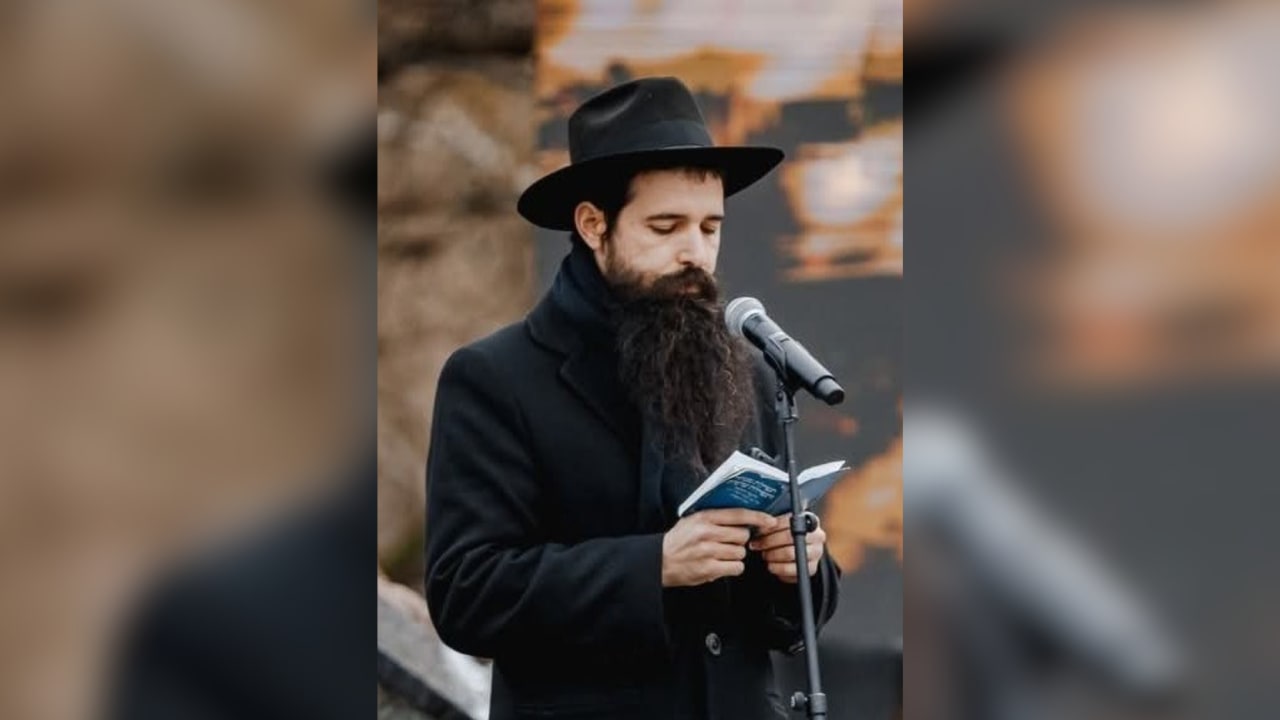
ByMATHILDA HELLERAUGUST 4, 2026 20:05Moldova is about to inaugurate its new chief rabbi after 12 years of the role being unfilled, Rabbi Zushe Abelsky, Head Chabad Shliach in Moldova, told The Jerusalem Post on Tuesday. Rabbi Menachem Mendel Axelrod has been Chief Rabbi of the country in an unofficial capacity for the last decade. Most of his children have been born in the country, and Abelsky said he is a "very well-known figure in the community" who "everybody likes."Rabbi Axelrod was elected by all streams of Judaism in Moldova. After the upcoming ceremony on Wednesday 12 August, he will represent the country's community in an international and legal capacity.The last person in the Moldovan chief rabbi post was Abelsky's own father, who was sent to the European nation by the Lubavitcher Rebbe in 1990 to re-establish Jewish life there. Rabbi Zalman Abelsky served as the chief rabbi of Moldova until 2014, when he passed away.During his tenure, Rabbi Zalman Abelsky built a Jewish ecosystem from zero; kosher food, Jewish education, religious services.1990 · Prime Minister Mircea Druc at the installation of Chief Rabbi Zalman Abelsky (credit: MOLDOVA JEWISH COMMUNITY)Then, after his father died, Rabbi Zushe Abelsky, stepped in to coordinate Jewish life in the country.Chabad has played an instrumental role for Moldova's Jewish communityToday, there are five Chabad shaliach families in the country, split across two cities: Chisinau and Bender. There are two Chabad synagogues - one in each of those two cities - but the shlichim are responsible for Jews in over 18 cities, some which have a community of just 10 Jews.There are also non-Chabad communities and temples, but Abelsky said Chabad is the most dominant religious group in the country. While some official estimates claim 10,000-15,000 Jews in the country, Abelsky said it is more likely to be 5000-7000.Moldova also receives about 10,000 Jewish pilgrims a year on their way to Uman in Ukraine, with around 5000 coming around Rosh Hashanah.Chabad has played an instrumental in Moldova since the outbreak of war in neighboring Ukraine in 2022, providing support for refugees, coordinating travel and in general providing a base for those without one.Following the Russian invasion, the Moldovan Jewish community absorbed thousands of refugees, though the number has since reduced. To start with, people were arriving in Chisinau with just a suitcase, having left everything behind, Abelsky told the Post."Some nights, we had 600, 700 people staying with us," he said. "They would come from Ukraine, stop in the synagogue, eat something. Usually they stayed there a week or two and they left and we got new people.""We had to help some people with clothing, some people with mental issues and stress. We had to make sure that they were in the right place before leaving us."Chabad brings Jewish connection to remote communitiesAbelsky stressed that no community is too small to be of importance to Chabad. "From the 18 communities we serve, only four of them are a substantial community. The rest is just a few Jews. Some of them have a synagogue and open it once a year. Some of them have nothing."The only real connection to Yiddishkeit is when we come to visit them. It's beautiful and that's why it's so important. I feel that that's the biggest thing we do here. It's chesed shel emet [kindness shown to someone who cannot repay the act]. If you don't remind people that it's Rosh Hashanah soon, they're not going to remember."On Passover, for example, Chabad distributed 1000 Shmura Matzah boxes to Jews in the country."It's incredible, you give them hope," Abelsky said. "They feel connected."The community is also expanding. Last year, it opened its first ritual bath for women - Mikveh Liel - and there are now plans to build a Jewish campus next to the synagogue. Abelsky hopes it will feature a restaurant and classrooms and other important facilities.The central theme to Chabad Jewish life in the country is continuity. Abelsky stressed that the community is being built for generations to come, with a sense of permanence and belonging."I once heard from a smart man that in every country where there's an ambassador they are limited [in tenure] to eight years. Why? Because they're scared that the person might integrate in the place he's going to. He might get married to someone over there. Share secrets. After eight years you want him back. So the only one who had trust in these people, who told them 'go ahead,' was the Lubavitcher Rebbe. He told them move to a country. 'You stay there till your last day. Till Mashiach comes. And you should adapt their customs and work according to their customs.'""I'm not scared that you'll become a part of them," the Rebbe said. "I know that you'll make them a part of us.""We are connected to the community. We give them our emotions. They give us our emotions. And that's the beautiful part," Abelsky concluded.Follow us on Google
Moldova inaugurates first chief rabbi in 12 years for revived Jewish community | The Jerusalem Post
Chabad played an instrumental in Moldova since the outbreak of war in Ukraine in 2022, providing support for refugees, coordinating travel and in general providing a base for those in need.
823 words~4 min read