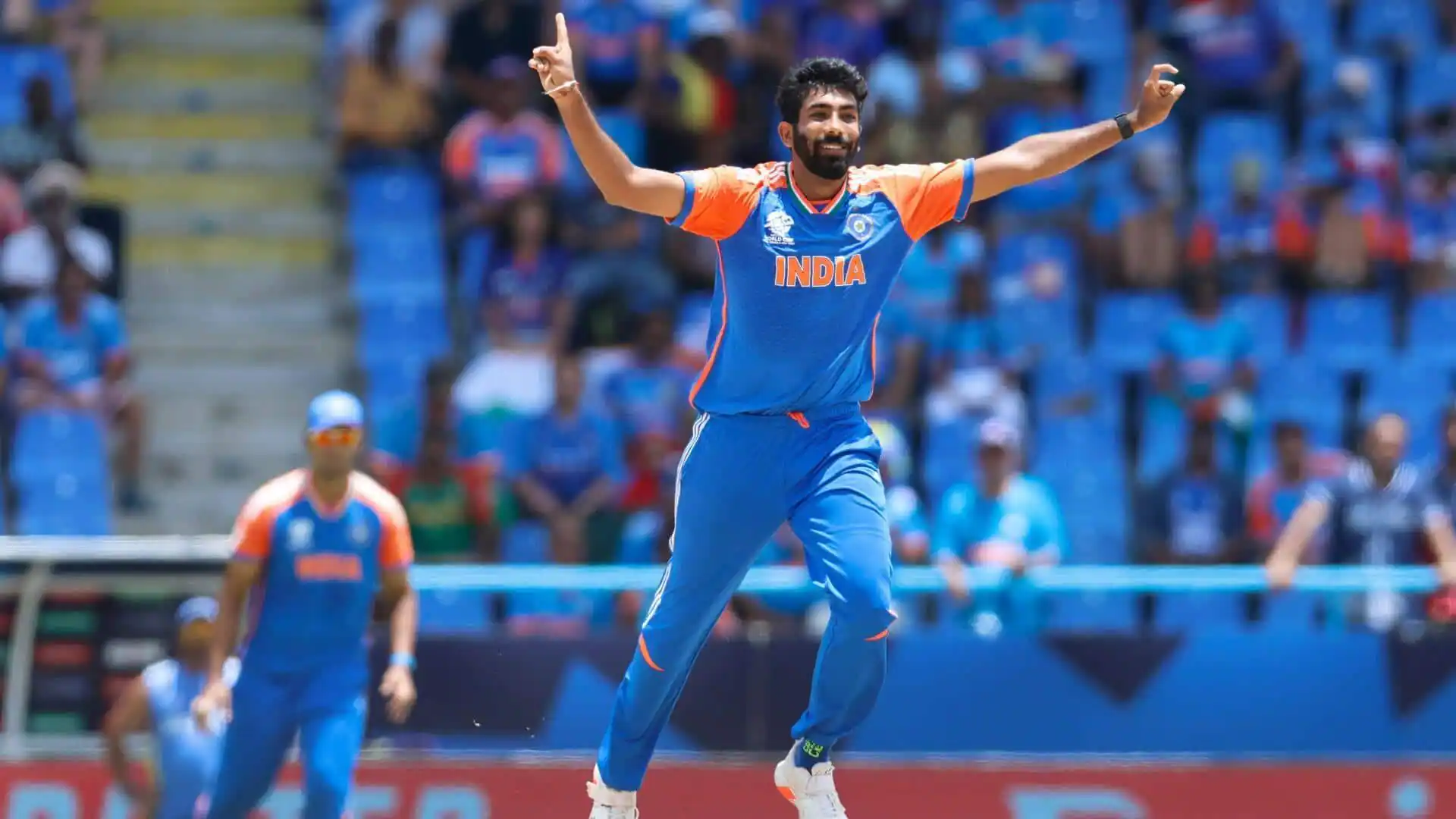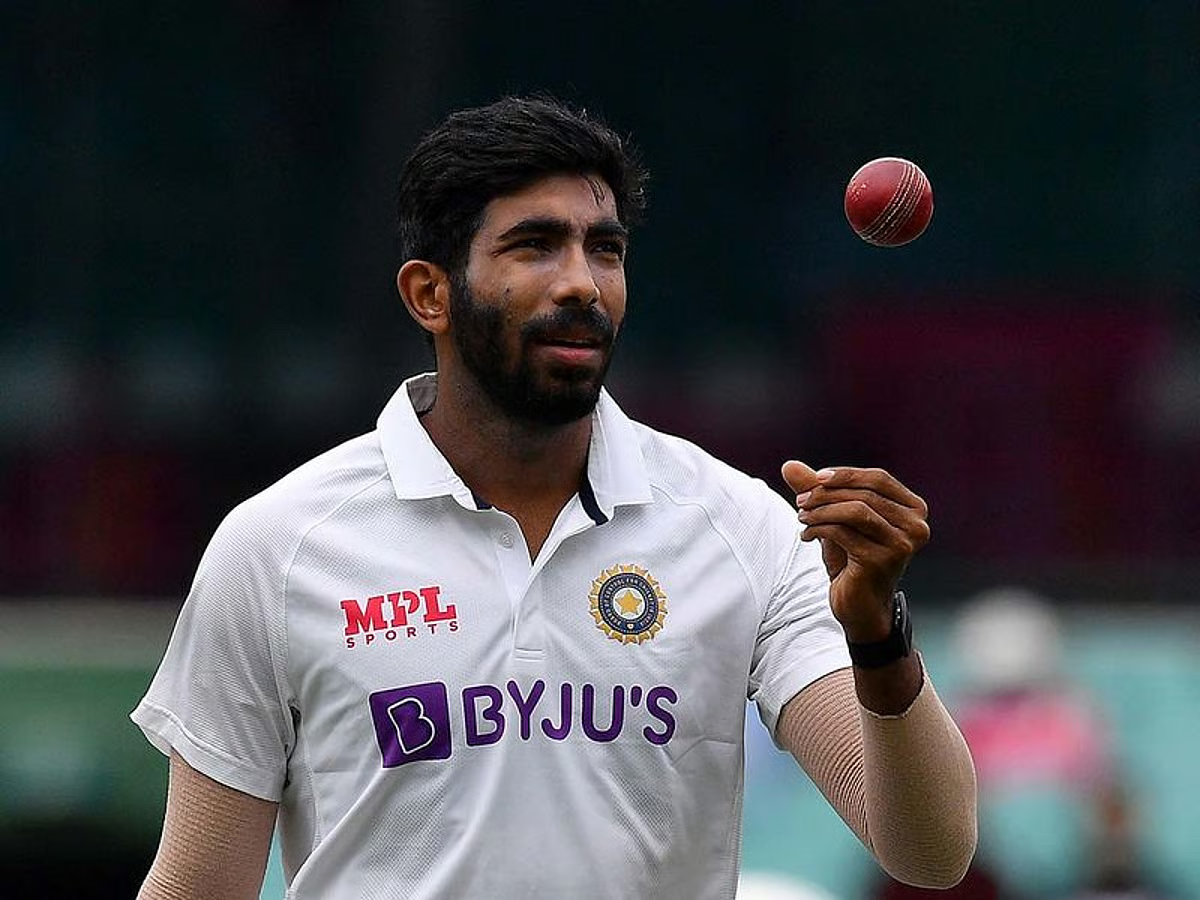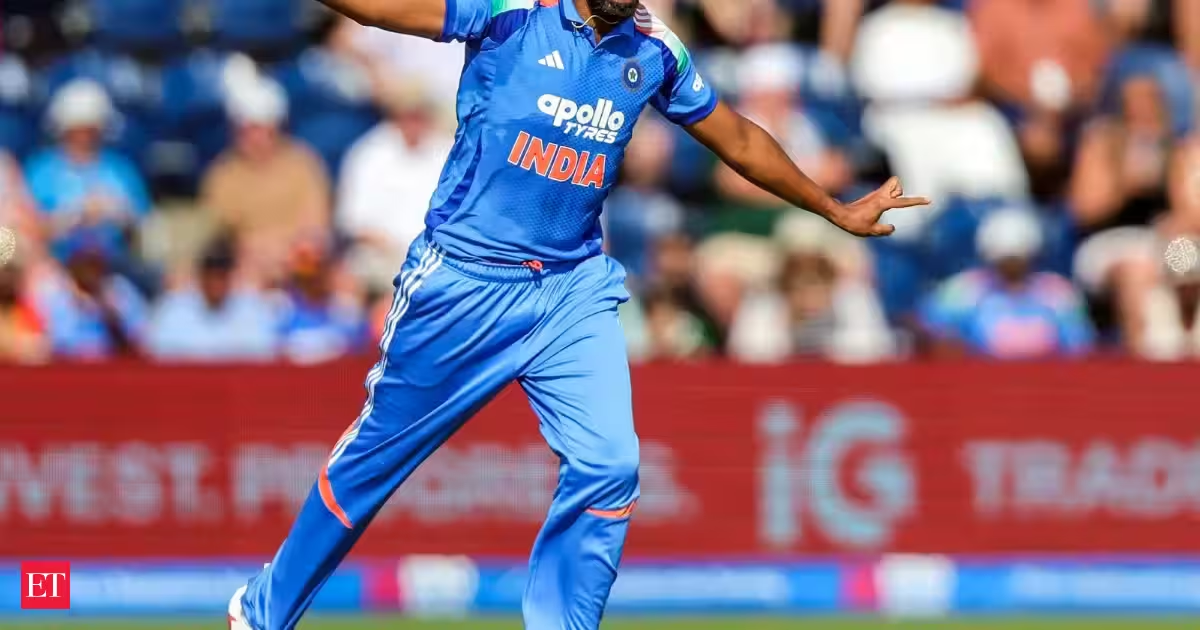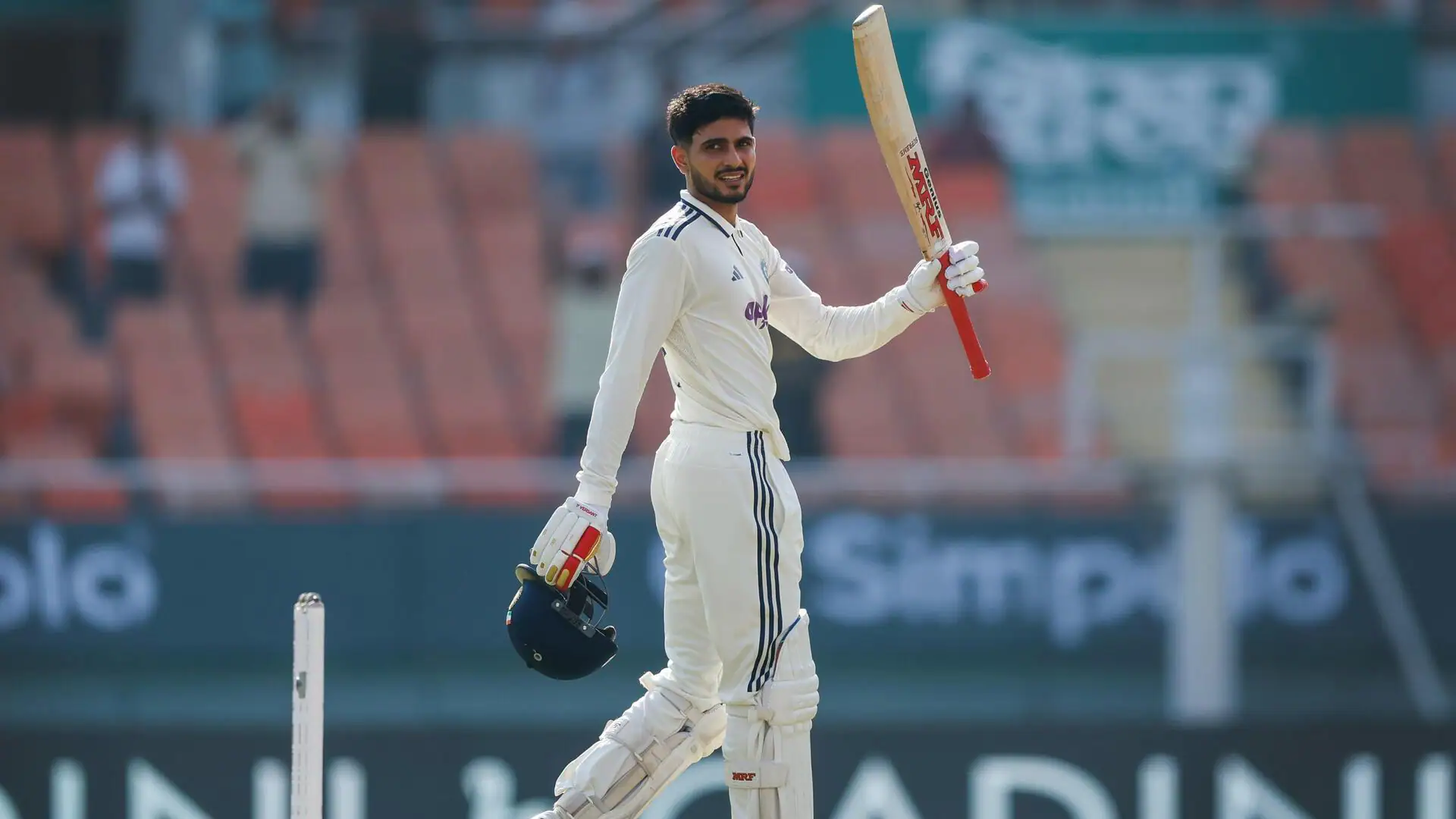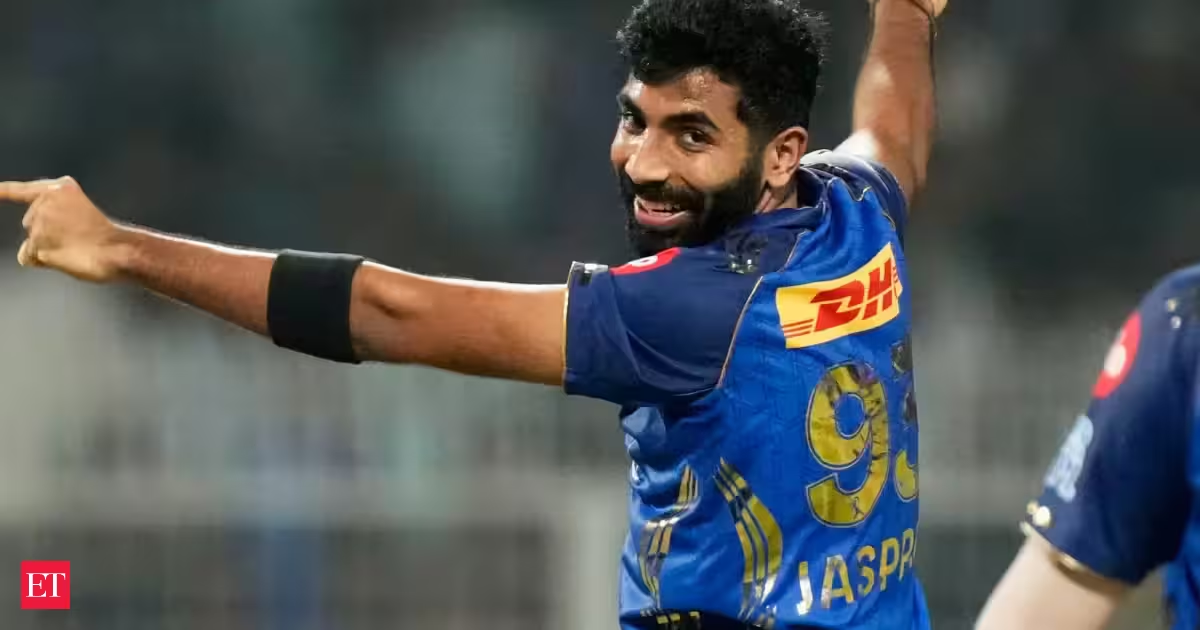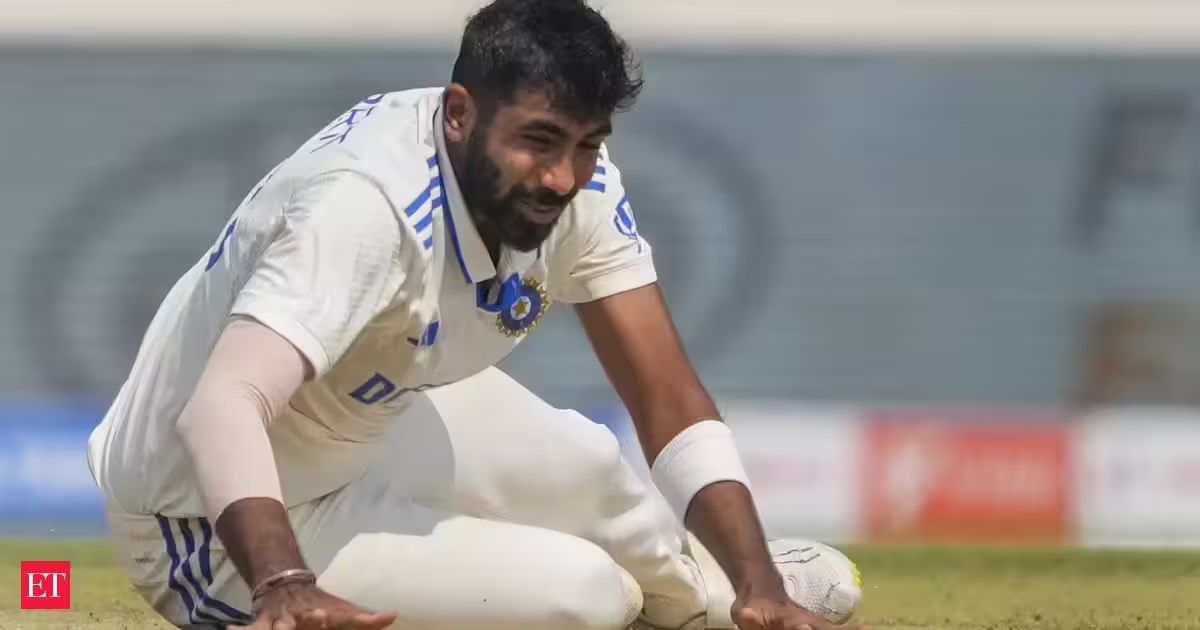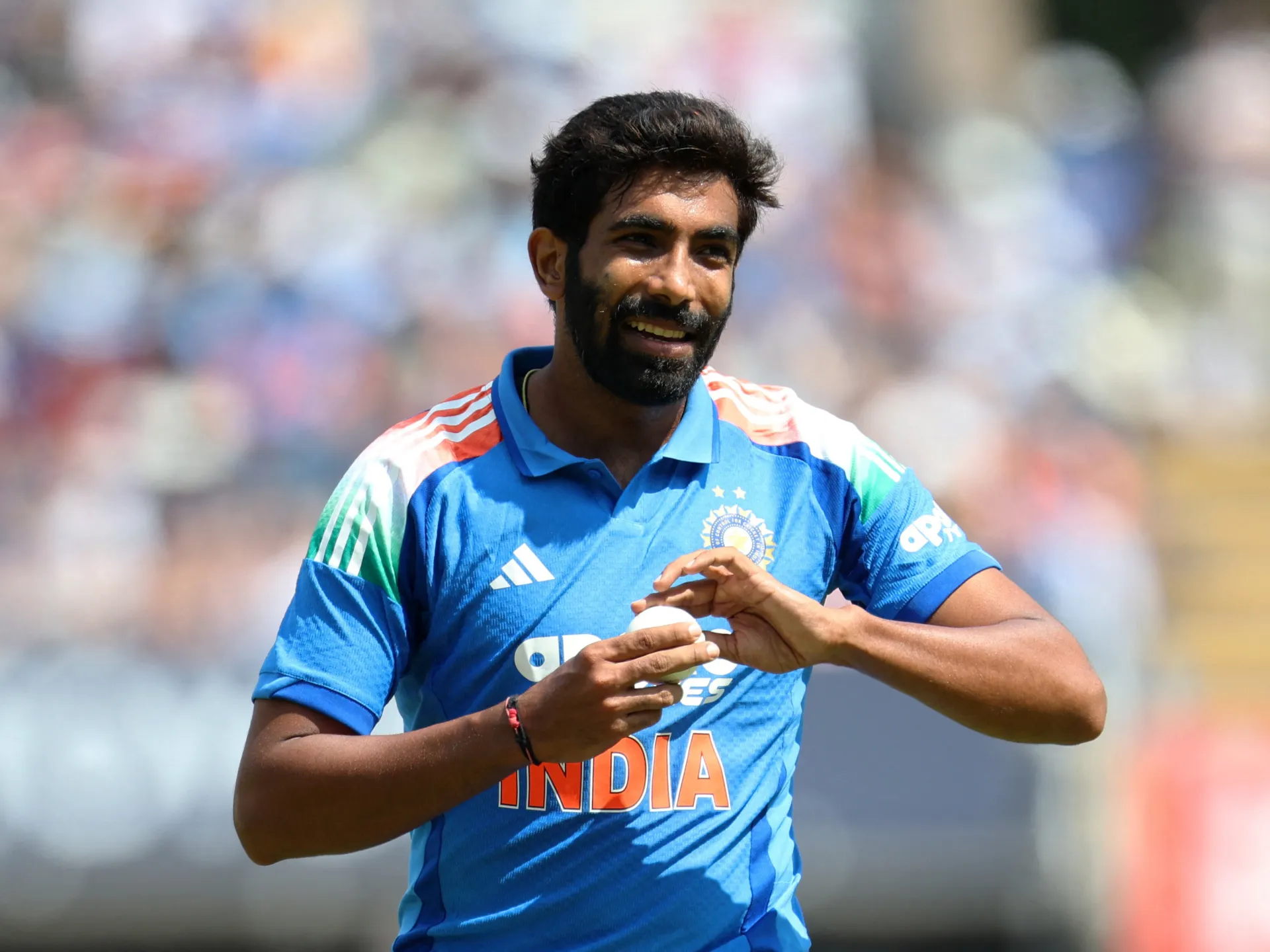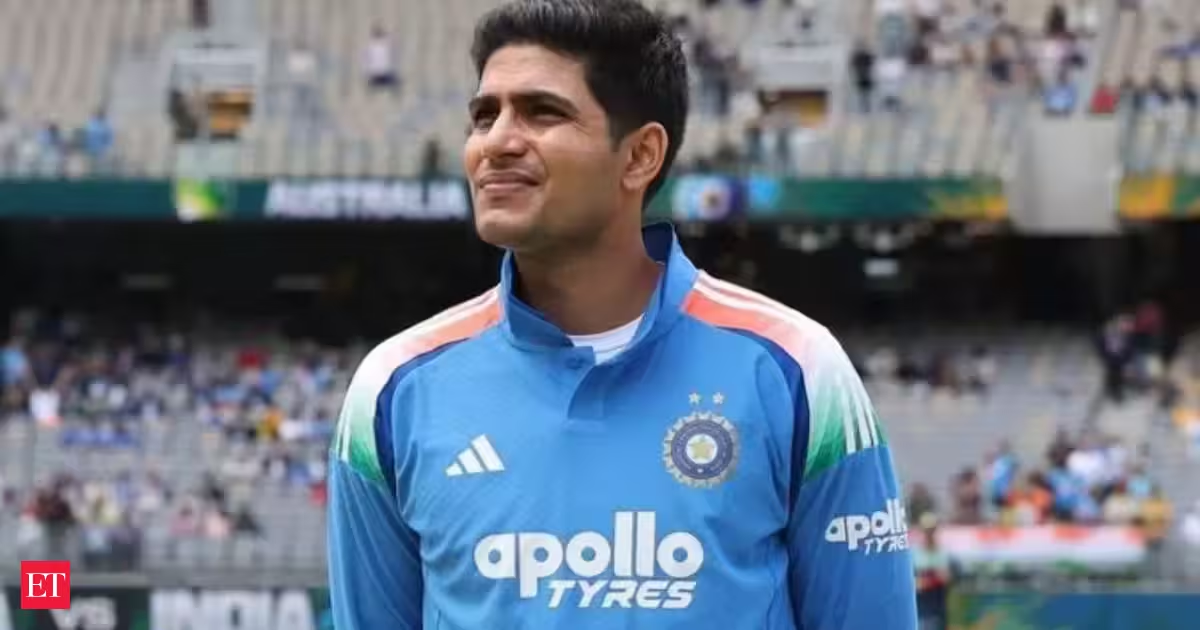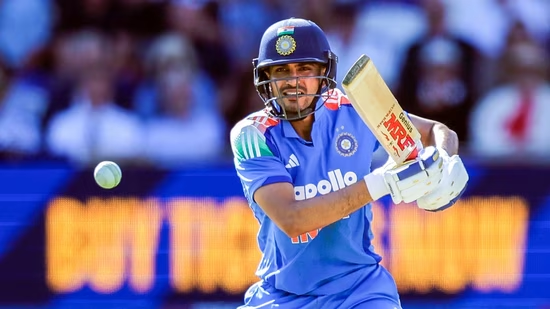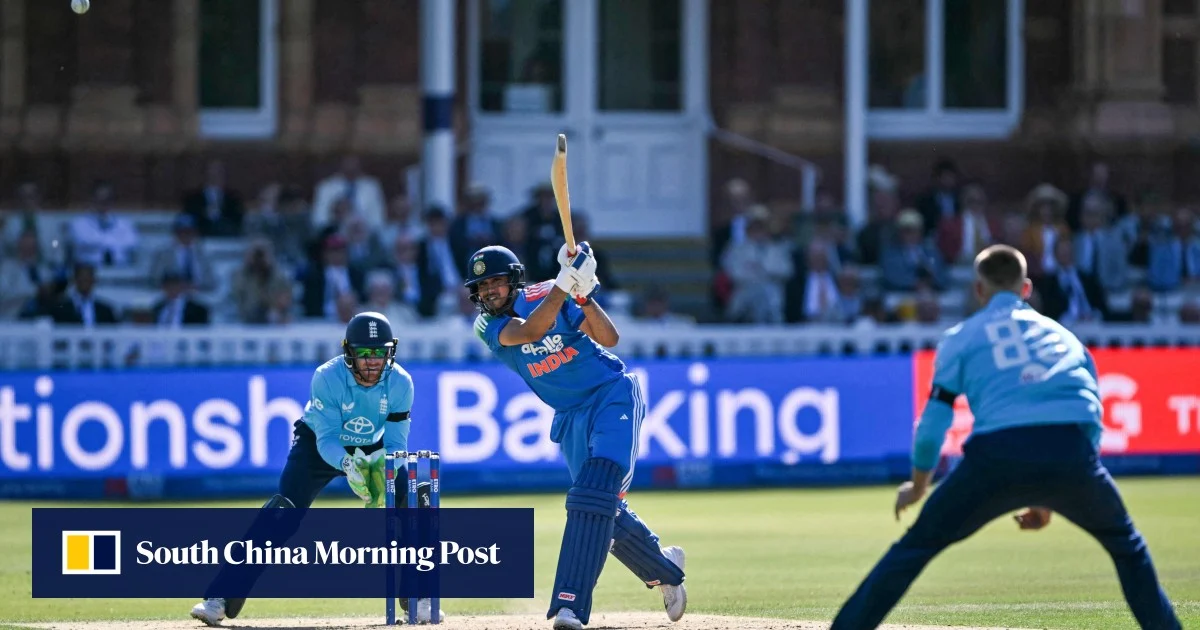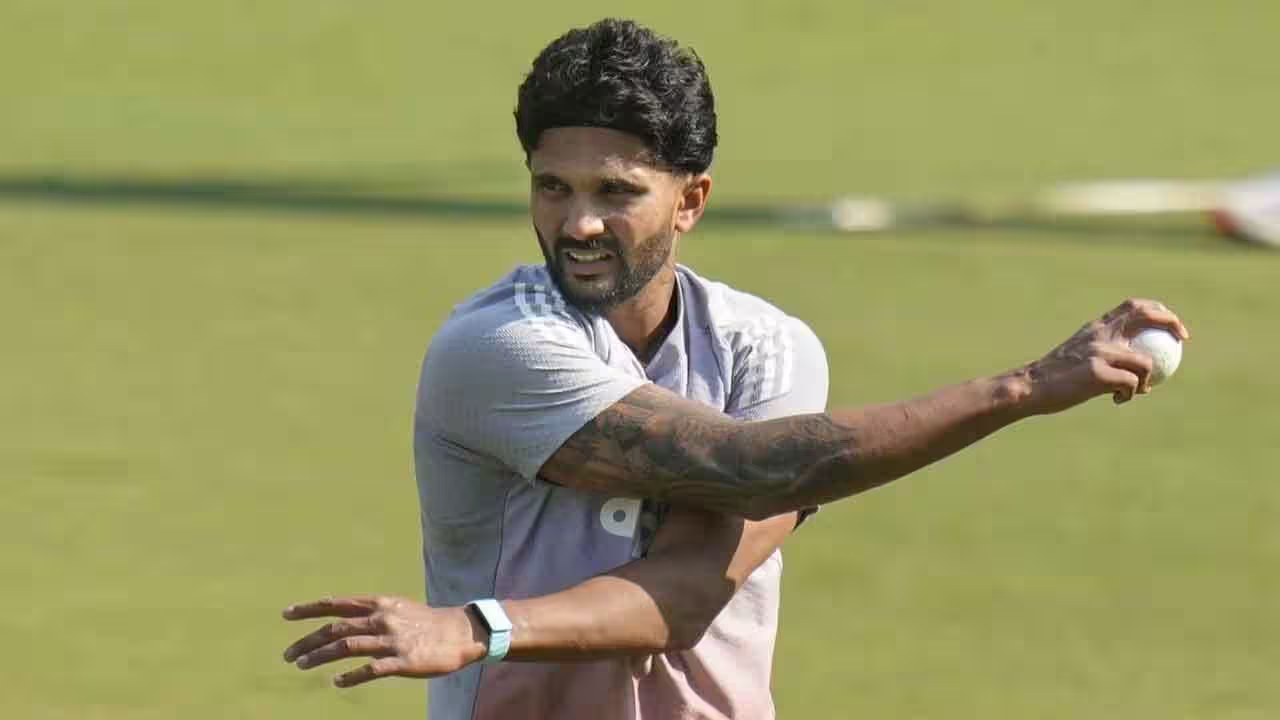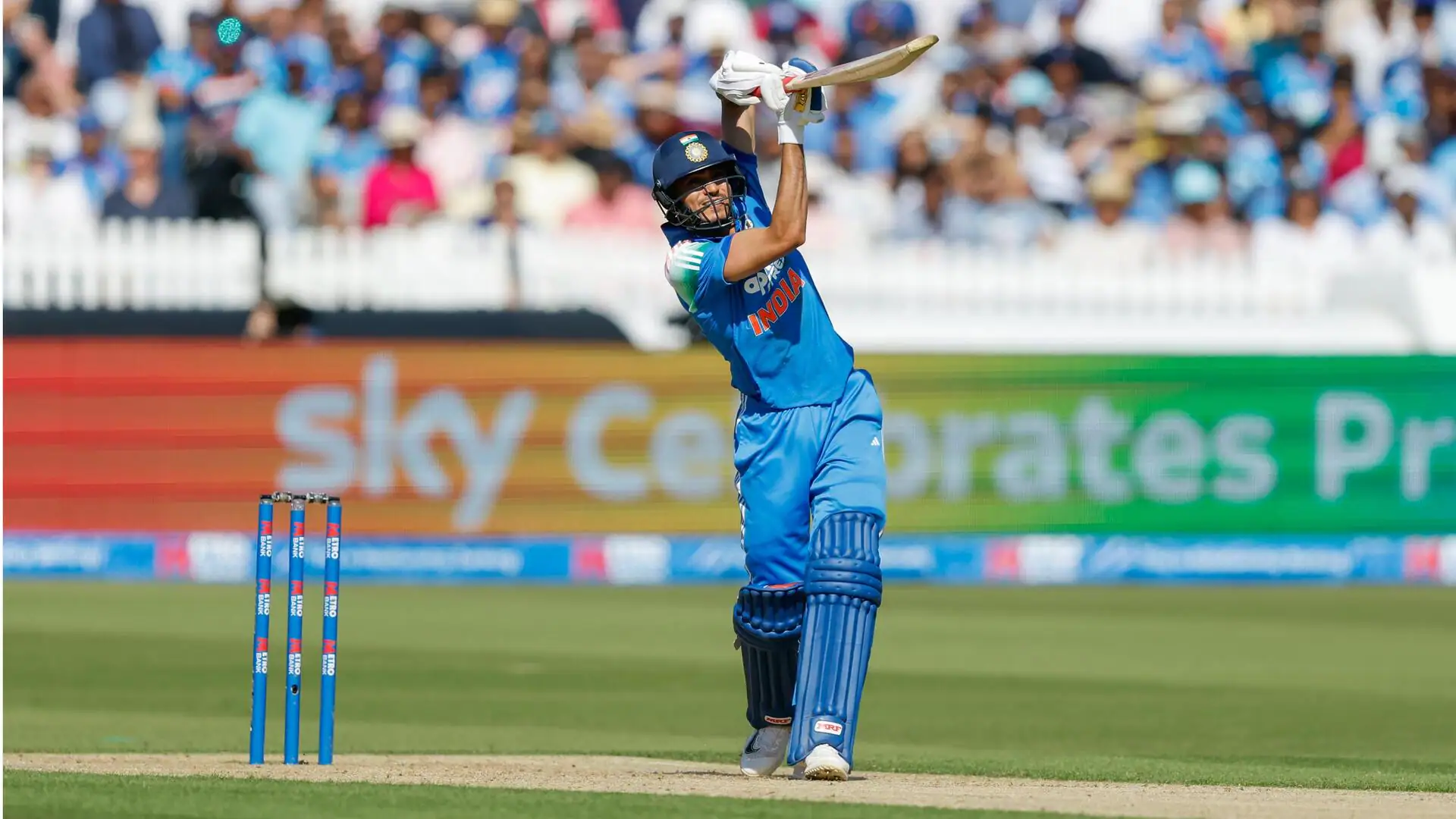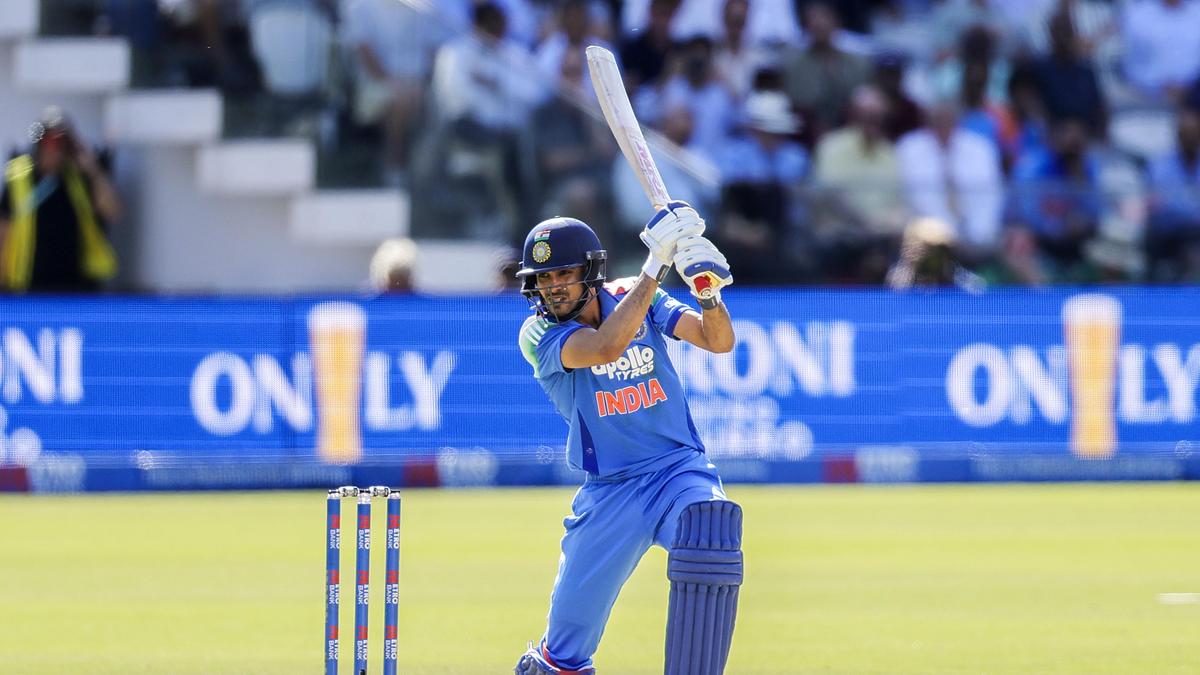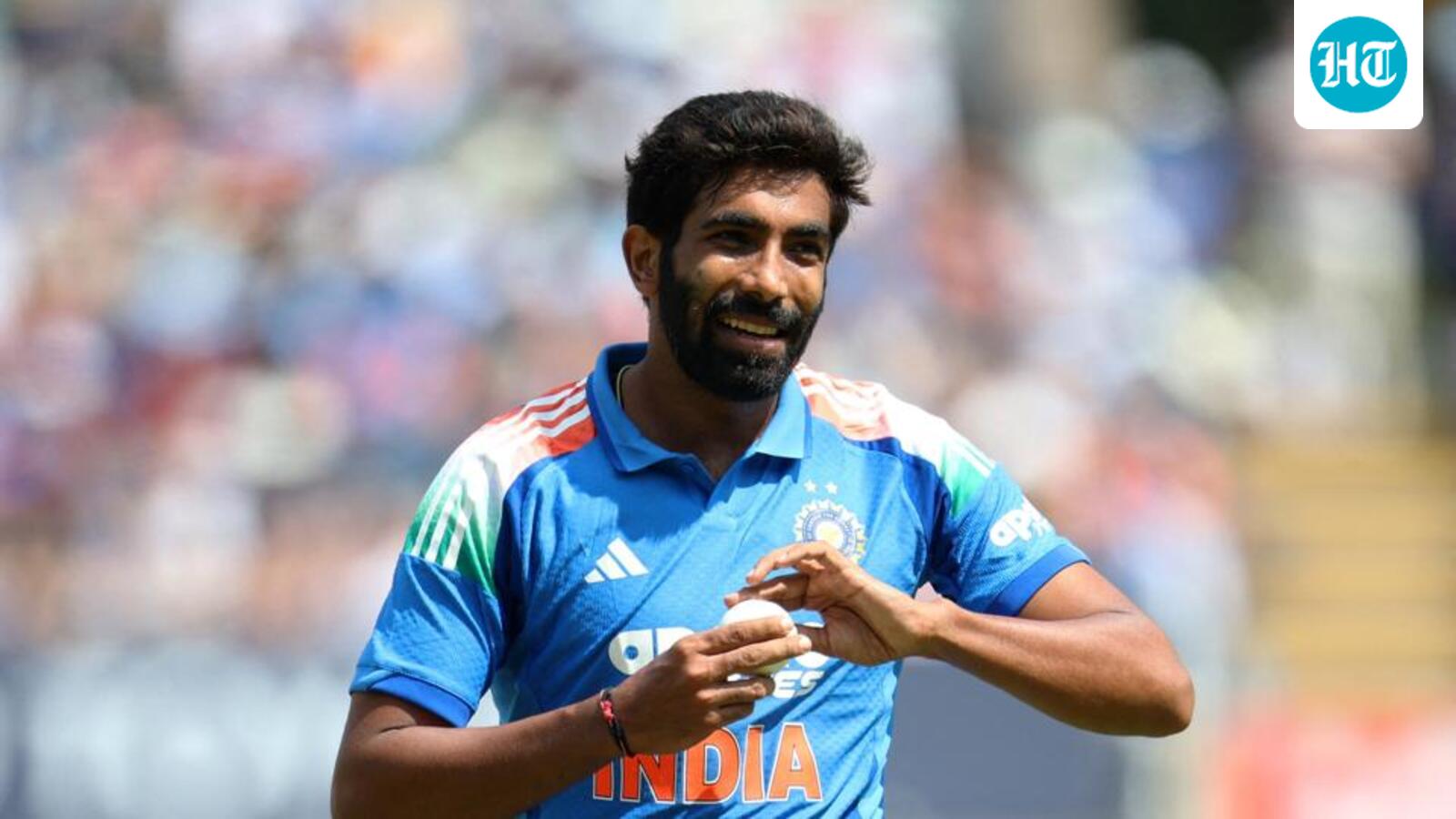
MUMBAI: The World Test Championship cycle requires India to be at full strength for this month’s two-Test series in Sri Lanka. In fifth position in the WTC standings, the pressure is on captain Shubman Gill to secure maximum points and keep his team in the race for the final.India's Jasprit Bumrah in action against England at the Edgbaston Cricket Ground, Birmingham, Britain (Reuters)The India skipper will not be happy with the situation, though, as his bowling spearhead Jasprit Bumrah will not travel to Sri Lanka for the series starting on August 15. Bumrah needs more time to completely recover from the left knee issue he has been nursing since the T20 World Cup earlier this year; he also suffered an impact injury during the second ODI last month against England.India are also without the services of Harshit Rana and Nitish Kumar Reddy, who are out with hamstring and quadriceps injuries, respectively. Washington Sundar has also been ruled out of the first Test with a hamstring injury, while pacer Akash Deep is in the middle of a long layoff following stress reactions on his back.Gill has a genuine reason to be upset. To get the job done, a captain needs all his first-choice players to be available.It affects the team’s combination and impacts the results. This was one reason for India’s debacle in the T20I series against Ireland and England and the ODI series defeat against England last month.Gill had flagged a fitness crisis after the England series was marred by injuries.Speaking after losing the series decider at Lord’s, Gill highlighted that at least five players from India’s original touring squad did not feature in the final match.“If you look at the first squad that we announced, at least five of the players did not play today,” Gill said. “When one player gets injured, you have to play a different combination. If two are injured, you play a different combination. I think if a player is missing after every match (due to injury), somewhere we are missing a trick.”The injury list is not restricted to the above-mentioned names. Several key players have faced fitness issues since the turn of the year. All-rounder Hardik Pandya has not played since the IPL, first a back issue then a quadriceps strain during rehab at the BCCI’s Centre of Excellence, has kept him out. In between, Gill himself has battled a nagging neck problem. Varun Chakravarthy sustained a Grade 2 hamstring tear during the third T20I against England. As a result, he missed the entire five-match T20I series against Zimbabwe.Former India strength and conditioning coach Ramji Srinivasan understands captain Gill’s frustration. “This is nothing new. I’m sure you all know this has been happening for the last few years. What we need to see is what triggered these injuries over time. And one of the things you need to ponder is the exercise pattern. The choice of exercise. The recovery protocols. The nutrition protocols.”Gill’s statement also points out the role of the team support staff and the sports science department at BCCI’s Centre of Excellence, where the cricketers undergo injury recovery and rehabilitation.“Load management is not just about numbers; it’s about being very specialised to an individual athlete,” said Srinivasan, who was the India team’s S&C coach which won the 2011 ICC ODI World Cup and the 2013 ICC Champions Trophy. “Crunching numbers and giving data is nothing earth shaking. But to find out the remedial measures to prevent injury and to increase performance—that is why the professionals are there. So that needs to be addressed. And bring in accountability among the strength and conditioning (S&C) coaches and the physios. If there is no accountability, nothing will happen.”Gill’s larger fear is that if the trend continues, it could have a severe impact on India’s performance at the 2027 ODI World Cup, which will be played next October-November in southern Africa. The captain had said that if his players were not able to “finish a two-to-three-match series”, how would they cope at the long, demanding 50-over tournament played on a league basis.“It becomes a little difficult when you come to the ground in the morning and you come to know a player has a niggle, then it’s almost like do you want to take a chance?” Gill had said. “Some player is 80% fit, you are playing with five bowlers and if this player comes out after bowling five overs, then who will bowl? This is difficult. So as a group we need to improve our fitness and all those things.”Srinivasan said with right and timely preparation the fitness concerns of the team can be addressed.“We prepared for the 2011 World Cup and the 2013 Champions Trophy one year ahead. For 2011, we started preparing in Sri Lanka in 2010 — no sodas, and we were very strict about food in the dressing room. Everybody had a log to maintain. And, that batch too was playing all three formats, the IPL, ODIs and Tests.“In the entire 2011 World Cup, we were the only team where nobody sat down because of fitness-related injuries. This was in spite of having many players who were 30-plus and playing all formats of the game.”South Africa’s conditions will offer a different challenge because the grounds are harder, bigger, and the pitches will have bounce.The key players are going to be fast bowlers. Like at the last ODI World Cup played in South Africa, in 2003, where Javagal Srinath, Zaheer Khan and Ashish Nehra proved their fitness throughout the one and half month long event. Srinath and Zaheer played 11 games each and Nehra nine games.Srinivasan said the key is to understand that one size doesn’t fit all. “You have to go according to the player’s needs because they know their body best. Rather than just working on strength or power, you need to train like a cricketer. What a fast bowler needs is different from what a batsman, spinner, or wicketkeeper needs.”
Injury woes: Why are India’s pacers failing the fitness test?
Skipper Shubman Gill has a genuine reason to be upset but a more methodical approach could help the team
991 words~5 min read